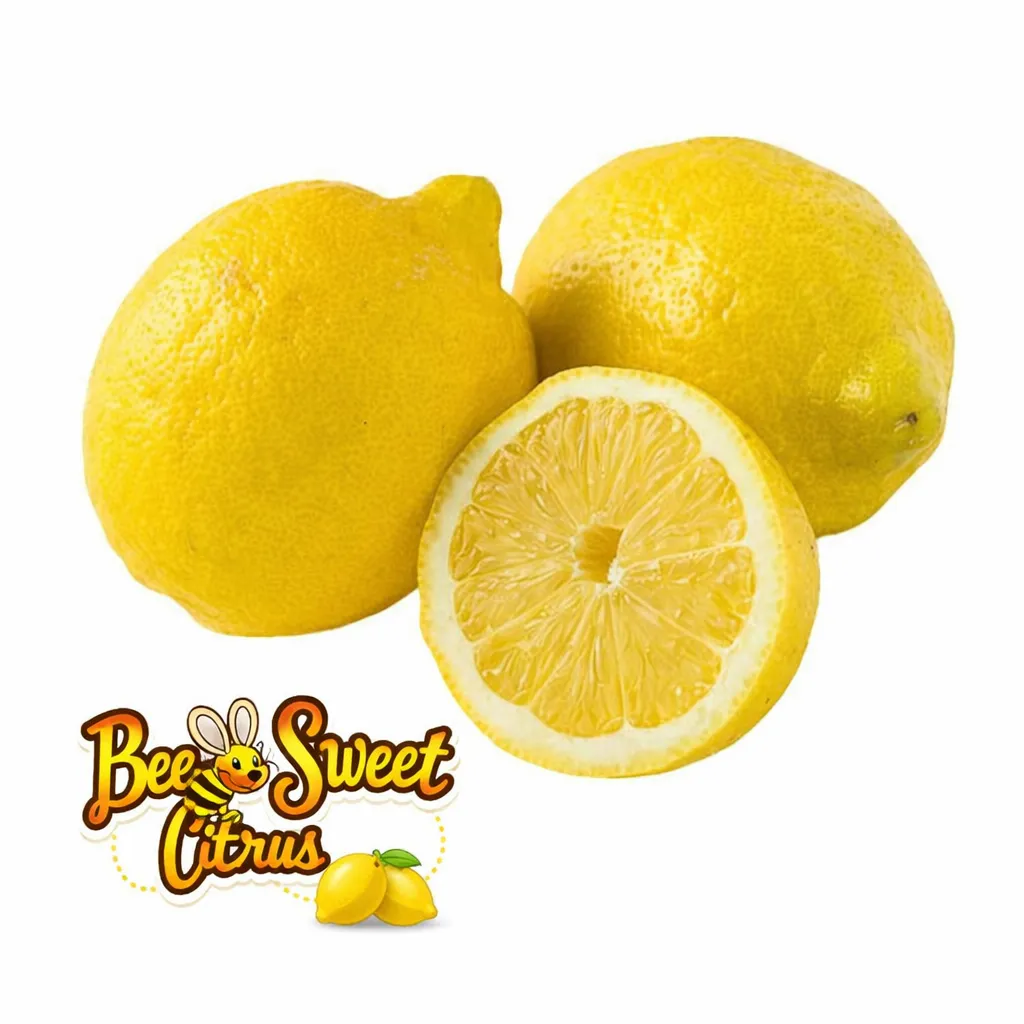
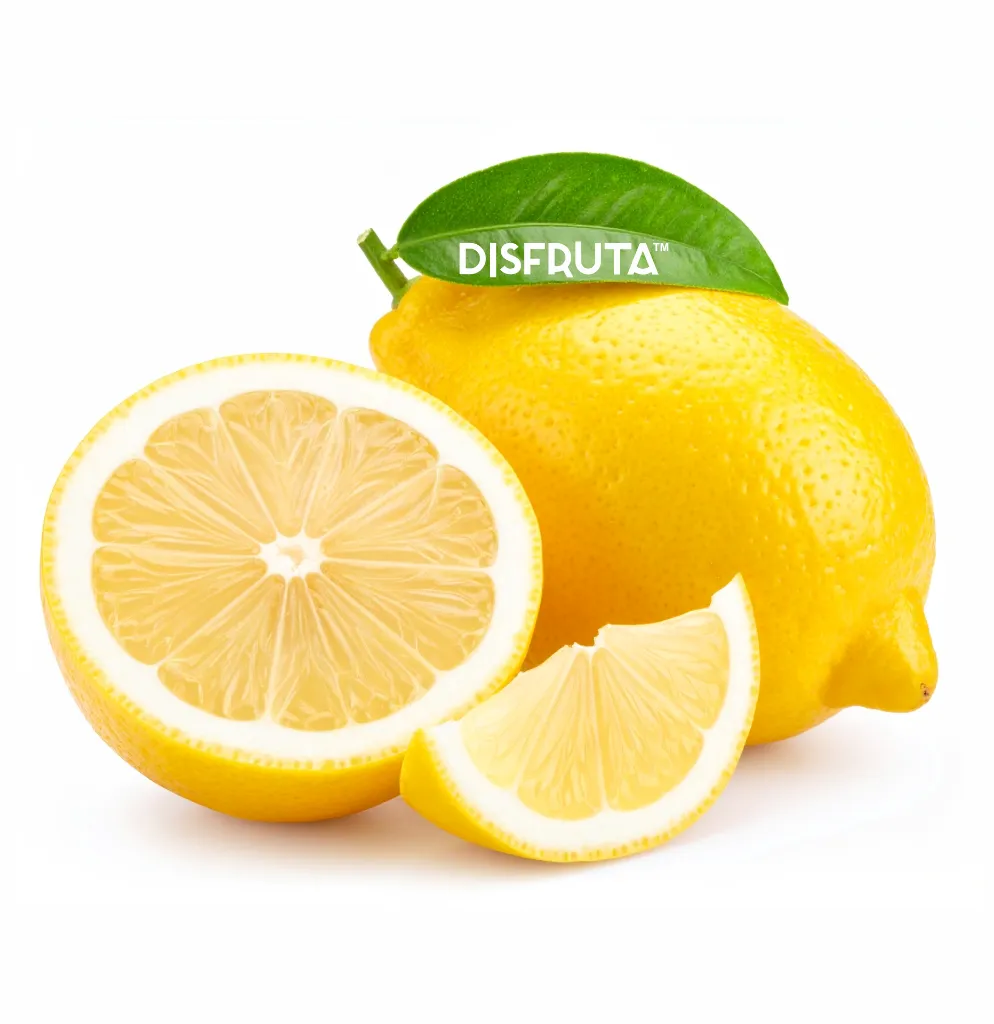
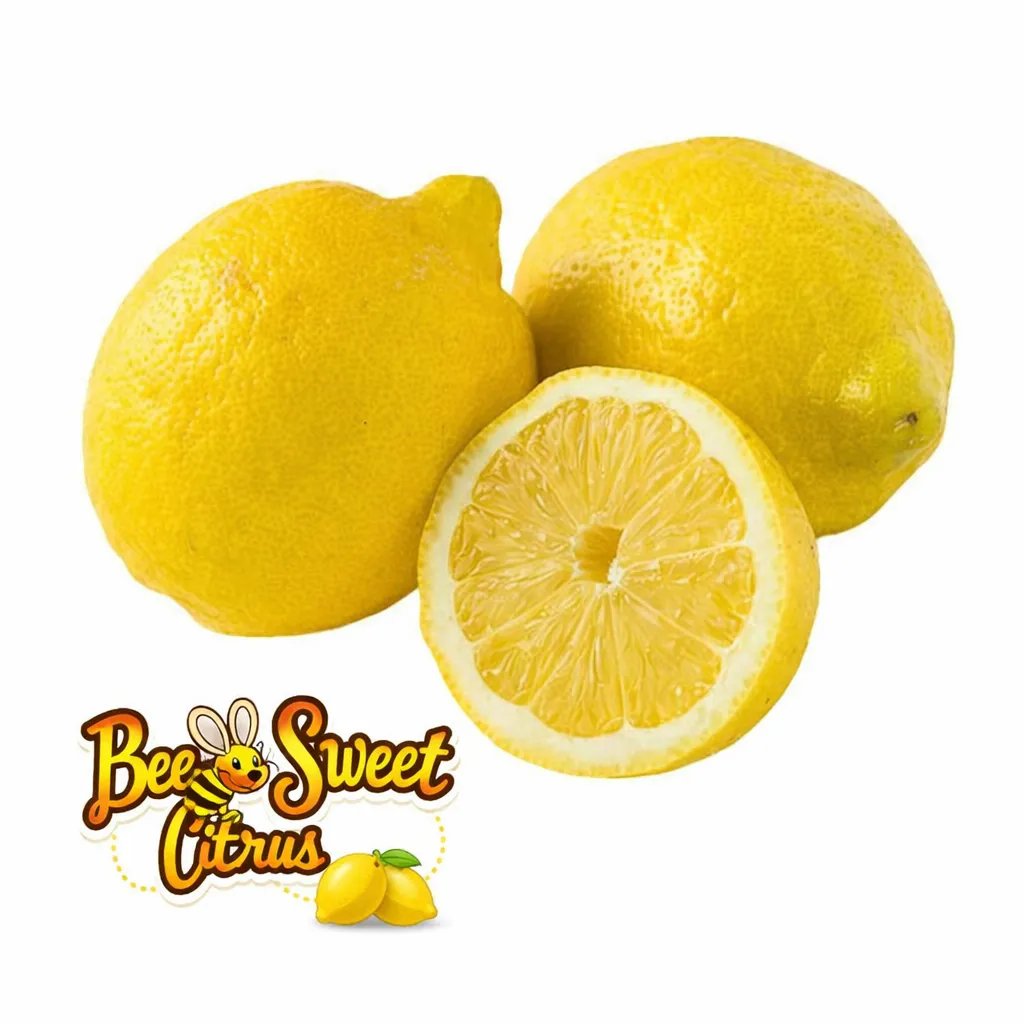
The Eureka lemon (Citrus × limon) is one of the most widely recognized yellow lemon cultivars, grown in California, United States, and marketed under the Bee Sweet Citrus® brand. Distinguished by its bright-yellow skin, abundant juice, pronounced acidity and fresh, intense citrus aroma, Eureka is highly valued for its culinary versatility. This FANCY, size #75's selection features large, commercially attractive fruit, particularly suitable for gastronomy, baking, mixology and professional foodservice applications.
Organoleptic Properties
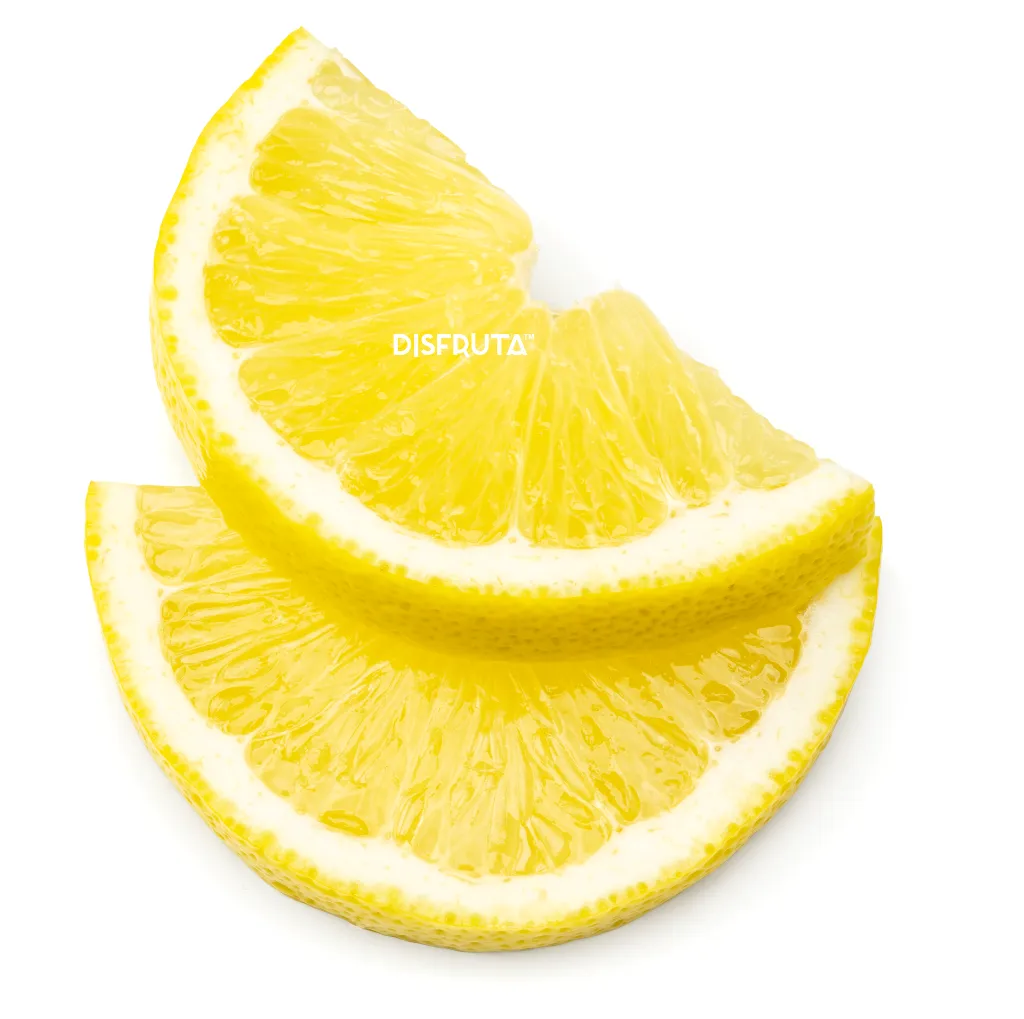
Generally oval to slightly elongated fruit, often displaying a small neck near the stem and a characteristic projection at the blossom end. Its skin is bright yellow, smooth to slightly textured, with oil glands containing aromatic essential oils. The flesh is pale yellow to greenish-yellow, tender, juicy and intensely acidic, with a fresh, penetrating citrus aroma. Seeds are generally few or absent, although their presence may vary. The peel contains aromatic compounds such as limonene, while the juice naturally contains citric acid and vitamin C.
Suggested Uses
Ideal for lemonades, cocktails, mocktails, infused beverages, vinaigrettes, dressings, marinades, sauces and citrus reductions. Its pronounced acidity adds freshness and balance to fish, seafood, poultry, white meats and Mediterranean dishes. In baking and pastry applications, Eureka is particularly suitable for lemon curd, lemon pies, tarts, cheesecakes, sponge cakes, glazes, mousses, meringues and sorbets. Its zest contributes an intense citrus fragrance to pasta, risotto, salads and desserts. Wash fruit before zesting and verify that any postharvest treatment is suitable for edible peel applications.
Format
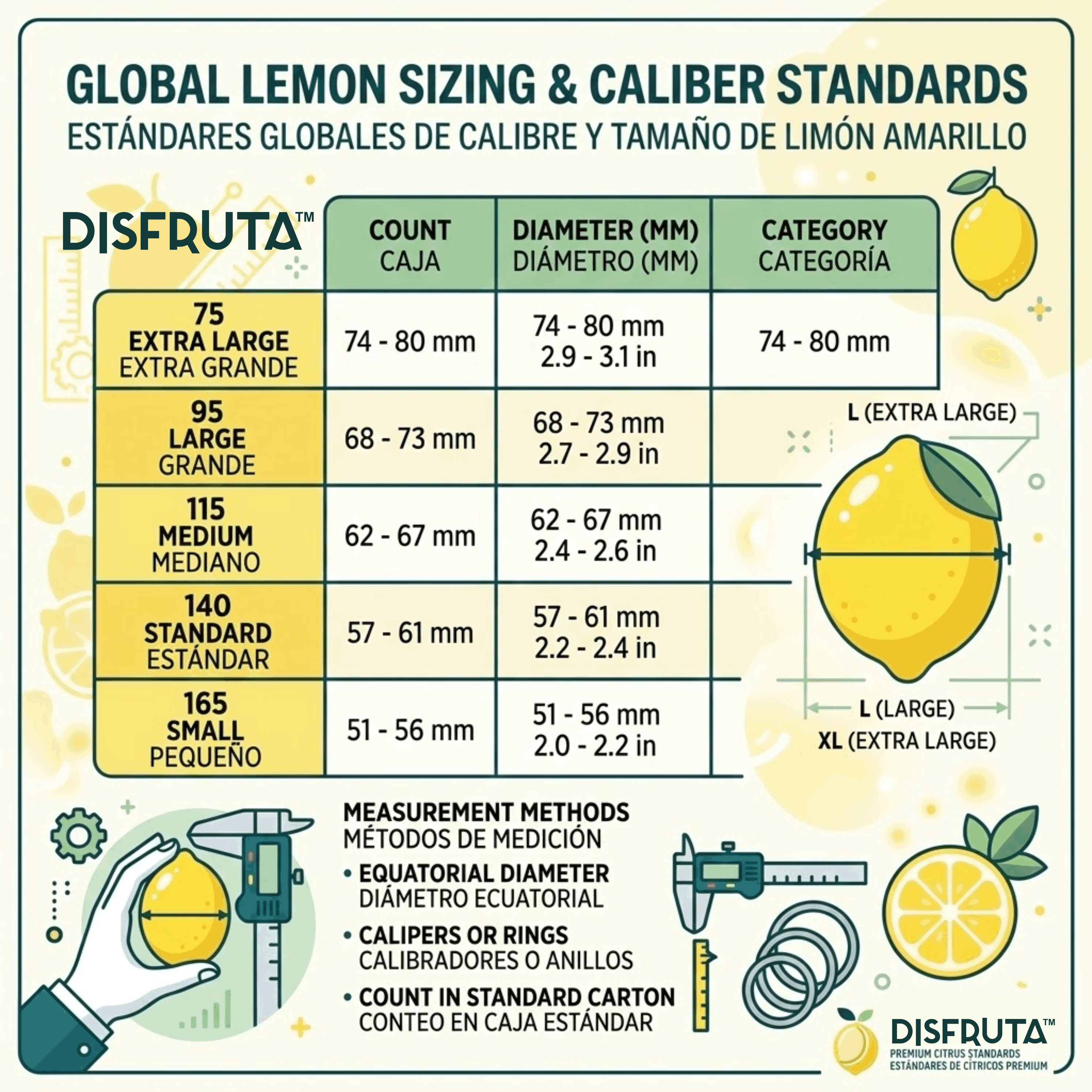
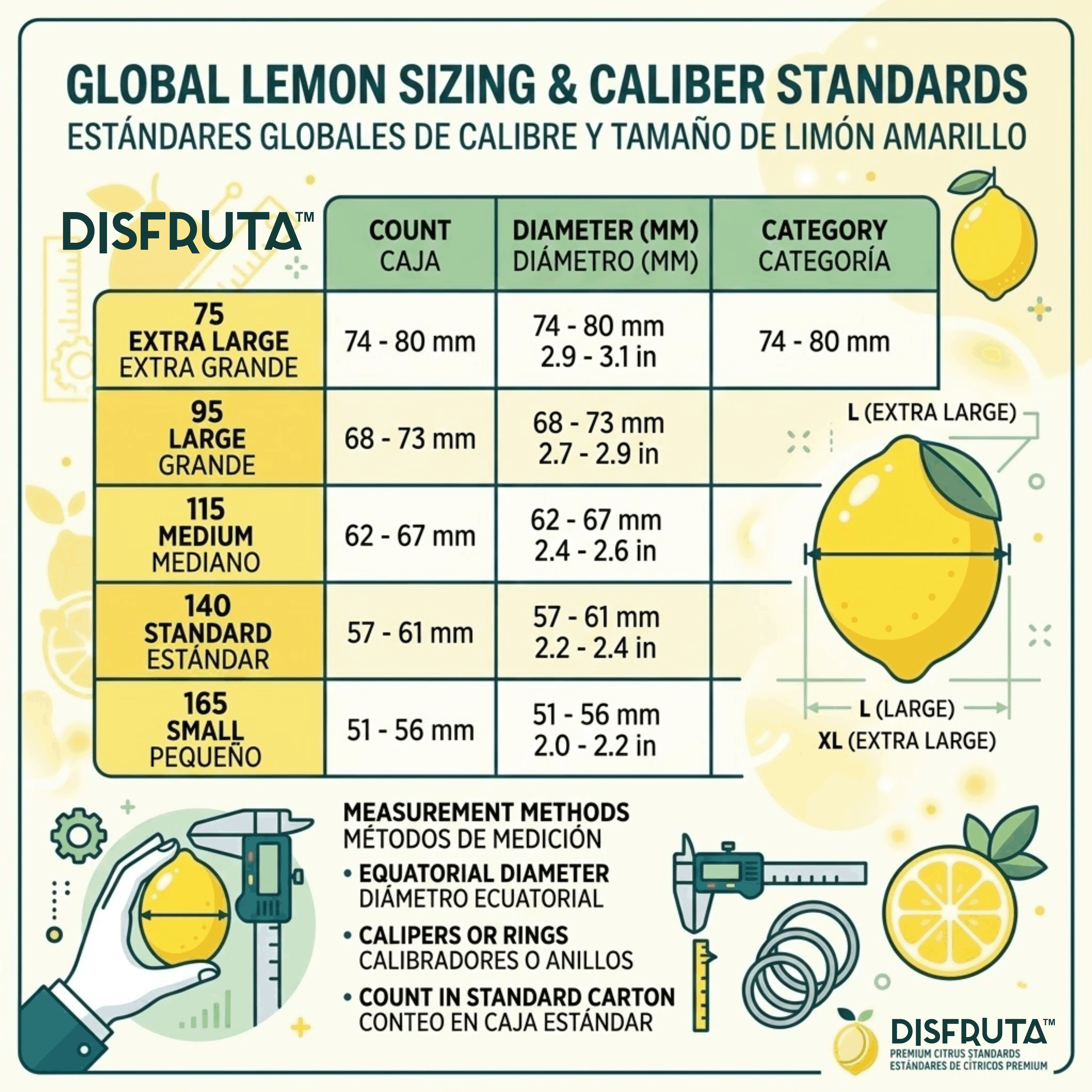
Bulk (BLK) per kilogram. Fresh Eureka lemons, Bee Sweet Citrus® brand, grown in California, United States. Size #75's: commercial sizing corresponding to approximately 75 lemons per standard reference carton, indicating relatively large fruit; individual fruit weight depends on the original packing standard. The FANCY designation identifies the declared commercial selection and should be interpreted according to the packer's specifications. When marketed in bulk, fruit is sold by weight while retaining the original lot's size classification.
Storage and Handling
For commercial storage, maintain preferably at approximately 12–14 °C (54–57 °F) and 90–95% relative humidity, following UC Davis postharvest recommendations and adjusting conditions according to fruit maturity, storage duration and production region. Avoid temperature fluctuations, direct sunlight, impacts and moisture loss. Lemons may develop chilling injury during prolonged storage at excessively low temperatures, resulting in rind pitting, discoloration and other surface defects. Maintain appropriate ventilation without excessive direct airflow and handle carefully to prevent damage to the peel's oil glands.
Quality and Selection Criteria
Select lemons that are firm, heavy for their size, characteristically colored and commercially uniform, with intact skin and no deep bruises, punctures, pronounced shriveling, decay or soft spots. Flesh should exhibit good juice content, fresh citrus aroma and characteristic acidity, without internal dryness or fermentation. The FANCY selection should meet the supplier's applicable appearance and defect tolerances. Important commercial quality indicators include size, shape, firmness, juice content, color uniformity and freedom from deterioration.
Season
Eureka is a recurrently producing lemon cultivar capable of flowering and fruiting several times throughout the year. In California, an important portion of production occurs during late winter, spring and early summer, although exact timing varies according to growing region and weather conditions. This characteristic supports broad and relatively consistent commercial availability.
Origin
United States.
The Eureka lemon has a history closely associated with the development of California's citrus industry. It originated in Los Angeles during the nineteenth century, from seedlings grown using seeds from lemons of Italian origin, reportedly planted around 1858. The nurseryman Thomas A. Garey later propagated a selection known as Garey's Eureka, which eventually became one of California's most important commercial lemon cultivars.
One of its most interesting botanical characteristics is that Eureka trees are generally nearly thornless and capable of producing multiple crops annually, unlike citrus cultivars with more concentrated harvest periods. Yellow lemons also offer a remarkable culinary distinction: their juice contributes acidity and freshness, while the peel contains essential oils with a different aromatic profile. This versatility allows different parts of the same fruit to be used in a wide range of preparations, helping explain why Eureka remains a benchmark cultivar in international cuisine.