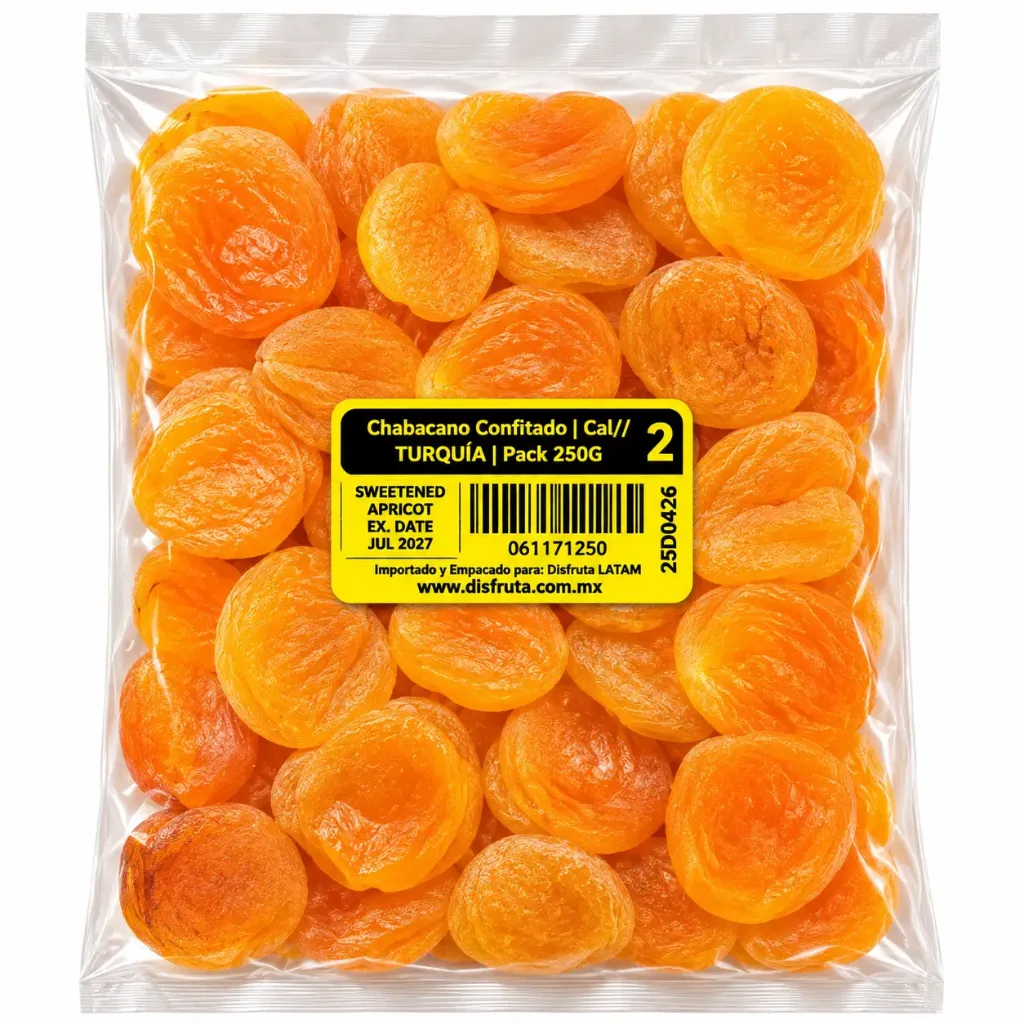
Apricot | Albaricoque | Size #02 | Akdaglar® | Turkey | 250G Pack
Dried apricots (Prunus armeniaca L.) are stone fruits appreciated for their concentrated natural sweetness, delicate fruity acidity, soft and fleshy texture, and pleasant aroma. Produced in Turkey and marketed under the Akdaglar® brand, they are valued for their sensory characteristics, culinary versatility, and natural contribution of dietary fiber and minerals such as potassium.
Turkey has a well-established tradition of dried apricot production, particularly in the Malatya region, known for its favorable climatic conditions for apricot cultivation and drying. The dehydration process considerably reduces the fruit's natural moisture content, concentrating its sugars and allowing extended storage under appropriate conditions. Available in a 250-gram package (250G Pack) with commercial Size #02 classification, this product is convenient for household consumption, supermarkets, cafés, bakeries, and specialty food retailers.
Organoleptic Properties
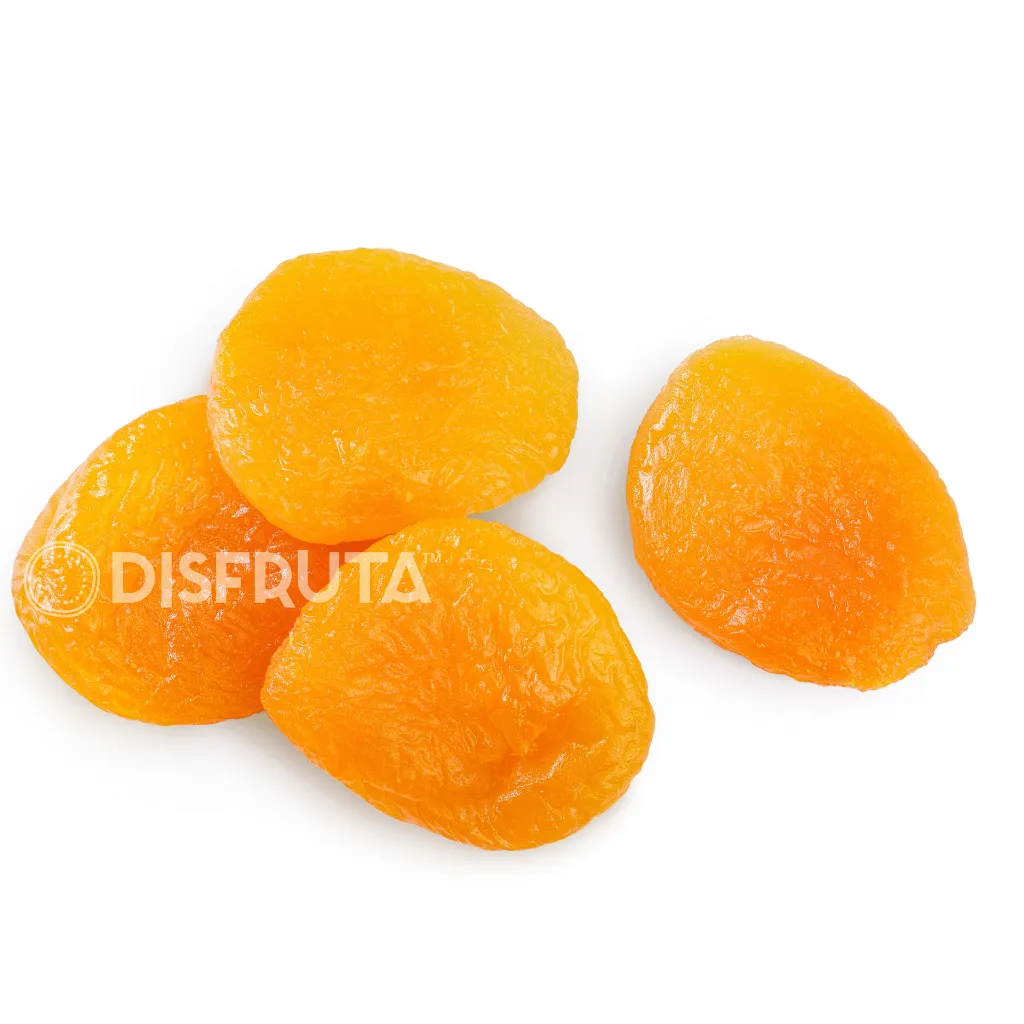
Oval to slightly rounded dried fruit, commonly presented whole and pitted, with a naturally wrinkled surface and characteristic folds resulting from moisture reduction. Its coloration may range from golden yellow and bright orange to amber or brown, depending on the variety, drying method, and presence or absence of preservatives.
The flesh has a soft, flexible, fleshy, and pleasantly chewy texture, with the dense consistency characteristic of dried fruits. Its flavor combines intense sweetness with balanced fruity acidity, accompanied by aromatic notes reminiscent of ripe apricots, honey, peaches, and other stone fruits. Partial water removal concentrates its natural components, creating a more intense flavor profile than fresh fruit.
Suggested Uses
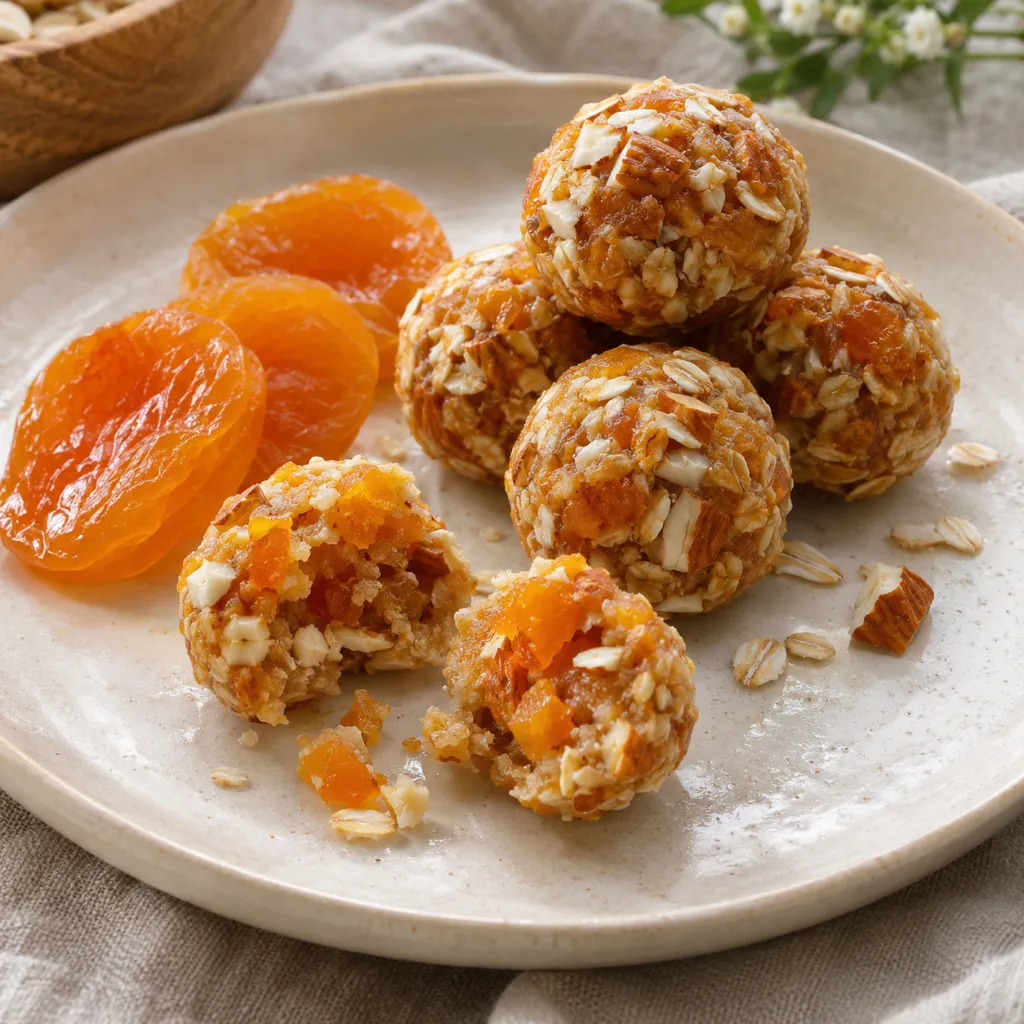
Ideal for direct consumption as a snack, breakfasts, granola, cereals, oatmeal, yogurt, fruit bowls, trail mixes, and energy bars. Its concentrated sweetness makes it suitable for sweet preparations and as an ingredient in contemporary food recipes.
In baking and pastry applications, dried apricots can be used in artisan breads, loaf cakes, muffins, cookies, tarts, cakes, chocolates, confectionery fillings, compotes, jams, and Mediterranean-inspired desserts. They can be chopped, blended, or incorporated whole depending on the preparation.
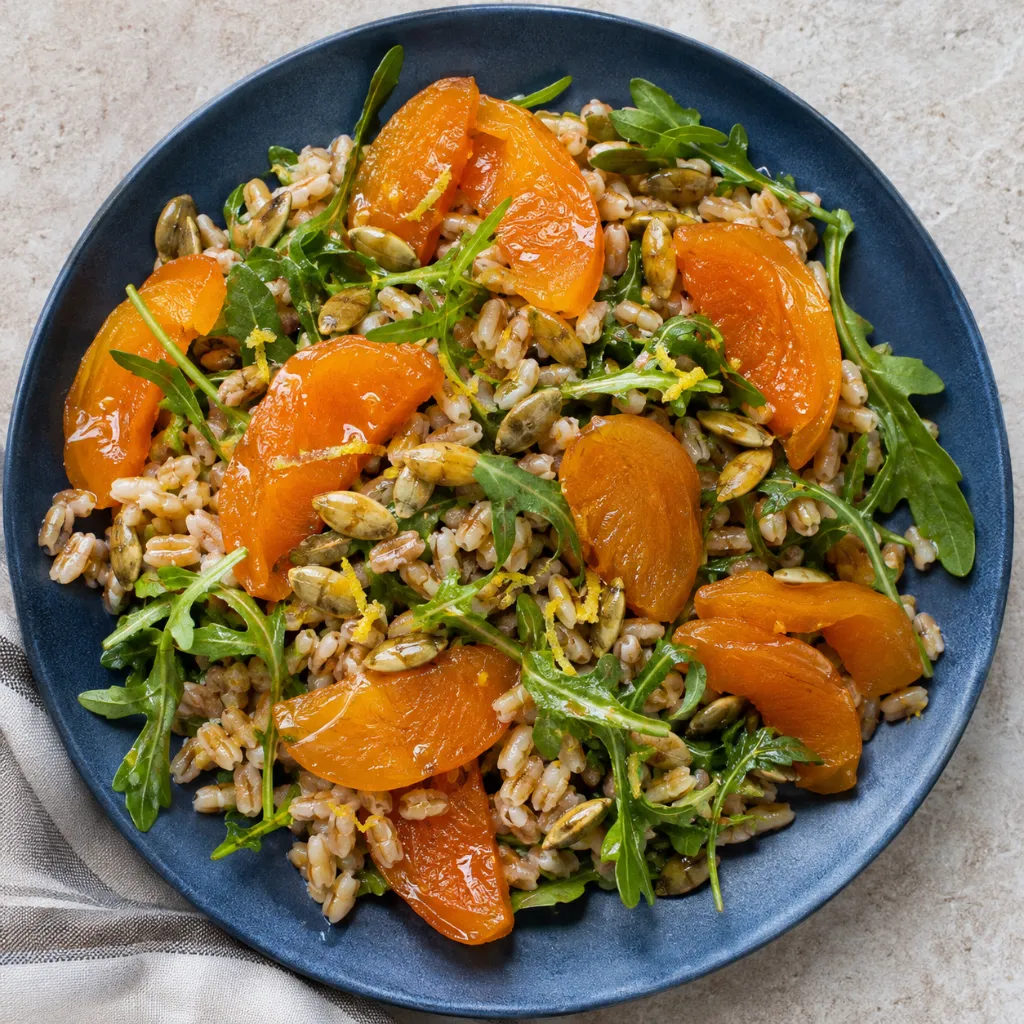
In gourmet cuisine, dried apricots pair particularly well with almonds, walnuts, pistachios, hazelnuts, goat cheese, aged cheeses, honey, vanilla, cinnamon, cardamom, and dark chocolate. They can also be incorporated into warm salads, couscous, spiced rice, tagines, chutneys, sweet-and-sour sauces, and accompaniments for chicken, pork, or lamb. They may be rehydrated in warm water, fruit juices, or cooking liquids to restore part of their softness.
Format
Net weight: 250 grams (250G Pack). Dried apricots, Akdaglar® brand, originating from Turkey. Size #02: a commercial classification used to identify product size. Turkish dried apricots are commonly graded according to the number of pieces per kilogram; however, the exact correspondence of Size #02 must be verified against the manufacturer's technical specifications.
Each package contains 250 grams of product, without guaranteeing a fixed number of pieces, as the count depends on individual fruit size and weight. This presentation supports retail distribution through supermarkets, specialty stores, gourmet markets, and e-commerce platforms.
Ingredients: Dried apricots (Prunus armeniaca L.). The possible presence of sulfur dioxide (sulfites) or other ingredients must be verified on the manufacturer's label.
Storage and Handling
Store preferably in a cool, dry, clean, dark environment protected from direct sunlight, maintaining a stable temperature and avoiding exposure to heat, condensation, and high humidity. For extended commercial storage, temperatures of approximately 5–12 °C (41–54 °F) may serve as a general reference, provided they are compatible with the manufacturer's specifications and packaging characteristics.
Keep the package properly sealed to minimize moisture absorption and oxygen exposure. Excessive humidity may encourage mold and yeast development, while elevated temperatures can accelerate browning and sensory deterioration. In products treated with sulfur dioxide (SO₂), this compound helps maintain the orange coloration and reduce certain deterioration reactions.
For household consumption, keep the product in its original tightly closed packaging or transfer it to an airtight container after opening. Refrigeration may help preserve product quality in warm or humid climates. The specific shelf life must be determined according to the best-before date, packaging material, and Akdaglar® storage recommendations.
Quality and Selection Criteria
Select dried apricots with reasonably uniform size, intact appearance, pleasant fruity aroma, and flexible texture, free from visible contamination, insect infestation, mold, or excessive moisture. The product should maintain a fleshy and chewy consistency without excessive hardness, abnormal surface moisture, or fermented or unpleasant odors.
Coloration should be characteristic of the preservation treatment employed. Bright-orange tones are commonly associated with sulfite preservation, while darker brown shades are typical of unsulfured products. Therefore, color alone does not determine quality. Commercial assessment should consider size uniformity, moisture content, fruit integrity, and defect tolerances corresponding to Size #02.
Season
In Turkey, the fresh apricot harvest is primarily concentrated between June and August, depending on the variety, altitude, and growing region. In Malatya, one of the main production areas for dried apricots, harvesting and drying take place during the summer months, generally from late June through August.
After harvesting, apricots undergo selection, drying, conditioning, and commercial grading. Newly processed dried apricots begin entering distribution channels during summer and subsequent months. Thanks to their reduced moisture content and appropriate storage conditions, dried apricots can be marketed throughout the year, depending on inventories and export programs.
Origin
Turkey.
The apricot (Prunus armeniaca L.) belongs to the Rosaceae family, which also includes peaches, plums, cherries, apples, and pears. Its botanical history is associated with Asia, where it has been cultivated since ancient times and gradually spread to other regions through trade routes and agricultural exchanges. Although its scientific name refers to Armenia, its early domestication and distribution involved several regions of Central and Eastern Asia, the Caucasus, and Anatolia.
Turkey is internationally recognized for its dried apricot production. The province of Malatya, located in Eastern Anatolia, stands out for its agricultural heritage, apricot orchards, and concentration of companies specializing in selection, drying, grading, and export processes. Its warm summers, abundant sunlight, and differences between daytime and nighttime temperatures support fruit development and ripening.
Among Turkish apricot varieties used for drying, Hacıhaliloğlu stands out for its commercial importance in Malatya, although this does not necessarily mean it is the variety used in Akdaglar® Size #02. Akdaglar Dried Food Company reports that it began processing apricots and apricot kernels in 1990 in Malatya, Turkey, subsequently developing activities related to dried fruit production and export.
An interesting culinary fact is that apricots are known as kayısı in Turkish, while dried apricots are called kuru kayısı. This fruit is part of Turkish culinary traditions and is used in desserts, confectionery, dried fruit mixes, and sweet-and-savory preparations.
From a nutritional perspective, dried apricots provide dietary fiber, potassium, and carotenoids, along with naturally occurring fruit sugars. Due to water loss during processing, their nutrients and calories become more concentrated per unit of weight compared with fresh fruit. Akdaglar® Size #02, available in a 250G Pack, offers a versatile dried fruit option valued for its concentrated flavor, pleasant texture, and wide range of culinary applications.