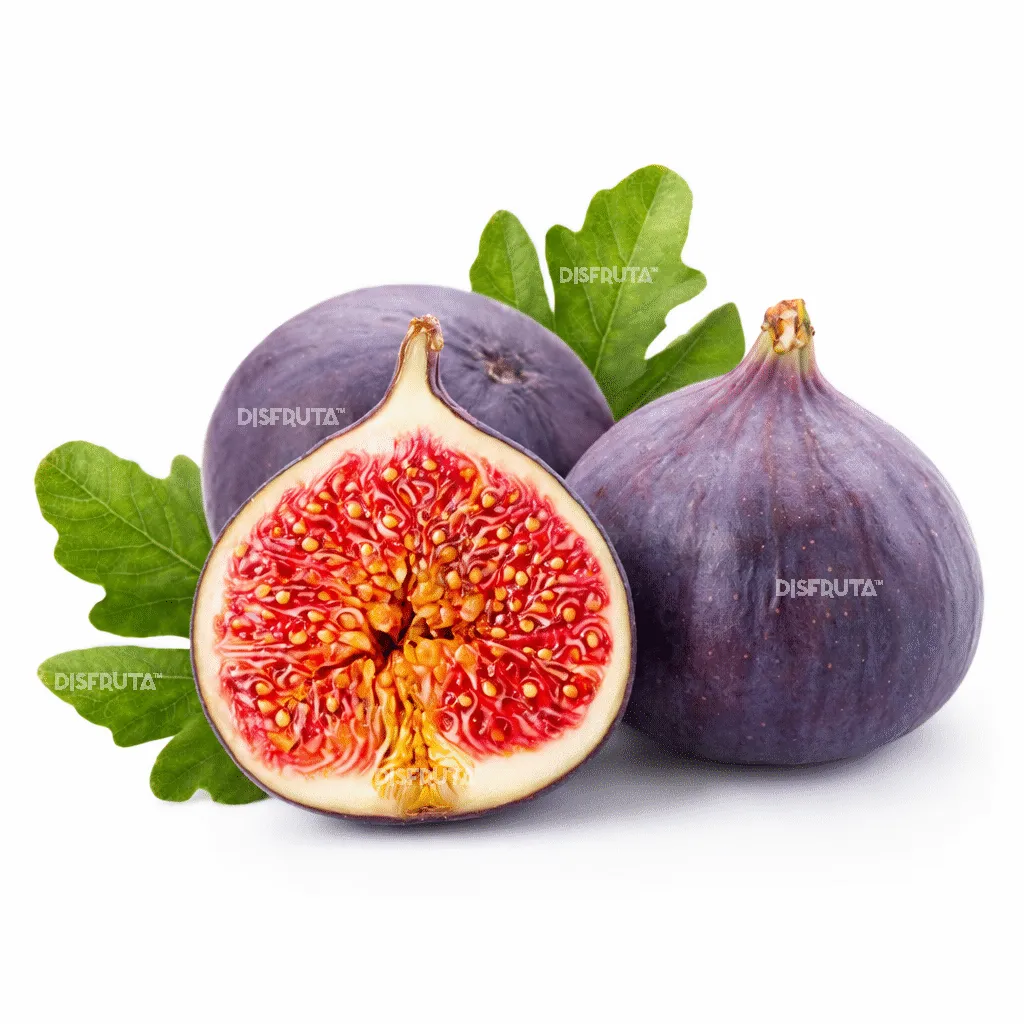
The Black Mission fig (Ficus carica L.) is a dark-skinned fig cultivar renowned for its deep-purple to nearly black skin, reddish flesh, tender texture and exceptional natural sweetness. Grown in Michoacán, Mexico, and commercially selected as #Jumbo, this fruit stands out for its large size, elegant appearance and rich aromatic profile reminiscent of honey, ripe berries and fruit preserves. Its striking contrast between dark skin and pinkish-red flesh makes it particularly attractive for fresh consumption, fine dining, pastry applications and gourmet presentations.
Organoleptic Properties
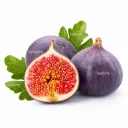
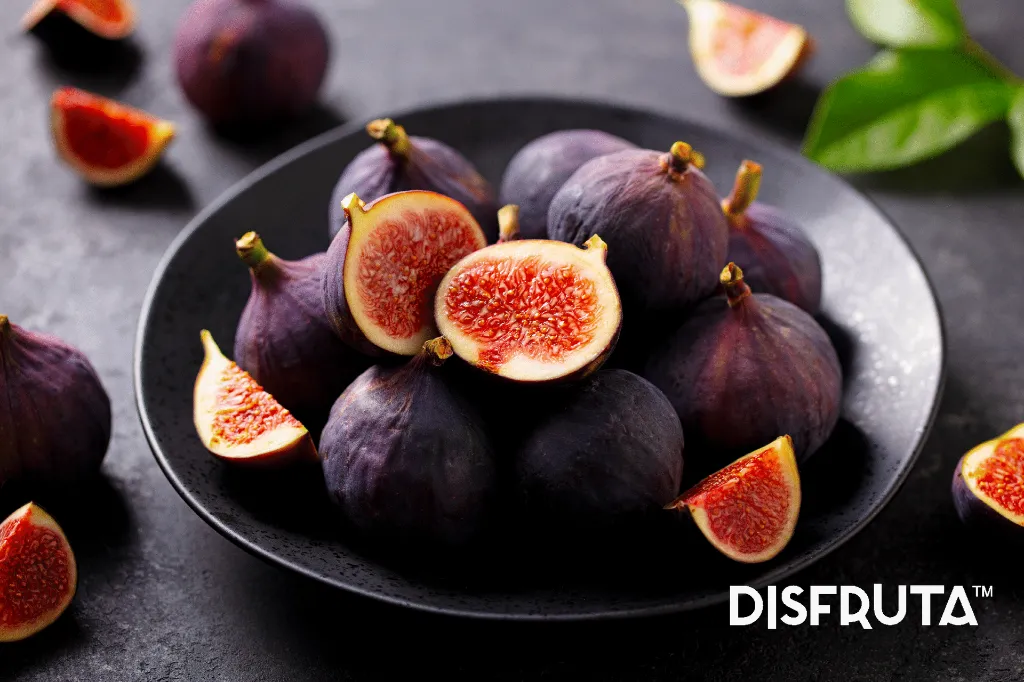
Large to extra-large fruit with a pear-shaped or teardrop-like appearance, a rounded base and a short to slightly elongated neck. Its thin, delicate skin ranges from deep violet to almost blackish purple, occasionally displaying a fine natural whitish bloom. The flesh is pink to strawberry red, containing numerous tiny edible structures that provide a subtly granular texture. At full eating maturity, Black Mission develops a very tender, juicy, luscious and slightly jelly-like consistency, accompanied by an intensely sweet flavor with notes reminiscent of honey, ripe berries and caramel.
Suggested Uses
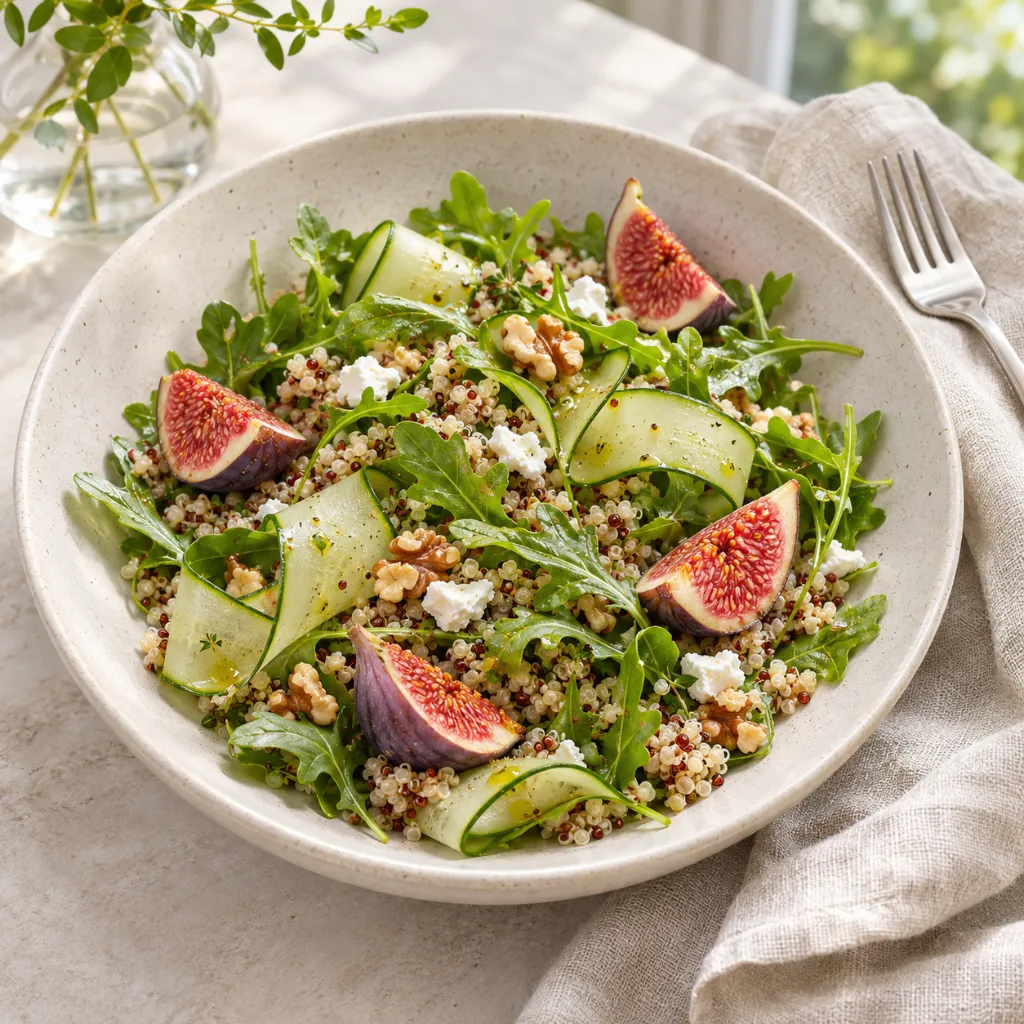
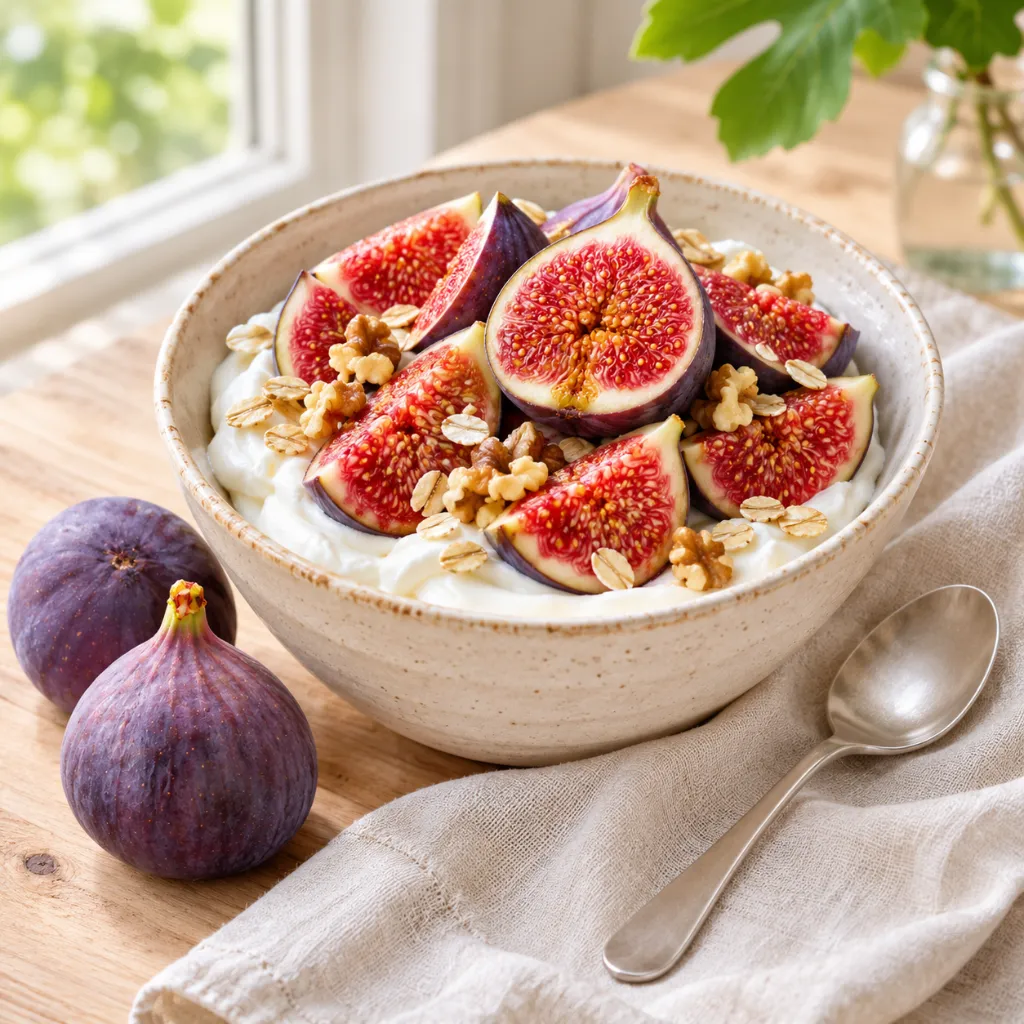
Ideal for fresh consumption, fruit and cheese boards, gourmet salads, bowls, yogurt, oatmeal, pastries and seasonal desserts. Figs may be enjoyed whole, halved or quartered, with their edible skin, after gentle washing. Their natural sweetness pairs especially well with goat cheese, burrata, brie, blue cheese, Serrano ham, prosciutto, honey, pecans, pistachios and balsamic vinegar.
In contemporary cuisine, Black Mission figs are particularly suitable for roasted figs, tarts, galettes, cakes, jams, compotes, chutneys, sauces and chocolate- or vanilla-based desserts. They can also accompany pork, duck and poultry, creating an appealing sweet and fruity contrast. Their distinctive color and shape make them especially attractive for sophisticated restaurant, hotel and catering presentations.
Format
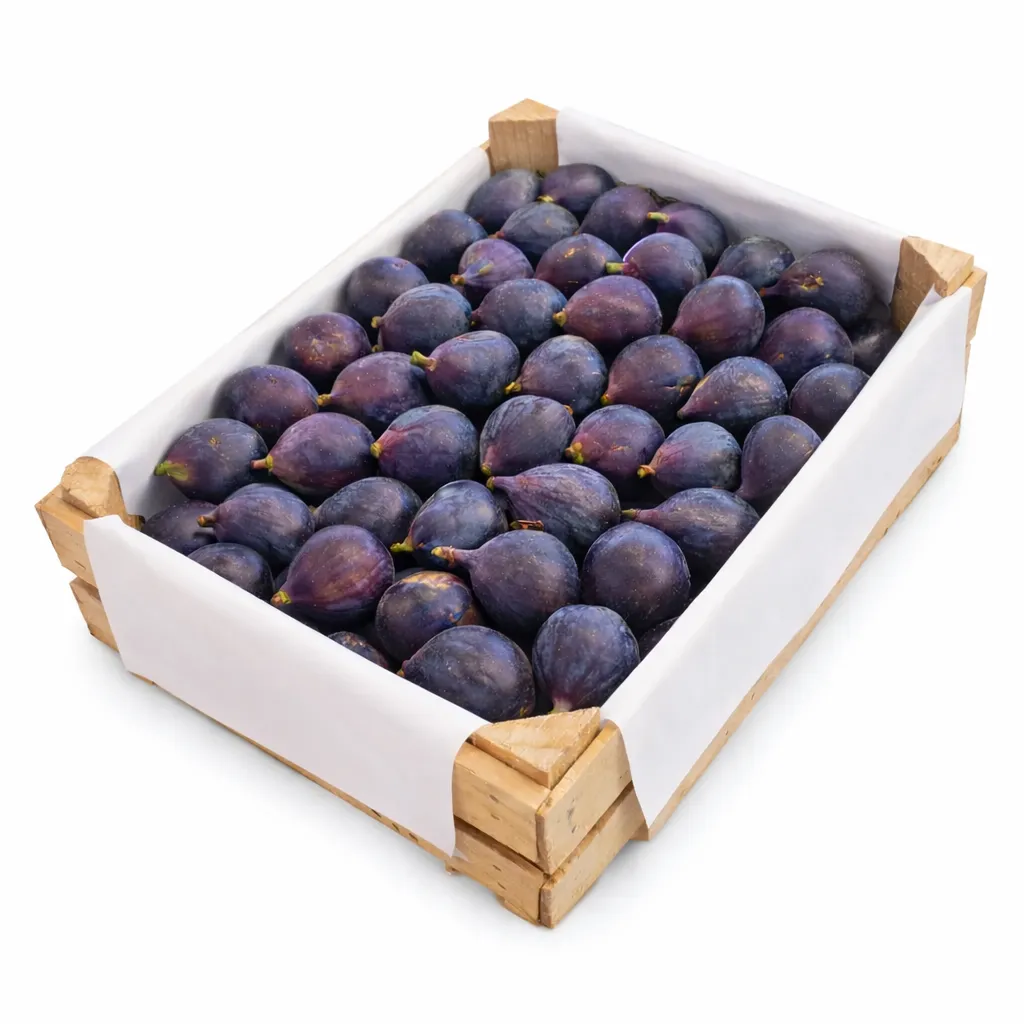
Wooden box (C-MDR) containing approximately 4 Kg of fresh Black Mission figs grown in Michoacán, Mexico. Size #Jumbo: commercial selection of large fruit, with actual diameter, individual weight and fruit count varying according to the grower's specifications. Wooden packaging provides a practical commercial presentation; however, excessive compression and stacking should be avoided because of the fruit's delicate structure.
Storage and Handling
Fresh figs are highly perishable and should be harvested close to eating maturity and promptly refrigerated. For commercial storage, maintain preferably at approximately -1 to 0 °C (30–32 °F) and 90–95% relative humidity, preserving an uninterrupted cold chain. Rapid cooling after harvest is recommended, while impacts, condensation and unnecessary handling should be minimized. Even under favorable conditions, commercial storage life remains limited; UC Davis reports approximately one to two weeks of postharvest life, depending on cultivar, ripeness and handling. For household consumption, keep refrigerated and consume promptly, washing only immediately before serving.
Quality and Selection Criteria
Select figs that are intact, well developed, characteristically deep purple and slightly soft to the touch, without becoming excessively mushy or showing signs of fermentation. Skin should remain sound and free from deep injuries, mold, abnormal leakage and compression damage. Good-quality fruit exhibits juicy flesh, a naturally sweet aroma and a delicate texture. Slight softness is normal in ripe figs and should not be confused with deterioration; however, sour odors, excessive moisture and decayed areas indicate quality loss. The #Jumbo selection should meet the supplier's declared commercial size specifications.
Season
Black Mission fig trees may produce two crops during the annual growing cycle, depending on climate and orchard management: an early crop known as breba, developing on the previous year's wood, followed by the main fig crop on the current season's growth. In Michoacán, precise harvest periods depend on production area, altitude, irrigation and growing conditions, so commercial availability may vary throughout the year. Their delicate nature and advanced ripeness at harvest make prompt and careful handling particularly important.
Origin
Mexico.
The common fig (Ficus carica) is one of humanity's oldest cultivated fruit species, with thousands of years of history in the Mediterranean region and Western Asia. The Black Mission cultivar, historically also known as Mission or Franciscana, is closely associated with the Spanish Franciscan missions that introduced and spread this type of fig tree throughout California during the eighteenth century. Its name reflects both that agricultural heritage and the fruit's distinctive dark coloration.
One of the fig's most fascinating botanical characteristics is that it is not a simple fruit in the botanical sense, but a specialized fleshy structure called a syconium, containing numerous tiny flowers within its interior. The small seed-like structures found inside are individual fruits developed within the syconium. Common-type fig cultivars, including Black Mission, can produce edible figs without pollination through a process known as parthenocarpy. This remarkable botanical characteristic, combined with its natural sweetness and striking contrast between dark skin and reddish flesh, makes Black Mission a fruit that brings together history, culinary sophistication and an exceptional sensory experience.