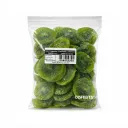
Hayward Kiwi D&C | Premier® | China | 250G Pack
Dried and candied Hayward kiwi (D&C) (Actinidia deliciosa) is made from selected kiwi slices processed through dehydration and sugar candying. Originating from China and marketed under the Premier® brand, it is distinguished by its bright-green color, sweet flavor with mild acidity, soft and chewy texture, and characteristic appearance with black seeds.
The Hayward variety is recognized for its green flesh and sweet-tart flavor. Available in a 250-gram package (250G Pack), this product is ideal for direct consumption, baking, dessert decoration, cafés, and specialty dried fruit retailers.
Organoleptic Properties
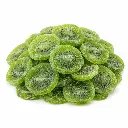
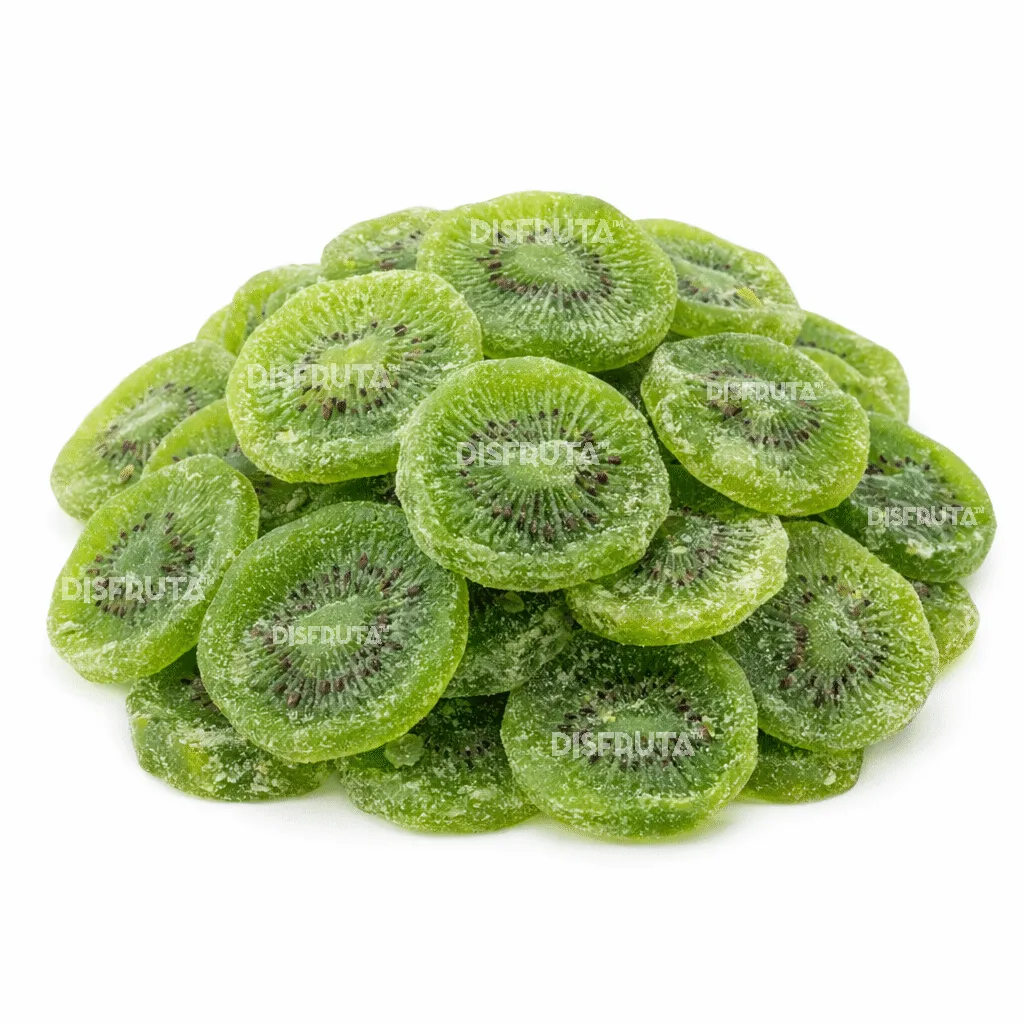
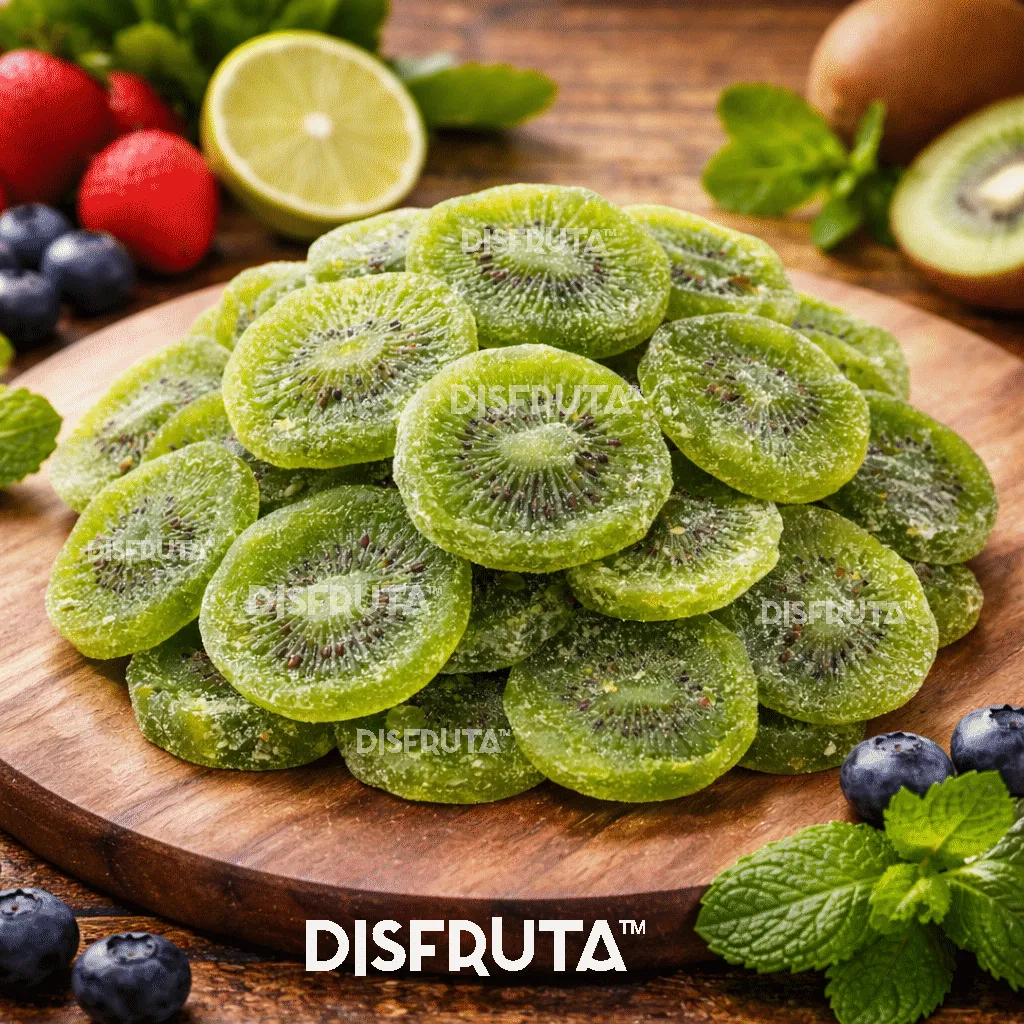
Circular slices with a bright-green to emerald-green color, a lighter center, and small black seeds arranged radially. Their surface may be slightly translucent due to the candying process.
They feature a soft, flexible, and chewy texture, with a predominantly sweet flavor and mildly tart notes characteristic of kiwi. Their aroma is fruity, mild, and tropical.
The dehydration and candying process concentrates flavor and creates a consistency different from fresh or freeze-dried fruit.
Suggested Uses
Ideal for direct consumption as a snack, dried fruit mixes, granola, cereals, yogurt, and fruit bowls.
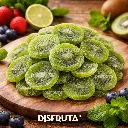
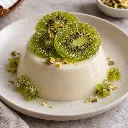
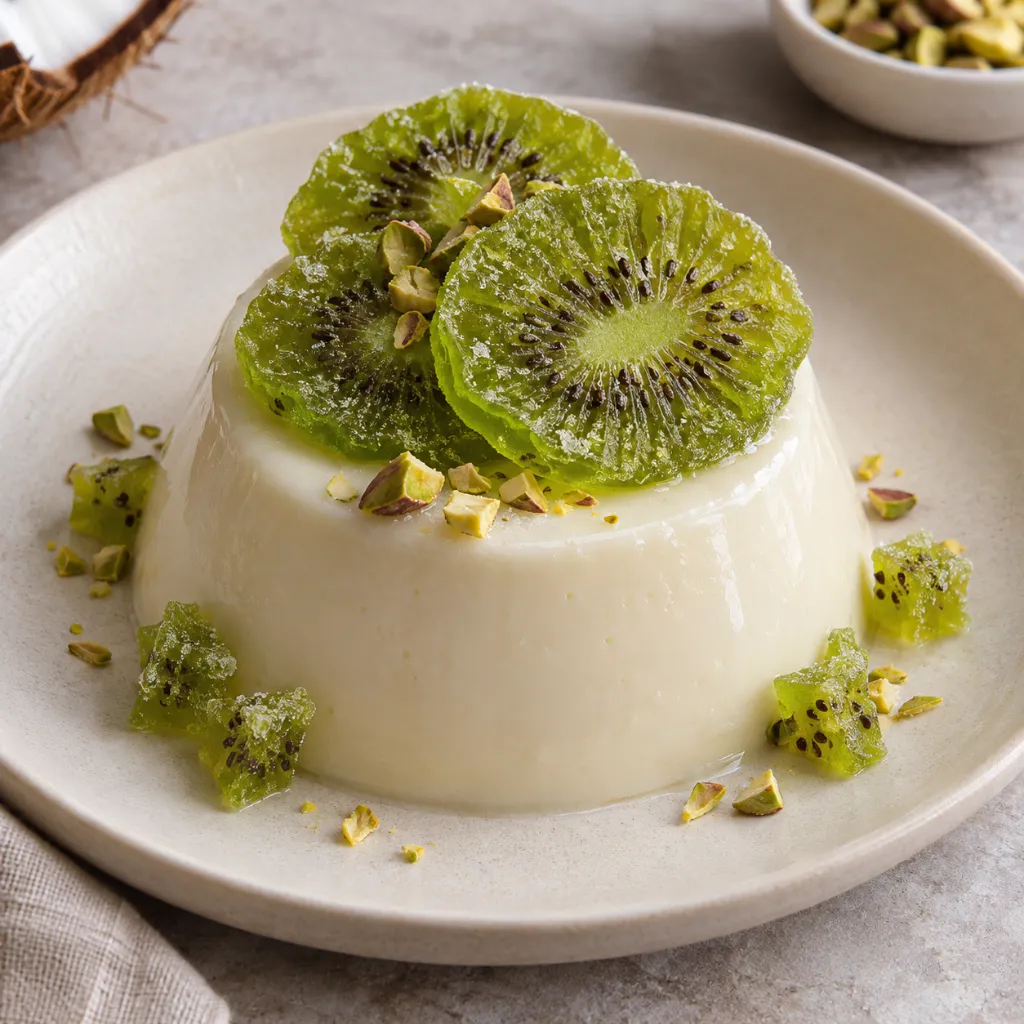
In baking and pastry applications, dried and candied kiwi can be used in cakes, tarts, muffins, cookies, chocolates, cheesecakes, ice cream, and confectionery products. Its slices are particularly attractive for dessert decoration.
In gourmet cuisine, it pairs well with white chocolate, dark chocolate, coconut, pineapple, mango, strawberries, vanilla, and nuts. It may also be used in sweet platters, beverage decoration, and cocktails.
Format
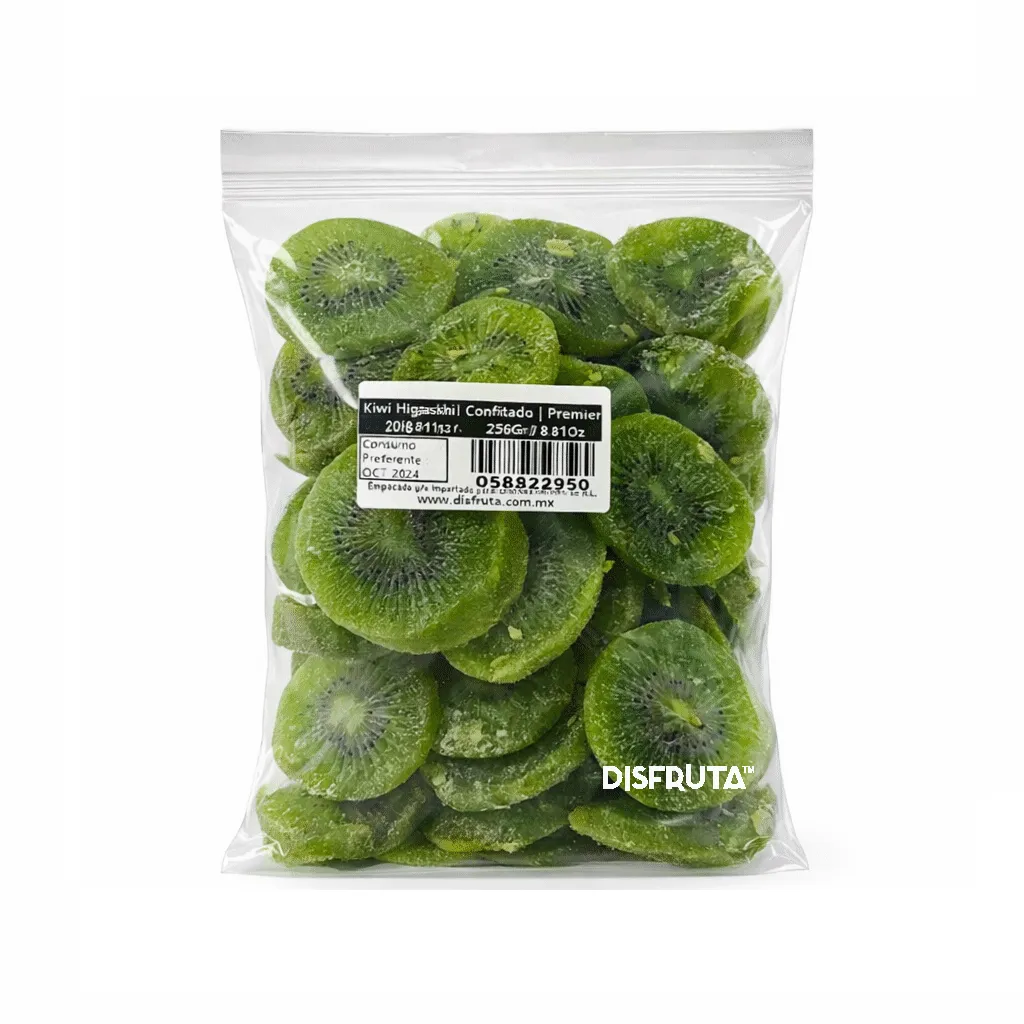
Individual package containing 250 grams net weight (250G Pack). Hayward variety kiwi, dried and candied, Premier® brand, originating from China.
D&C: Dried and Candied. Presented as relatively uniform slices, without a fixed number of pieces per package.
Main ingredients: Kiwi and added sugars used during candying. The exact composition, including possible acidulants, preservatives, and colorants, must be verified against the manufacturer's label.
Its presentation facilitates storage, portioning, and retail distribution through supermarkets, gourmet stores, cafés, and e-commerce platforms.
Storage and Handling
Store in a cool, dry, clean environment protected from direct sunlight, avoiding elevated temperatures, excessive humidity, and prolonged exposure to air.
Keep the package tightly sealed to prevent moisture absorption, slice clumping, and texture changes. After opening, store in an airtight container.
The specific shelf life must be verified according to the best-before date and manufacturer recommendations.
Quality and Selection Criteria
Select slices with characteristic green coloration, relatively uniform cutting, visible seeds, and flexible texture, free from mold, contamination, and foreign odors.
The product should maintain a sweet flavor with mild acidity, without excessive dryness, abnormal surface moisture, or signs of fermentation.
Commercial quality is determined by cutting uniformity, slice integrity, consistency, cleanliness, and packaging condition. Slight stickiness may be normal due to the candying process.
Season
In China, Hayward kiwi harvesting is generally concentrated during autumn, between September and November, depending on the growing region and climatic conditions.
The dehydration and candying process allows the fruit to be preserved for extended periods and supports year-round commercial availability, depending on raw material supply and inventory.
Origin
China.
Hayward kiwi (Actinidia deliciosa) belongs to the Actinidiaceae family and is native to China, where it grows naturally and has been cultivated for generations.
The Hayward variety was commercially selected in New Zealand during the twentieth century and became one of the world's most recognized green kiwifruit varieties due to its size, flavor, and storage characteristics.
China is one of the world's leading kiwifruit producers, with important growing regions in provinces such as Shaanxi and Sichuan, where different varieties are cultivated for fresh consumption and processing.
An interesting botanical fact is that kiwifruit is a true berry, featuring green flesh and numerous small edible seeds arranged around a lighter central core.
Candying involves incorporating sugars into the fruit while reducing part of its moisture, creating a soft texture, pronounced sweetness, and improved storage stability. This process modifies its nutritional composition compared with fresh kiwi, particularly through the presence of added sugars
Premier® Hayward Kiwi D&C from China, 250G Pack, offers a versatile ingredient for snacks, baking, and culinary decoration, appreciated for its attractive color, sweet-tart flavor, chewy texture, and sliced presentation.