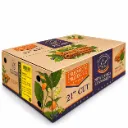
Ceylon Cinnamon 21" | C5 | New Lanka® | Sri Lanka | C-CTN 10KG
Ceylon cinnamon (Cinnamomum verum J. Presl, synonym Cinnamomum zeylanicum), internationally known as true cinnamon, is a spice obtained from the inner bark of the cinnamon tree, recognized for its delicate, sweet aroma, warm flavor with citrus notes, and structure composed of multiple thin layers of rolled bark. Originating from Sri Lanka, formerly Ceylon, and marketed under the New Lanka® brand, it is valued for its artisanal heritage, aromatic quality, and versatility in culinary and industrial applications.
The C5 Continental grade in a 21-inch presentation (approximately 53.3 cm) consists of cinnamon quills produced through the extraction, preparation, and rolling of the tree's inner bark. The C5 classification belongs to the Continental family of grades, characterized by relatively slender quills, good uniformity, and attractive commercial presentation. Unlike cassia cinnamon, Ceylon cinnamon has thinner bark, a multilayered structure, and naturally much lower coumarin concentrations. The 10-kilogram carton (C-CTN) is intended for distributors, restaurants, hotels, food manufacturers, spice companies, and foodservice operations.
Organoleptic Properties
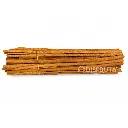
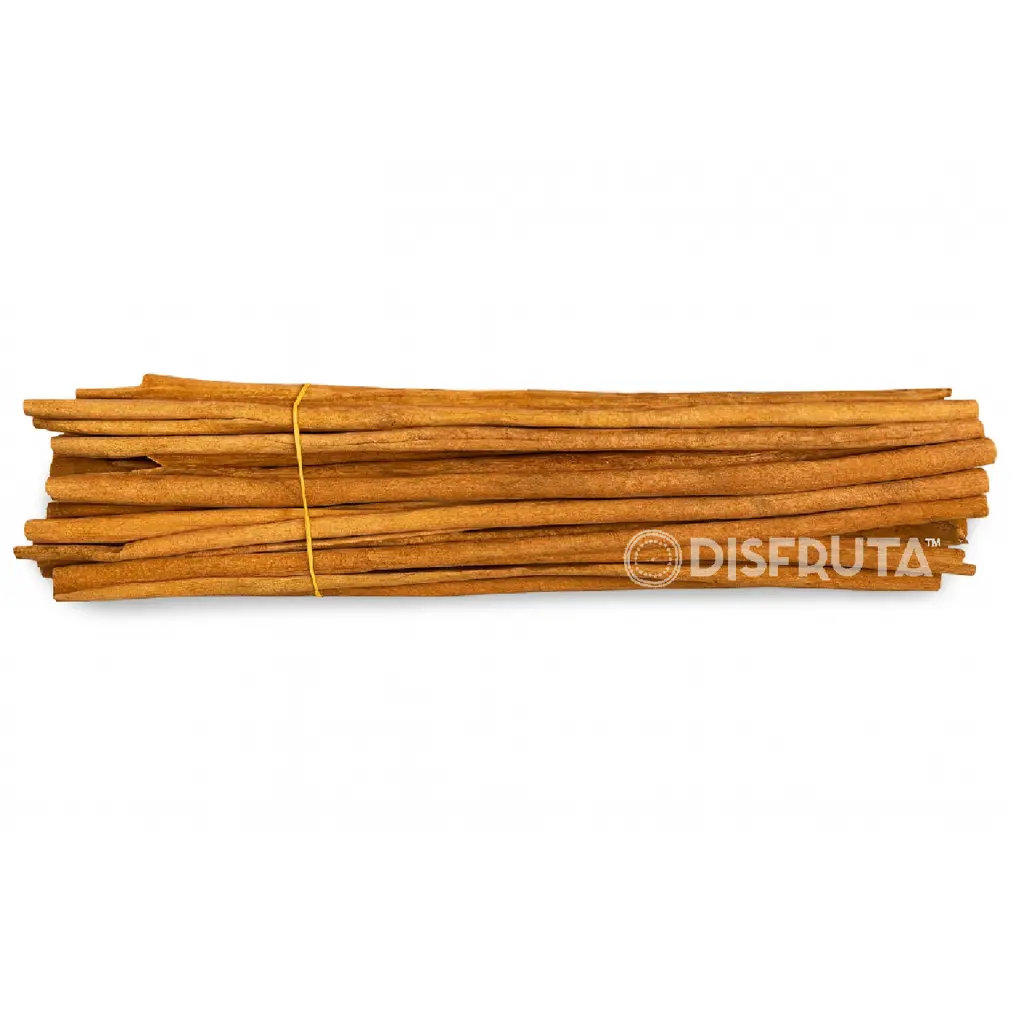
Long quills measuring approximately 21 inches (53.3 cm), with a tubular shape, lightweight structure, and relatively uniform surface. Their characteristic coloration ranges from light golden brown and cinnamon beige to warm brown, depending on drying conditions, bark maturity, and processing methods.
The internal structure consists of numerous thin layers of rolled bark, producing an appearance similar to a small handcrafted cigar. Unlike cassia, which generally has thick, hard bark with a simpler rolled structure, Ceylon cinnamon features thin, delicate, and relatively easy-to-break layers.
Its aroma is sweet, warm, refined, and slightly floral, with notes reminiscent of honey, vanilla, soft wood, and delicate citrus. On the palate, it offers moderate spice intensity, aromatic sweetness, and a warming sensation, with less pungency and astringency than many commercial cassia varieties.
Its aromatic profile is primarily associated with cinnamaldehyde in the bark's essential oils, accompanied by other volatile compounds that contribute to its sensory complexity.
Suggested Uses
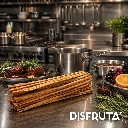
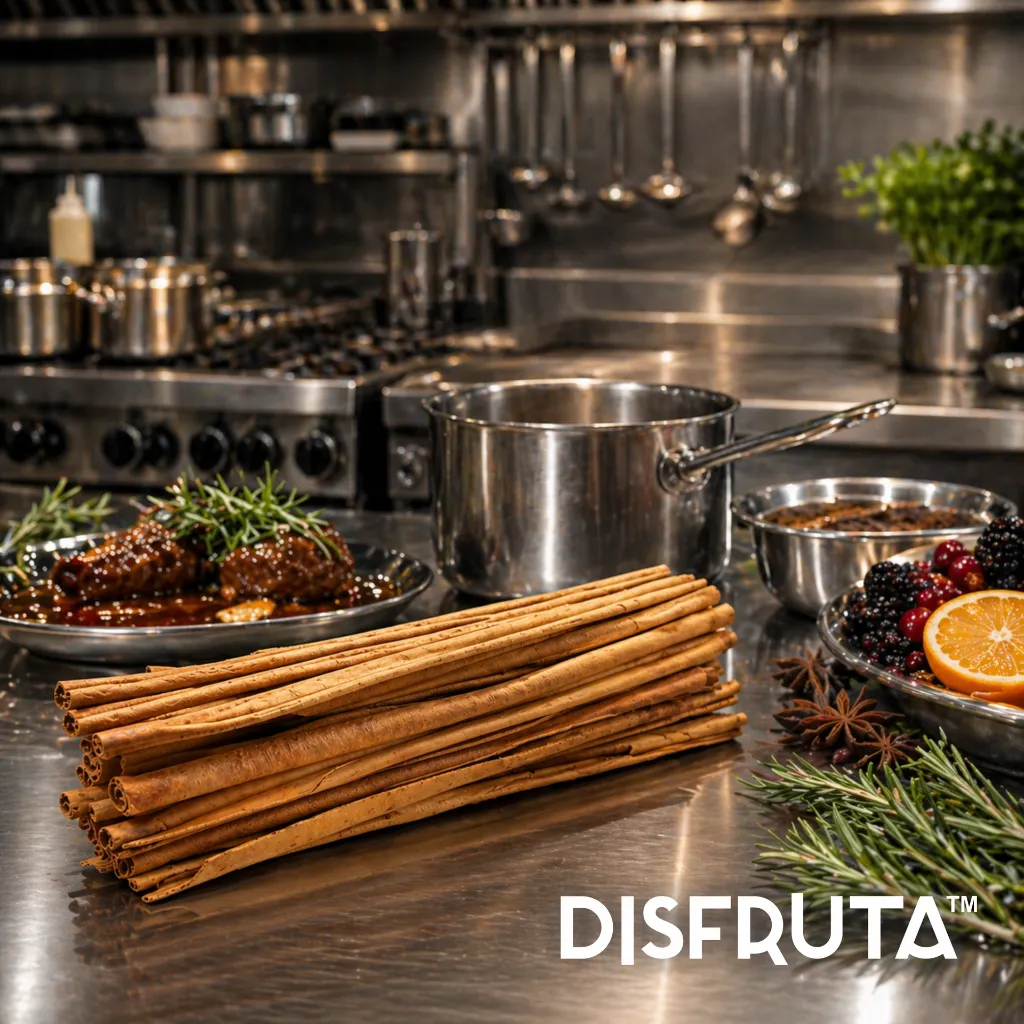
Ideal for infusions, teas, coffee, hot chocolate, spiced beverages, punches, flavored waters, chai, and traditional cinnamon preparations. Its delicate flavor allows balanced aromatic profiles to develop without excessively overpowering other ingredients.
In baking and pastry applications, Ceylon cinnamon can be used in rice pudding, custards, flans, creams, compotes, cakes, tarts, cookies, sweet breads, cinnamon rolls, chocolates, fruit desserts, and confectionery products. The quills can be infused in milk, cream, syrups, or cooking liquids and removed afterward.
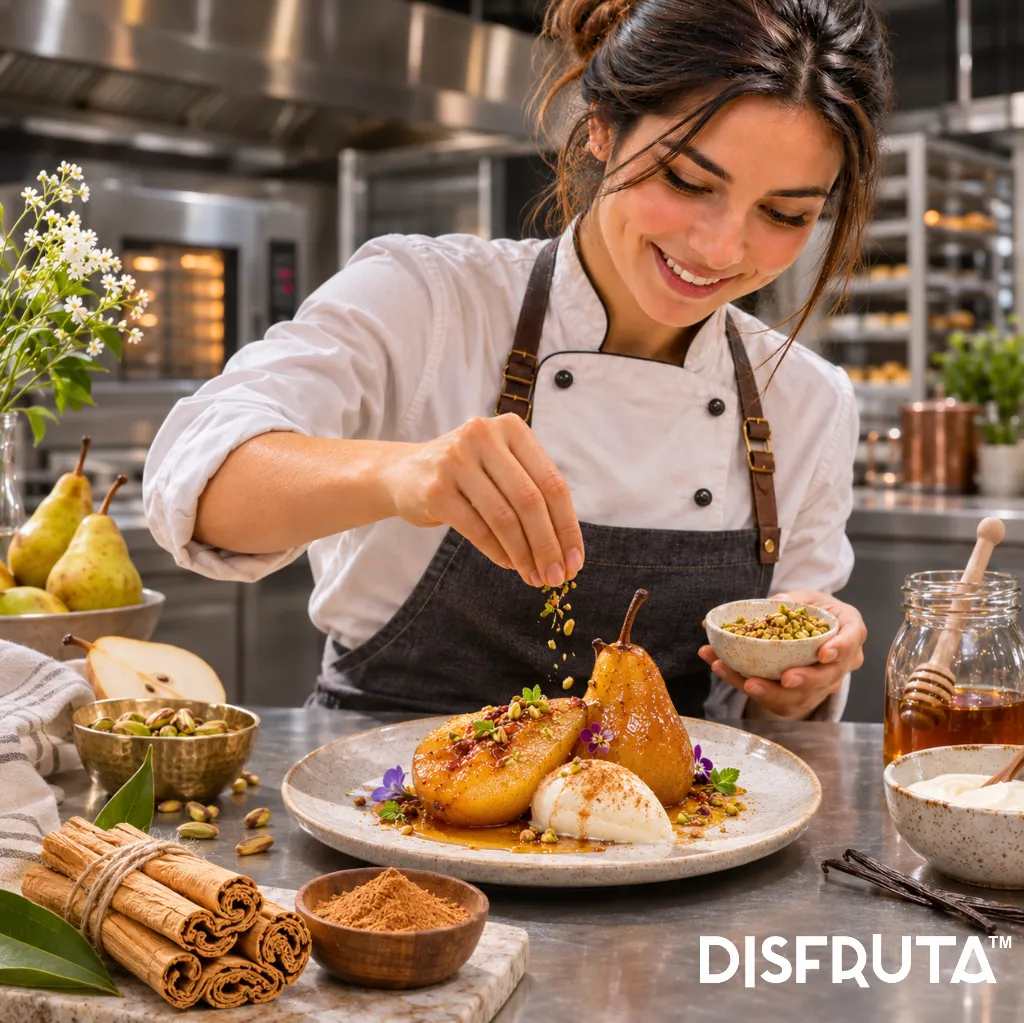
In gourmet cuisine, it pairs particularly well with apples, pears, peaches, apricots, plums, oranges, dark chocolate, vanilla, cardamom, cloves, star anise, ginger, honey, and nuts. It can also be incorporated into savory preparations such as curries, spiced rice, tagines, stews, aromatic sauces, and lamb, chicken, or pork dishes.
For industrial applications, C5 cinnamon can be used in spice blends, ground cinnamon production, infusion products, baked goods, beverages, and seasonings. Its long-quill presentation allows cutting, portioning, or grinding according to production requirements.
For culinary extraction, the quills may be used whole or broken into smaller sections. Infusion time should be adjusted according to the desired aromatic intensity and preparation volume.
Format
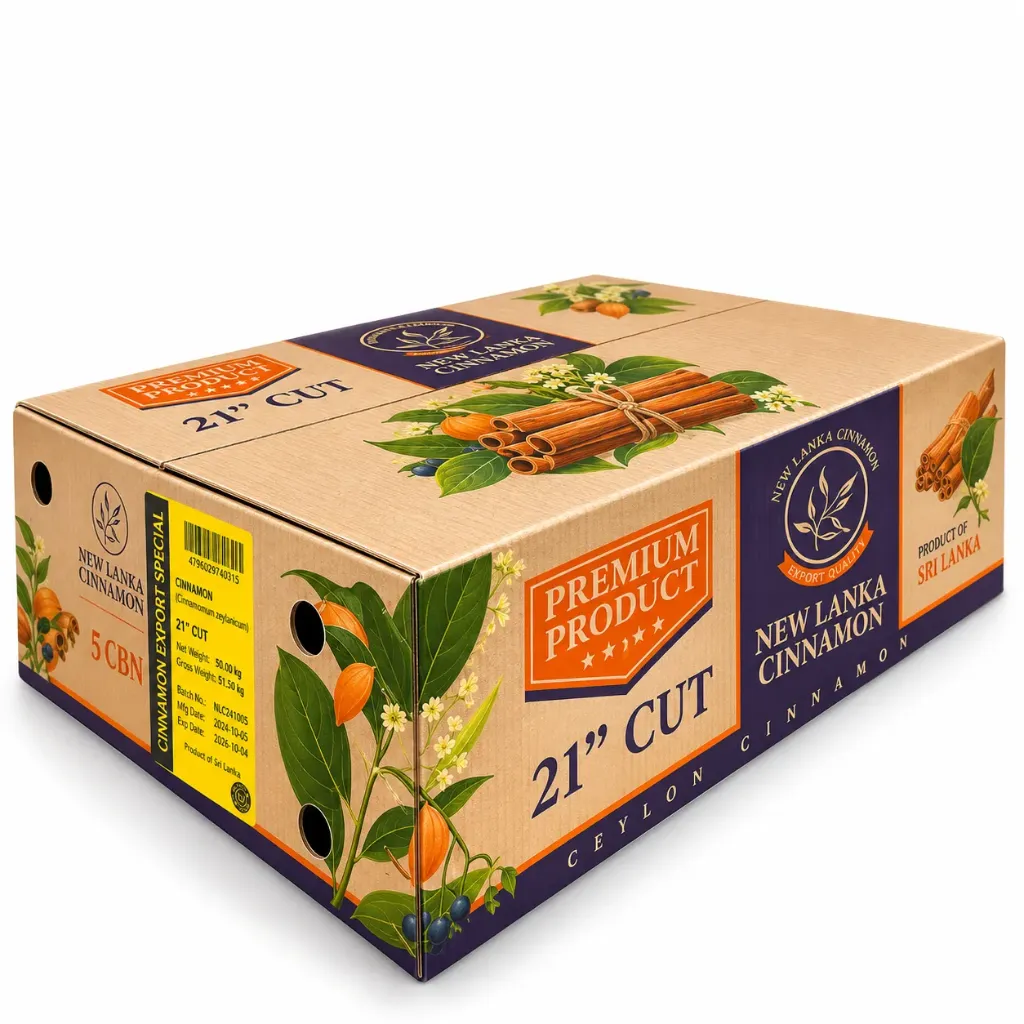
Cardboard carton containing 10 kilograms net weight (C-CTN 10KG). Ceylon cinnamon quills, New Lanka® brand, originating from Sri Lanka.
Commercial length of 21 inches: approximately 53.3 centimeters per quill, subject to the supplier's cutting and conditioning tolerances. This length represents one of the traditional presentations used in Ceylon cinnamon processing and distribution.
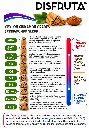
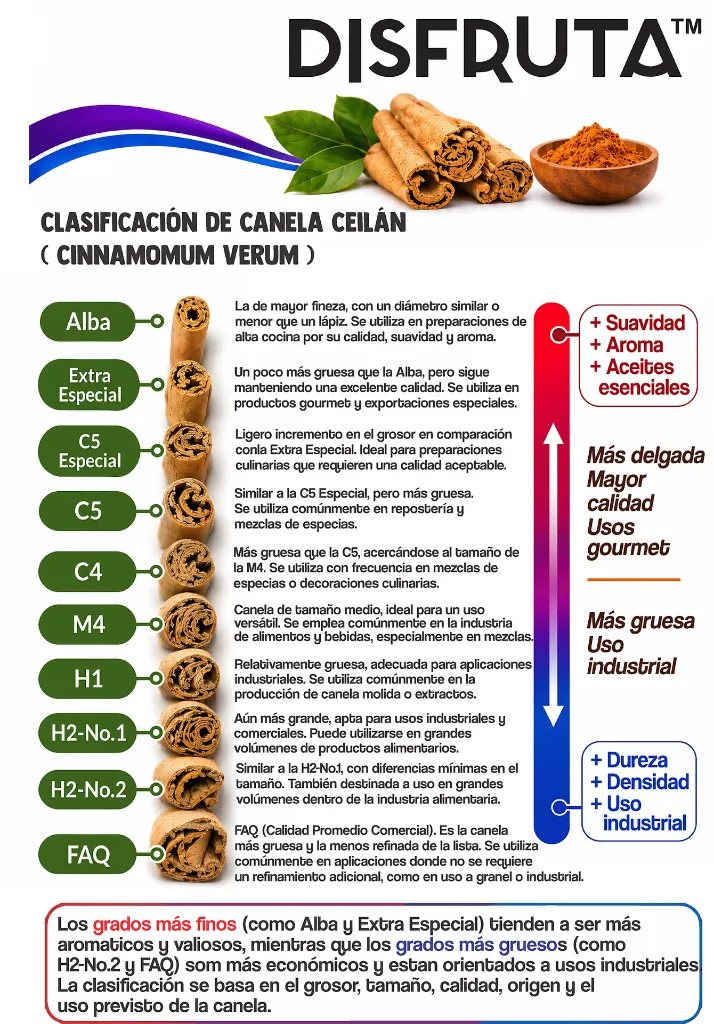
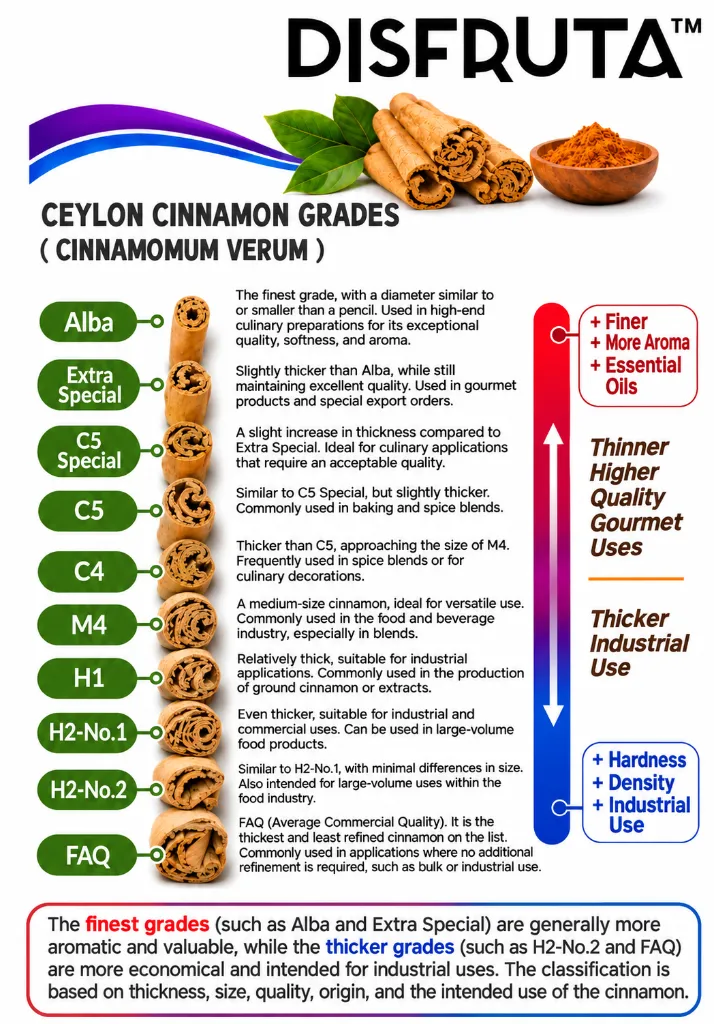
C5 Classification (Continental 5): a commercial Ceylon cinnamon grade belonging to the Continental family. According to the grading table published by Sri Lanka's Department of Cinnamon Development, C5 has a reference maximum quill diameter of 12 mm, a minimum of 27 whole 42-inch quills per kilogram, and up to 15% foxing, a term used to describe certain surface discolorations of the bark. The 27-quill count refers specifically to the standard 42-inch reference length and must not be applied directly to 21-inch quills.
The C5 grade must be distinguished from C5 Special and C5 Extra Special, which represent finer selections within the Continental family. Diameter and appearance determine the commercial grade but do not independently guarantee chemical, microbiological, or food safety characteristics.
The carton contains 10 kilograms net weight of cinnamon quills, without a fixed number of pieces per carton. The actual count depends on diameter, density, length, uniformity, and conditioning characteristics.
Ingredients: 100% dried inner bark of Ceylon cinnamon (Cinnamomum verum). The absence of additives, specific treatments, and any certification claims must be verified through the manufacturer's documentation and individual lot records.
Storage and Handling
Store preferably in a cool, dry, clean, well-ventilated environment protected from direct sunlight, avoiding excessive humidity, condensation, heat sources, and exposure to strong odors.
As a general operational reference, maintain stable ambient conditions, preferably between 15 and 25 °C (59–77 °F), with controlled relative humidity and sufficiently dry surroundings to prevent moisture absorption. These values are indicative and must be adjusted according to the manufacturer's specifications and packaging system.
The quills should be protected by packaging or inner liners with an appropriate barrier against moisture and environmental contaminants. Keep cartons closed when not in use and store them on clean pallets, away from floors and walls, following good storage practices.
During processing, Sri Lanka's Department of Cinnamon Development indicates that prepared cinnamon quills should be dried to a moisture content of 14% or less. This represents a technical processing reference; the contractual moisture limit for the received product must be verified against the specific lot documentation.
Exposure to excessive moisture may encourage mold growth, while heat, light, and prolonged contact with air can gradually reduce the intensity of volatile aromatic compounds.
The specific shelf life must be determined according to the best-before date, moisture content, packaging conditions, and recommendations provided by New Lanka®.
Quality and Selection Criteria
Select cinnamon quills with characteristic golden-brown coloration, a clearly defined sweet aroma, intact tubular structure, and relatively uniform thickness, free from contamination, insect infestation, mold, and foreign odors.
The bark should feature thin, well-rolled layers, with a light and brittle structure. A small amount of fragmentation may naturally occur during transportation and handling; however, breakage should remain within the applicable commercial tolerances.
For the C5 grade, evaluate diameter uniformity, quill length, cleanliness, rolling quality, and the presence of surface discoloration or foxing. These commercial characteristics must be distinguished from possible defects associated with moisture, contamination, or deterioration.
Properly stored Ceylon cinnamon should release a distinctly sweet and spicy aroma when the bark is gently broken, without musty, fermented, chemical, or foreign odors.
Botanical identity should be established through supplier traceability and documentation rather than appearance alone. For large commercial operations, testing may be requested for moisture content, botanical identity, pesticide residues, contaminants, and applicable microbiological parameters.
Season
In Sri Lanka, cinnamon production takes place throughout much of the year due to the country's tropical climate and the perennial nature of the cinnamon tree.
Harvesting and bark peeling are preferably performed when sufficient moisture is present in the plant to facilitate the separation of the inner bark. Different growing regions may experience periods of increased harvesting activity associated with rainy seasons, although schedules vary according to climate, plantation conditions, and agricultural practices.
After harvesting, selected stems undergo scraping, bark separation, rolling, drying, grading, and packaging. These operations require specialized labor and careful control of moisture and cleanliness.
Thanks to appropriate processing and storage, C5 Ceylon cinnamon can be marketed throughout the year, depending on inventory availability, export programs, and production conditions.
Origin
Sri Lanka.
Ceylon cinnamon (Cinnamomum verum J. Presl) belongs to the Lauraceae family, which also includes other aromatic plants such as bay laurel and various species of the genus Cinnamomum. It is native to Sri Lanka and deeply connected to the island's agricultural, cultural, and commercial history.
For centuries, Ceylon cinnamon was one of the most highly valued spices along trade routes connecting Asia, the Middle East, and Europe. Its economic importance contributed to the development of international spice trade and attracted the interest of Arab merchants and, later, European colonial powers.
Sri Lanka, formerly known as Ceylon, offers favorable tropical conditions for the cultivation of this species. Traditional cinnamon-growing areas include Galle, Matara, Kalutara, and Ratnapura, where artisanal bark-processing knowledge has been passed down through generations.
Traditional production involves carefully scraping away the outer bark, separating the inner bark, and manually rolling it into tubular structures known as quills. These quills are filled with smaller strips of similar cinnamon bark and subsequently dried under controlled conditions until they develop their characteristic structure.
A distinguishing feature of Ceylon cinnamon is that its quills contain numerous thin layers of rolled bark, while cassia generally has a thicker and more rigid structure. This difference reflects both the botanical characteristics of the species and their processing methods.
Sri Lankan cinnamon's commercial classification includes different grade families, such as Alba, Continental, Mexican, and Hamburg. Within this nomenclature, the letter C stands for Continental, and the C5 grade identifies a selection with specific diameter, presentation, and visual quality parameters.
Another important difference lies in its aromatic composition. Ceylon cinnamon naturally contains much lower coumarin concentrations than most cassia cinnamon varieties, a characteristic relevant to food ingredient selection. However, it should not be described as completely coumarin-free or assigned therapeutic properties without specific supporting evidence.
In 2022, Ceylon cinnamon received Geographical Indication (GI) recognition in the European Union, strengthening protection of its identity associated with Sri Lanka and its traditional production methods. This recognition does not automatically mean that every commercial lot carries individual certification.
Sri Lanka remains an international reference for Ceylon cinnamon production. The New Lanka® C5 21-inch presentation, packed in a 10-kilogram carton, combines traditional artisanal processing with a commercial format suitable for distributors, manufacturers, and culinary professionals who appreciate its delicate aroma, thin bark, balanced flavor, and culinary versatility.