Green d'Anjou Pear | Premium Harvest® | #70's | Washington | BLK
Green d'Anjou pears (Pyrus communis L.) are a premium European pear variety recognized for their juicy flesh, smooth texture and naturally sweet flavor with delicate floral notes. Grown in Washington, USA, and marketed under the Premium Harvest® brand, they stand out for their characteristic green skin, rounded shape and excellent culinary versatility. Their bulk-per-kilogram presentation (BLK), featuring commercial size #70's, is ideal for supermarkets, fresh produce retailers, restaurants, hotels and foodservice establishments.
Organoleptic Properties
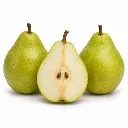
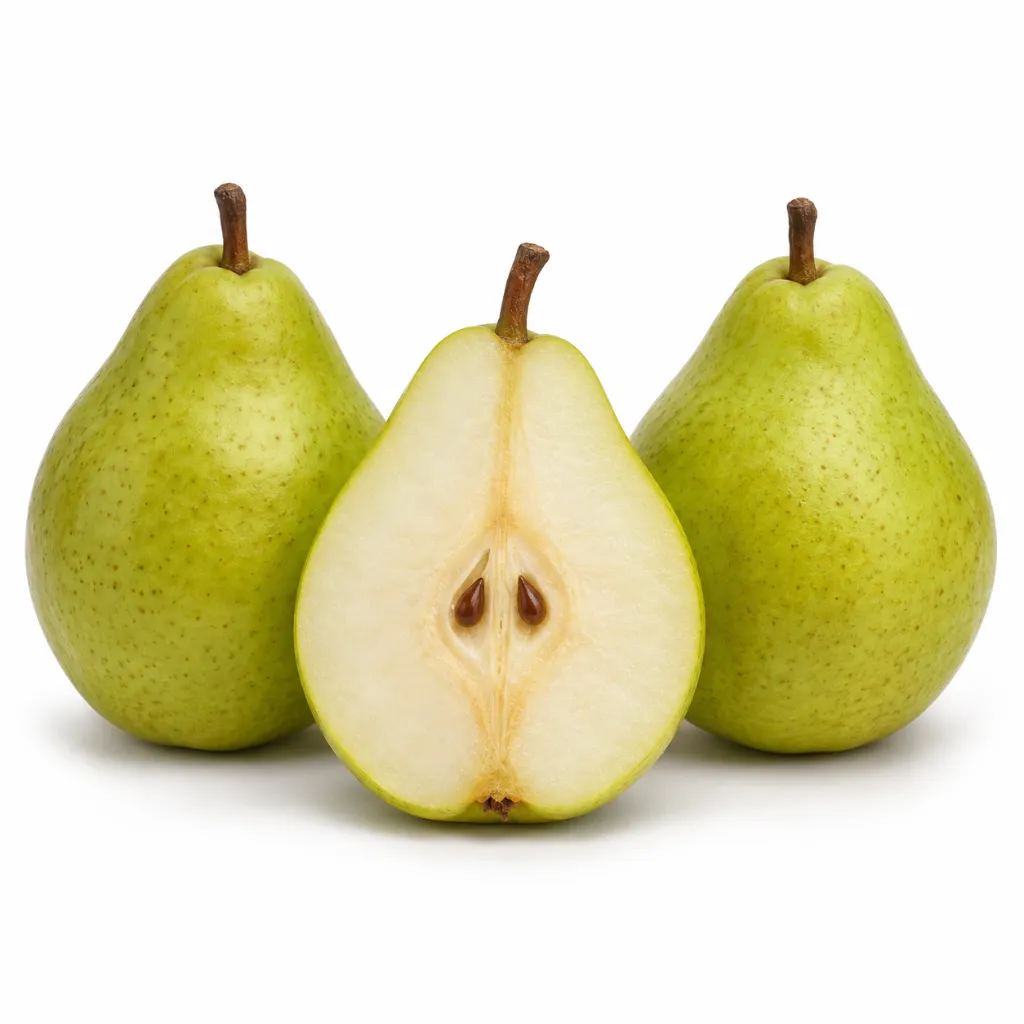
Oval to rounded fruit with a short neck and broad base, characteristic of the d'Anjou variety. The skin is relatively thin and smooth, ranging from light green to yellowish green, generally retaining its green coloration as the fruit ripens. The flesh is white to cream-colored, fine-textured, juicy and initially firm, becoming softer as it reaches eating ripeness. Its flavor is naturally sweet, delicate and well-balanced, with mild acidity and subtle floral notes.
Suggested Uses
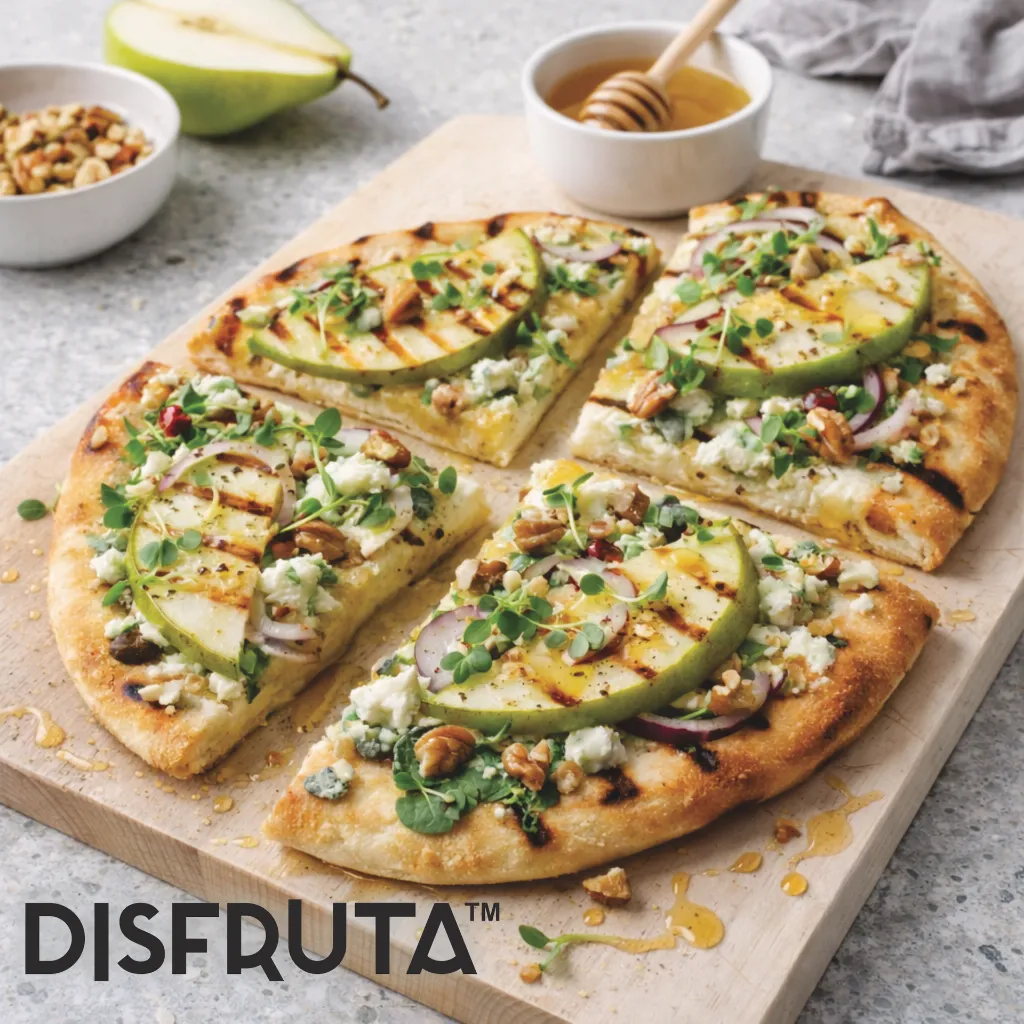
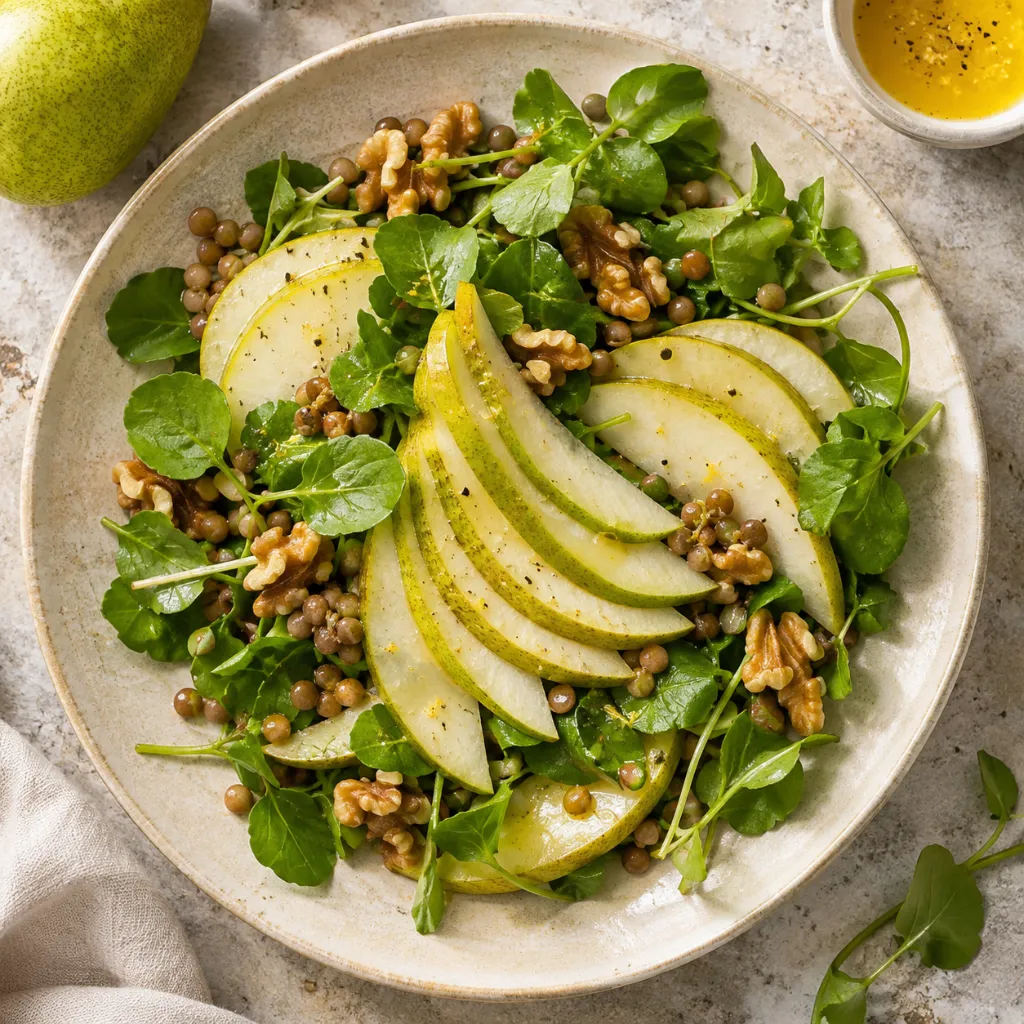
Ideal for fresh consumption, fruit salads, breakfasts, bowls, yogurt, cheese platters and buffets. In baking and pastry applications, Green d'Anjou pears are excellent for tarts, cakes, poached pears, compotes, crumbles, preserves and caramelized desserts. Their flesh maintains a pleasant structure during various cooking methods. They pair particularly well with blue cheese, brie, goat cheese, walnuts, almonds, honey, cinnamon, vanilla and dark chocolate. In savory cuisine, they complement gourmet salads, pork dishes, poultry and sweet-and-savory sauces.
Format
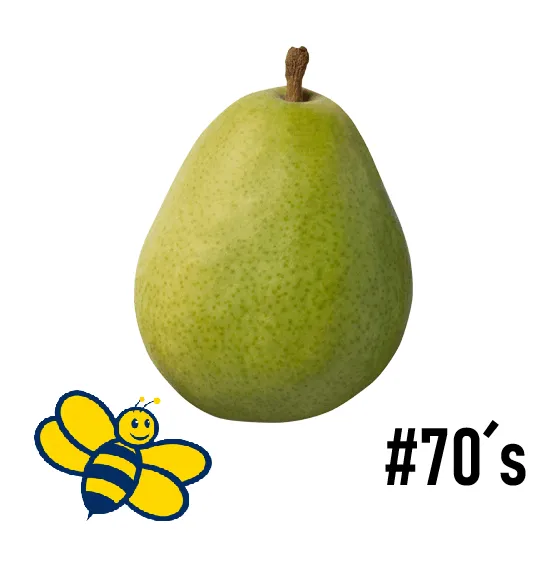
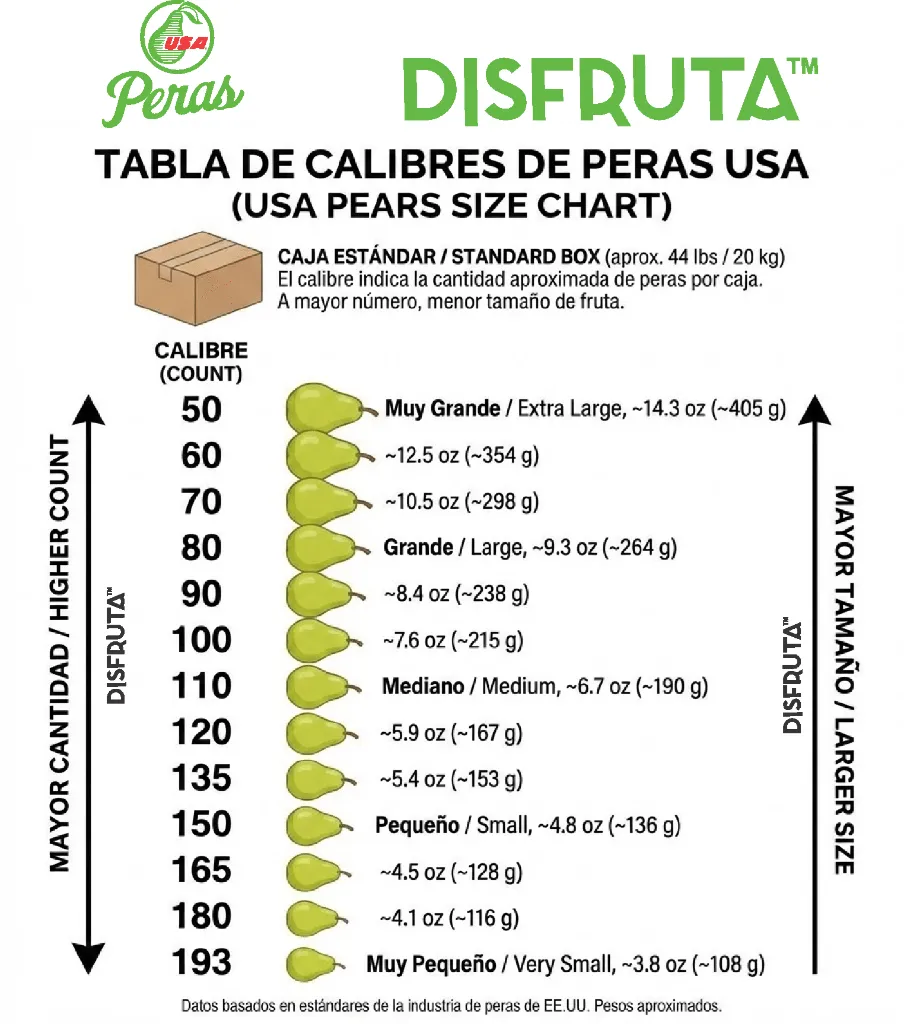
Bulk (BLK) per kilogram. Fresh Green d'Anjou pears, Premium Harvest® brand, originating from Washington, USA. Size #70's: a commercial designation generally corresponding to 70 pears per standard packing carton of approximately 44 lb (19.96 kg). Fruit is sold by weight, allowing customers to purchase their desired quantity without a fixed number of pieces per sales unit.
Storage and Handling
For commercial storage, maintain preferably at -1 to 0 °C (30–32 °F) and 90–95% relative humidity, preserving a consistent cold chain. Avoid impacts, excessive compression and prolonged heat exposure. For home ripening, keep pears at room temperature until the desired texture develops, then refrigerate. Green d'Anjou pears are climacteric fruits, meaning they continue ripening after harvest. Eating ripeness can be identified by gentle softness near the stem end, without requiring a noticeable change in skin color.
Quality and Selection Criteria
Select pears with uniform green skin, good firmness, characteristic shape and intact surfaces, without mold, decay, severe bruising or dehydration. For immediate consumption, choose fruit that yields slightly to gentle pressure near the neck; for storage, select firmer pears. The flesh should offer abundant juiciness, fine texture and characteristic sweet flavor. Size #70's supports a consistent and attractive commercial presentation.
Season
In Washington, Green d'Anjou pears are generally harvested during September and October, in the Northern Hemisphere fall season. Thanks to their excellent cold-storage characteristics and established postharvest handling practices, they maintain broad commercial availability throughout much of the year, particularly from fall through spring.
Origin
United States — Washington.
The European pear (Pyrus communis) has botanical origins associated with regions of Europe and Western Asia, where pear cultivation developed over many centuries. The d'Anjou variety, also known as Beurré d'Anjou, is historically associated with France and became widely appreciated for both fresh consumption and culinary applications.
An interesting fact is that, unlike many other fruits, Green d'Anjou pears do not undergo a dramatic skin-color change as they ripen. For this reason, one of the traditional methods for determining eating ripeness is to gently check the firmness near the stem.
The state of Washington, particularly its agricultural valleys and growing regions near the Cascade Mountains, provides favorable conditions for pear production. Sunny days, cool nights and advanced storage systems help produce pears appreciated for their juiciness, balanced flavor and consistent commercial quality.