Diamante Peach | #SX | Michoacán | BLK
The Diamante peach (Prunus persica L.) is a yellow-fleshed peach cultivar recognized for its firm flesh, naturally sweet flavor balanced by pleasant acidity, and characteristic fruity aroma. Grown in Michoacán, Mexico, it stands out for its attractive yellow coloration, fleshy texture and versatility for both fresh consumption and culinary preparations. Its commercial size #SX selection, marketed in bulk, is particularly suitable for fresh produce retailers, restaurants, hotels and professional foodservice.
An important characteristic of Diamante is its low winter chilling requirement, which supports cultivation in certain high-altitude subtropical growing regions. The cultivar originated in Brazil and was subsequently introduced into several peach-producing areas of Mexico.
Organoleptic Properties
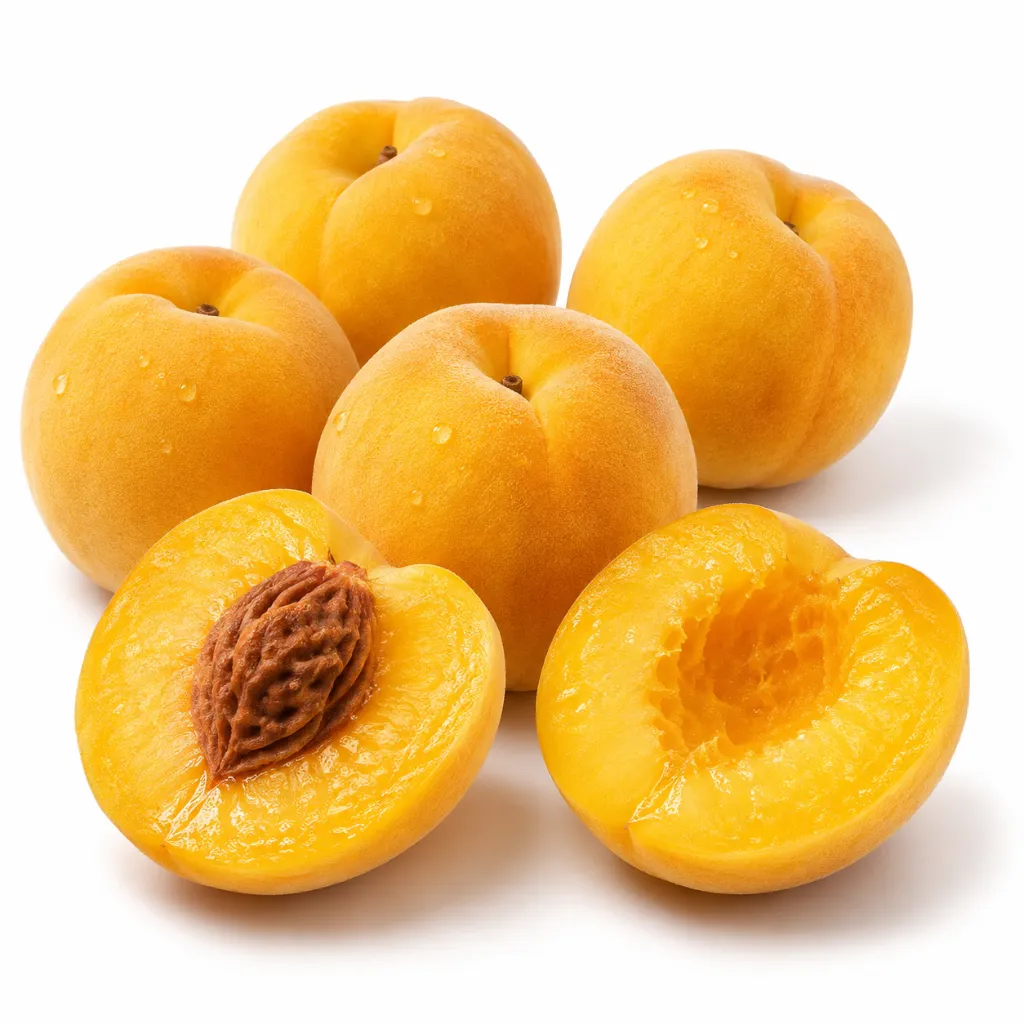
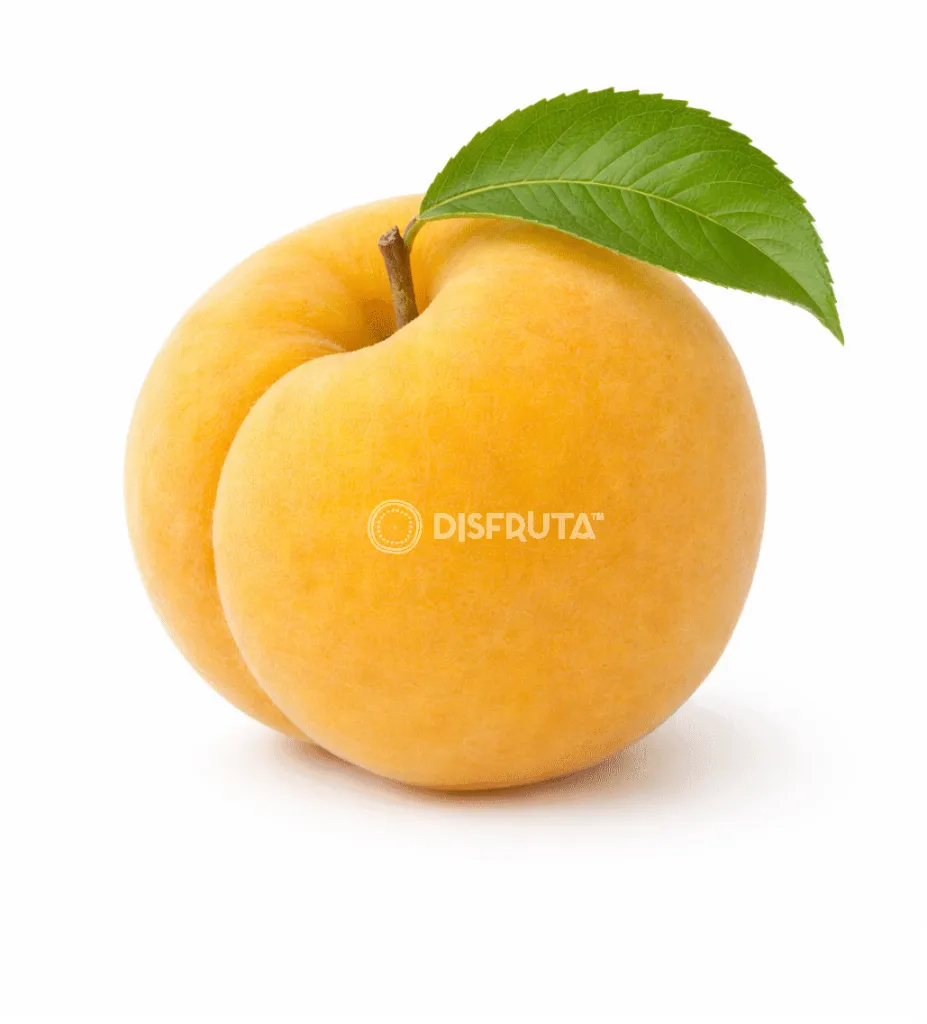
Round to slightly oval fruit with a characteristic longitudinal suture and skin ranging from yellow to golden yellow, sometimes displaying subtle orange tones according to sunlight exposure and maturity. Its surface has the delicate velvety fuzz typical of peaches.
The flesh is yellow, firm, fleshy and juicy, offering natural sweetness, pleasant acidity and fresh, delicately floral fruit notes. Diamante is a clingstone peach cultivar, meaning the pit remains attached to the flesh. Agronomic references describe fruit weighing approximately 90–150 g, although actual size depends on harvest conditions and commercial selection.
Suggested Uses
Ideal for fresh consumption, fruit salads, snacks, bowls, yogurt, oatmeal, smoothies and seasonal desserts. Its firm flesh provides attractive slices and cubes when the fruit reaches appropriate eating maturity.
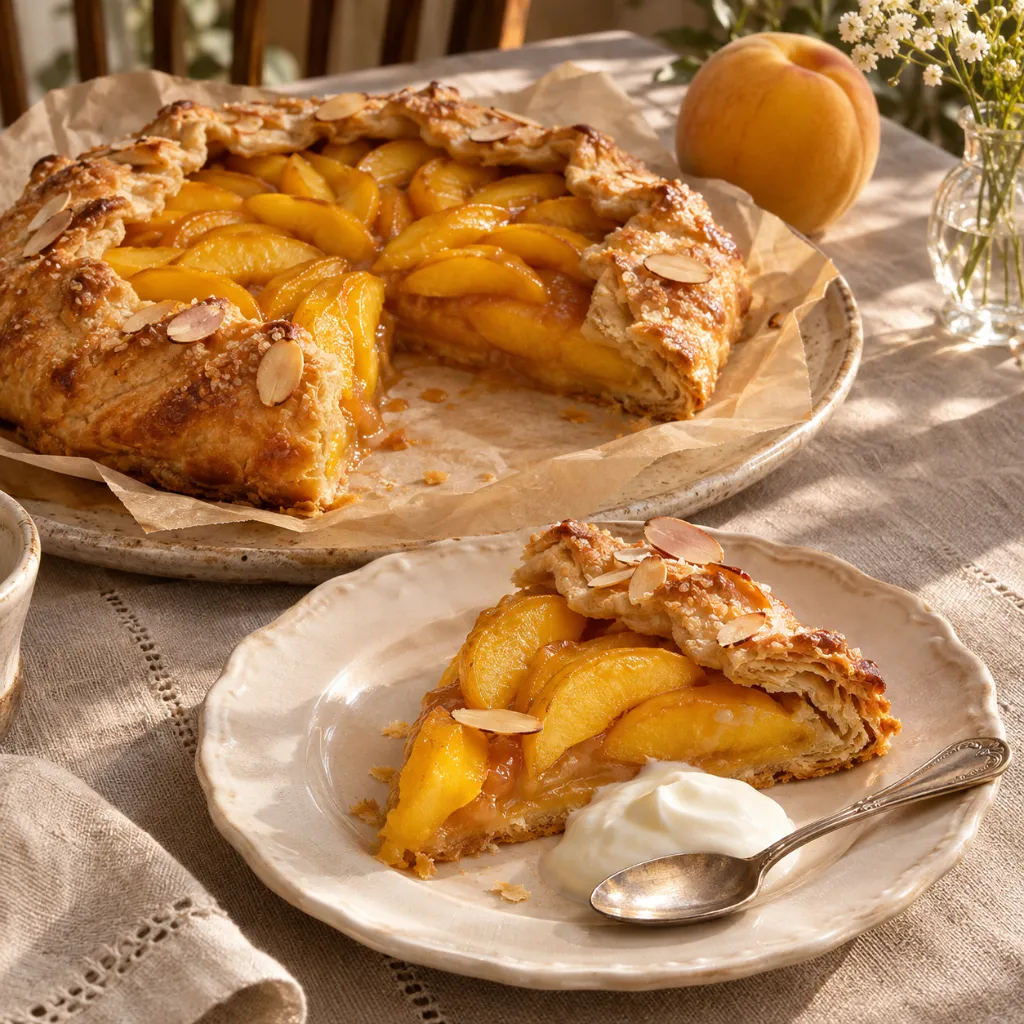
In baking and pastry applications, Diamante is particularly suitable for tarts, pies, galettes, crumbles, cakes, compotes, jams and peaches in syrup. It can also be roasted, sautéed or caramelized and served with ice cream, cream, honey or nuts.
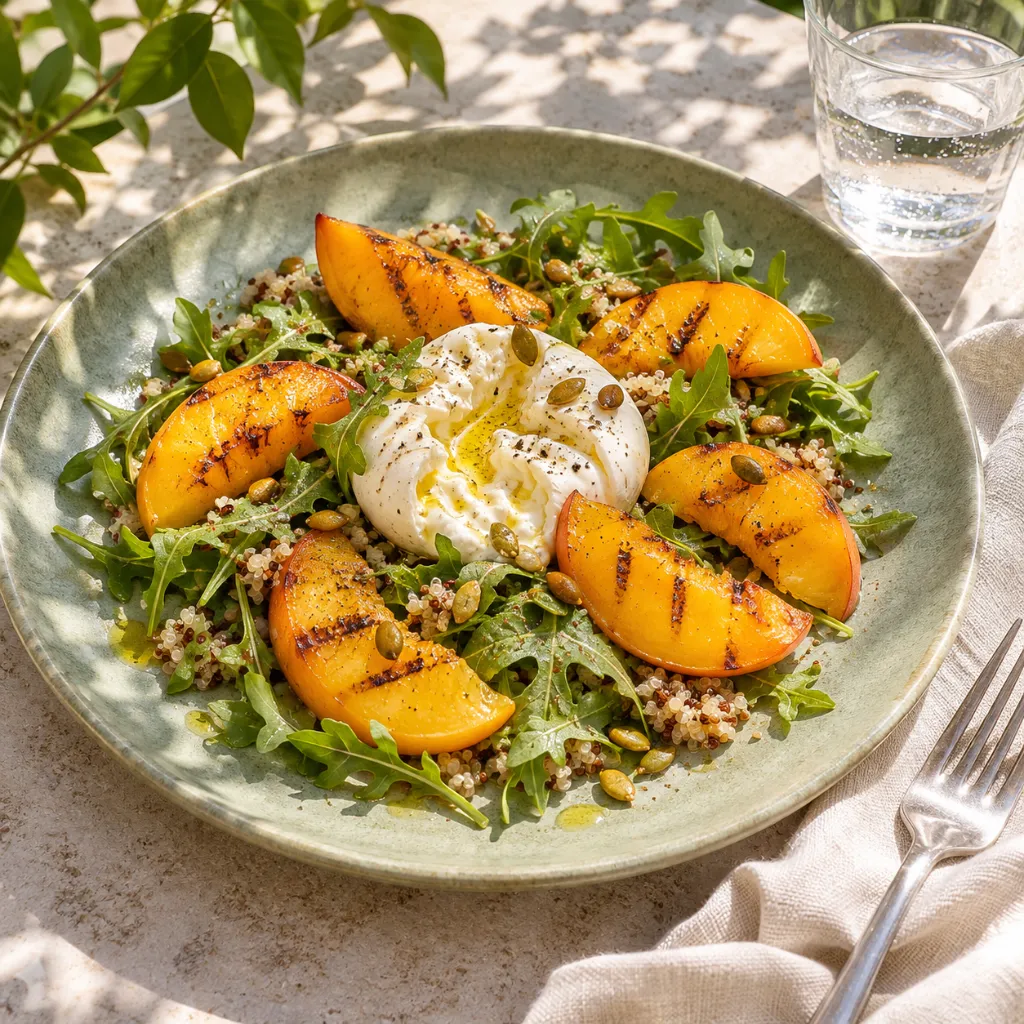
In contemporary cuisine, it pairs well with goat cheese, burrata, Serrano ham, pecans, almonds, basil, rosemary and balsamic vinegar. Its natural sweetness also complements sauces for poultry and pork. Because the pit is attached to the flesh, it should be carefully removed when preparing wedges or ready-to-serve portions.
Format
Bulk (BLK) per kilogram. Fresh Diamante peaches grown in Michoacán, Mexico, commercially selected under the size #SX designation.
This designation identifies the lot's commercial size classification. The corresponding fruit diameter, individual weight and size range should be confirmed against the packer's sizing chart, since SX does not independently establish a universally standardized diameter.
When marketed in bulk, peaches are sold by weight while retaining their original size classification. The number of pieces per kilogram may vary according to harvest conditions and commercial selection.
Storage and Handling
For commercial storage, maintain preferably at approximately -1 to 0 °C (30–32 °F) and 90–95% relative humidity, preserving a consistent cold chain. Peaches are climacteric fruits, meaning they continue ripening after harvest and respond to ethylene.
Avoid impacts, excessive compression, dehydration and temperature fluctuations. Prolonged storage at intermediate temperatures, approximately 2–8 °C (36–46 °F), may encourage physiological disorders such as mealiness, internal browning and flavor loss.
For household consumption, allow firm fruit to ripen at room temperature. Once the desired softness is reached, refrigerate and consume promptly. Handle carefully to preserve skin and flesh integrity.
Quality and Selection Criteria
Select fruit that is well developed, uniformly shaped, intact-skinned and characteristically yellow, without severe bruising, injuries, mold or decay. Flesh should retain appropriate firmness, juiciness and a pleasant sweet aroma, without mealiness, fermentation or internal browning.
A peach ready for immediate consumption should yield slightly to gentle pressure, without feeling watery or excessively soft. The absence of strong green tones in the background skin color can help assess maturity, although external coloration should always be interpreted according to cultivar characteristics.
Season
Diamante is a cultivar adapted to growing areas with low winter chilling requirements, estimated at approximately 200–300 chilling hours in agronomic references. In Michoacán, its harvest is primarily associated with May and June, although exact dates vary according to altitude, weather and orchard management.
The broader peach harvest season in Michoacán may begin earlier and extend into other months, but this should not be confused with Diamante's specific harvest period.
Origin
Mexico.
The peach (Prunus persica) originated botanically in China, where it has been cultivated for thousands of years. It later spread through Western Asia and Persia, from which the scientific name persica derives, before expanding into Europe and the Americas.
The Diamante cultivar, however, has a distinctive history: it originated in Brazil and was introduced into Mexico for cultivation in regions including Michoacán, Estado de México and Puebla. Its main agronomic advantage is its ability to grow with lower winter chilling requirements than many traditional temperate-climate peach cultivars, expanding production opportunities in high-altitude subtropical areas.
Another distinctive characteristic is that Diamante has a clingstone pit, unlike freestone peach cultivars whose pits separate more readily from the flesh. This combination of yellow flesh, good firmness and adaptation to specific growing conditions has made it part of Mexico's diverse commercial peach production.