Dried Apricots | C #02 | Akdaglar® | Uzbekistan | BLK
Dried apricots (Prunus armeniaca L.), marketed under the Akdaglar® brand, are appreciated for their naturally sweet flavor, delicate fruity acidity, soft and fleshy texture, and distinctive aroma. Sourced from Uzbekistan, a Central Asian country with a long tradition of apricot cultivation and drying, these dried fruits are valued for their culinary versatility and naturally concentrated sugars, dietary fiber and minerals such as potassium.
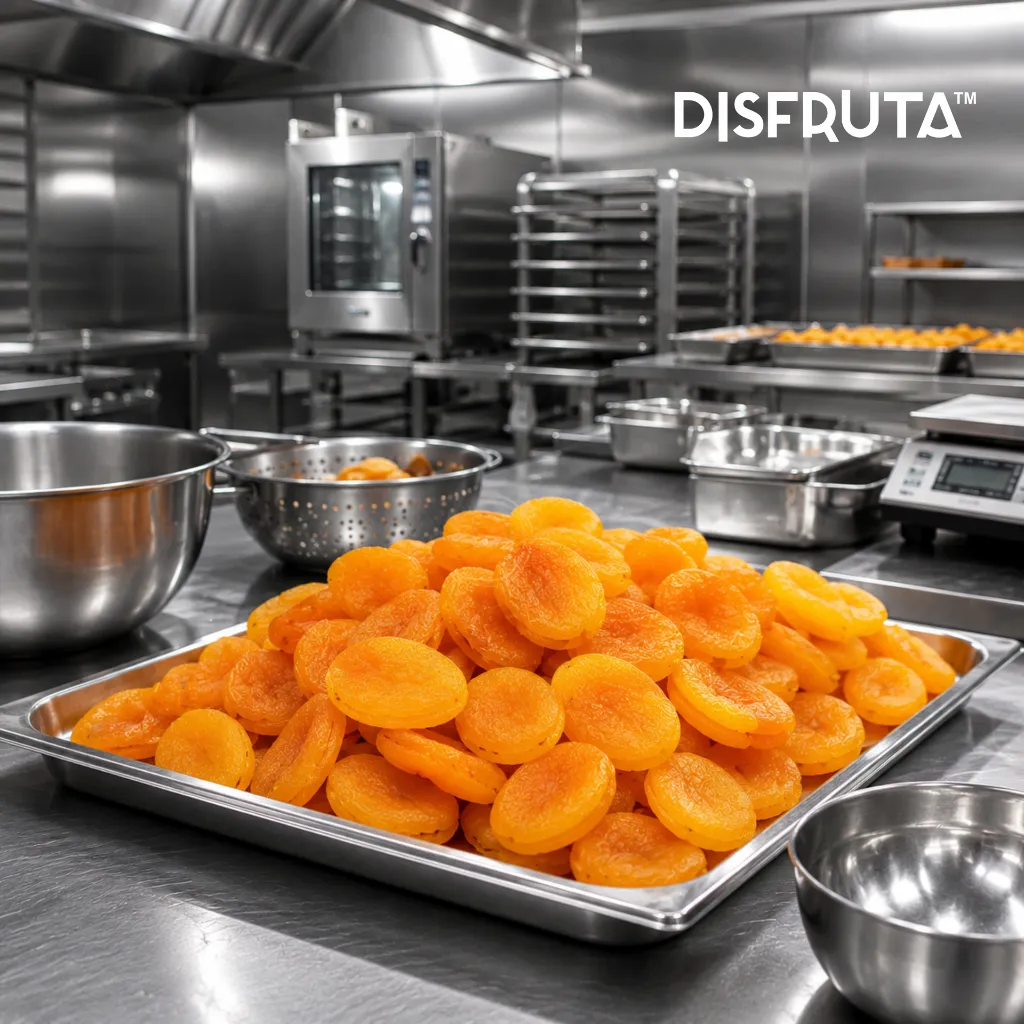
During dehydration, a significant portion of the fruit's natural moisture is removed, concentrating its flavor while extending its storage potential. Depending on the apricot variety, drying method and use of preservatives, its color may range from golden yellow and vibrant orange to amber and brown.
Available in a bulk-per-kilogram format (BLK) under commercial designation C #02, this product is suitable for supermarkets, dried fruit retailers, bakeries, confectionery businesses, restaurants, hotels and specialized foodservice establishments.
Organoleptic Properties
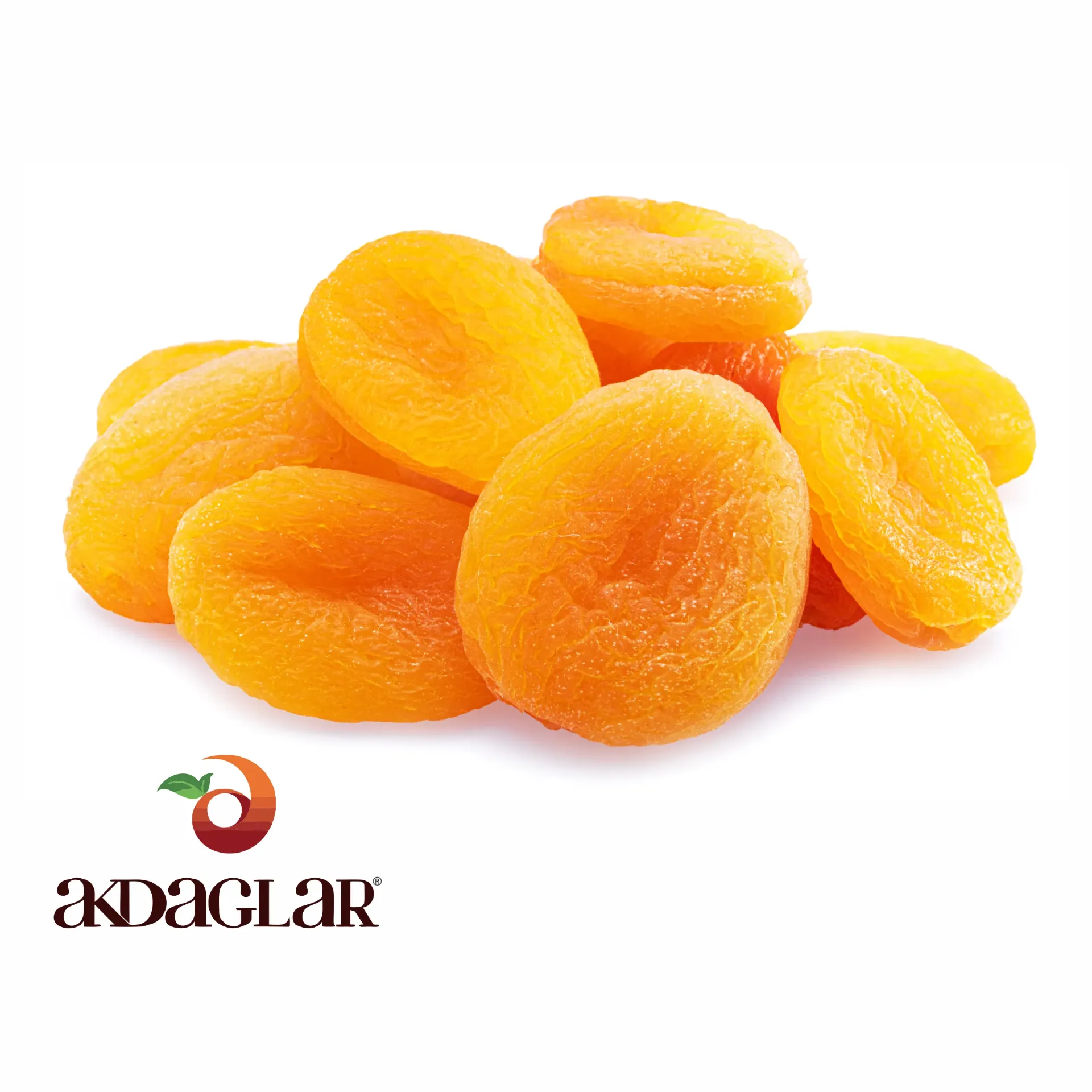
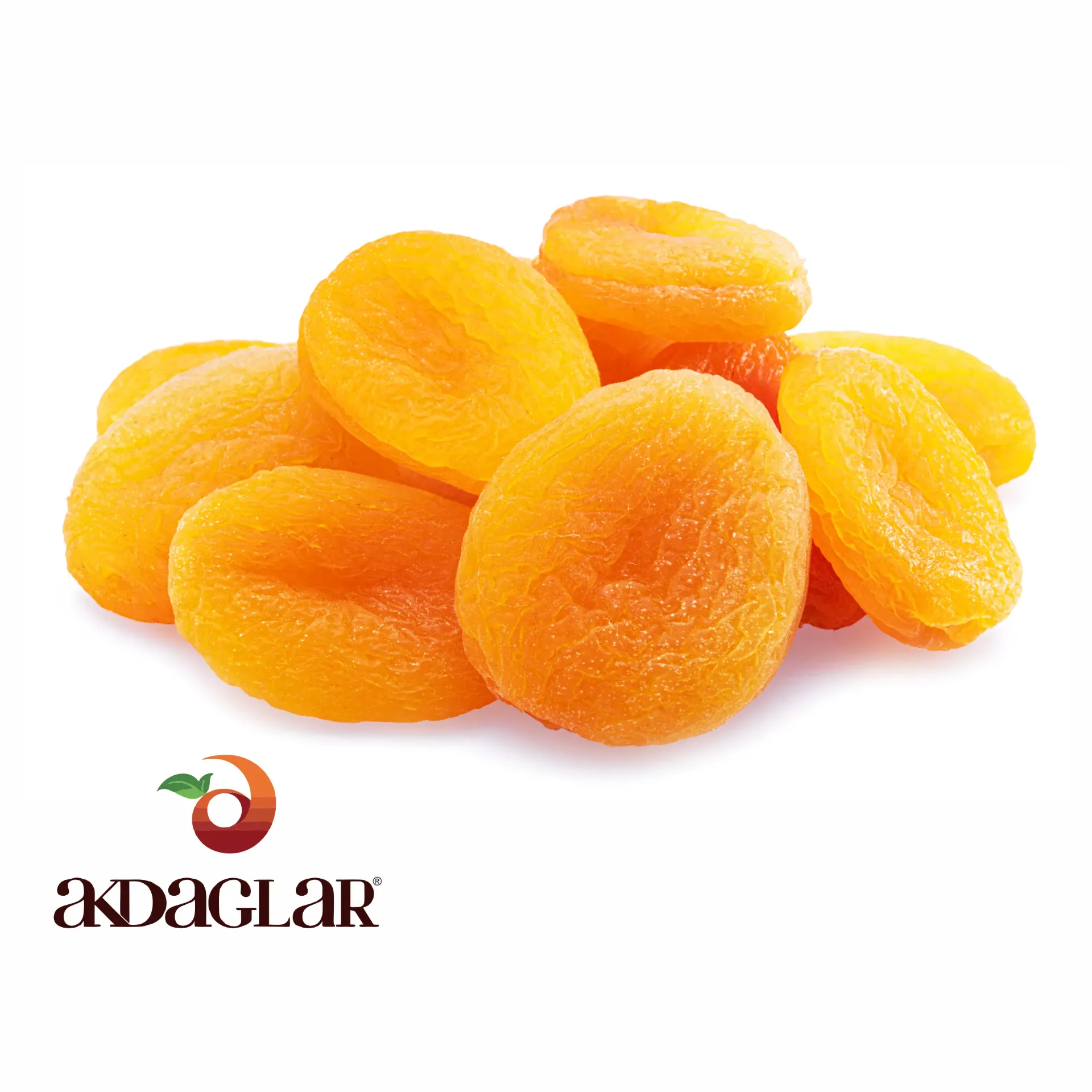
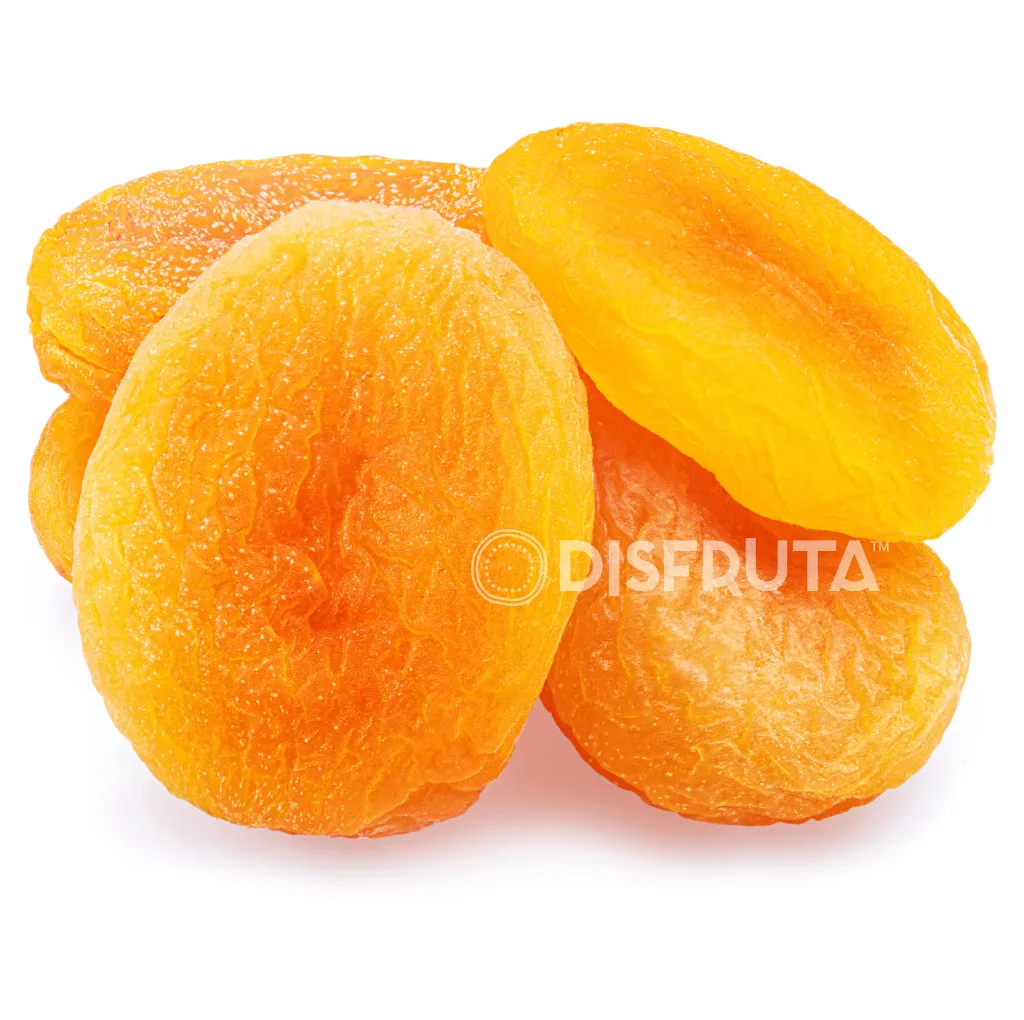
Oval to slightly rounded dried fruit, commonly presented as pitted halves, with a naturally wrinkled surface and characteristic folds resulting from moisture reduction. Its appearance may range from golden orange to deep amber, depending on the specific processing characteristics.
The flesh offers a soft, flexible, fleshy and pleasantly chewy texture, typical of high-quality dried fruit. Its flavor combines concentrated natural sweetness with delicate fruity acidity, featuring aromatic notes reminiscent of ripe apricots, honey and stone fruits.
Compared with fresh apricots, the reduced moisture content creates a denser consistency and greater flavor intensity. Color, softness and moisture levels may vary between production batches and according to the preservation methods employed.
Suggested Uses
Ideal for direct consumption as a snack, trail mixes, granola, cereals, oatmeal, yogurt, healthy bowls and energy bars. Their natural sweetness makes dried apricots a versatile ingredient for breakfasts, snacks and contemporary health-conscious cuisine.
In baking and pastry applications, they can be incorporated into artisan breads, muffins, cookies, cakes, tarts, loaf cakes, chocolates, confectionery fillings and mixed dried fruit preparations. They may also be rehydrated and processed into compotes, purées, jams, sauces, coulis and pastry fillings.
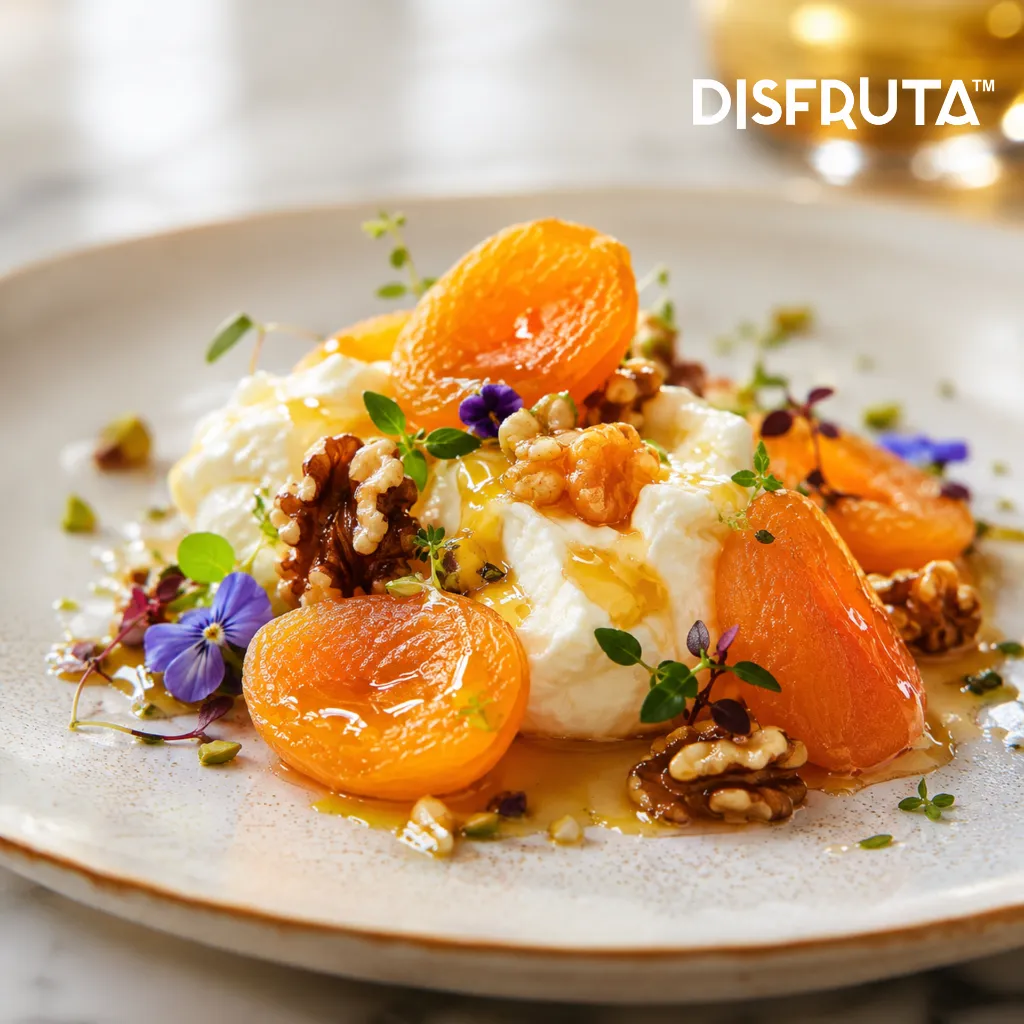
In gourmet cuisine, dried apricots pair particularly well with aged cheeses, goat cheese, walnuts, almonds, pistachios, hazelnuts, dark chocolate, honey, cinnamon, cardamom and vanilla.
For savory dishes, they can be used in sweet-and-sour sauces, chutneys, salads, couscous, aromatic rice dishes, tagines and accompaniments for poultry, pork and lamb.
Their moisture-absorbing properties allow them to be rehydrated in water, infusions, fruit juices or cooking liquids, restoring part of their softness and making them easier to incorporate into various culinary preparations.
Format
Bulk (BLK) per kilogram. Dried apricots, Akdaglar® brand, with declared commercial origin in Uzbekistan.
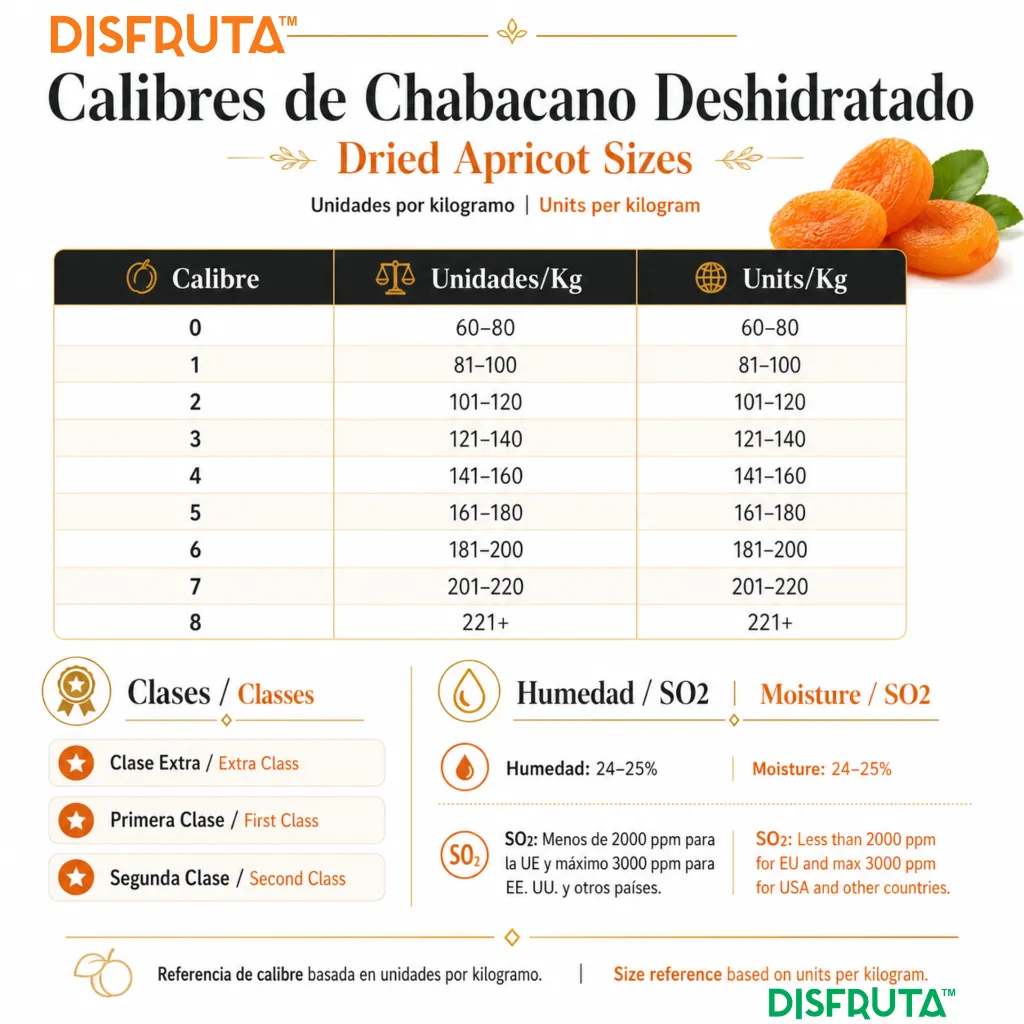
Classification C #02: a product-specific commercial designation. Its exact correspondence to fruit size, number of pieces per kilogram or quality grade must be verified against the supplier's technical specifications. It should not automatically be interpreted as equivalent to the USDA Grade C classification.
The product is sold by weight, allowing customers to purchase their desired quantity without a fixed number of pieces per sales unit. This format facilitates handling, retail merchandising, professional kitchen applications and food manufacturing.
Natural variations in fruit size, color and flexibility may occur. For precise commercial specifications, it is advisable to verify moisture content, permitted defects, batch uniformity, cutting style and the presence or absence of preservatives.
Storage and Handling
For extended commercial storage, keep dried apricots in a cool, dry, clean, dark and odor-free environment, under controlled temperature and humidity conditions.
As a technical reference for dried apricots, storage temperatures of approximately 5–12 °C (41–54 °F) and ambient relative humidity of 40–70% may be used, provided the product is properly packaged and these conditions comply with its specifications. Lower temperatures within this range are preferable when preserving color and sensory quality is a priority.
Avoid direct sunlight, excessive heat, high humidity, condensation and sudden temperature fluctuations. Use appropriately sealed, moisture-resistant packaging and keep containers tightly closed after opening.
Excessive moisture absorption may encourage yeast and mold development, while elevated temperatures accelerate browning, aroma deterioration and overall quality loss.
When sulfur dioxide (SO₂) treatments are used, they may help preserve the fruit's orange coloration and reduce certain deterioration reactions. The presence and concentration of sulfites must be confirmed through the manufacturer's technical documentation.
For household storage, place dried apricots in an airtight container in a cool, dry location. Refrigeration may help preserve quality in warm or humid environments.
The product's specific shelf life must be determined according to the manufacturer's labeling, expiration date, packaging system and recommended storage conditions.
Quality and Selection Criteria
Select dried apricots with a reasonably uniform appearance, pleasant fruity aroma, flexible texture and intact surfaces, free from visible contamination, pest infestation, excessive moisture or deterioration.
The product should display coloration consistent with its processing method, without mold, abnormal wet areas or fermented, rancid or unpleasant odors.
A desirable texture is soft and pleasantly chewy, without excessive hardness or unusual stickiness resulting from improper storage conditions.
Bright-orange coloration does not necessarily indicate superior quality, as it may be associated with preservation treatments. Unsulfured dried apricots commonly develop darker brown tones through natural oxidation processes.
.
Commercial classification C #02 should be verified against the applicable supplier specifications, considering fruit size, uniformity, flesh characteristics and permitted defect tolerances
Season
In Uzbekistan, the fresh apricot harvest generally takes place between June and July, with variations depending on the growing region, weather conditions and cultivated varieties.
Following harvest, apricots intended for drying undergo selection, preparation, dehydration and conditioning.
Thanks to their reduced moisture content and appropriate storage practices, dried apricots may be available throughout the year, independently of the relatively short fresh-fruit harvesting season.
New-crop dried apricots generally enter commercial distribution during summer and subsequent months, depending on processing, grading, packaging and export schedules.
Origin
Uzbekistan.
The apricot (Prunus armeniaca L.) belongs to the Rosaceae family, which also includes peaches, plums, cherries, apples and pears. Its early domestication and geographical expansion are closely associated with Central Asia and other regions of Asia, where apricots have been cultivated for thousands of years.
Although its scientific name refers to Armenia, the botanical and agricultural history of the apricot extends across several Asian regions and ancient trade routes connecting Asia with Europe.
Located in the heart of Central Asia, Uzbekistan offers favorable climatic conditions for stone-fruit cultivation. Warm summers, abundant sunlight and established agricultural traditions have supported the development of apricot production, drying and commercial distribution.
Important Uzbek agricultural regions associated with fruit cultivation include the Fergana Valley, Samarkand and other irrigated growing areas.
Traditional sun-drying techniques coexist with modern controlled dehydration methods designed to improve product uniformity, food safety and commercial quality.
An interesting culinary fact is that Central Asian dried apricots have different traditional names depending on their preparation. For example, bargak refers to pitted dried apricot halves, while kaisa describes whole dried apricots from which the stone has been removed.
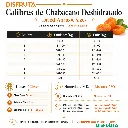
From a nutritional perspective, dried apricots provide dietary fiber, potassium and carotenoids, including compounds associated with provitamin A activity. As water is removed during dehydration, naturally occurring sugars and calories become more concentrated per 100 grams compared with fresh apricots.
Uzbekistan maintains a longstanding tradition of dried fruit production and trade. Dried apricots are particularly appreciated for their concentrated sweetness, pleasant chewy texture, culinary versatility and extended storage potential, making them a valuable ingredient for gourmet cuisine, baking, confectionery and the food industry.