Sweet Granadilla | Colombian Variety | Chiapas | BLK
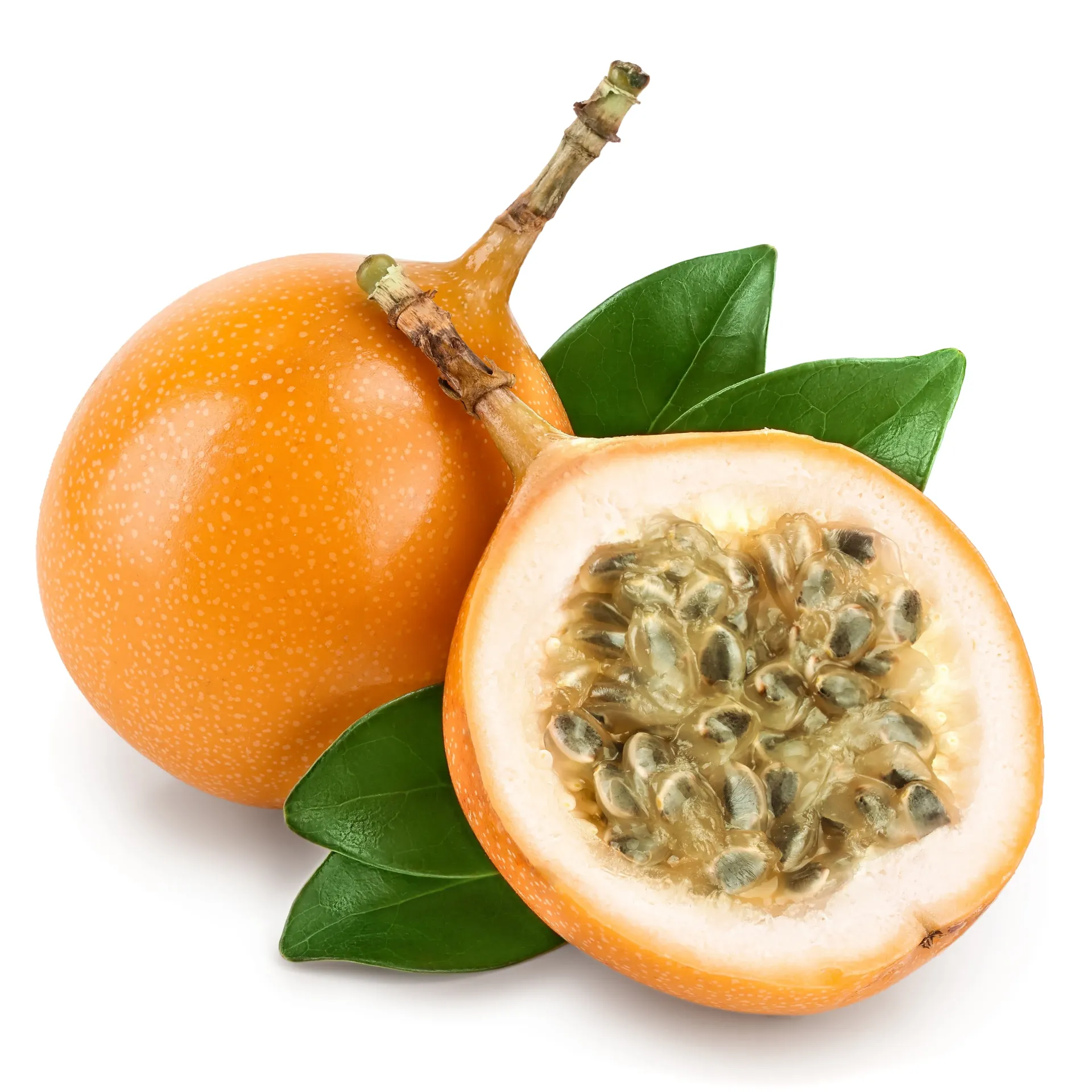
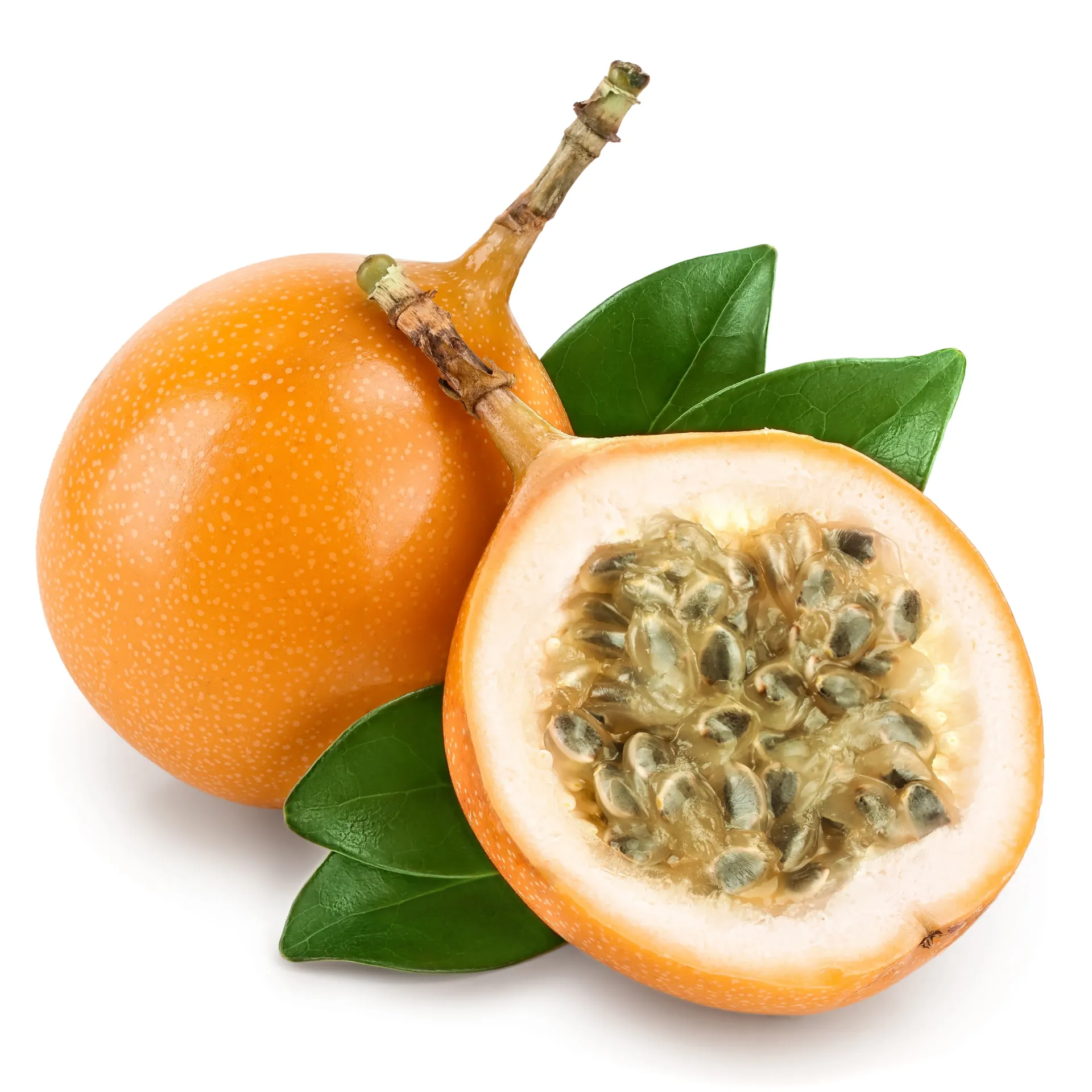
Colombian sweet granadilla (Passiflora ligularis Juss.) is a tropical fruit belonging to the passionflower family, appreciated for its orange rind, gelatinous pulp, naturally sweet flavor and delicate tropical aroma. Grown in Chiapas, Mexico, it stands out for its freshness, mild taste and attractive appearance. Its bulk-per-kilogram presentation (BLK) is ideal for supermarkets, fresh produce retailers, restaurants and specialty tropical fruit distributors.
Organoleptic Properties
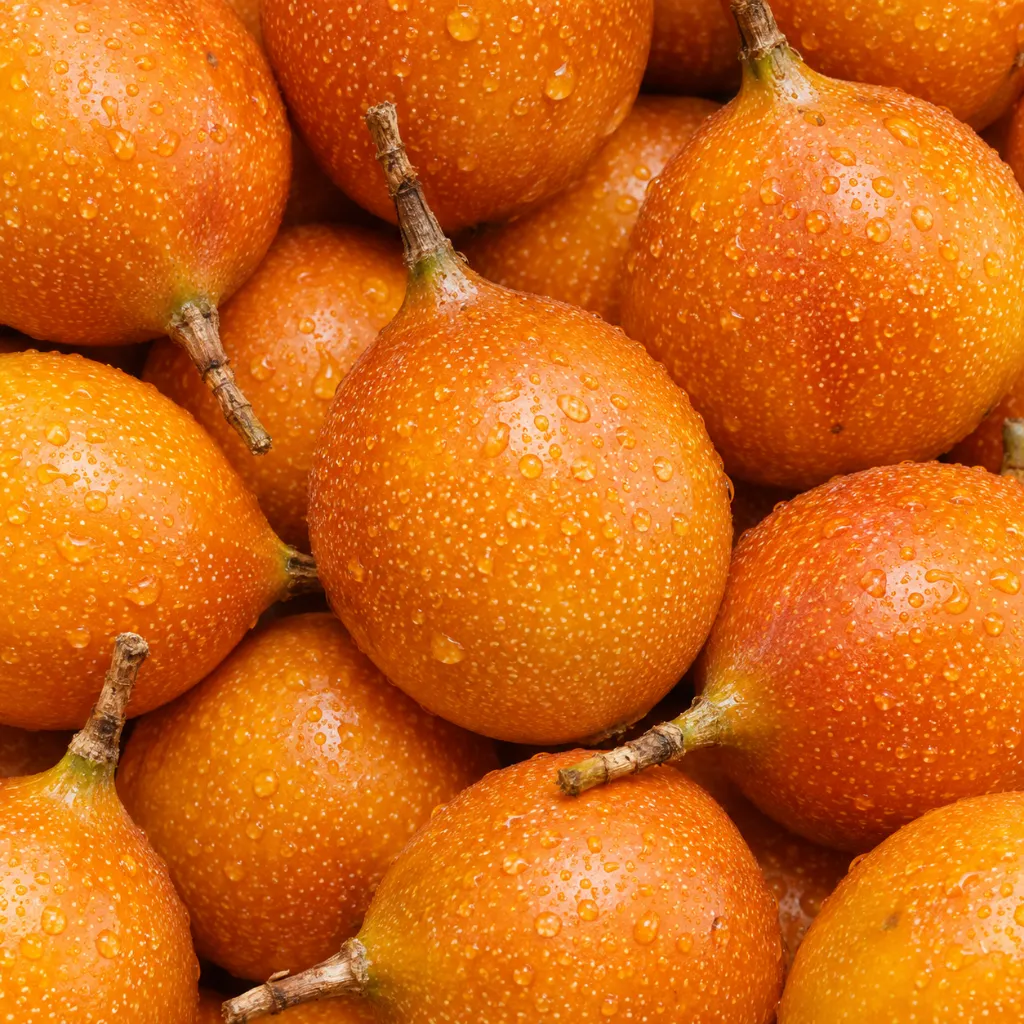
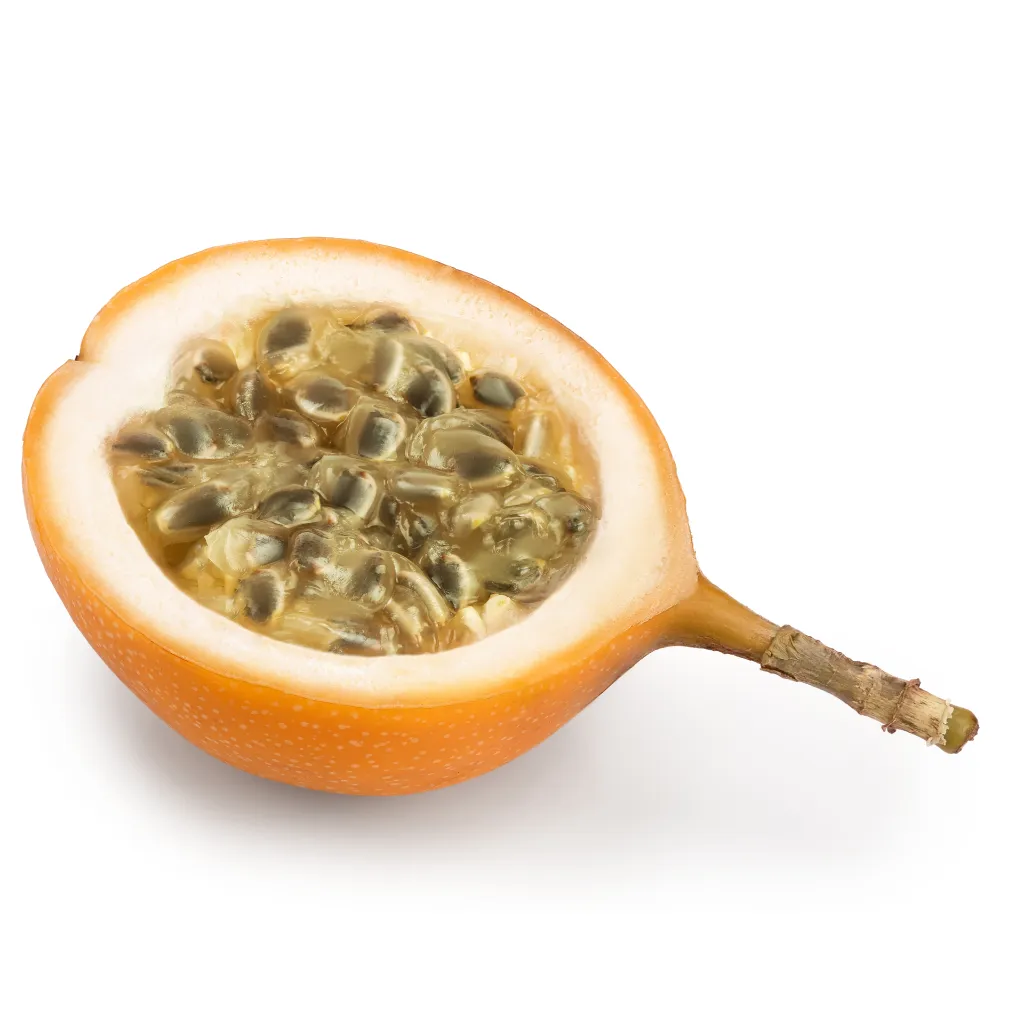
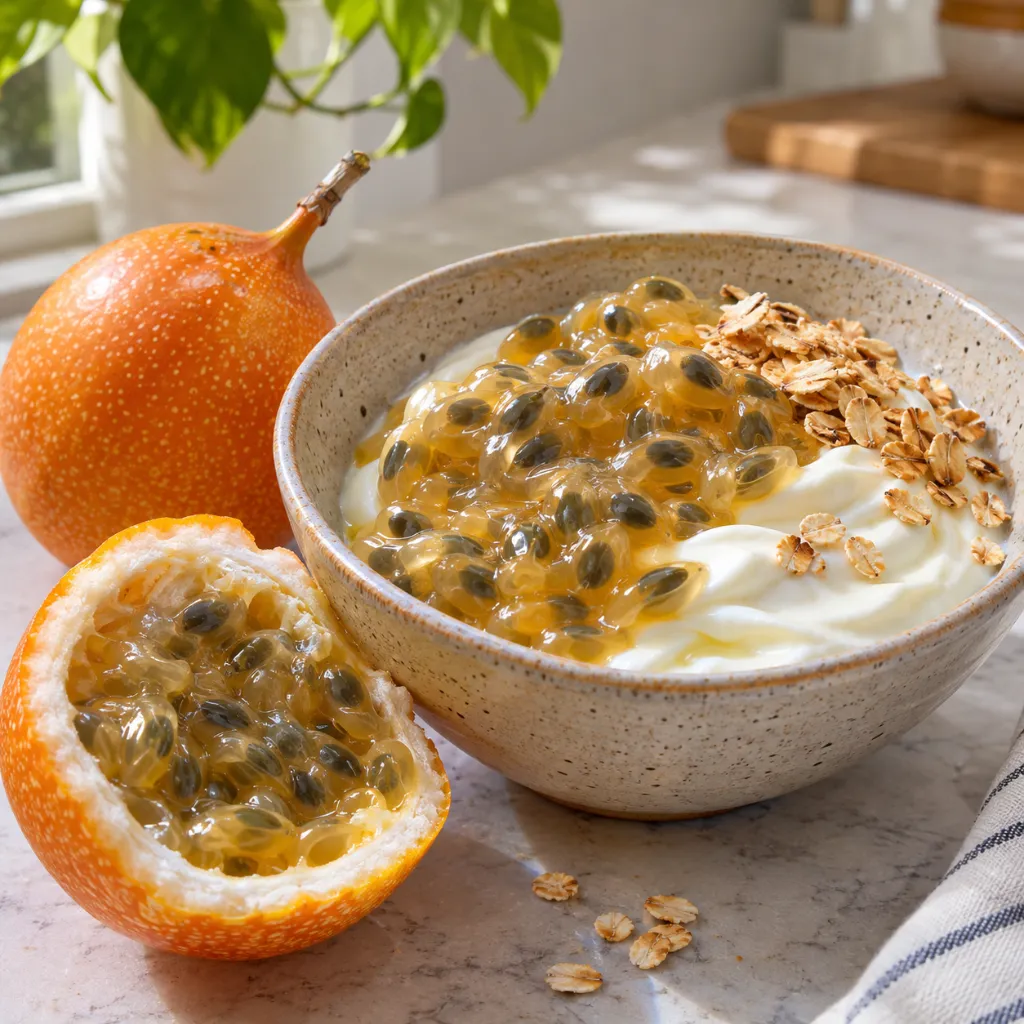
Round to slightly oval fruit with a firm, smooth rind ranging from golden yellow to deep orange, often displaying small, naturally occurring pale spots. Inside, a white, spongy layer protects numerous dark edible seeds surrounded by translucent, jelly-like pulp. Its flavor is predominantly sweet, mildly acidic and delicately aromatic, with floral and tropical notes. Compared with conventional passion fruit, sweet granadilla offers considerably milder acidity.
Suggested Uses
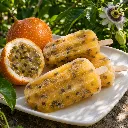
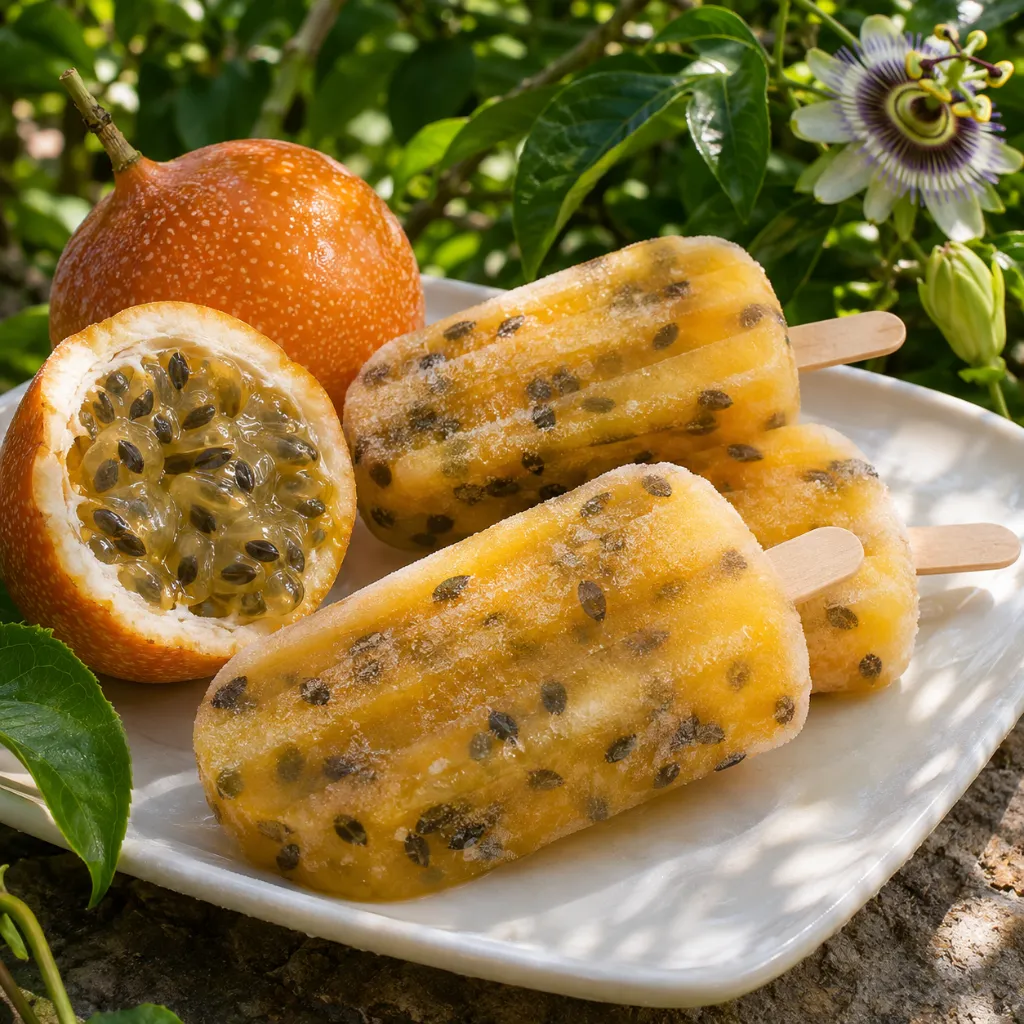
Ideal for fresh consumption, simply opening the rind and enjoying the pulp with a spoon. It can also be incorporated into fruit salads, bowls, yogurt, smoothies, refreshing beverages and mocktails. In pastry and dessert applications, it is suitable for mousses, gelatin desserts, sorbets, ice cream, parfaits and fruit sauces. Its delicate flavor pairs particularly well with mango, coconut, pineapple, citrus, vanilla and white chocolate. For beverages and coulis, the pulp may be gently strained to separate the seeds.
Format
Bulk (BLK) per kilogram. Fresh sweet granadilla, Colombian variety, grown in Chiapas, Mexico. Fruit is sold by weight, allowing customers to purchase their desired quantity. Its firm rind helps protect the pulp during handling and transportation. Individual fruit size, weight and number of pieces per kilogram vary naturally according to harvest and commercial selection.
Storage and Handling
Maintain preferably at 7–10 °C (45–50 °F) and approximately 85–90% relative humidity, in a clean, ventilated environment. Avoid impacts, excessive compression, surface moisture and direct sunlight. Although the rind protects the pulp, strong impacts may cause cracking. Once opened, refrigerate the pulp and consume promptly to preserve freshness, aroma and flavor.
Quality and Selection Criteria
Select fruit that is well developed, golden orange, intact-skinned and appropriately heavy for its size, without deep cracks, mold, soft spots or fermentation. Small natural pale spots on the rind are characteristic of the fruit. The edible pulp should retain a translucent appearance, gelatinous texture and fresh, naturally sweet flavor, without unpleasant odors or excessive dryness.
Season
In Chiapas, sweet granadilla production depends on temperature, humidity, altitude and agricultural management. The crop is suited to temperate and subtropical growing areas, where different harvest windows may occur throughout the year. Commercial availability follows regional growing cycles and seasonal conditions.
Origin
Mexico.
Sweet granadilla (Passiflora ligularis) originates from tropical and Andean regions of the Americas, where it has traditionally been cultivated for its sweet, aromatic pulp. It belongs to the same botanical genus as passion fruit, although it is distinguished by its naturally sweeter flavor and considerably milder acidity.
An interesting botanical fact is that granadilla grows on a climbing vine equipped with tendrils, producing distinctive ornamental flowers characteristic of the passionflower family. Its protective rind encloses numerous seeds surrounded by juicy, edible arils.
The Colombian variety is especially appreciated for its attractive appearance and delicate taste. Cultivation in Chiapas brings this traditionally South American fruit into Mexico's diverse selection of tropical and exotic produce.*