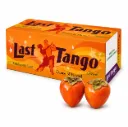
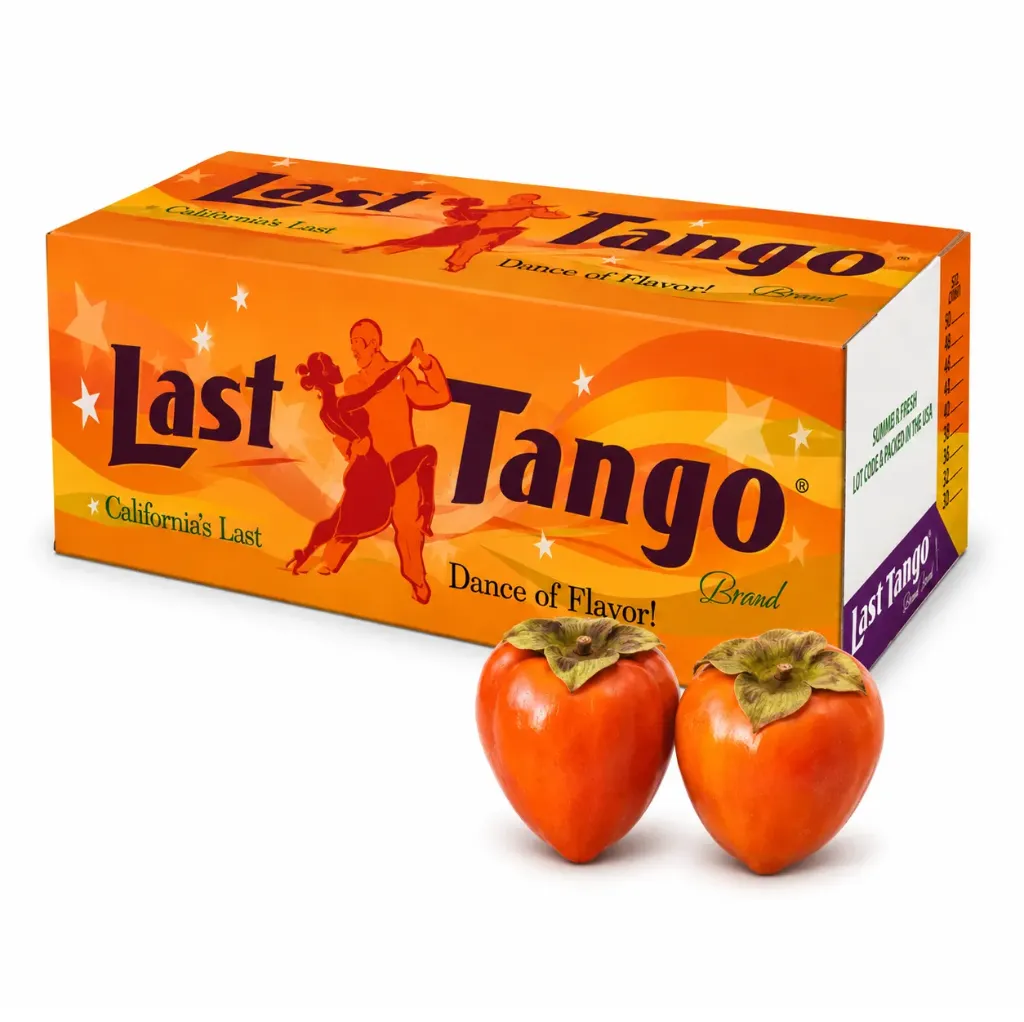
Hachiya Persimmon (Kaki) | C #32's | Last Tango® | California | C-CTN 11.34 Kg - 25 lb
Hachiya persimmons, also known as Hachiya kaki (Diospyros kaki Thunb.), are premium Asian-origin fruits recognized for their vibrant orange color, elongated shape and exceptionally sweet, smooth flesh when fully ripe. Grown in California, USA, and marketed under the Last Tango® brand, they belong to the astringent persimmon group, requiring complete ripening before consumption to develop their characteristic flavor and texture. Their 11.34 Kg (25 lb) cardboard carton, featuring commercial size #32's, is ideal for supermarkets, fresh produce retailers, restaurants, hotels and foodservice establishments.
Organoleptic Properties
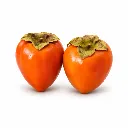
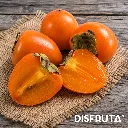
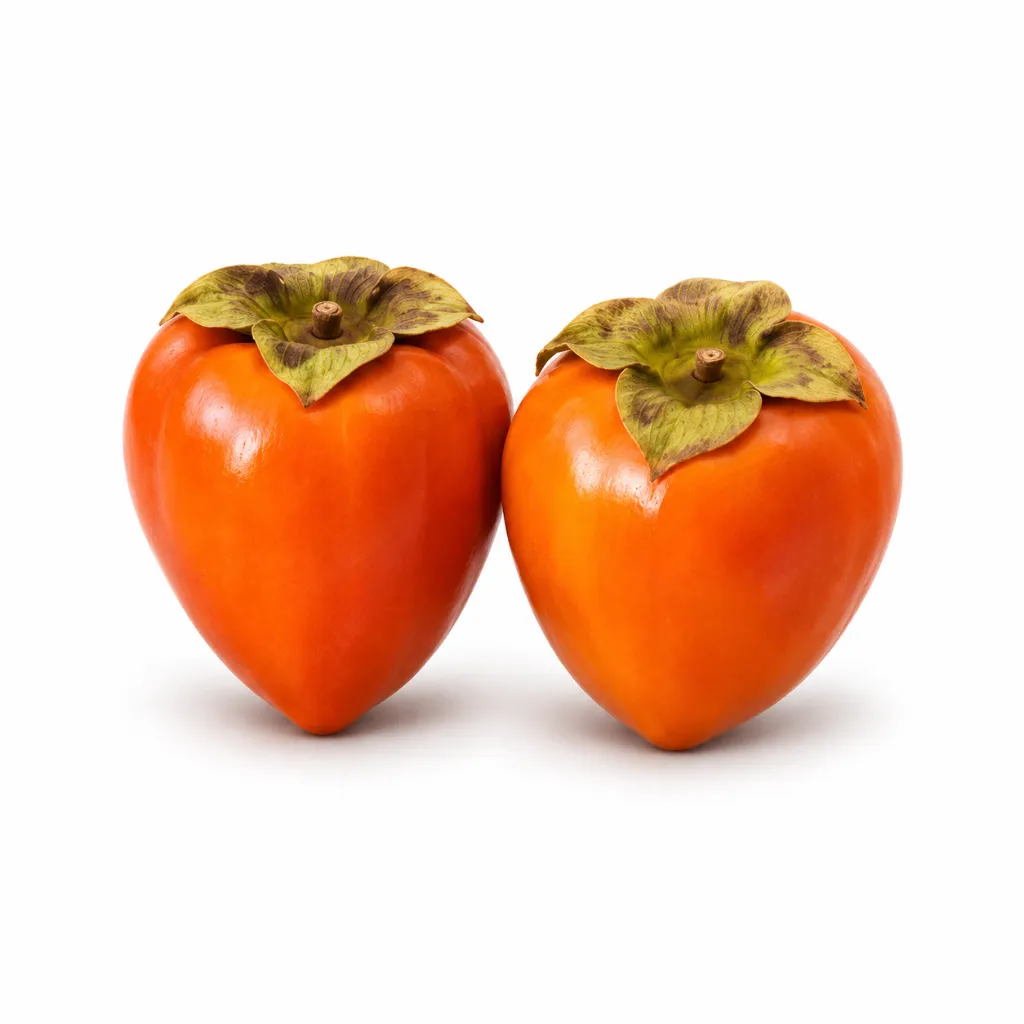
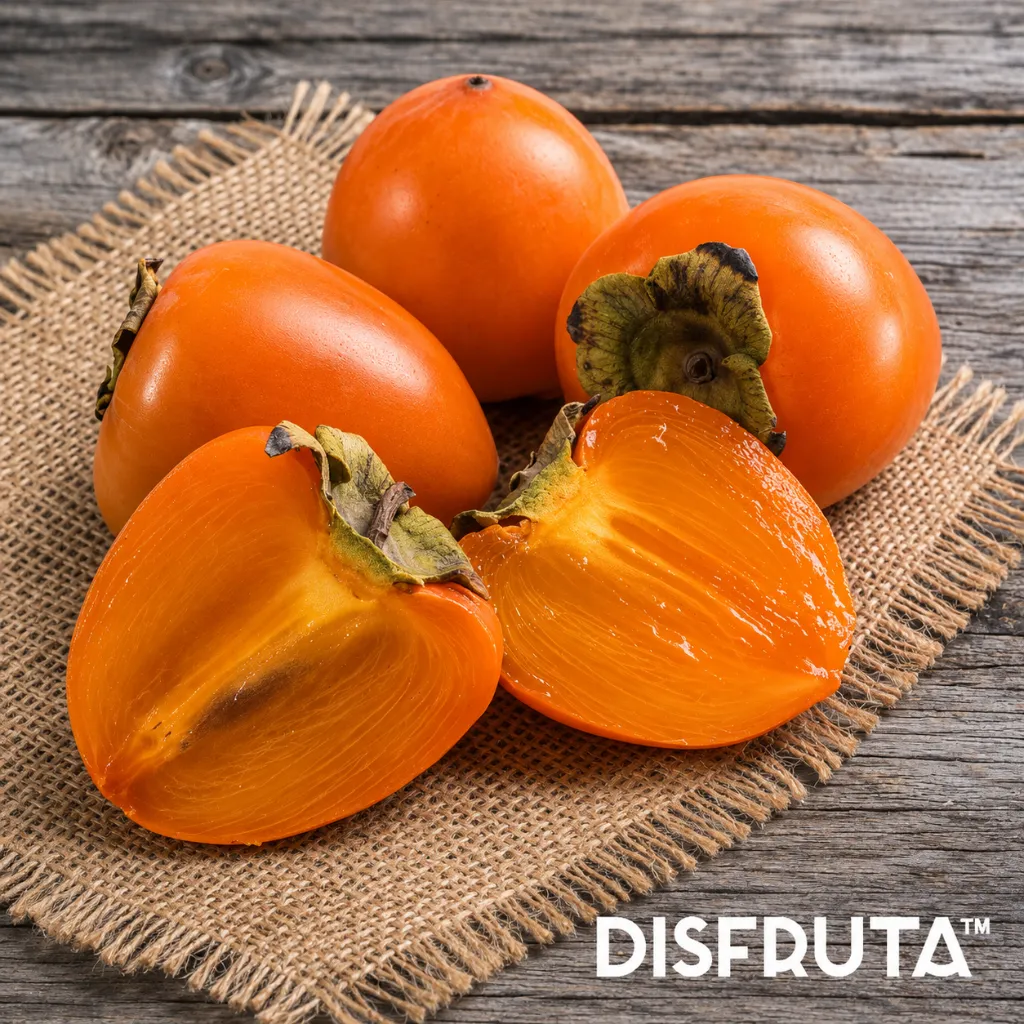
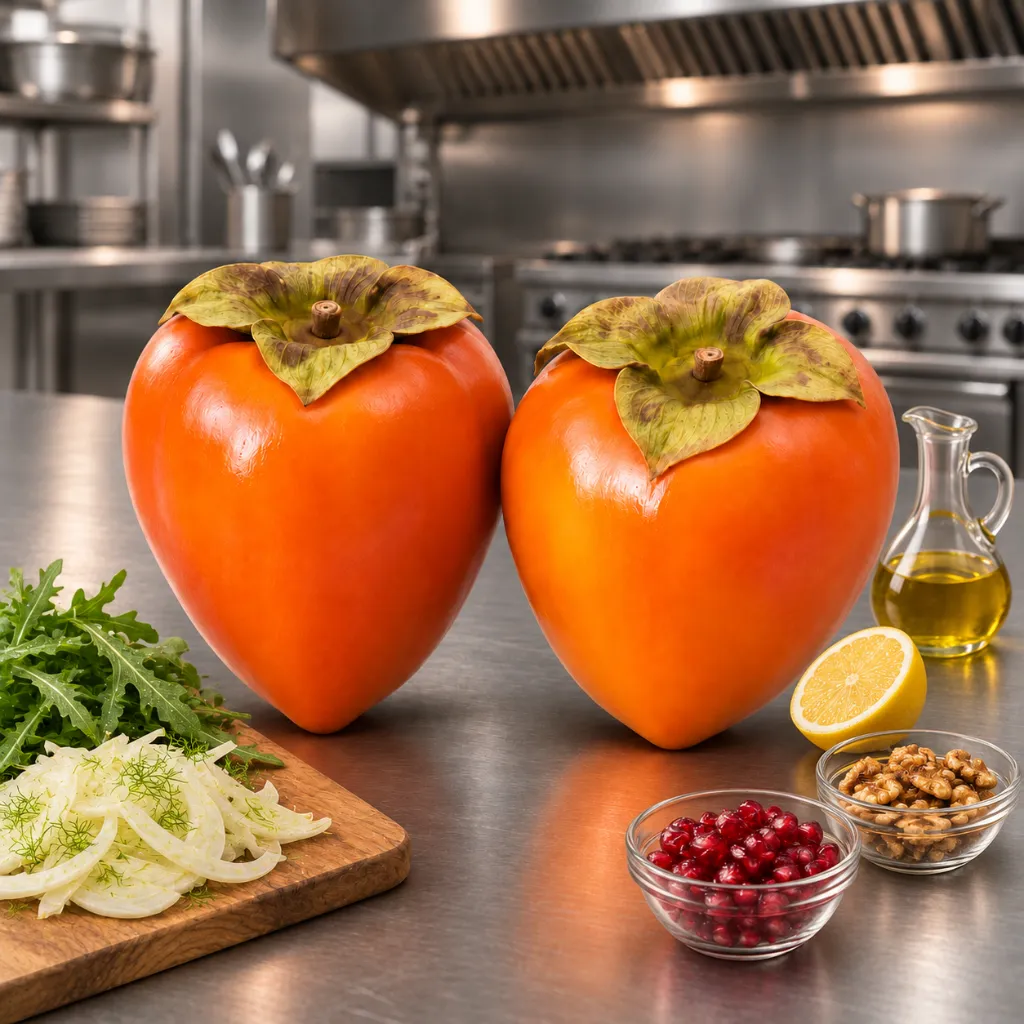
Oval to heart-shaped fruit with a slightly pointed blossom end, characteristic of the Hachiya variety. The skin is thin, smooth and glossy, ranging from deep orange to reddish orange. At optimal eating ripeness, the flesh develops an exceptionally soft, jelly-like and juicy texture, with an intensely sweet flavor and notes of honey, apricot, dates and ripe fruit. Before full ripeness, the fruit contains soluble tannins that produce pronounced astringency. For the best eating experience, Hachiya persimmons should be enjoyed when completely soft, almost resembling a thick fruit preserve.
Suggested Uses
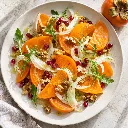
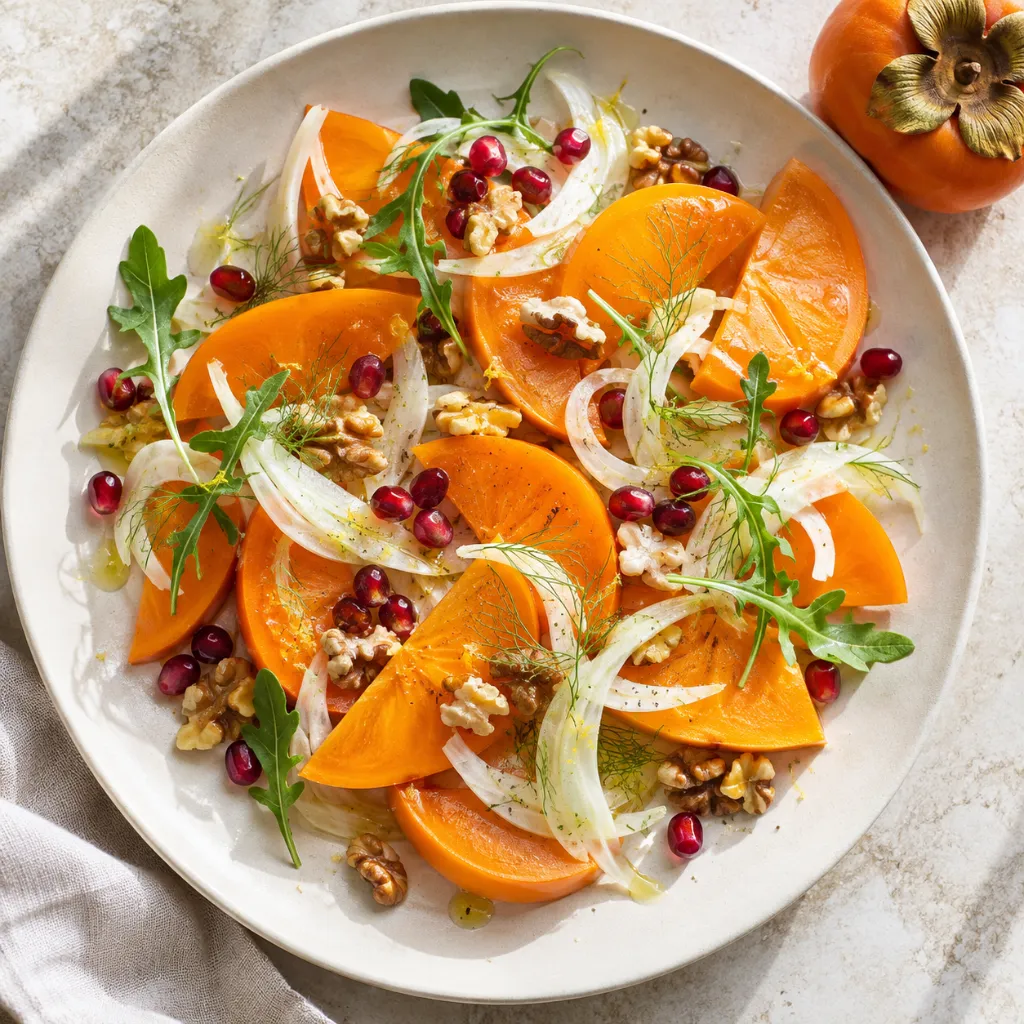
Ideal for fresh consumption with a spoon, fruit purées, smoothies, bowls, yogurt and fresh fruit desserts once fully ripe. In baking and pastry applications, Hachiya persimmons are excellent for mousses, puddings, sweet breads, cakes, muffins, ice cream, sorbets, compotes and preserves. Their ripe flesh can be incorporated into sweet sauces, coulis, creams and pastry fillings, contributing natural sweetness and a silky texture. They pair particularly well with cinnamon, vanilla, honey, walnuts, almonds, ginger, orange, dark chocolate and mild cheeses.
Format
Cardboard carton (C-CTN) containing 11.34 Kg (25 lb) of fresh Hachiya persimmons, Last Tango® brand, originating from California, USA. Size C #32's: a commercial count designation generally indicating approximately 32 fruits per standard 25 lb carton, with relatively consistent fruit sizing. The carton supports convenient distribution and retail display while helping protect fruit during commercial handling.
Storage and Handling
For commercial storage, maintain preferably near 0 °C (32 °F) and approximately 90–95% relative humidity, preserving a consistent cold chain. Avoid impacts and excessive compression, especially as the fruit begins to soften. Hachiya persimmons are climacteric fruits sensitive to ethylene, which accelerates ripening. For household consumption, allow fruit to ripen at room temperature until completely soft, then refrigerate and consume promptly. Fully ripe pulp may also be frozen for culinary preparations.
Quality and Selection Criteria
Select fruit displaying attractive orange coloration, intact skin and a well-preserved leafy calyx, without mold, decay, severe bruising or significant damage. For later ripening, choose firm fruit in sound condition; for immediate consumption, select persimmons that are very soft, fully ripe and free from signs of fermentation. An essential characteristic of Hachiya is that commercial firmness should not be confused with eating ripeness, since its astringency generally disappears only after the flesh becomes exceptionally soft.
Season
In California, Hachiya persimmons are primarily harvested during the fall season, particularly between October and December, depending on the growing region and weather conditions. Their commercial availability may extend into part of winter through appropriate refrigeration and ripening management.
Origin
United States — California.
The persimmon (Diospyros kaki) originated in East Asia, particularly China, where it has been cultivated for centuries. Its cultivation subsequently expanded to Japan and Korea, countries with rich culinary traditions surrounding this fruit, before reaching Europe and the Americas
An interesting botanical fact is that persimmons belong to the Ebenaceae family, which also includes ebony-producing trees. The scientific genus name Diospyros comes from Greek and is commonly interpreted as "divine fruit," reflecting the fruit's historically appreciated qualities.
The key difference between Hachiya and Fuyu persimmons lies in their ripening characteristics: while Fuyu can be enjoyed firm and crunchy, Hachiya requires complete softening to eliminate the astringent sensation caused by its tannins. At this stage, it develops an intensely sweet, silky flesh, particularly appreciated in baking and desserts.
The agricultural valleys of California, with warm summers and cooler fall temperatures, provide favorable conditions for persimmon cultivation. Its vibrant color, concentrated sweetness and distinctive texture make Hachiya a particularly appealing fruit for gourmet culinary applications.