The Hayward kiwifruit (Actinidia deliciosa) is the world's most widely recognized green kiwifruit cultivar, grown in California, United States, and marketed under the California KF® brand. Distinguished by its fuzzy brown skin, emerald-green flesh, creamy-white center and small edible black seeds arranged in an attractive radial pattern, Hayward offers a refreshing balance of natural sweetness, pleasant acidity and delicate tropical flavors. Its naturally high vitamin C content and dietary fiber make it a popular choice for a varied, balanced diet.
Hayward is also valued for its excellent postharvest characteristics, allowing fresh fruit availability to extend well beyond the harvest season.
Organoleptic Properties
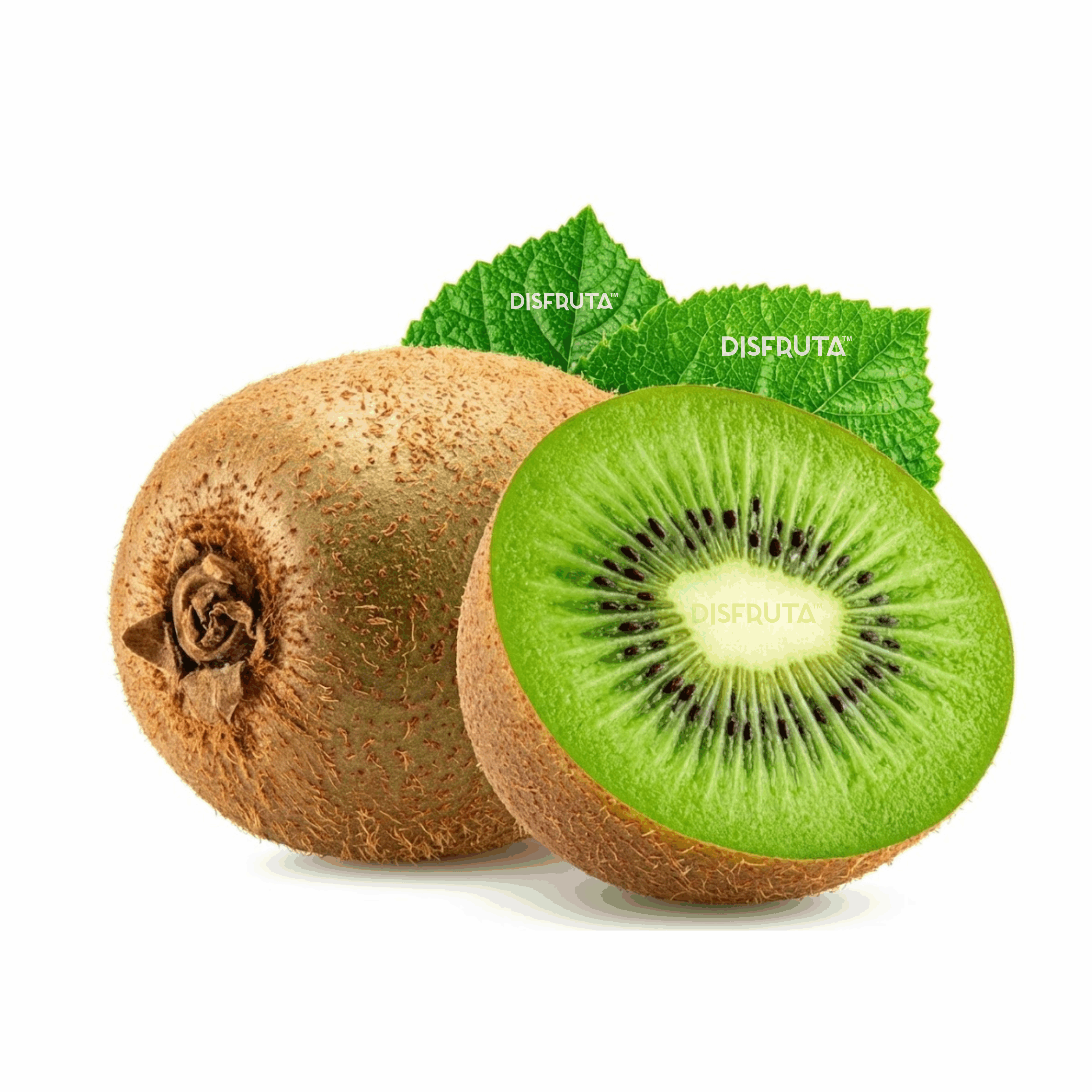
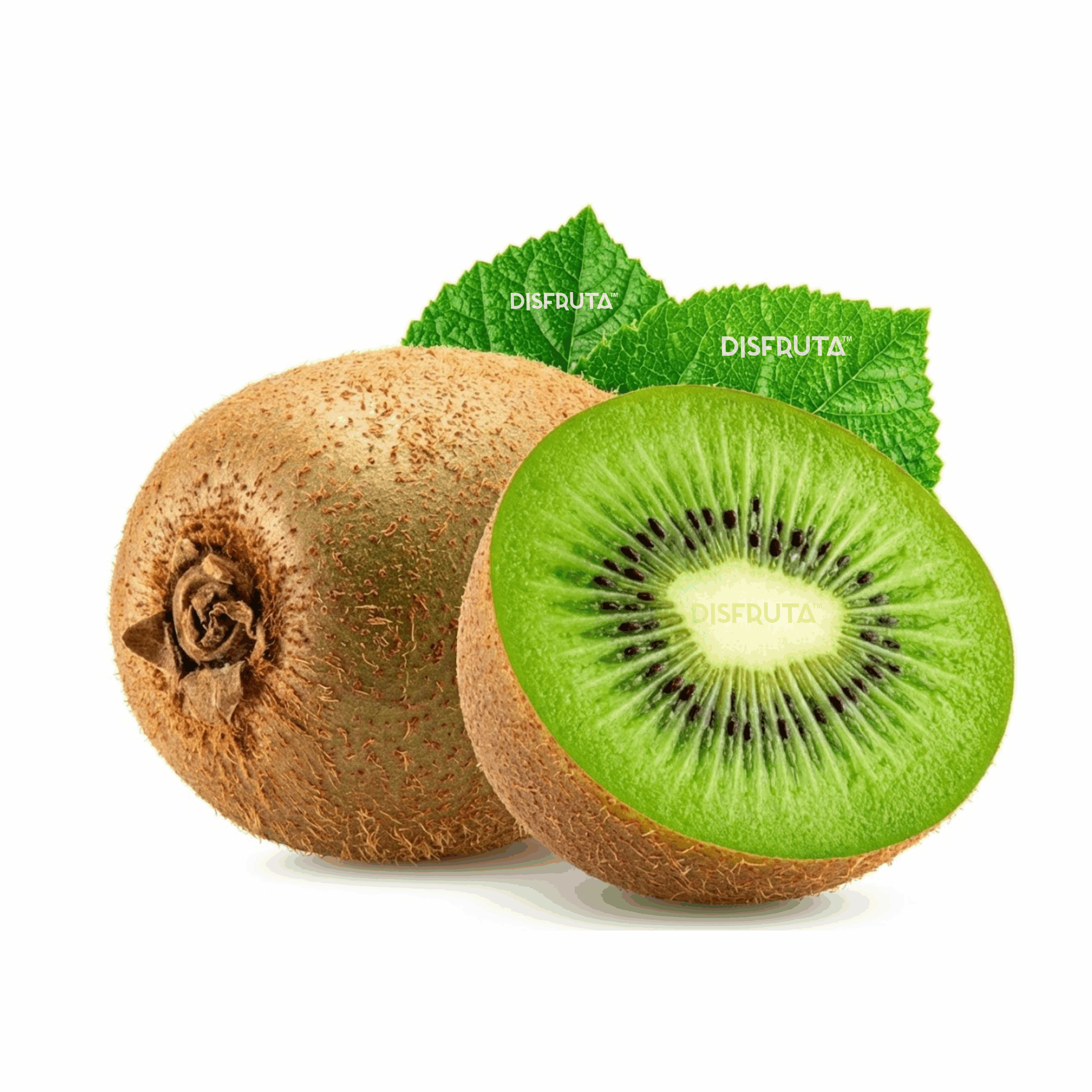
Medium to large fruit with an oval to slightly elongated shape, thin brown to greenish-brown skin and characteristic fine surface hairs. The flesh is bright emerald green, surrounding a creamy-white center with numerous tiny, soft, edible black seeds. At eating maturity, its texture becomes tender, juicy and slightly creamy, with a sweet, refreshing flavor balanced by pleasant acidity and subtle notes reminiscent of strawberry, pineapple and citrus.
During ripening, starch is converted into sugars, increasing sweetness as flesh firmness decreases. Properly ripened Hayward kiwifruit may reach approximately 12–15 °Brix or higher, depending on harvest maturity and storage conditions.
Suggested Uses
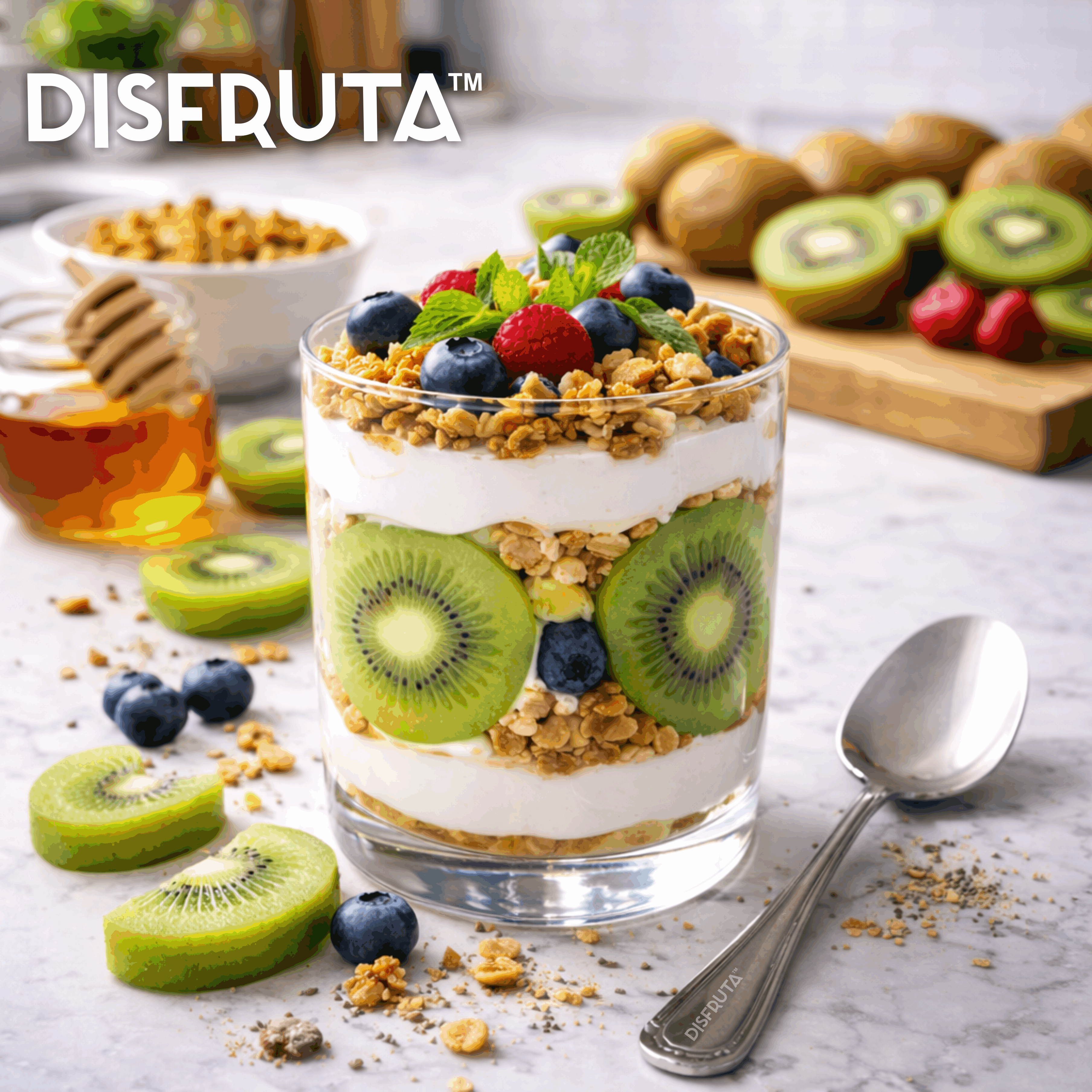
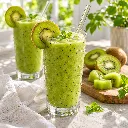
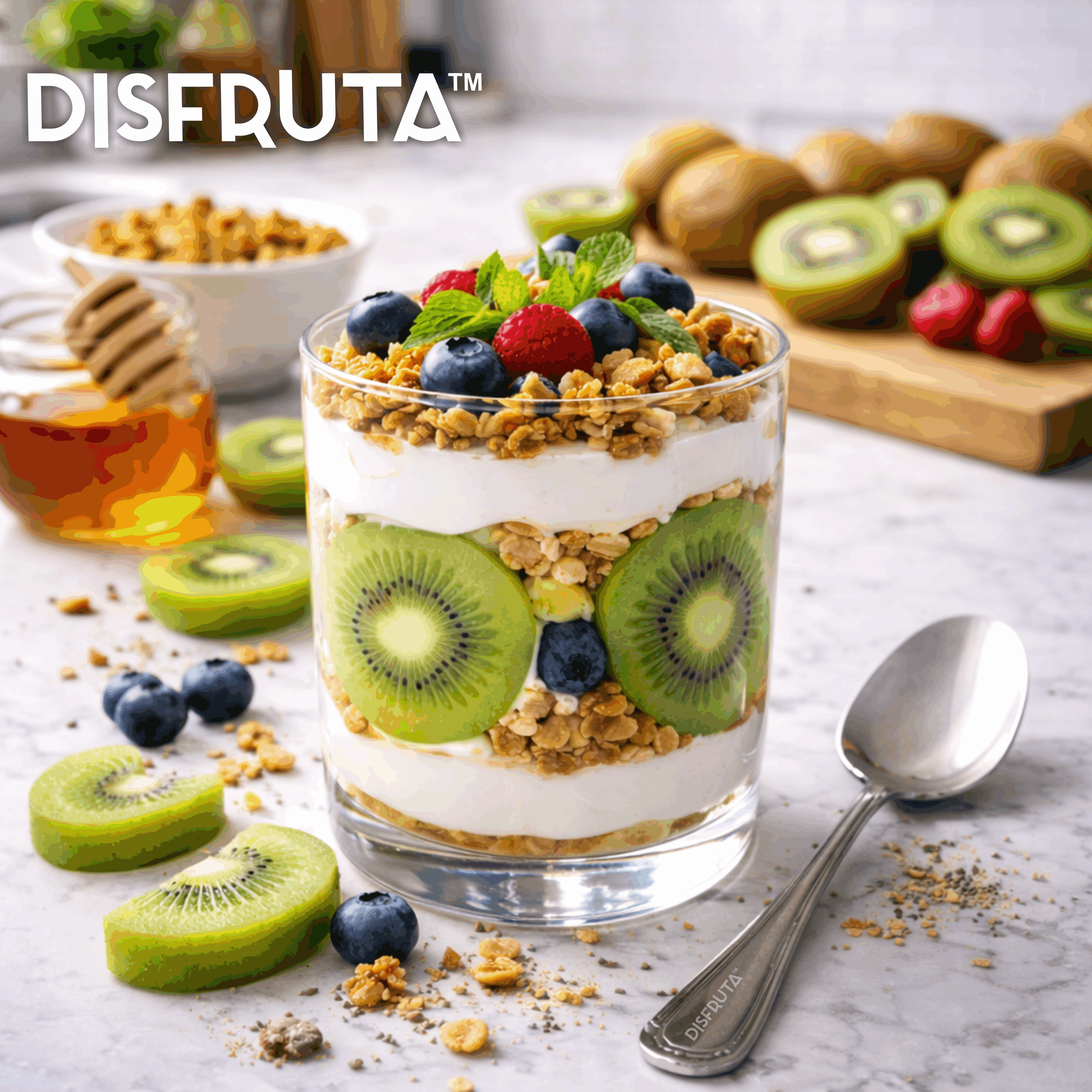
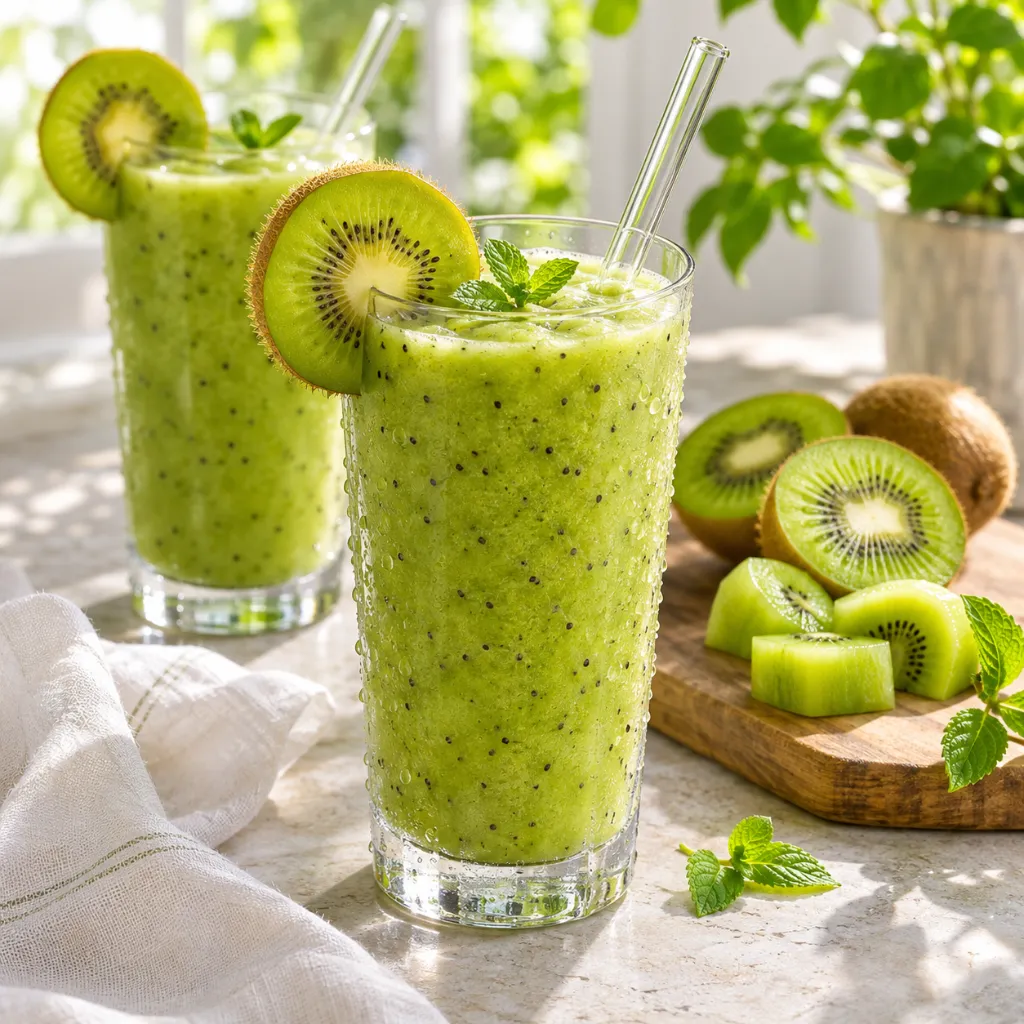
Ideal for fresh consumption, fruit salads, bowls, yogurt, oatmeal, granola, smoothies, natural juices and desserts. It can be cut in half and eaten directly with a spoon, or peeled and presented in slices, wedges or cubes. Its bright-green coloration and distinctive seed pattern make it especially attractive for fruit tarts, cakes, cheesecakes, pavlovas, parfaits and chilled pastry decorations..
In contemporary cuisine, Hayward is also suitable for gourmet salads, fruit sauces, chutneys, cocktails, sorbets and sweet-and-sour preparations. It pairs especially well with berries, mango, banana, coconut, white chocolate, vanilla and mint. Kiwifruit naturally contains actinidin, a protein-degrading enzyme that can help tenderize meat in short marinades but may interfere with the setting of certain gelatin-based desserts when fresh kiwi is used
Format
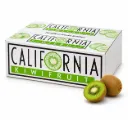
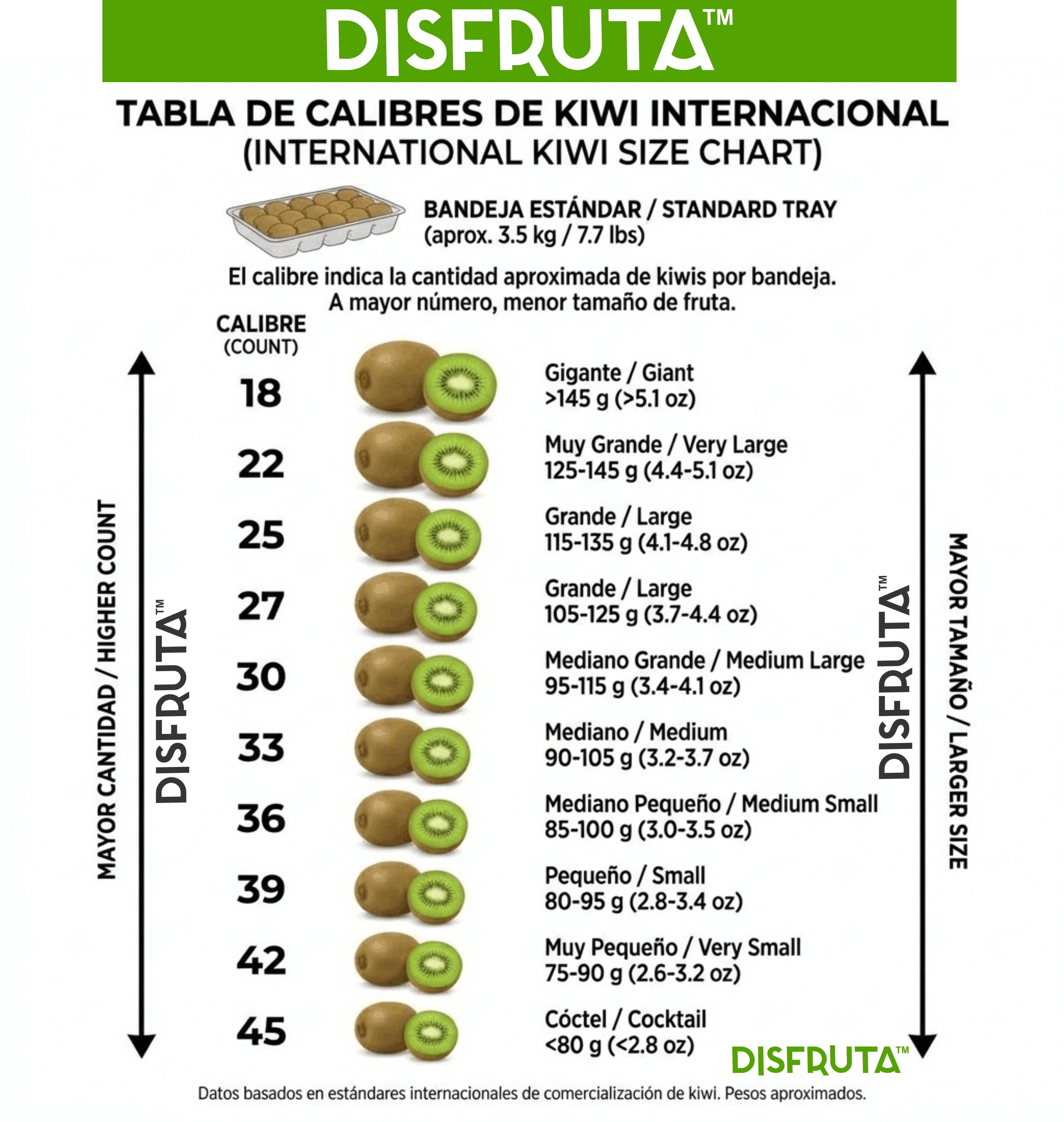
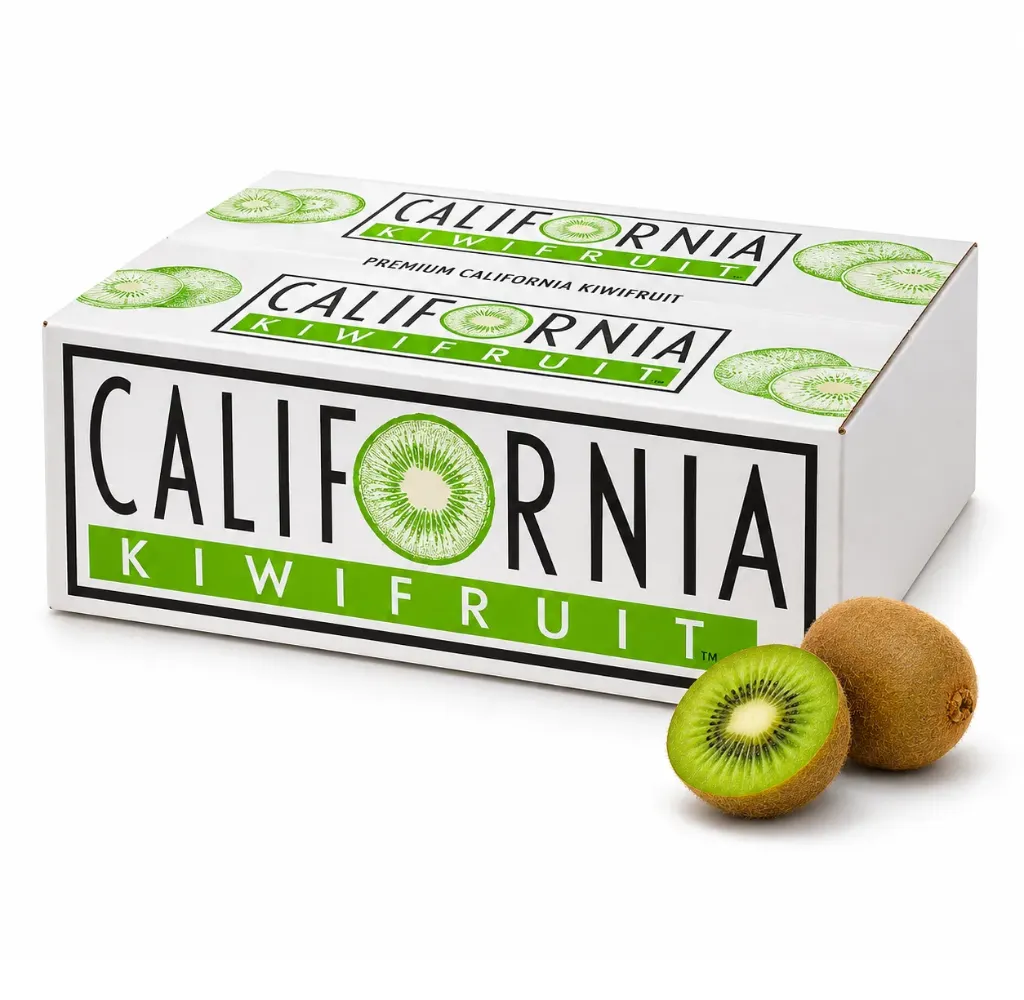
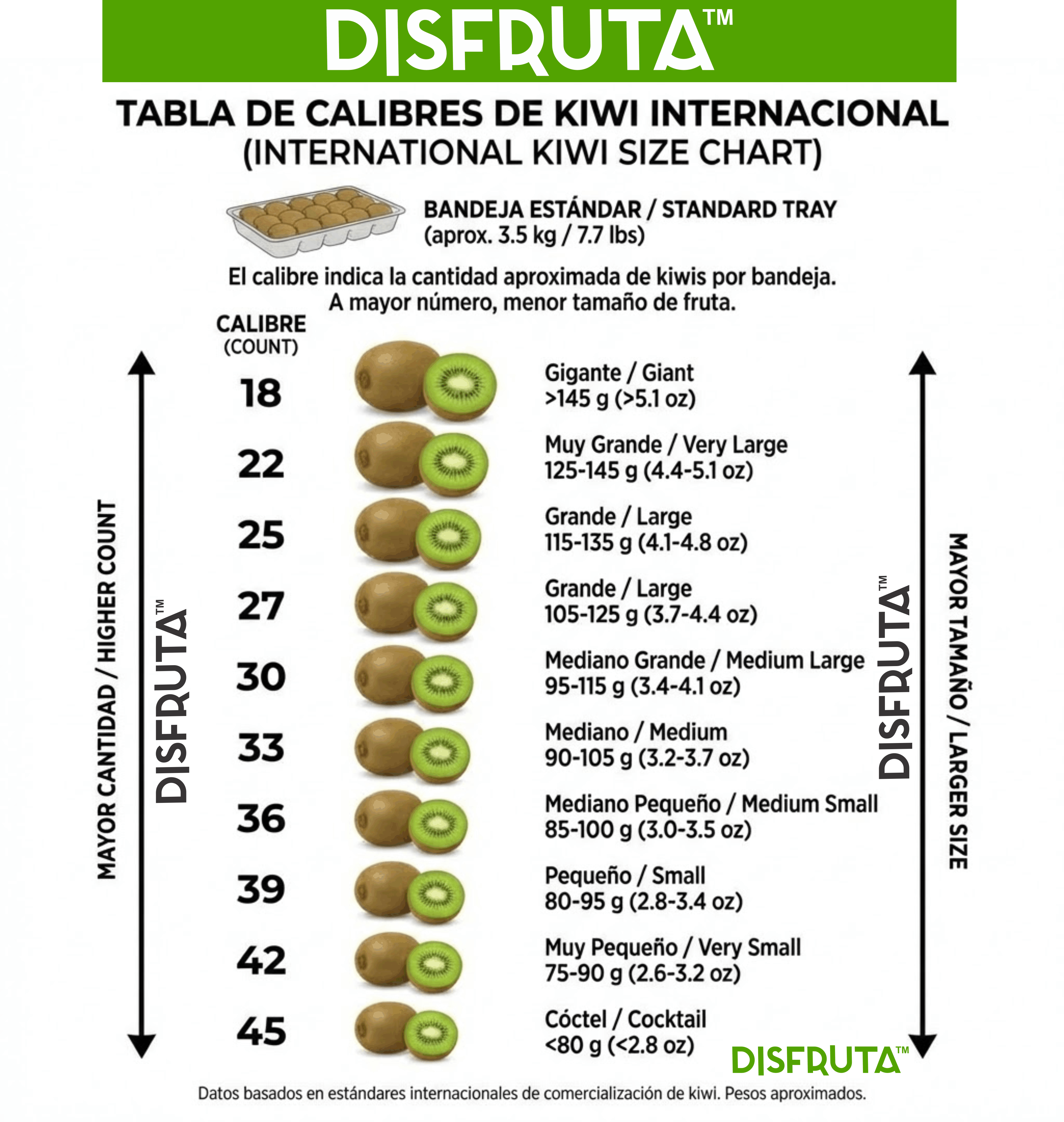
Cardboard carton (C-CTN) containing approximately 9 Kg of fresh green Hayward kiwifruit, California KF® brand, grown in California, United States. Size #27's: commercial fruit-size designation associated with relatively large kiwifruit. The 27/28 size category appears in California kiwifruit sizing charts; the actual number of fruit in this 9 Kg carton depends on the packer's specific packaging configuration. Individual fruit size, internal arrangement and net weight are subject to commercial tolerances.
Storage and Handling
For commercial storage, maintain preferably at approximately 0–1 °C (32–34 °F) and 90–95% relative humidity, preserving an uninterrupted cold chain. Hayward is particularly sensitive to ethylene, a natural plant hormone that accelerates ripening and softening, so prolonged storage alongside ethylene-producing fruits such as apples, bananas and pears should be avoided. Under specialized commercial conditions, Hayward can be stored for several months.
For household consumption, allow firm fruit to ripen at room temperature until it yields slightly to gentle pressure. To accelerate ripening, kiwifruit may temporarily be placed in a paper bag with an apple or banana. Once ripe, refrigerate and consume promptly. Avoid impacts, excessive pressure and moisture loss.
Quality and Selection Criteria
Select fruit that is intact, well developed, uniformly shaped and characteristically brown, free from severe bruising, injuries, mold, excessive shriveling or abnormal soft spots. Firm fruit may be selected for later ripening, while ready-to-eat kiwifruit should yield slightly to gentle pressure without feeling mushy. The flesh should retain its bright-green coloration, adequate juiciness and sweet, mildly tart flavor, without fermentation or internal deterioration.
Fine surface hairs are a natural characteristic of Hayward and should not be considered a defect. Excessively firm fruit may require additional ripening time to develop optimal sweetness and aroma.
Season
Hayward is a fall-harvested kiwifruit cultivar, with harvesting in California generally concentrated between October and November, potentially beginning in late September depending on growing region and weather conditions. Thanks to its favorable refrigerated storage characteristics, California-grown kiwifruit may remain commercially available throughout winter and into spring, with the broader marketing season extending approximately from September through May, depending on crop and storage programs.
Origin
United States.
Although kiwifruit is widely associated with New Zealand, Italy and California, the green kiwifruit originated botanically in China, where it was known for centuries as a wild-growing fruit. During the early twentieth century, it was introduced to New Zealand, where its commercial development began. The Hayward cultivar was named after New Zealand nurseryman Hayward Wright, who selected a plant distinguished by its large fruit size, desirable flavor and excellent storage characteristics.
Originally marketed internationally as the Chinese gooseberry, the fruit became widely known as kiwifruit during the twentieth century, a commercial name associated with New Zealand and its iconic kiwi bird. Kiwifruit cultivation later expanded into California, where suitable growing conditions helped establish it as an important winter-season fruit. One of its most fascinating botanical characteristics is that kiwifruit grows on vigorous woody climbing vines rather than trees, and the fruits are botanically classified as berries. This combination of remarkable history, distinctive appearance, refreshing flavor and nutritional value has made Hayward the classic benchmark cultivar for green kiwifruit worldwide.