Kiwi Hayward | Italia | C-PLS ±10 Kg
The Hayward kiwifruit (Actinidia deliciosa) is one of the world's most recognized green kiwifruit cultivars, appreciated for its emerald-green flesh, abundant juiciness, delicate texture and refreshing sweet-tart flavor. Grown in Italy and marketed under the Kiwi Italia® brand, it stands out for its attractive appearance, excellent eating quality and culinary versatility.
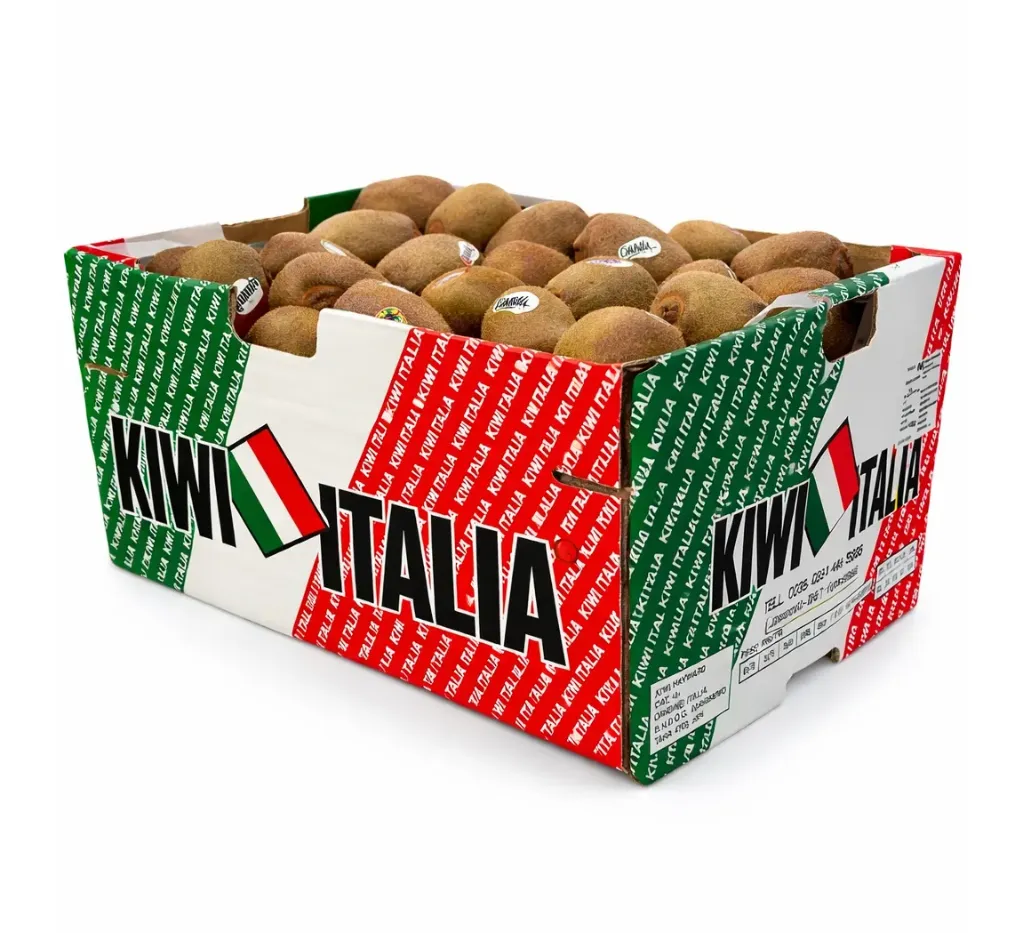
Its approximately 10 Kg plastic crate, commercially identified as size C #20's, is particularly suitable for fresh produce retailers, supermarkets, restaurants, hotels and professional foodservice establishments seeking consistently presented fresh fruit.
Hayward is the classic green kiwifruit cultivar, distinguished by its brown, lightly fuzzy skin, bright-green flesh, white central core and small edible black seeds arranged in a radial pattern.
Organoleptic Properties
Oval to elliptical fruit with a slightly elongated shape and skin ranging from light brown to dark brown, covered with fine, characteristic hairs. Minor variations in surface texture and coloration may occur depending on growing conditions.
When sliced, the fruit reveals intensely emerald-green flesh surrounding a creamy-white center, with numerous small, black, edible seeds arranged radially. This distinctive internal pattern is one of the most recognizable characteristics of fresh kiwifruit.
The flesh is juicy, tender and slightly firm at eating maturity, delivering a soft texture with a delicate crunch from its small seeds. Its flavor is sweet-tart, refreshing and aromatic, with subtle notes reminiscent of strawberries, citrus and tropical fruit.
As an eating-quality reference, ripe kiwifruit may reach approximately 14 °Brix or higher, although actual soluble solids content depends on maturity and storage conditions. Hayward is also naturally recognized for its vitamin C and dietary fiber content.
Suggested Uses
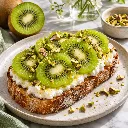
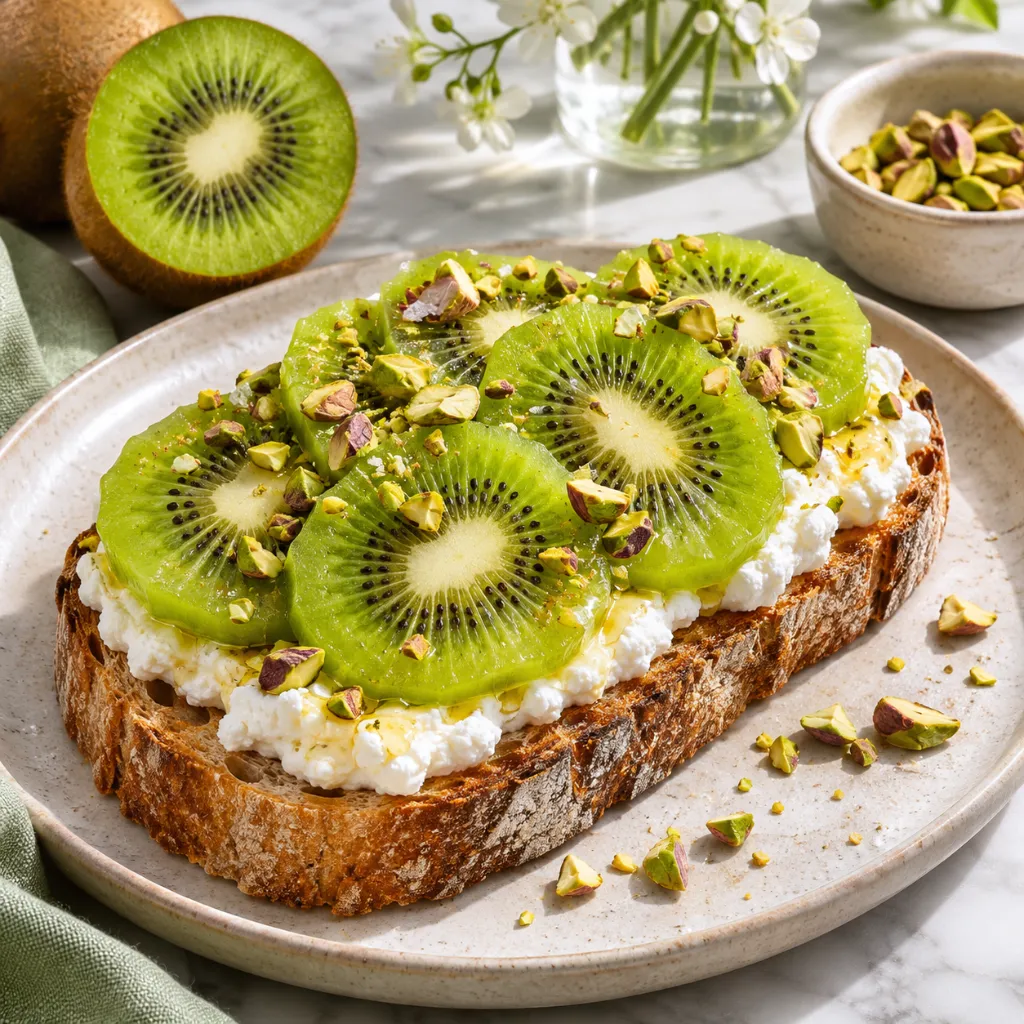
Ideal for fresh consumption, fruit salads, bowls, yogurt, oatmeal, granola, smoothies, fresh juices and fruit platters. It can be served sliced, diced or halved, using its vibrant green flesh to create attractive fruit presentations.
In baking and pastry applications, Hayward is particularly suitable for fruit tarts, cheesecakes, pavlovas, parfaits, mousses, sorbets, ice cream, gelatin desserts and chilled pastries. It pairs exceptionally well with strawberries, mango, banana, berries, coconut, honey, vanilla and white chocolate.
In contemporary cuisine, it can be incorporated into salads with avocado, goat cheese and leafy greens, shrimp dishes, fish preparations and fresh sauces, contributing acidity, color and juiciness.
An interesting culinary characteristic is its natural content of actinidin, an enzyme capable of breaking down proteins. This makes fresh kiwifruit suitable for brief meat marinades, although it may also prevent conventional gelatin desserts from setting properly. For gelatin preparations, the fruit should be cooked beforehand or an appropriate formulation should be used.
Format
Plastic crate (C-PLS) containing approximately 10 Kg of fresh Hayward kiwifruit, Kiwi Italia® brand, originating from Italy.
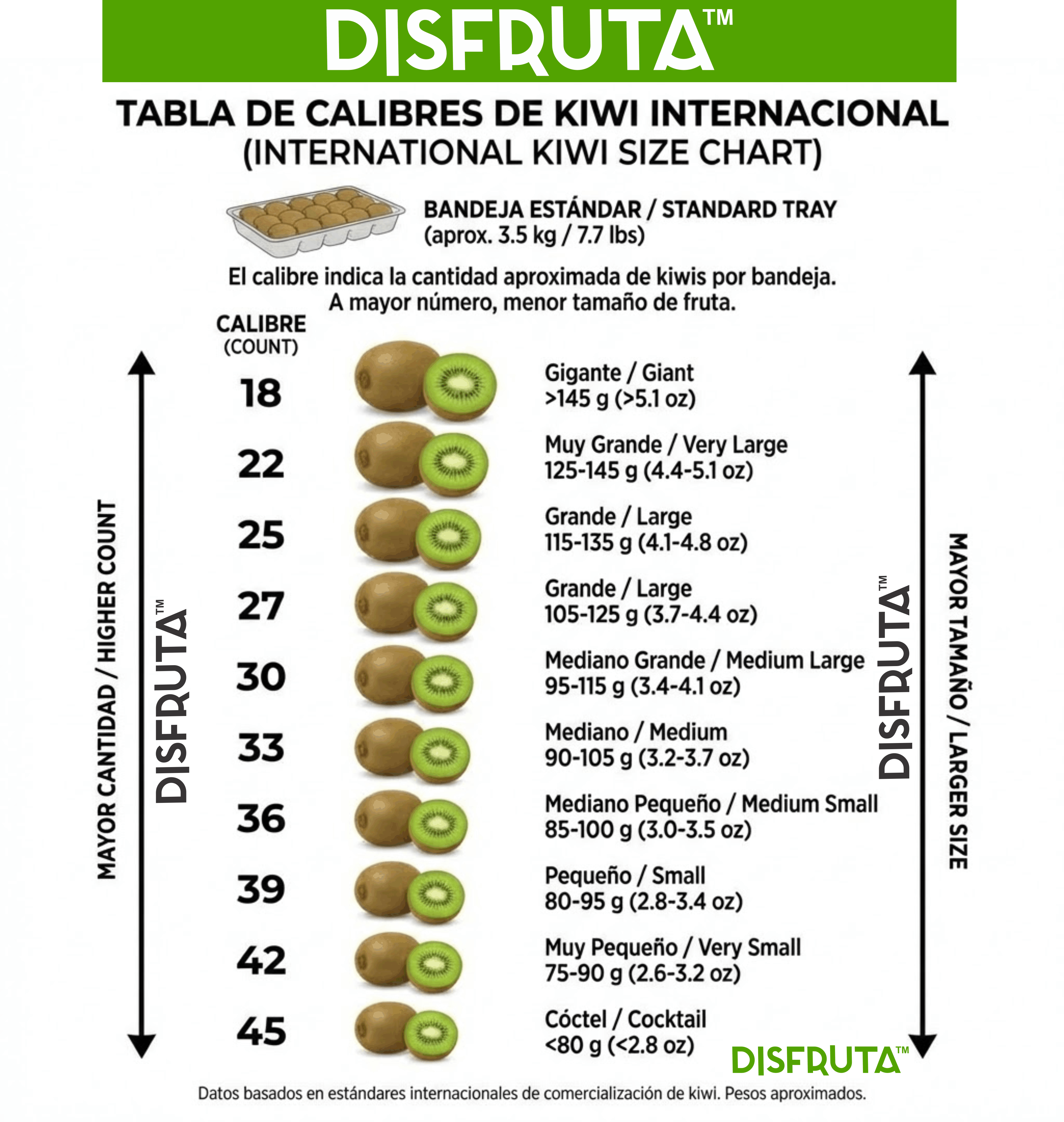
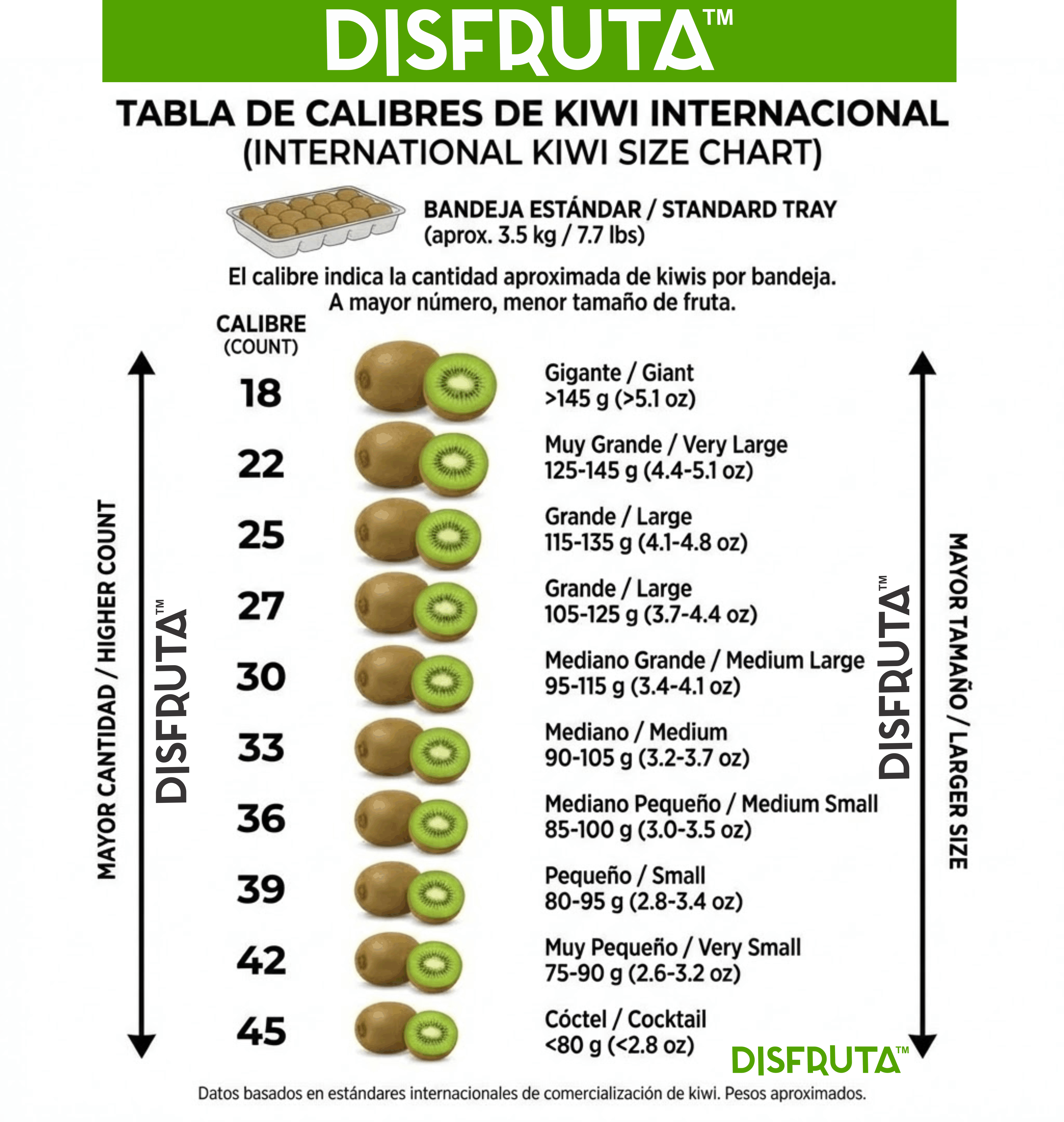
Size C #20's: commercial size or count designation used for this product. In kiwifruit trade, size numbers may indicate the number of fruits contained in a particular reference packaging unit. However, #20's should not automatically be interpreted as 20 kiwifruits in the complete 10 Kg crate, since count designations may relate to trays or other reference pack formats.
The actual individual fruit weight, fruit count and size range should be verified against the original packer's grading chart and packaging specifications.
Plastic-crate packaging supports commercial handling and ventilation, although careful transportation is necessary to avoid impacts, compression and surface damage.
Storage and Handling
For commercial storage, maintain preferably near 0 °C (32 °F) and approximately 90–95% relative humidity, preserving a consistent cold chain.
These conditions help maintain firmness, juiciness, flesh coloration and overall eating quality, while reducing moisture loss and extending commercial shelf life.
Hayward kiwifruit is a climacteric fruit highly sensitive to ethylene, a natural plant hormone that accelerates fruit softening. Storage near ethylene-producing fruit should be avoided when prolonged firmness retention is required. Refrigeration and, when appropriate, controlled-atmosphere storage systems can considerably extend storage potential.
For household consumption, keep refrigerated. If fruit is excessively firm, allow it to ripen at room temperature until it yields slightly to gentle pressure. Wash before slicing or eating.
Quality and Selection Criteria
Select fruit that is well developed, oval, heavy for its size and intact-skinned, without severe bruising, cracks, punctures, mold or decay
The skin should retain its characteristic brown coloration and fine fuzzy covering, without excessive shriveling or abnormal wet areas.
The flesh should display bright-green coloration, a well-defined white center, abundant juiciness and balanced sweet-tart flavor, without fermentation, internal browning or watery deterioration.
Kiwifruit ready for immediate consumption should yield slightly to gentle pressure, similar to a ripe avocado. Firm fruit may continue ripening after harvest.
For size #20's, commercial uniformity should be evaluated according to the supplier's specific grading requirements.
Season
Hayward is a fall-harvested kiwifruit cultivar in Italy, with harvesting generally concentrated between late October and November, depending on growing region, altitude and seasonal weather conditions.
Italy has several important green kiwifruit production areas, including Lazio, Piedmont and Emilia-Romagna. Thanks to refrigeration and specialized postharvest storage systems, Italian kiwifruit may remain commercially available for several months beyond harvest, with significant market presence between November and May, depending on storage and export programs.
Origin
Italy.
The green kiwifruit (Actinidia deliciosa) originated botanically in China, where its climbing vines grow naturally and its fruit has been known for centuries. During the early twentieth century, kiwifruit seeds were introduced into New Zealand, where the development of modern commercial cultivars began.
The Hayward cultivar was selected during the 1920s by New Zealand horticulturist Hayward Wright, who identified plants producing large fruit with pleasant flavor and excellent storage potential. The cultivar was subsequently named Hayward in recognition of its selector and became one of the leading international standards for green kiwifruit.
An interesting botanical fact is that kiwifruit is technically a berry, produced by a woody climbing vine rather than a conventional fruit tree. Kiwifruit plants are also generally dioecious, meaning male and female flowers occur on separate plants, requiring compatible pollinizers for successful commercial production.
Although its botanical origins are Chinese and its modern commercial development took place in New Zealand, Italy became one of the world's major green kiwifruit producers, building on favorable growing conditions and extensive fruit-production expertise.
Its combination of emerald-green flesh, refreshing sweet-tart flavor, abundant juiciness and culinary versatility has established Hayward as one of the most representative fruits in international fresh produce commerce.