Jaboticaba (Plinia cauliflora)
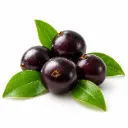
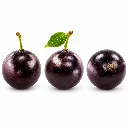
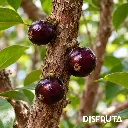
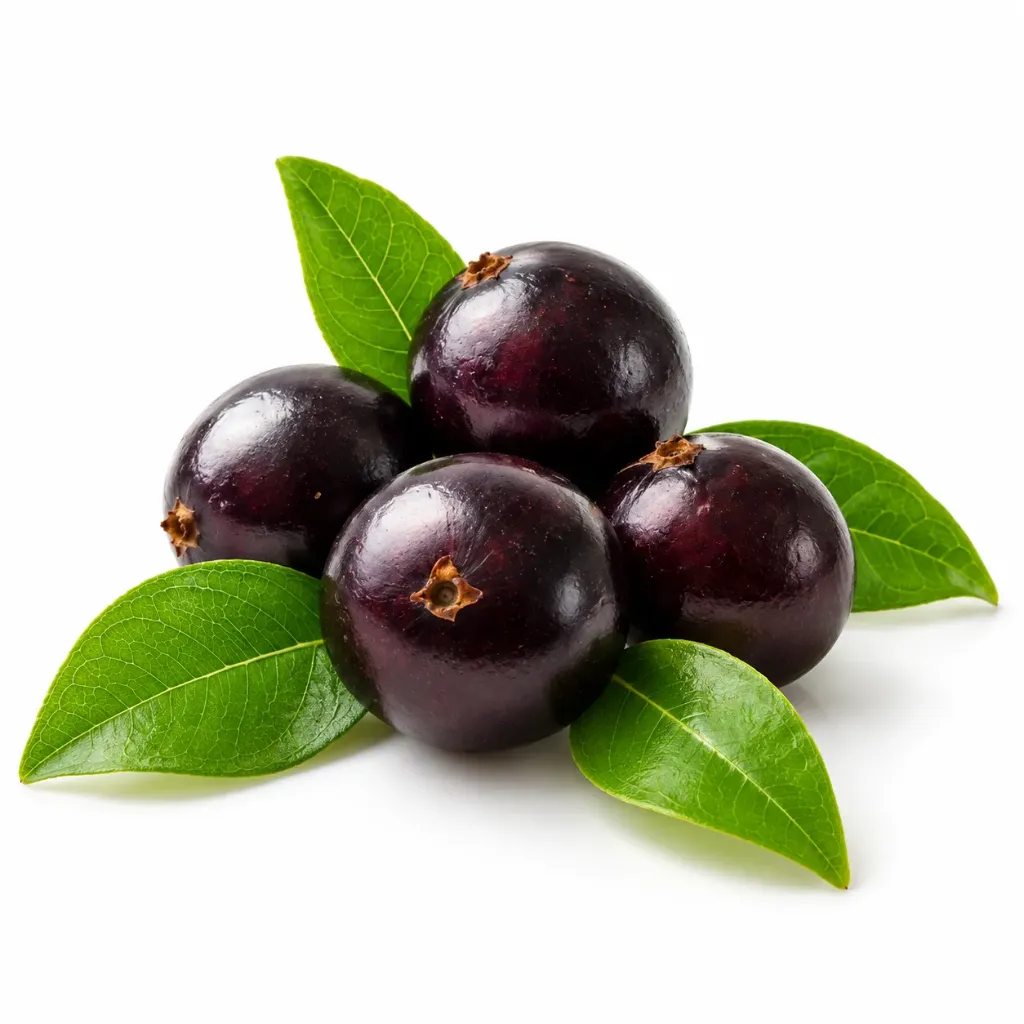
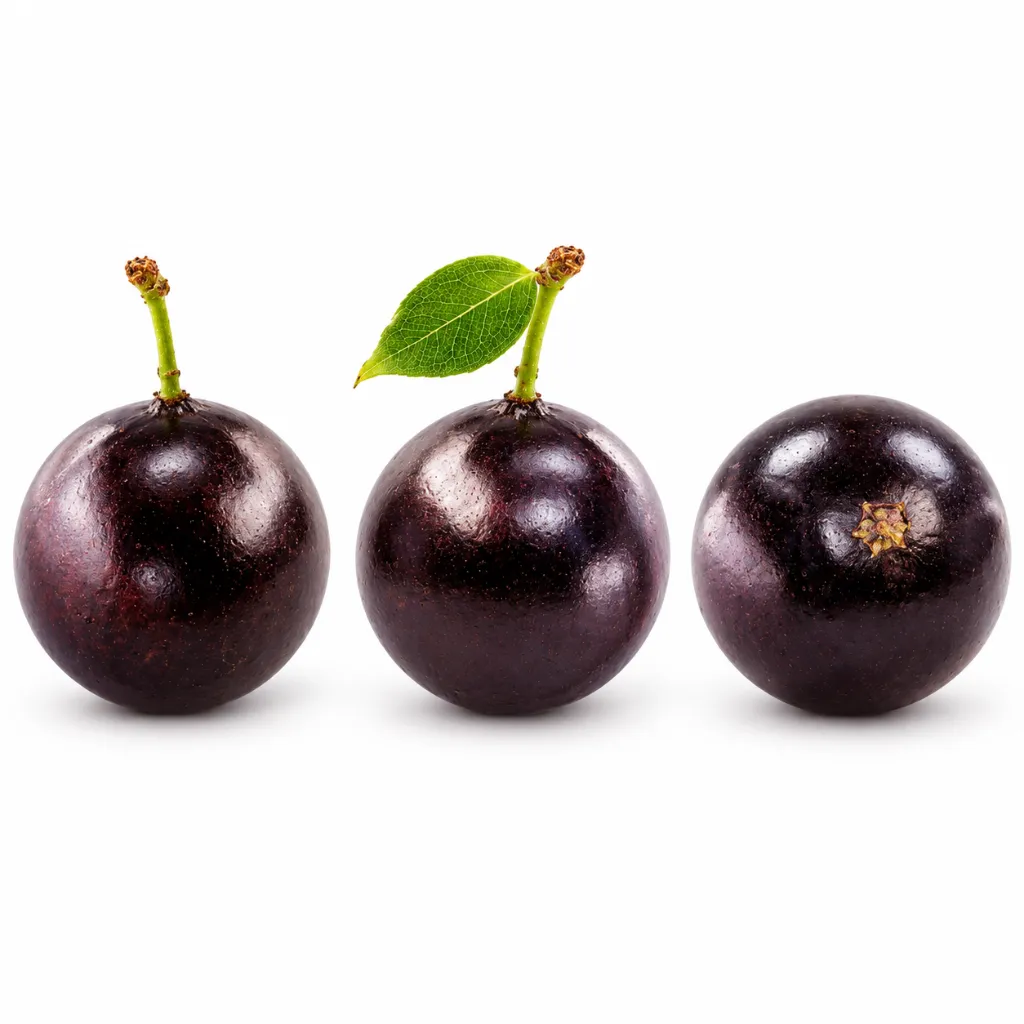
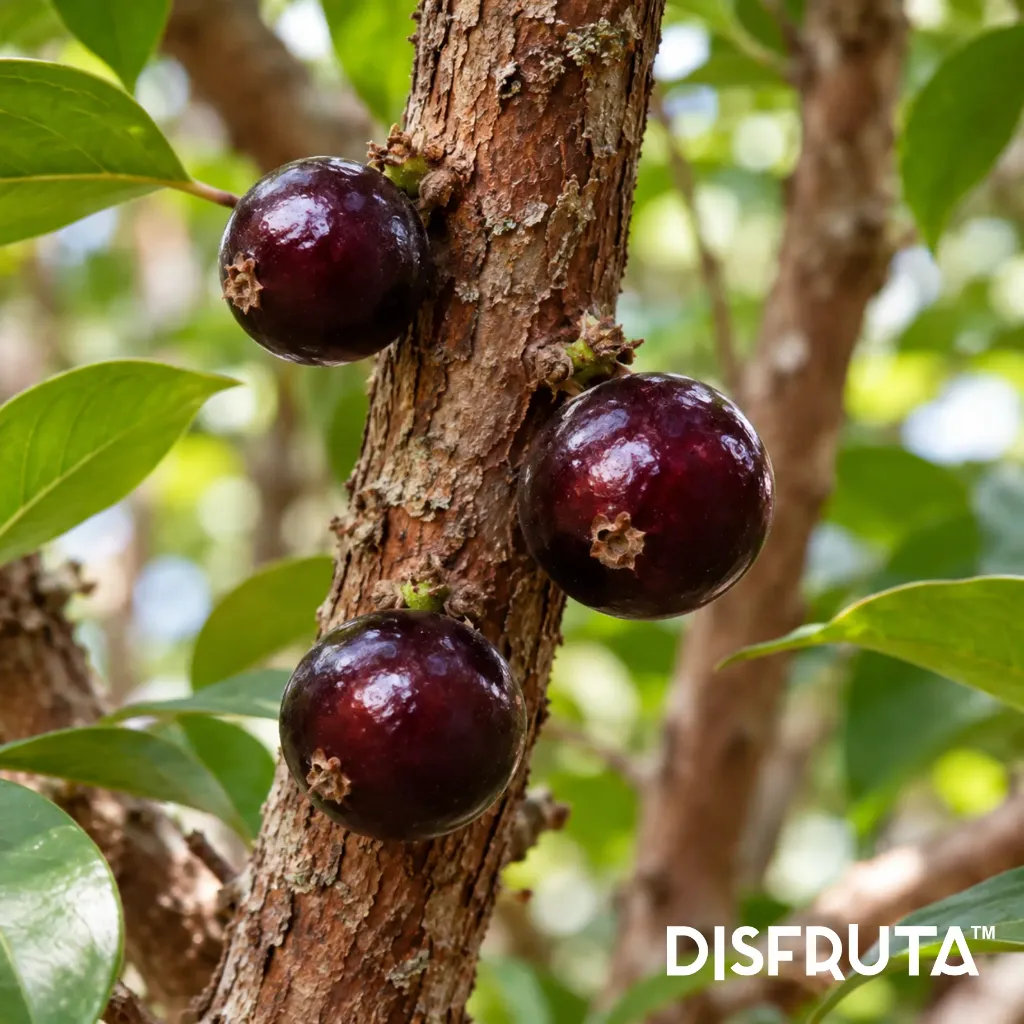
Jaboticaba (Plinia cauliflora), a tropical-subtropical fruit grown in Morelos, Mexico, recognized for its unusual habit of producing fruit directly on the trunk and main branches of the tree, a phenomenon known as cauliflory. The fruit is round with deep purple to nearly black skin and translucent-white, juicy and aromatic pulp. It is appreciated for its pleasant balance of sweetness and acidity and its distinctive character for fresh consumption and specialty culinary applications.
Organoleptic Properties
Small, round fruit resembling a large grape, with smooth, glossy skin that develops from green to deep purple or nearly black at maturity. The skin is relatively firm and slightly astringent, while the interior contains white to translucent, gelatinous and exceptionally juicy pulp with one or several seeds. Flavor is sweet, fresh and fruity with pleasant acidity and subtle notes reminiscent of grapes, lychee and other tropical fruits.
Suggested Uses
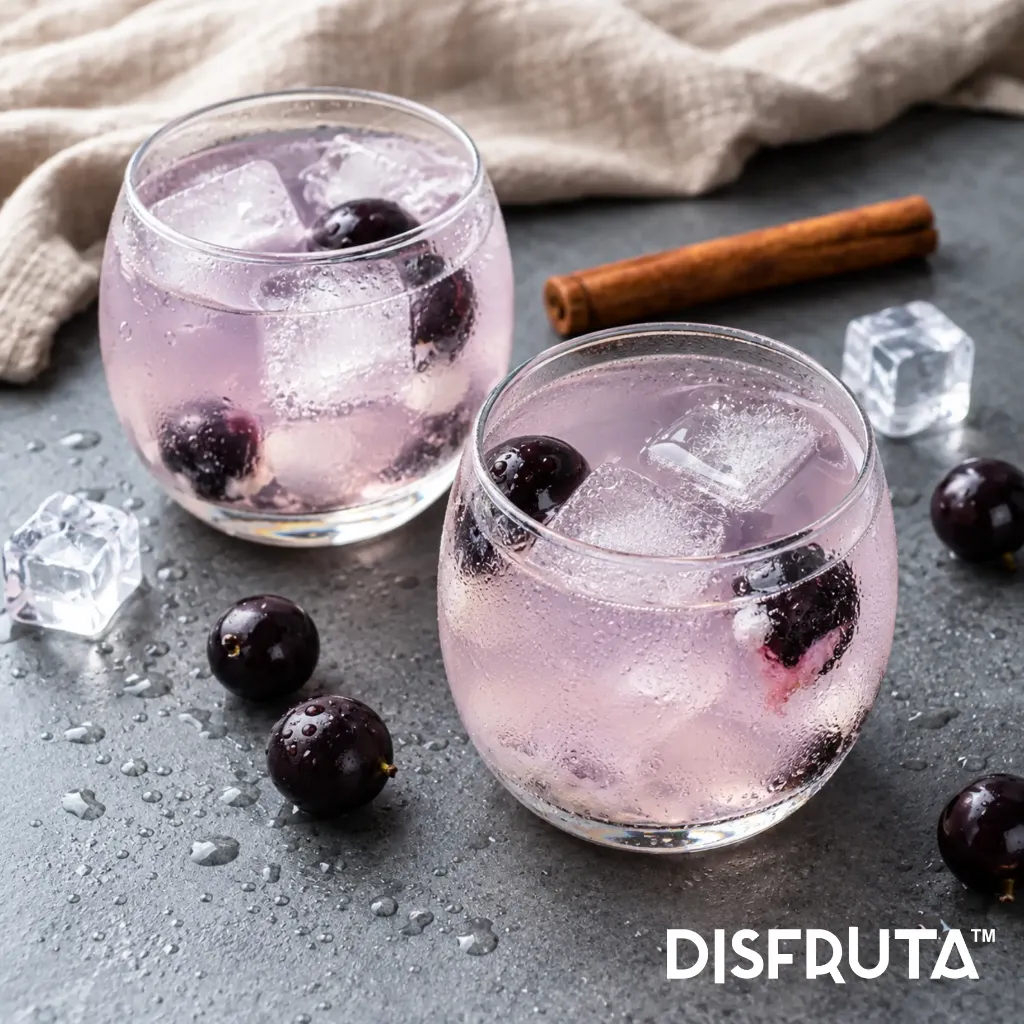
Ideal for fresh consumption, with seeds discarded according to preference. It can be used in juices, aguas frescas, smoothies, cocktails, syrups, compotes, preserves, jellies, sauces and desserts. In Brazil, jaboticaba is particularly valued for artisanal jellies, wines, liqueurs and fermented beverages. Its dark skin and pale pulp also provide an attractive visual contrast for gourmet presentations.
Format
Bulk (BLK) per kilogram. Whole fresh fruit selected for food applications.
Storage and Handling
Jaboticaba is a highly perishable fruit that begins losing quality rapidly after harvest. Keep refrigerated at approximately 5–10 °C (41–50 °F), protecting fruit from condensation, impact and excessive pressure. For optimal sensory quality, rapid commercialization and consumption are recommended. Avoid washing until shortly before use, as excessive surface moisture may accelerate deterioration.
Quality and Selection Criteria
Select whole, mature, firm and juicy fruit with predominantly deep-purple to black, smooth and glossy skin. Fruit should feel heavy for its size and have a fresh aroma, without deep cracks, fermentation, mold, leakage or excessively soft areas. Flesh should remain pale, translucent and juicy, with a clean and characteristic sweet-tart flavor.
Origin
Morelos, México.
Jaboticaba is native to South America and is particularly associated with Brazil, where it has significant cultural and culinary importance. One of its most remarkable botanical characteristics is cauliflory: flowers and fruit develop directly from the trunk and mature branches, giving heavily fruiting trees their distinctive appearance of being covered in small dark spheres. The skin naturally contains anthocyanins and other phenolic compounds associated with its intense pigmentation. Although these compounds have been extensively studied, their presence should not be interpreted as evidence of specific therapeutic effects.