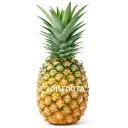
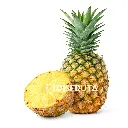
Fresh MD2 pineapple (Ananas comosus)
Grown in Veracruz, Mexico, and commercially known as Gota de Miel, a name associated with its pronounced sweetness and appealing tropical profile. MD2 is one of the world's most important commercial pineapple varieties, valued for its yellow to golden-yellow flesh, high juiciness, good firmness and attractive balance between sweetness and acidity.
Organoleptic Properties
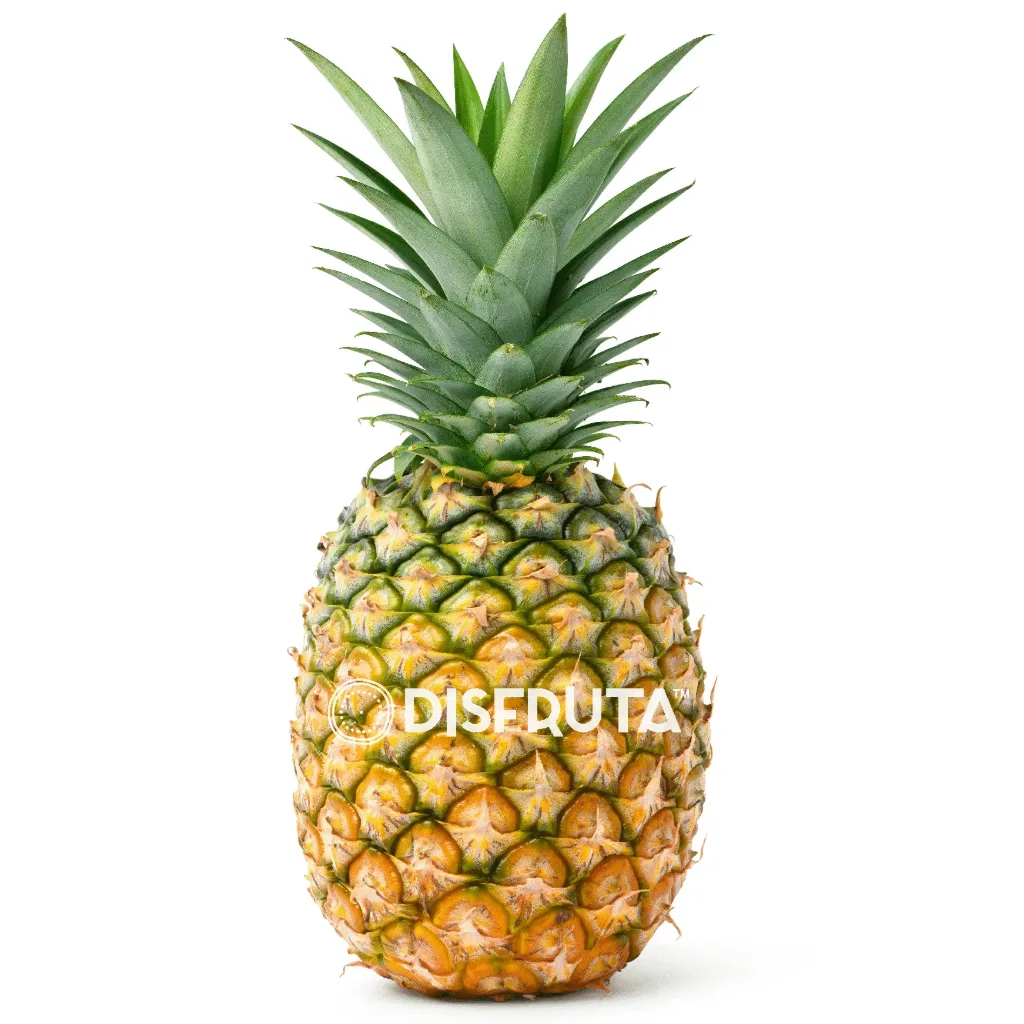
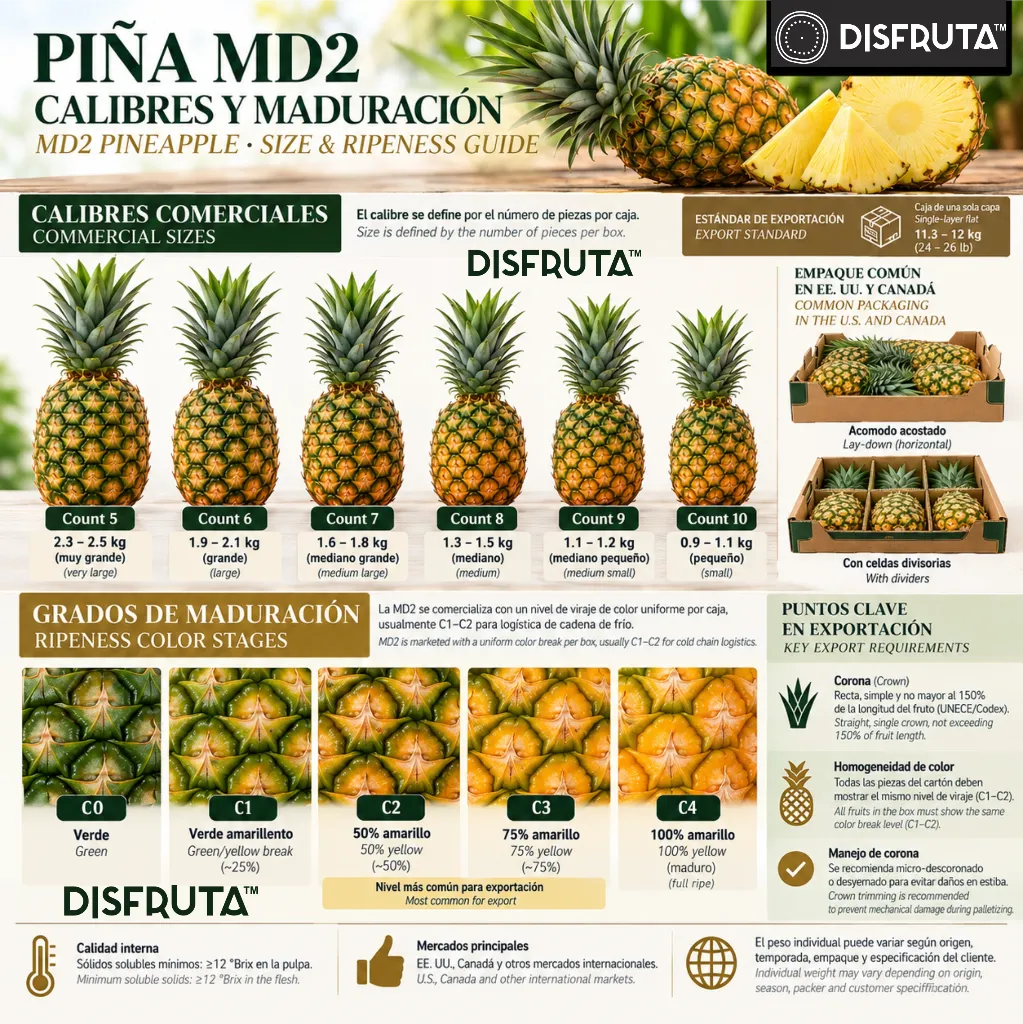
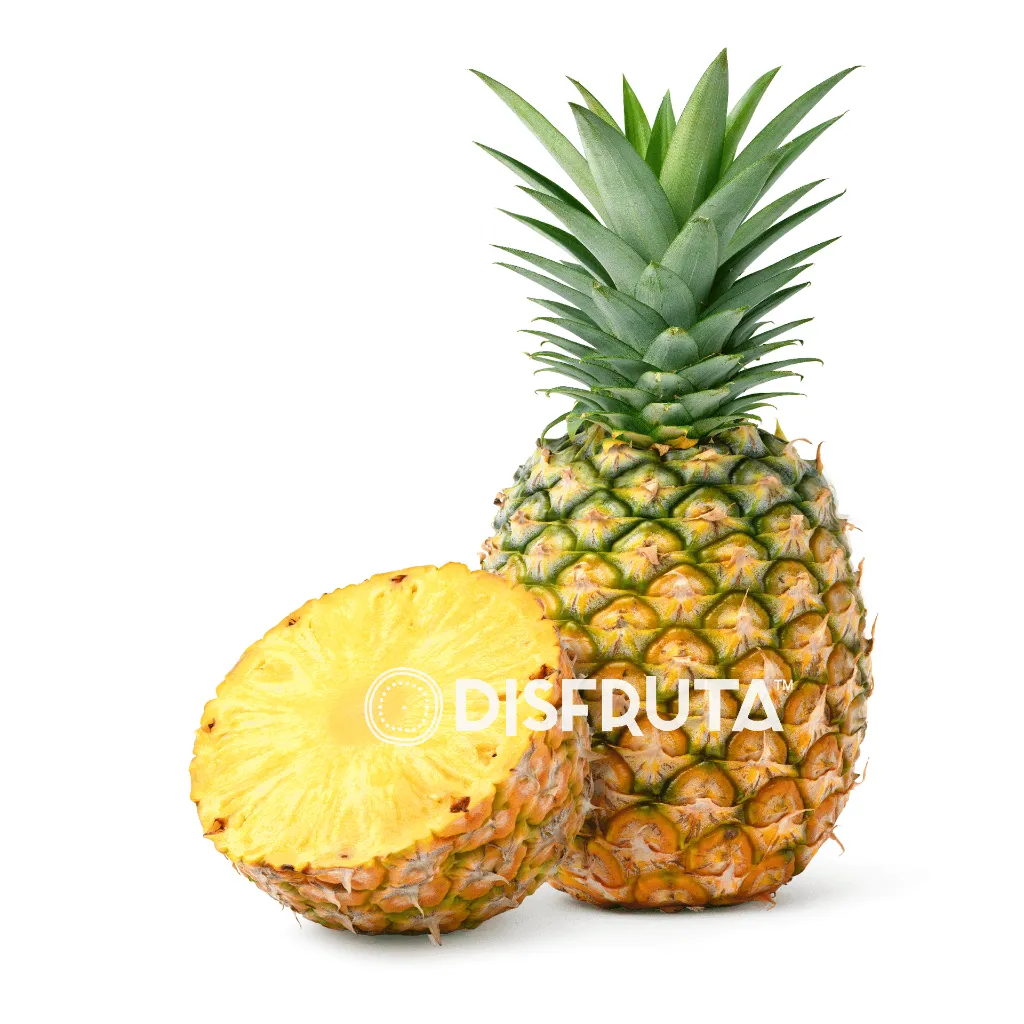
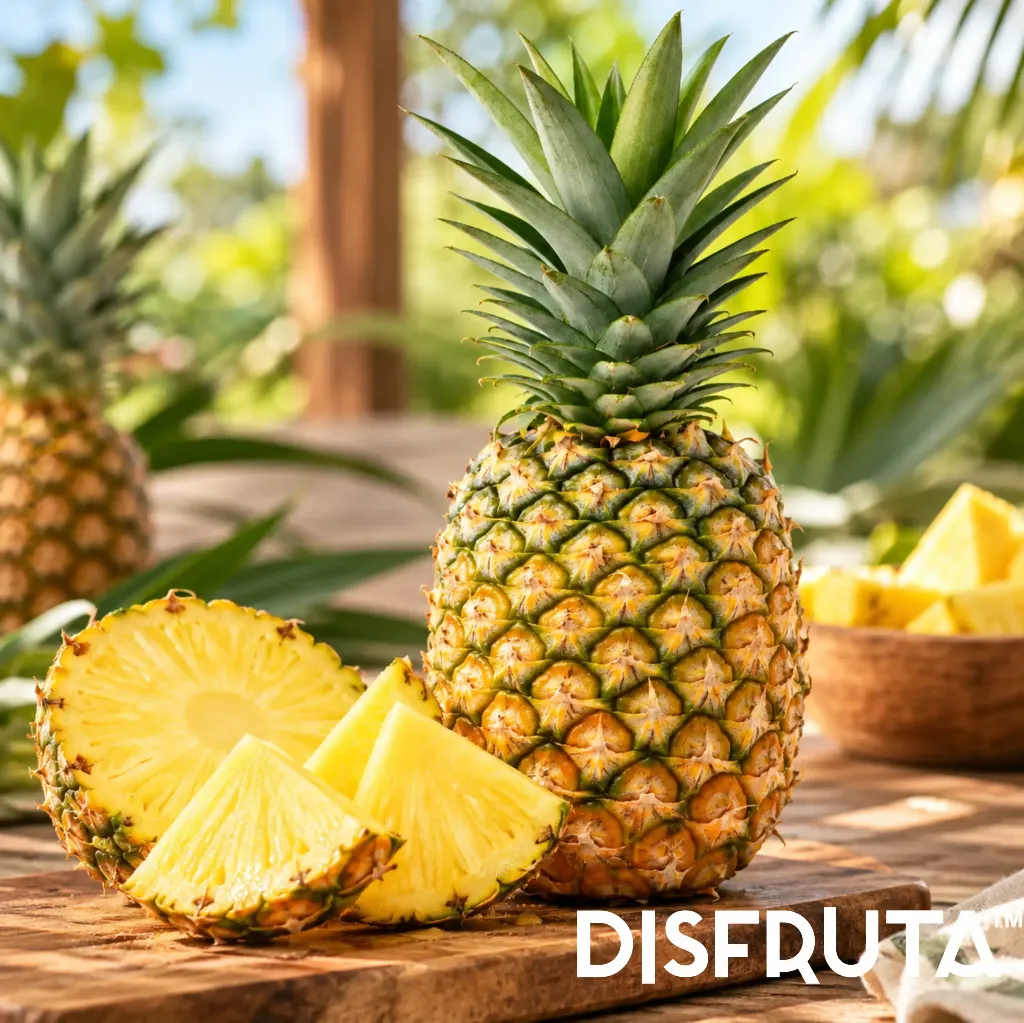
Cylindrical to slightly oval fruit with a firm rind composed of multiple hexagonal structures commonly known as “eyes.” As the fruit matures, its exterior may develop from green toward yellow and golden tones, although external color alone does not completely determine internal maturity.
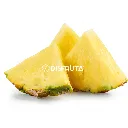
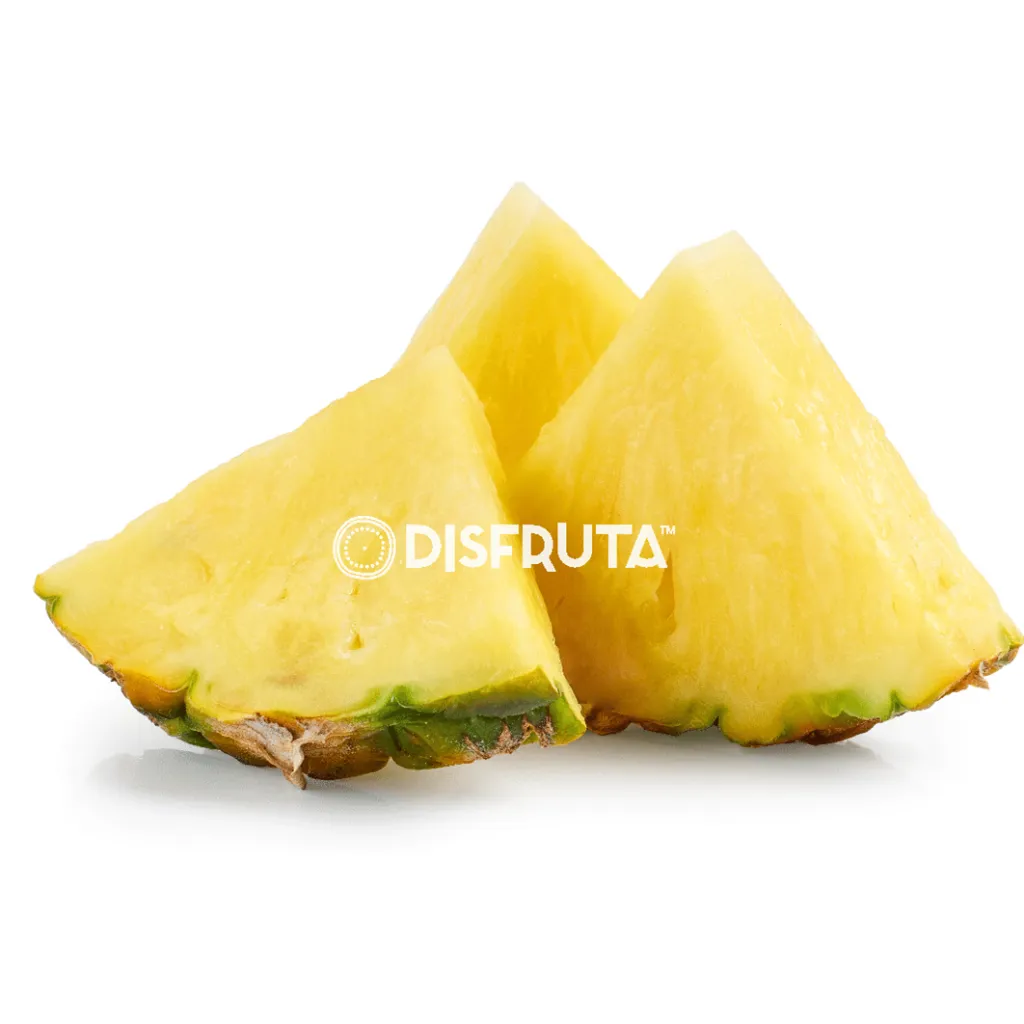
The flesh is yellow to golden yellow, firm, fleshy and highly juicy, with an intense tropical aroma. Flavor is predominantly sweet and refreshing with pleasant acidity and characteristic ripe-pineapple notes. The central core is firmer and more fibrous than the surrounding flesh, although it is also edible.
Suggested Uses
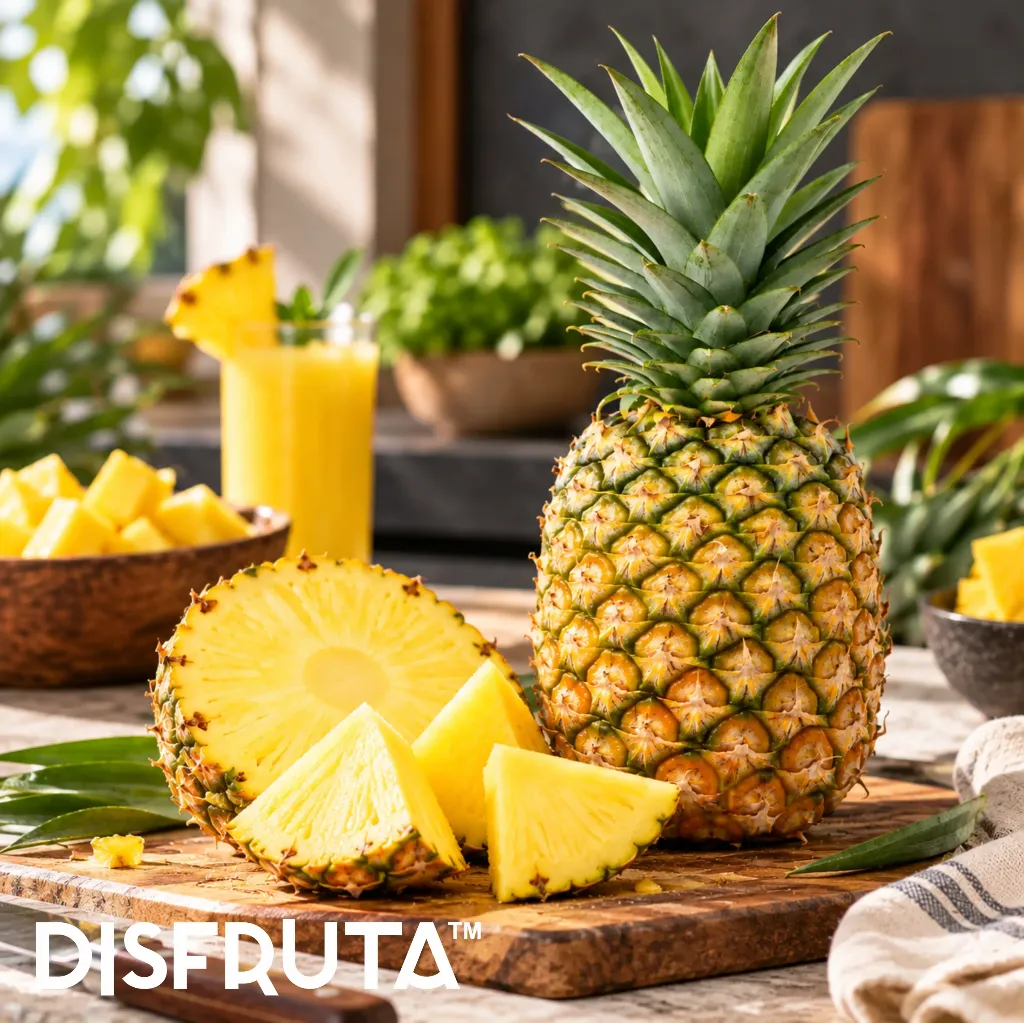
Ideal for fresh consumption in slices, cubes, spears or skewers, as well as fruit trays, breakfasts, buffets, salads, bowls, yogurt and foodservice preparations. Its sweet tropical profile makes it particularly suitable for juices, aguas frescas, smoothies, cocktails, sorbets, ice cream, frozen treats and desserts.
In savory cooking, pineapple can be incorporated into sauces, chutneys, sweet-and-sour preparations, tacos, salads and accompaniments for pork, chicken, fish and seafood. It can also be grilled, baked or caramelized, concentrating its sweetness and developing deeper aromatic notes.
Fresh pineapple naturally contains bromelain, a group of proteolytic enzymes capable of breaking down proteins. This property explains its traditional use in meat marinades and why fresh pineapple may interfere with gelatin setting; sufficient heating inactivates these enzymes.
Format
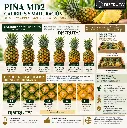
Bulk (BLK) per kilogram. Whole fresh fruit with crown, subject to natural variations in size, weight, shape and external coloration. (See Size & Ripness Guide)
Storage and Handling
Store whole fruits in a cool, dry place protected from direct sunlight, avoiding impacts, excessive pressure and excessively low temperatures for prolonged periods. Pineapple is a tropical fruit and may develop chilling injury when exposed to unsuitable low-temperature conditions.
Once peeled or cut, keep refrigerated in a clean, sealed container and consume within a short period to preserve juiciness, aroma and sensory quality. Pineapple is a non-climacteric fruit, meaning that after harvest it does not significantly increase its sugar content as climacteric fruits do; consequently, appropriate maturity at harvest is particularly important for eating quality.
Quality and Selection Criteria
Select firm, well-developed fruits that feel heavy for their size and have a fresh characteristic aroma, with an intact rind and crown in appropriate condition. Avoid fruit showing soft areas, fermentation, leakage, severe bruising, mold, alcoholic odors or advanced deterioration.
External coloration may range from green to golden yellow depending on maturity and growing conditions; therefore, a pineapple with a green exterior is not necessarily unripe. Firmness, aroma, fruit integrity, development and internal condition should be considered together when evaluating quality.
Origin
Veracruz, Mexico.
MD2, also internationally marketed within the Extra Sweet or Golden pineapple category, transformed the international fresh-pineapple market through its combination of high sweetness, balanced acidity, golden-yellow flesh, good firmness and strong commercial performance. In Mexico, Veracruz is one of the country's most important and traditional pineapple-producing regions. The commercial name “Gota de Miel”, literally “drop of honey,” refers to the particularly sweet and juicy character associated with this type of pineapple by consumers.