Pink Xoconostle | Opuntia joconostle | State of Mexico | C-PLS 10 Kg
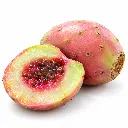
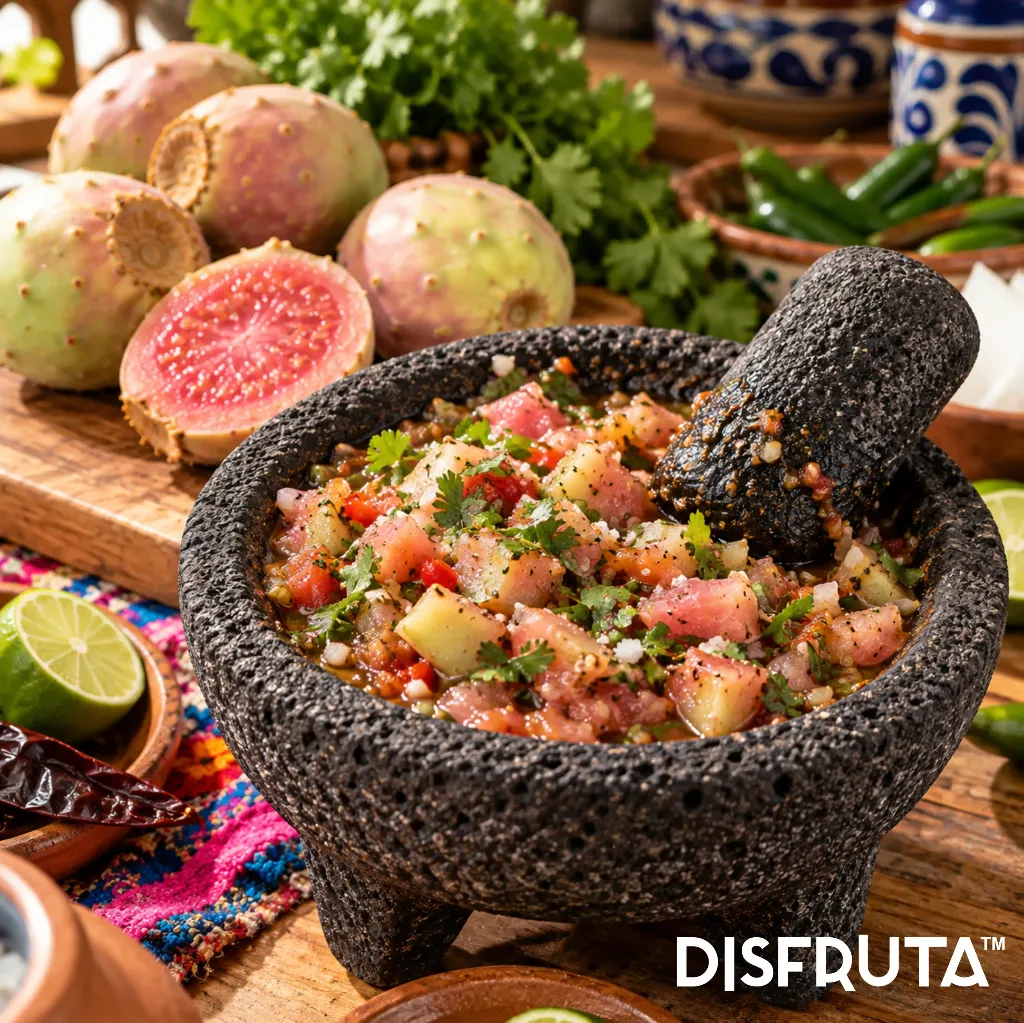
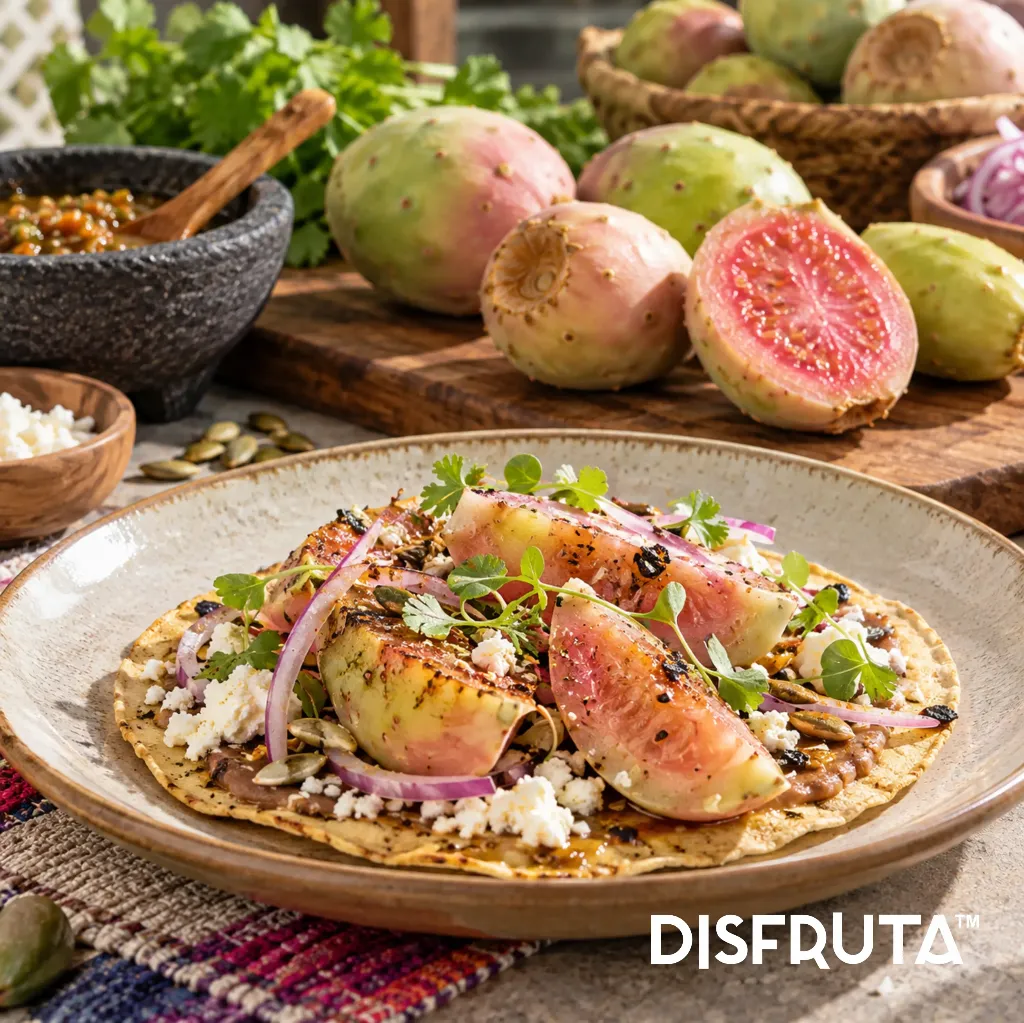
Pink Xoconostle, a tart cactus fruit of the genus Opuntia, grown in the State of Mexico. Unlike sweet prickly pears, xoconostle is characterized by its firm flesh, distinctly tart and slightly astringent flavor, with seeds primarily concentrated in the center of the fruit. Its characteristic acidity explains its importance as an ingredient in numerous traditional dishes from Central Mexico. Gobierno de México
Organoleptic Properties
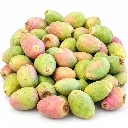
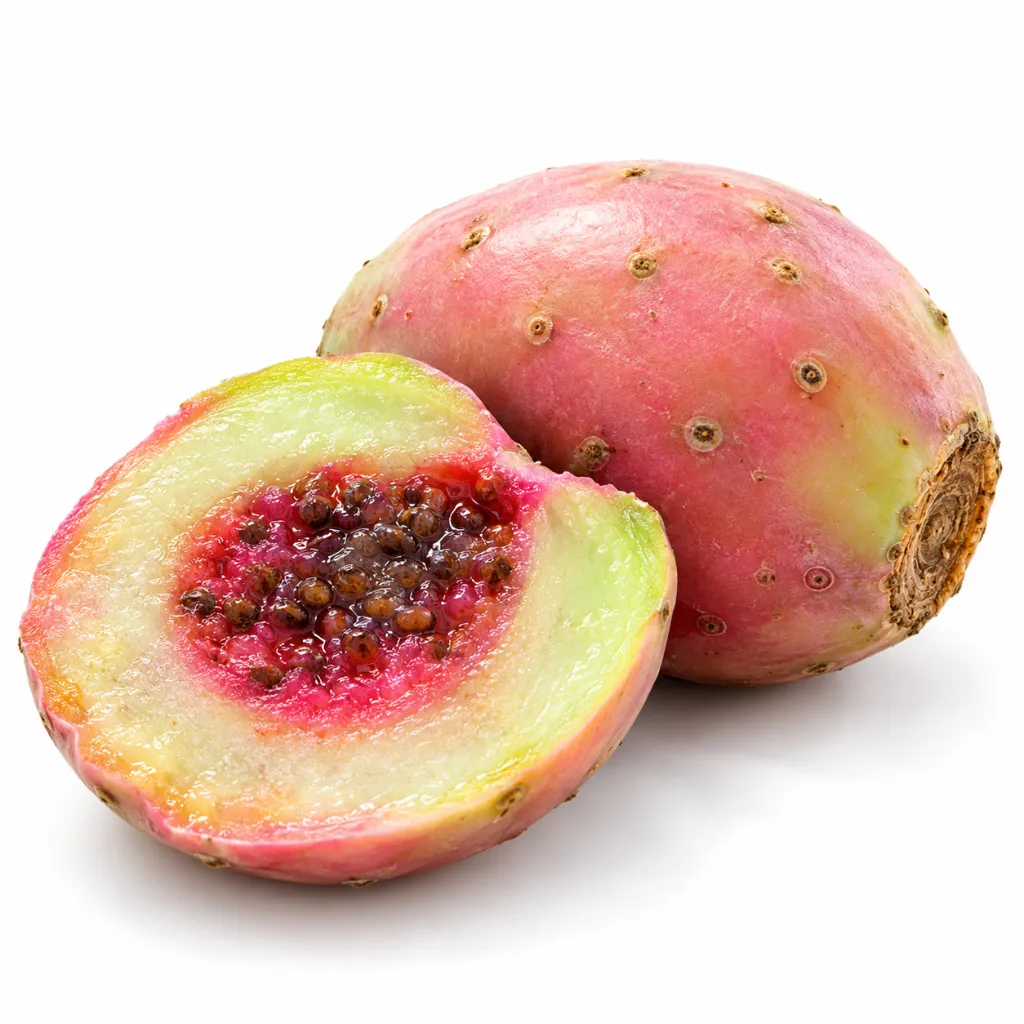
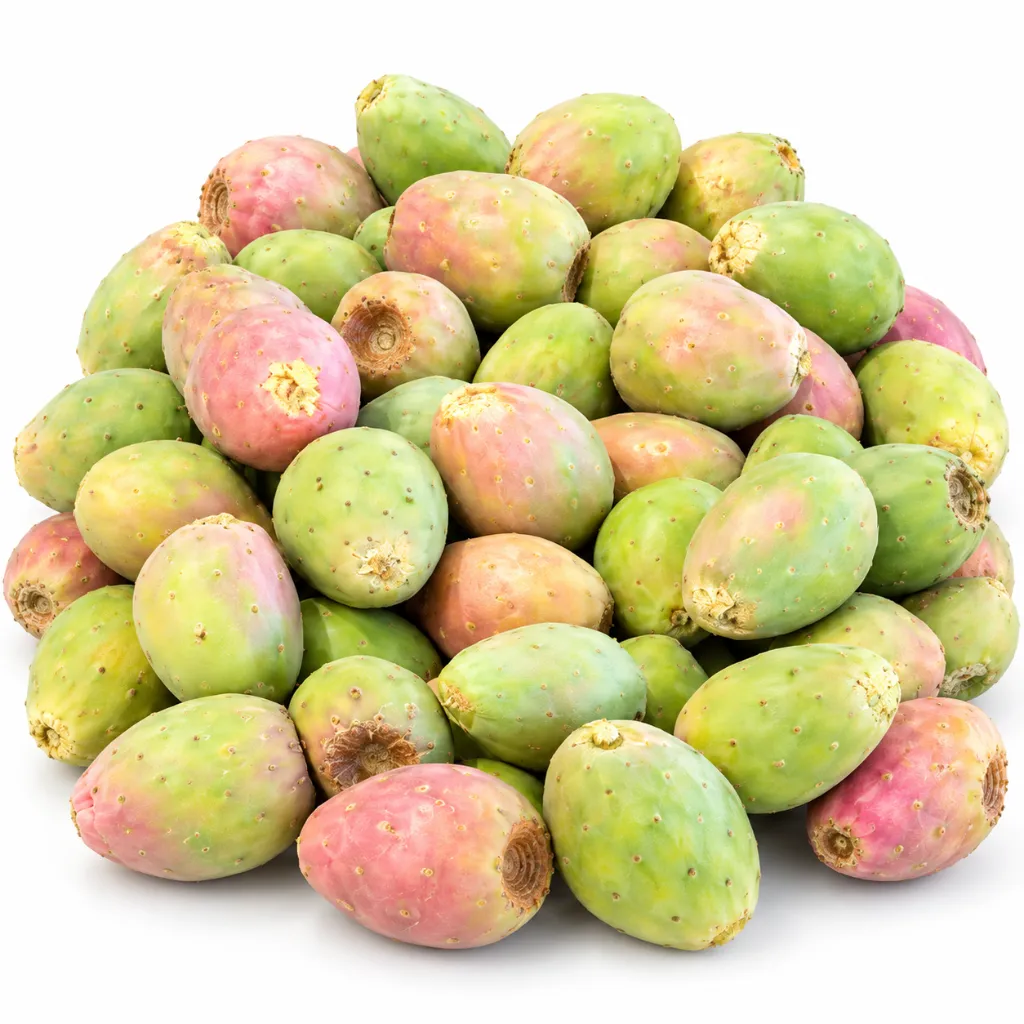
Round to oval fruit with relatively thick skin that may develop pink, reddish or slightly purple tones as it matures. Flesh is firm and fleshy, with a distinctly tart, fresh and slightly astringent flavor, while the seeds are concentrated in a central core. Its pronounced acidity is one of its most valued culinary attributes, helping balance rich, spicy and intensely flavored preparations.
Suggested Uses
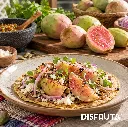
Xoconostle has an important place in traditional Mexican gastronomy, particularly throughout Central Mexico. One of its most representative applications is mole de olla, where peeled and deseeded pieces provide characteristic acidity to the broth prepared with beef, dried chiles and vegetables. It is also traditionally incorporated into bone-marrow soup, shrimp broth, beans, green pipián and other Mexican stews. Larousse Cocina
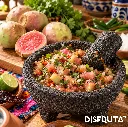
It is particularly suitable for molcajete salsas. The fruit can be roasted with tomatoes, chiles, garlic and onion and then coarsely ground, providing a distinctive fruity acidity. Mexican culinary references include xocochile, molcajete chile with xoconostle, tomato-xoconostle salsa, green-chile preparations and salsa borracha with xoconostle. Its acidity also works particularly well with beef and rich meat dishes. Larousse Cocina Larousse Cocina
Sweet applications are equally traditional. Xoconostle can be prepared as fruit preserved in syrup, compotes, jams, traditional sweets, preserves and aguas frescas, as well as beverages and liqueurs. In the State of Mexico, traditional preparations include cooking the fruit with piloncillo or sugar. For culinary use, the outer skin and central seed core are generally removed, leaving the firm flesh to be cut into wedges, cubes or strips according to the recipe. Gobierno de México
Formato
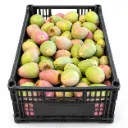
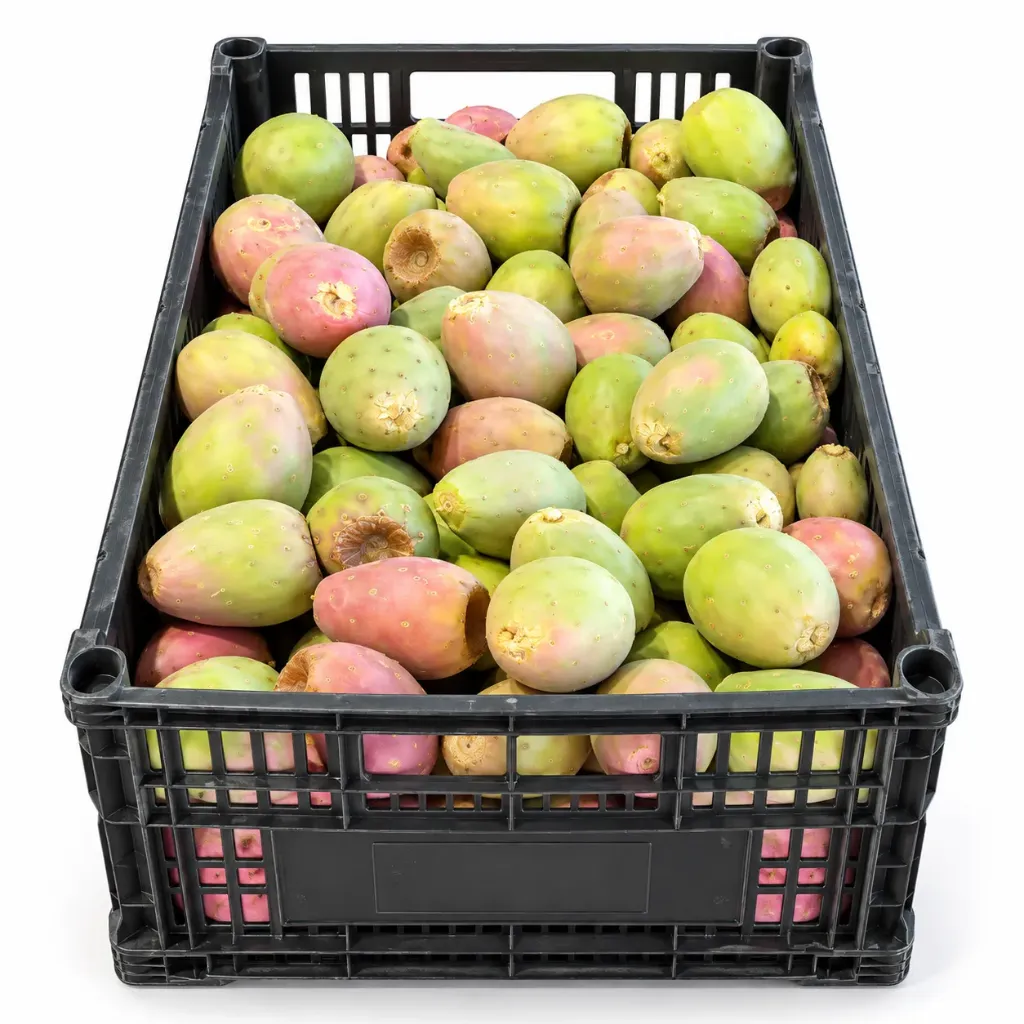
Plastic crate (C-PLS) containing 10 Kg of whole fresh fruit, subject to natural variations in size, coloration and maturity.
Storage and Handling
Store in a cool, dry place protected from direct sunlight, avoiding drafts or excessive air movement. Continuous exposure to moving air increases moisture loss through transpiration, which may result in dehydration, loss of turgidity and skin shriveling, reducing the fruit's overall quality and appearance. Moderate refrigeration may be used for extended commercial storage while avoiding temperatures that could cause chilling injury. Once peeled or cut, keep refrigerated in a clean, sealed container and use within a short period to preserve texture and sensory quality.
Quality and Selection Criteria
Select whole, firm and well-developed fruit with characteristic skin coloration and without significant mechanical damage. Flesh should retain its firm, fleshy texture and characteristic tart flavor. Avoid fruit with excessively soft areas, fermentation, mold, deep wounds or evident deterioration. Seeds naturally concentrated in the center are characteristic of xoconostle and allow the central core to be conveniently removed for culinary applications. Larousse Cocina Larousse Cocina
Origin
Mexico State, Mexico.
The name xoconostle derives from Nahuatl and refers to a “tart or sour prickly pear”, distinguishing it from sweeter prickly pears primarily consumed as fresh fruit. Its use as food in Mexico dates back to pre-Hispanic times and remains deeply connected with the culinary traditions of the Mexican Highlands and Central Mexico. INIFAP documents its use in salads, jams, traditional sweets and liqueurs, while Mexican culinary tradition extends its applications to moles, broths, pipián, salsas and preserves.