Frambuesa Malú | 6 Clamshells 340 g – 12 Oz
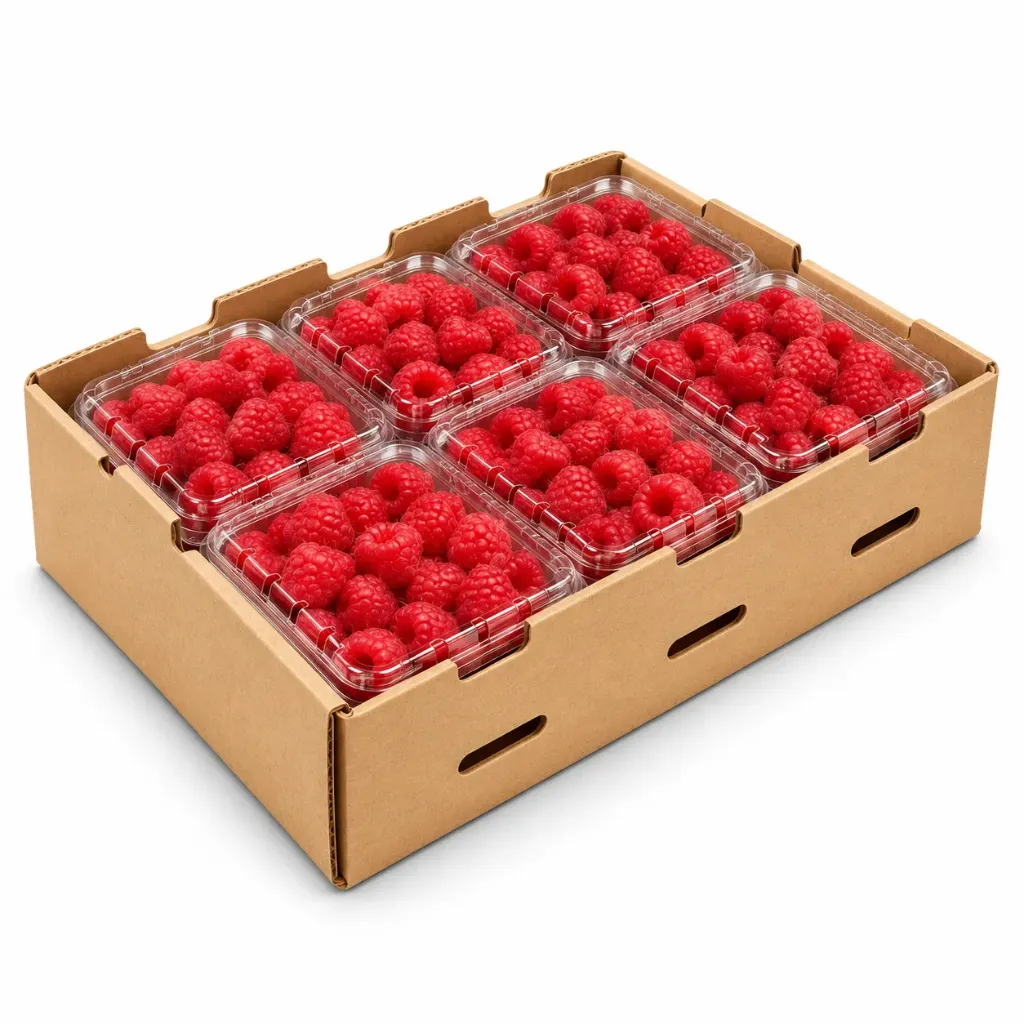
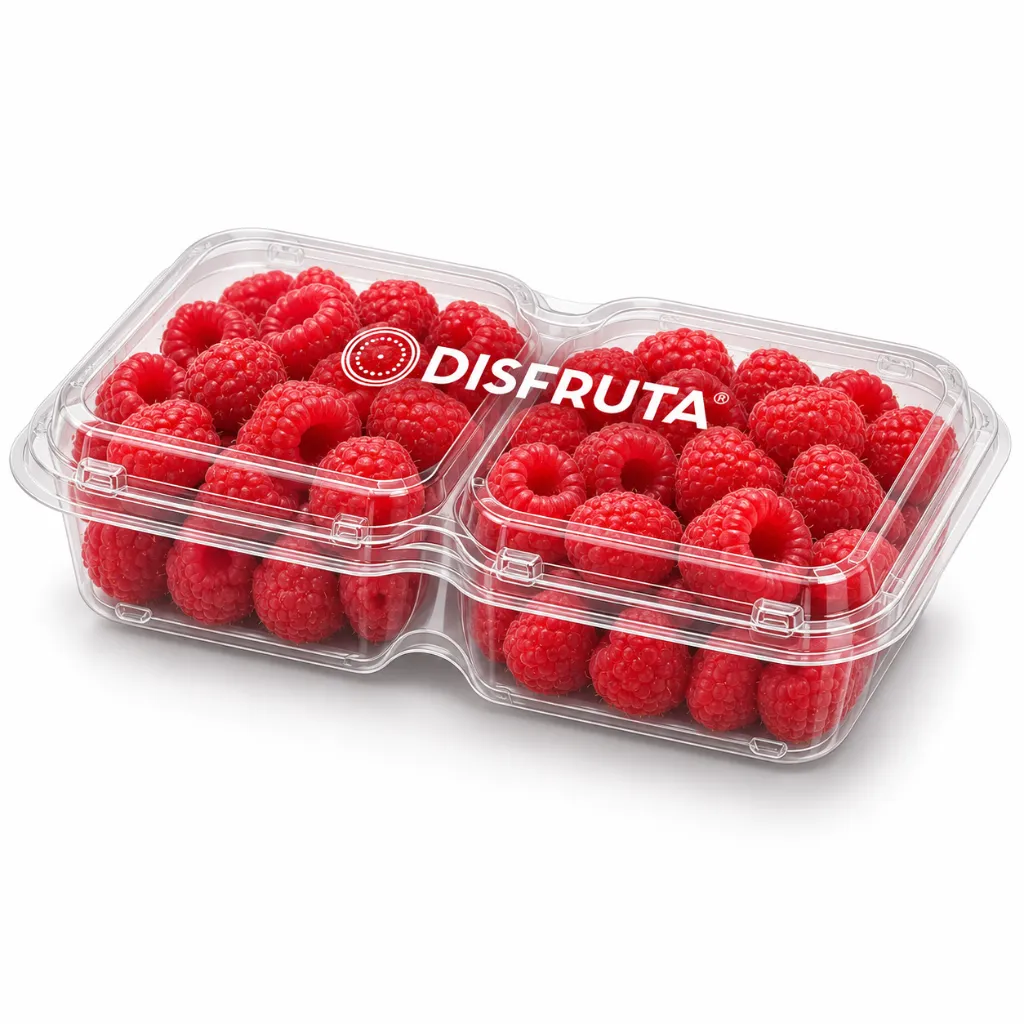
Malú red raspberries (Rubus idaeus L.) are delicate, aromatic berries appreciated for their intense red coloration, tender and juicy texture, naturally sweet flavor with refreshing acidity and pleasant fruity aroma. Grown in Guanajuato, Mexico, they stand out for their freshness and versatility in baking, gourmet cuisine and direct consumption. Their presentation in a cardboard carton containing 6 clamshells of 340 g (12 oz) each provides a convenient format for commercial distribution, restaurants, cafés and specialty food retailers.
Organoleptic Properties
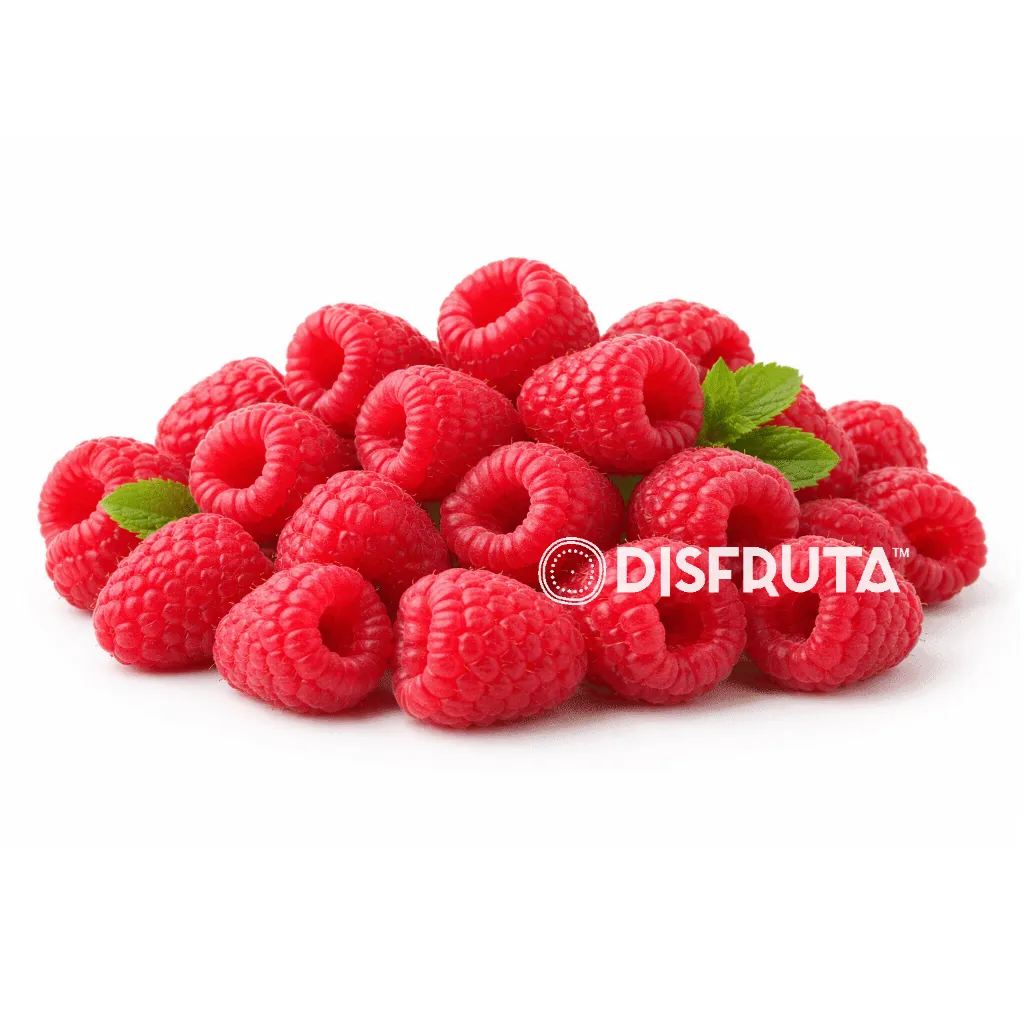
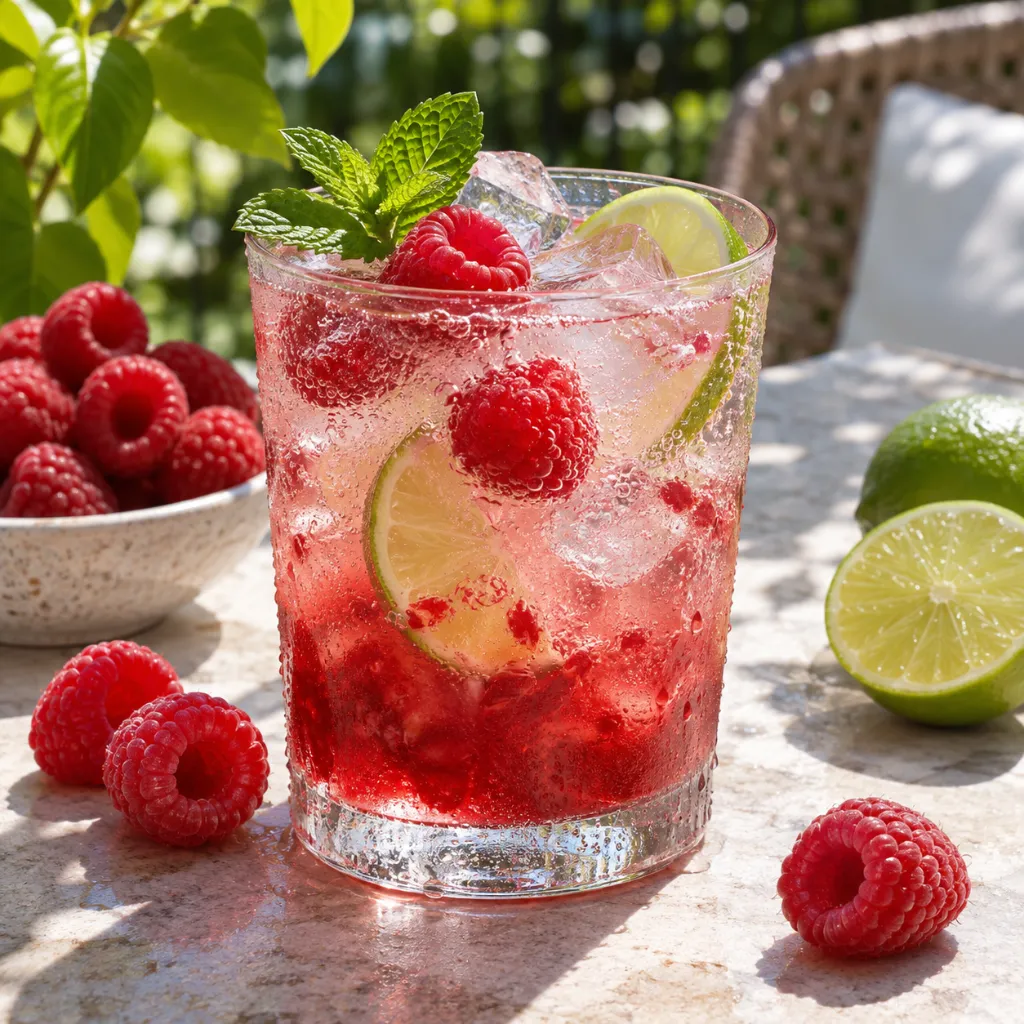
Small, rounded to slightly conical fruit composed of numerous drupelets forming a delicate structure with a characteristic hollow center. Color ranges from bright red to deep red, with a slightly velvety surface. The flesh is tender, juicy and delicate, containing tiny edible seeds. Flavor combines natural sweetness, balanced acidity and aromatic woodland berry notes, delivering a fresh and pleasant eating experience.
Suggested Uses
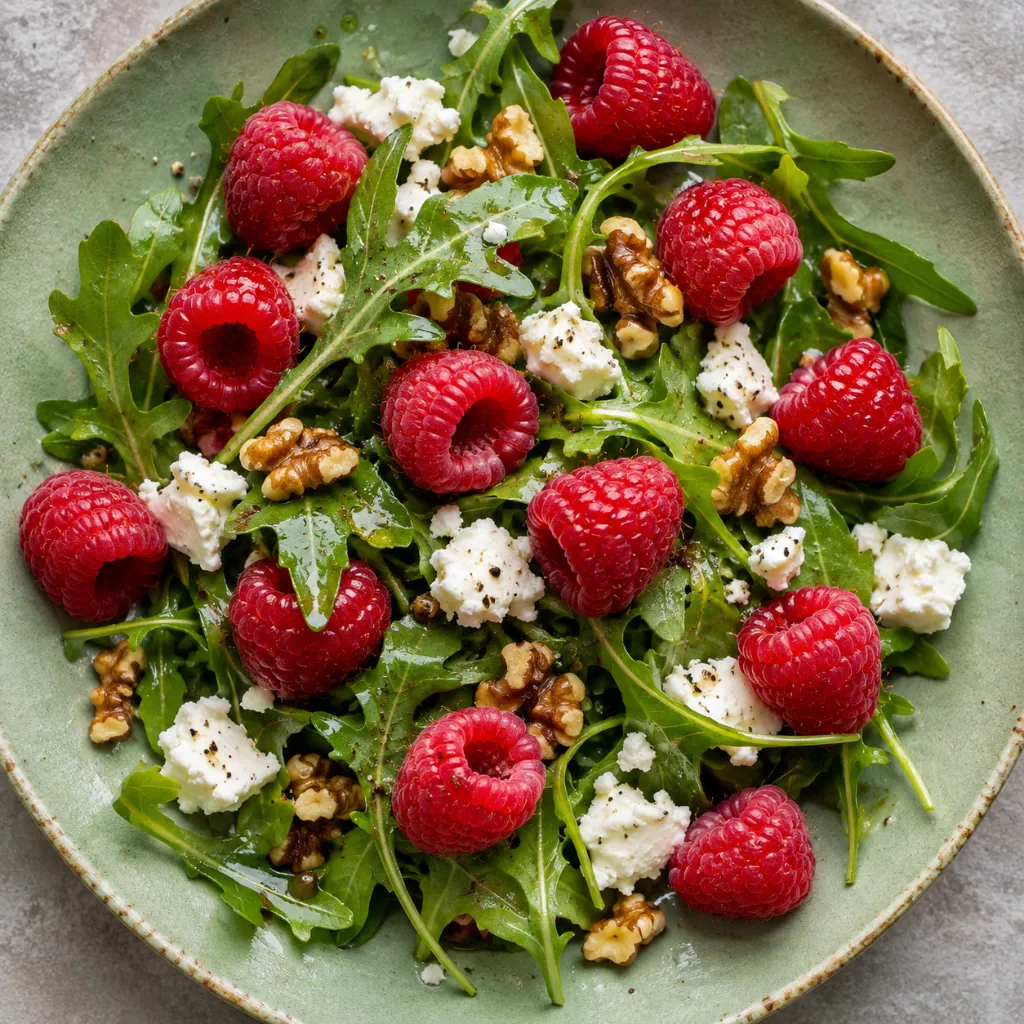
Ideal for fresh consumption, fruit bowls, yogurt, oatmeal, granola, smoothies, fruit salads and healthy breakfasts. In baking and pastry applications, raspberries are especially suitable for cheesecakes, tarts, mousses, macarons, pavlovas, jams, compotes, sorbets, ice cream and coulis. In contemporary cuisine, they pair with dark chocolate, white chocolate, vanilla, pistachios, almonds, goat cheese and citrus. They are also used in vinaigrettes, reductions and sweet-tart sauces accompanying duck, pork, poultry and gourmet dishes.
Format
Cardboard carton (C-CTN) containing 6 clamshells of 340 g (12 oz) each, equivalent to a nominal total net weight of 2.04 Kg per carton. Fresh Malú raspberries grown in Guanajuato, Mexico. Individual containers provide an attractive presentation and facilitate handling, storage and distribution. Berry size and count may vary depending on harvest conditions and commercial selection. Avoid compressing the containers and keep ventilation openings unobstructed.
Storage and Handling
Maintain preferably at 0–1 °C (32–34 °F) and approximately 90–95% relative humidity, preserving an uninterrupted cold chain. Raspberries are highly perishable and typically have an approximate storage life of 2–5 days under optimal conditions. Avoid impacts, condensation and excessive surface moisture, which encourage fungal development, including Botrytis cinerea. Keep clamshells refrigerated and do not wash the berries until ready to eat.
Quality and Selection Criteria
Select raspberries that are firm for their delicate nature, uniformly red, well formed and composed of intact drupelets, without mold, crushing, juice leakage or fermentation. Fruit should retain a fresh, pleasant aroma, good juiciness and balanced flavor. Clamshells should be clean, intact and free from accumulated liquid. Avoid excessively soft, darkened or deteriorating berries.
Season
In Guanajuato, raspberry production depends on cultivar, regional weather conditions and agricultural management systems. Adapted varieties and protected cultivation techniques may provide different harvest windows throughout the year. Specific availability of Malú raspberries should be confirmed against the grower's production calendar.
Origin
Mexico.
Red raspberries (Rubus idaeus) belong to the Rosaceae family, along with strawberries, blackberries, apples and pears. Their botanical origins are associated mainly with Europe and temperate regions of Asia, where wild raspberries have grown and been gathered for centuries.
An interesting botanical fact is that raspberries are not true berries, but aggregate fruits composed of numerous small drupelets. Their characteristic hollow center develops when the ripe fruit separates from the plant's receptacle during harvesting.
Their combination of vibrant red coloration, delicate aroma, refreshing sweet-tart flavor and culinary versatility has made raspberries highly valued in international pastry and gourmet cuisine. Mexico has developed an important berry-growing industry across several agricultural regions, including Guanajuato.