The Tango mandarin is a premium citrus cultivar derived from the W. Murcott mandarin group, renowned for its deep-orange coloration, exceptional juiciness, sweet and balanced flavor, and virtually seedless character. Grown in Chile, Tango is distinguished by its relatively thin, smooth skin and easy-peeling characteristics, making it particularly appealing for fresh consumption. Its development represents an important advancement in modern mandarin breeding, providing high-quality fruit with exceptionally low seed content, even under cross-pollination conditions.
Organoleptic Properties
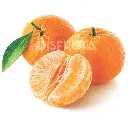
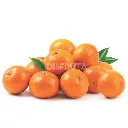
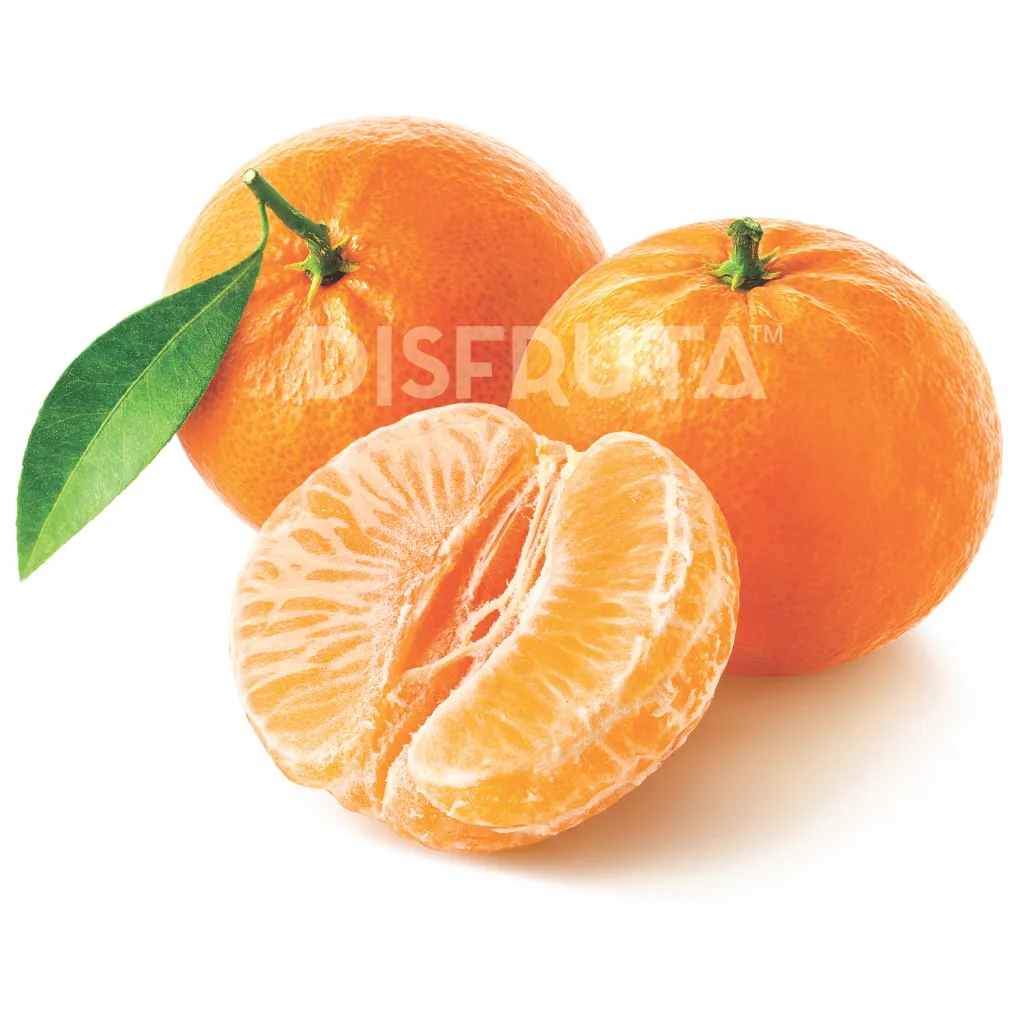
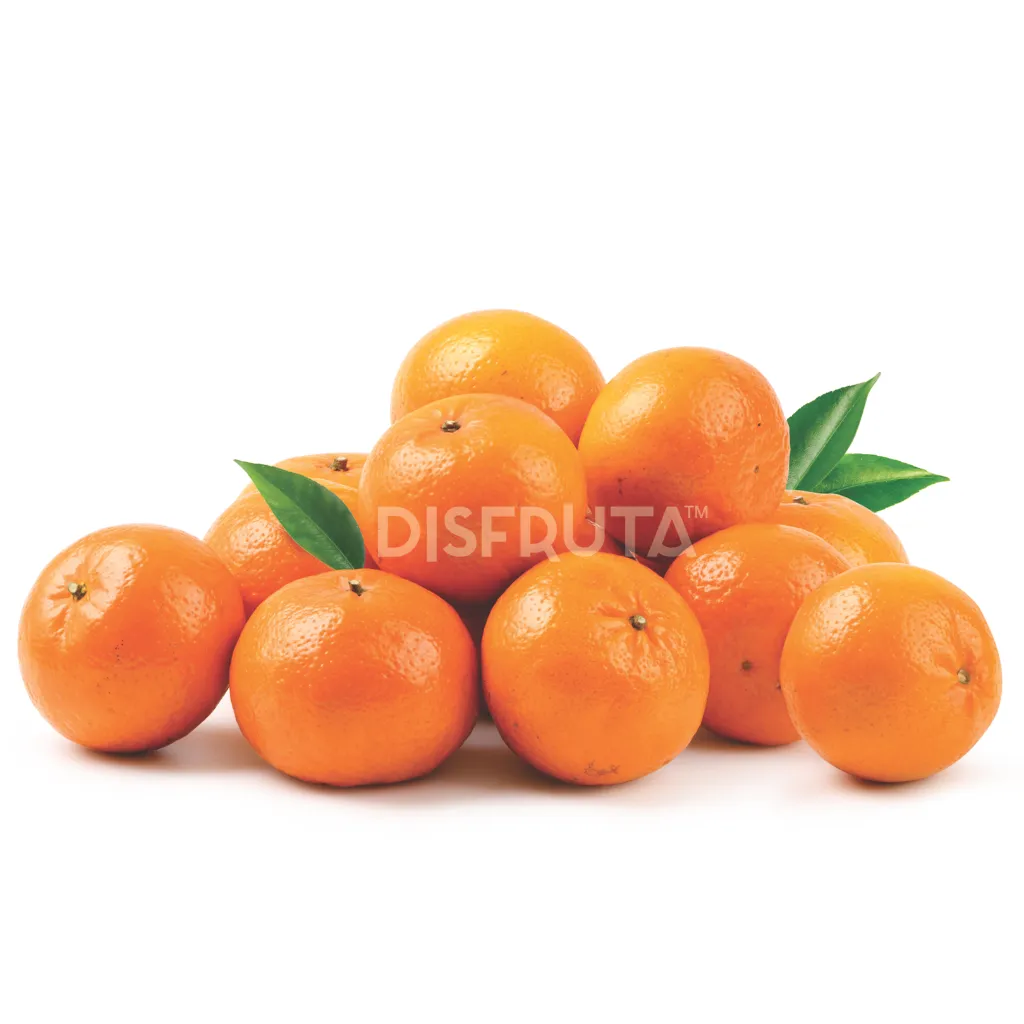
Medium-sized fruit with a round to slightly flattened shape, relatively thin, smooth skin and deep-orange to reddish-orange coloration. The flesh is deep orange, consisting of tender, juicy and fine-textured segments, with a predominantly sweet, refreshing and aromatic flavor, balanced by pleasant acidity. Original University of California, Riverside evaluations reported approximately 12–14 °Brix, an average diameter of 59 mm and juice content near 50%, as general varietal references rather than mandatory lot specifications. Tango is commercially classified as seedless, although an occasional seed may occur.
Suggested Uses
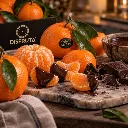
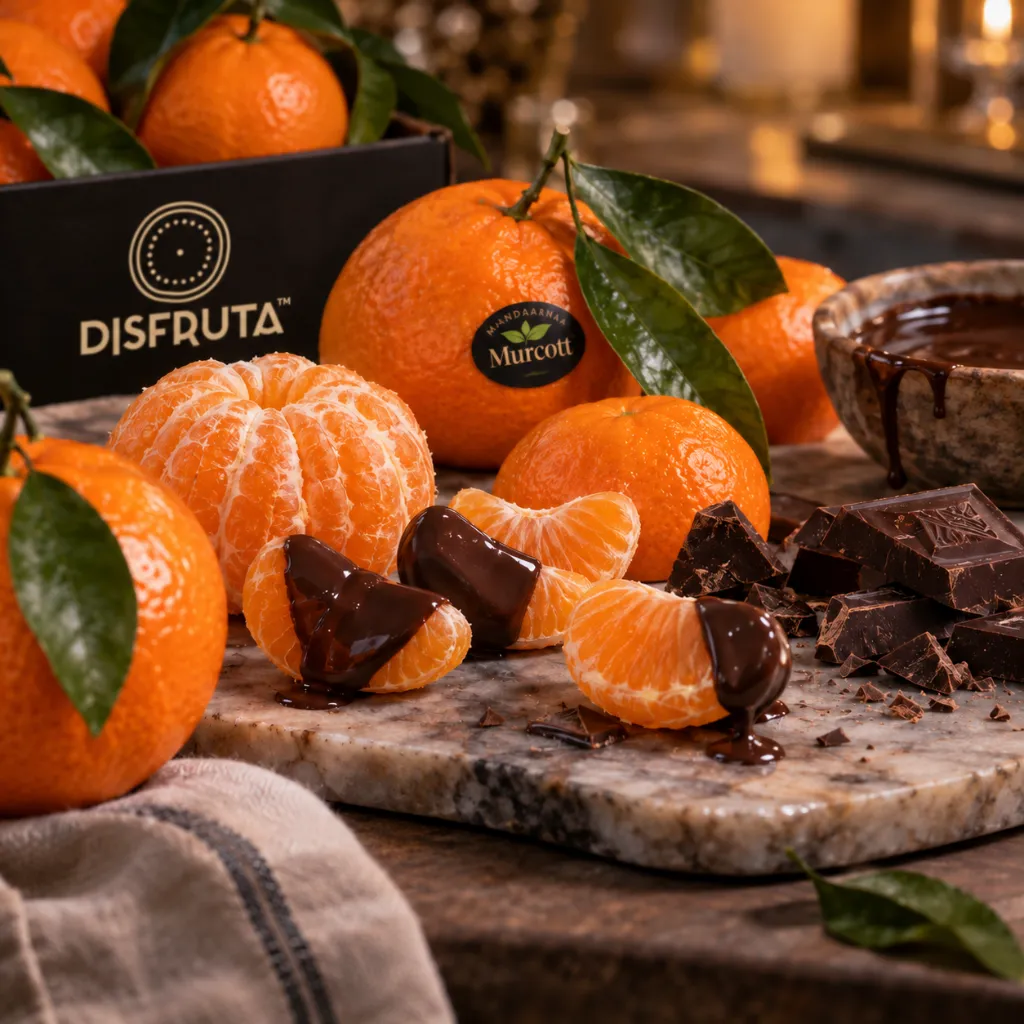
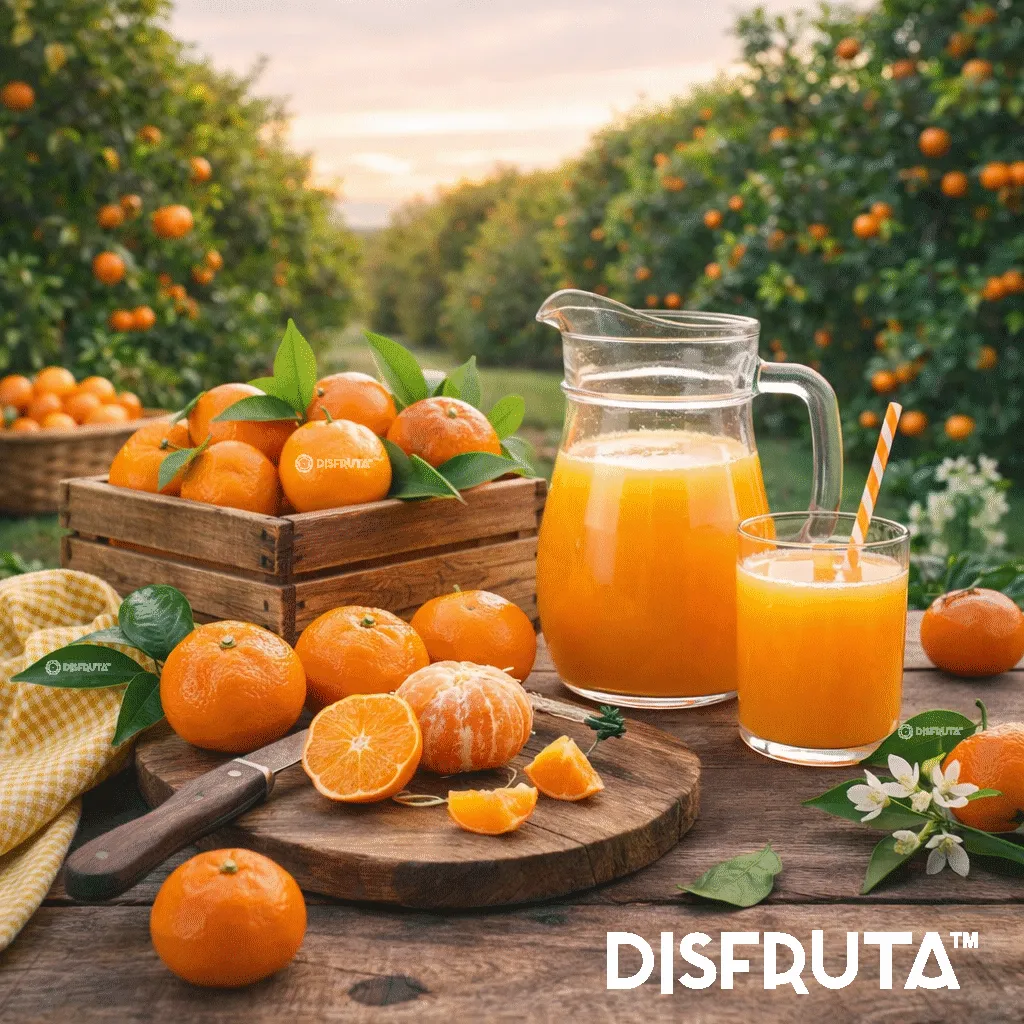
Ideal for fresh consumption, snacks, school lunches, buffets, fruit bars, hotels, restaurants and catering services. Its easy-peeling skin, juicy segments and minimal seed content make it particularly appealing to both children and adults. Suitable for salads, bowls, yogurt, desserts, fruit platters, pastries and gourmet preparations. Its juice may also be incorporated into fresh beverages, smoothies, cocktails, vinaigrettes, sauces and citrus reductions. Tango pairs especially well with dark chocolate, vanilla, honey, ginger, aromatic herbs, nuts, fish and poultry.
Format
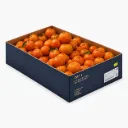
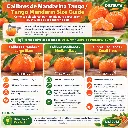
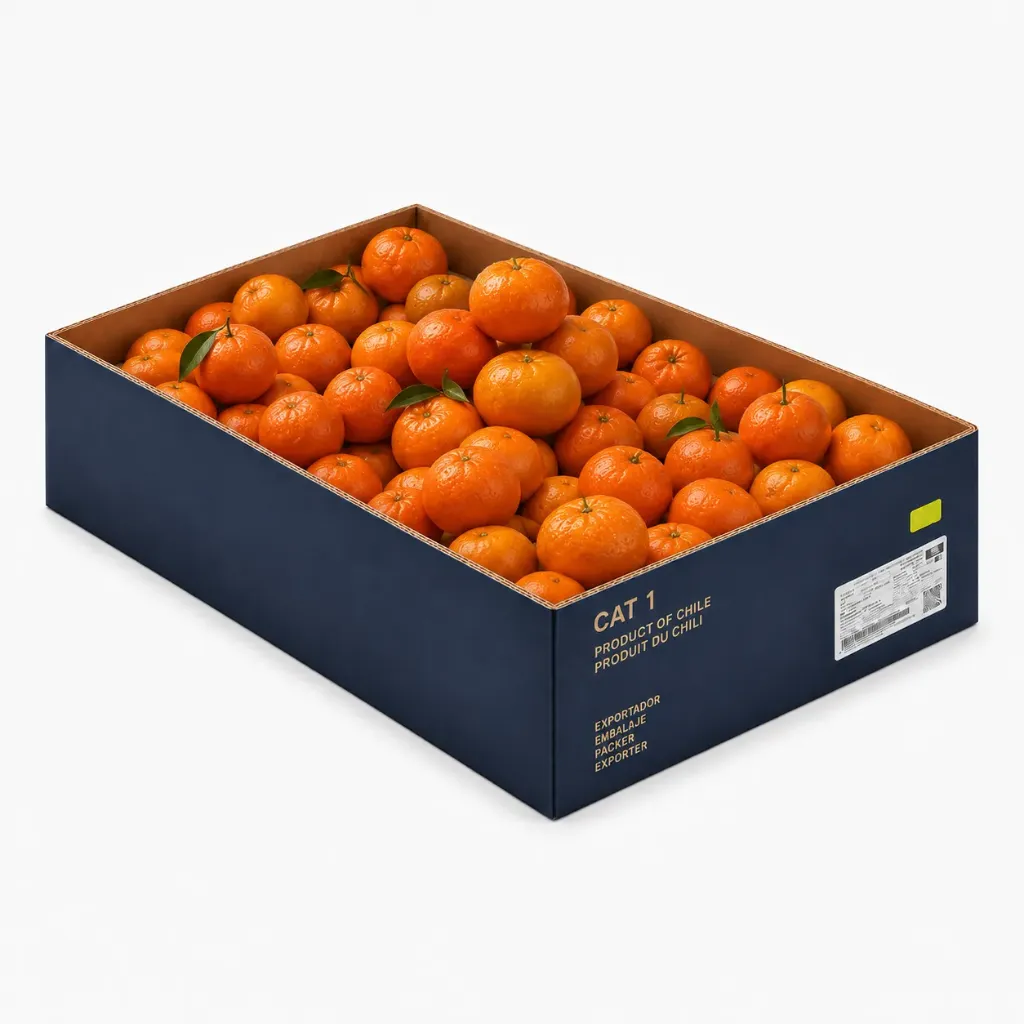
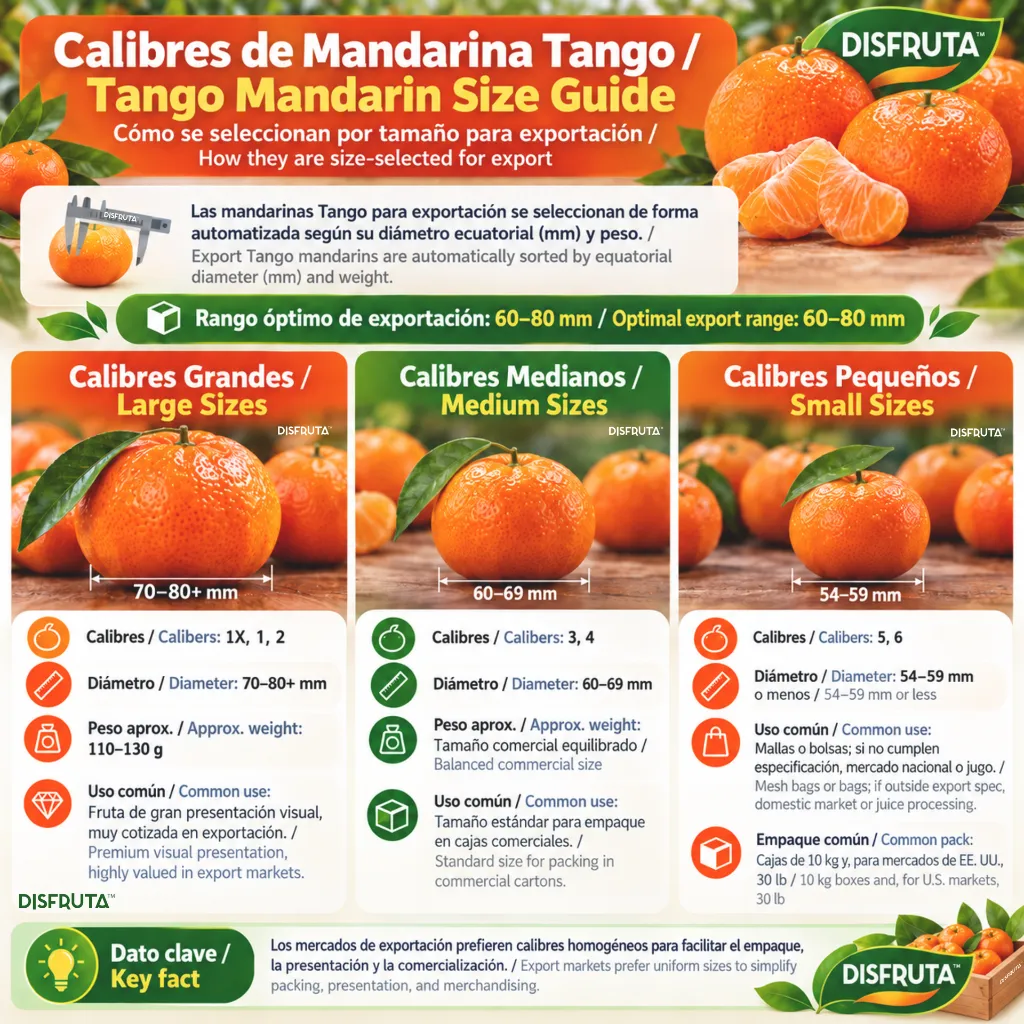
Cardboard carton (C-CTN) containing approximately 17 Kg of fresh Tango mandarins originating from Chile. Size #03: commercial fruit-size classification identified by the packer; corresponding fruit diameter and count per carton should be verified against the supplier's sizing chart. The designation GEN is retained as part of the product's commercial specification without assuming an undocumented official quality grade. Actual fruit count, internal arrangement and net weight may vary according to packing specifications and applicable tolerances.
Storage and Handling
For commercial storage, maintain preferably at approximately 4–7 °C (39–45 °F) and 90–95% relative humidity, preserving a consistent cold chain and adjusting conditions according to storage duration and postharvest treatment. Avoid excessively low temperatures during prolonged storage, as they may contribute to chilling injury affecting the rind. Protect fruit from impacts, compression, excessive condensation and dehydration. Keep in original packaging with appropriate ventilation, avoiding intense direct airflow. For household consumption, refrigerate and wash before peeling or handling.
Quality and Selection Criteria
Select mandarins that are firm, well developed, heavy for their size and characteristically deep orange, with intact skin, good turgidity and no significant damage. The flesh should have juicy segments, sweet and balanced flavor, and a fresh citrus aroma, without internal dryness, fermentation or abnormal flavors. Avoid soft, dehydrated fruit, mold, deep injuries, sunken spots or decay. Minor natural variations in shape, coloration and skin texture may occur without necessarily affecting internal quality.
Season
Tango is a mid- to late-season mandarin variety. In Chile, production takes place during the Southern Hemisphere winter and spring, with commercial availability potentially extending approximately from July through October, depending on growing region, weather conditions and export programs. Its harvest season complements Northern Hemisphere production, helping maintain international mandarin availability across different times of the year.
Origin
Chile
The Tango mandarin was developed by researchers Michael L. Roose and Timothy E. Williams at the University of California, Riverside, from the W. Murcott Afourer mandarin. It originated through induced mutation breeding, in which plant material was irradiated to generate genetic variation and select a cultivar with exceptionally low seed production. This method differs from transgenic genetic engineering. Tango received United States plant patent protection in 2007.
One of its most remarkable characteristics is its ability to maintain extremely low seed counts even when grown near other citrus cultivars capable of cross-pollination. Original evaluations documented average seed counts below one seed per fruit, while conventional W. Murcott mandarins could develop numerous seeds under similar conditions. This advancement preserved the sweet flavor, abundant juice, attractive orange coloration and easy-peeling qualities of the original cultivar while offering consumers an exceptionally convenient and enjoyable fresh mandarin.