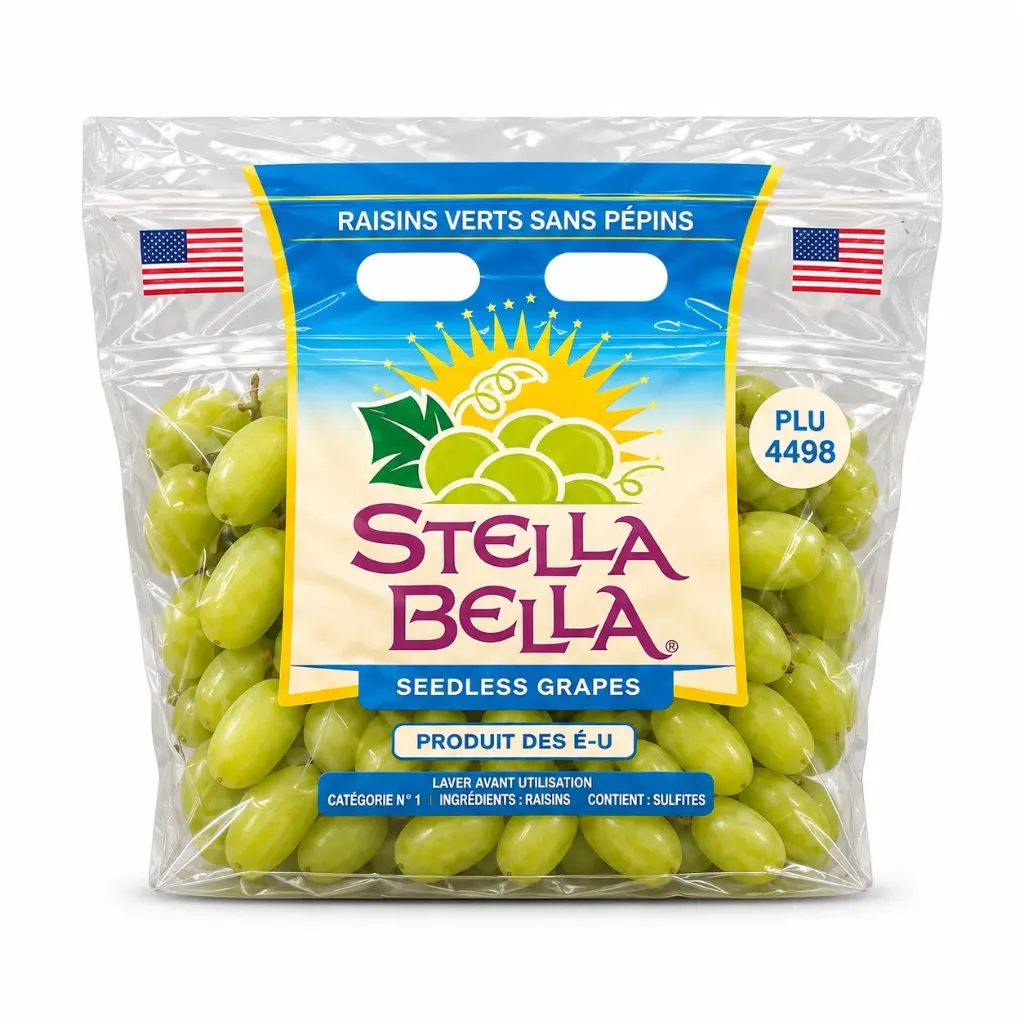
Stella Bella Grape | #J | Rio Blanco® | Chile | BLK
The Stella Bella® grape (Vitis vinifera L.) is a premium green seedless table grape cultivar appreciated for its large, elongated berries, firm flesh, exceptionally crisp texture and naturally sweet flavor. Grown in Chile and marketed under the Rio Blanco® brand, it stands out for its attractive light-green coloration, excellent juiciness and sensory characteristics highly valued in international fresh fruit markets.
Its bulk-per-kilogram presentation, with commercial #J (Jumbo) selection, is particularly suitable for specialty fruit retailers, supermarkets, restaurants, hotels and professional foodservice operations seeking large, high-quality green grapes.
Organoleptic Properties
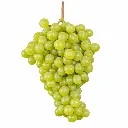
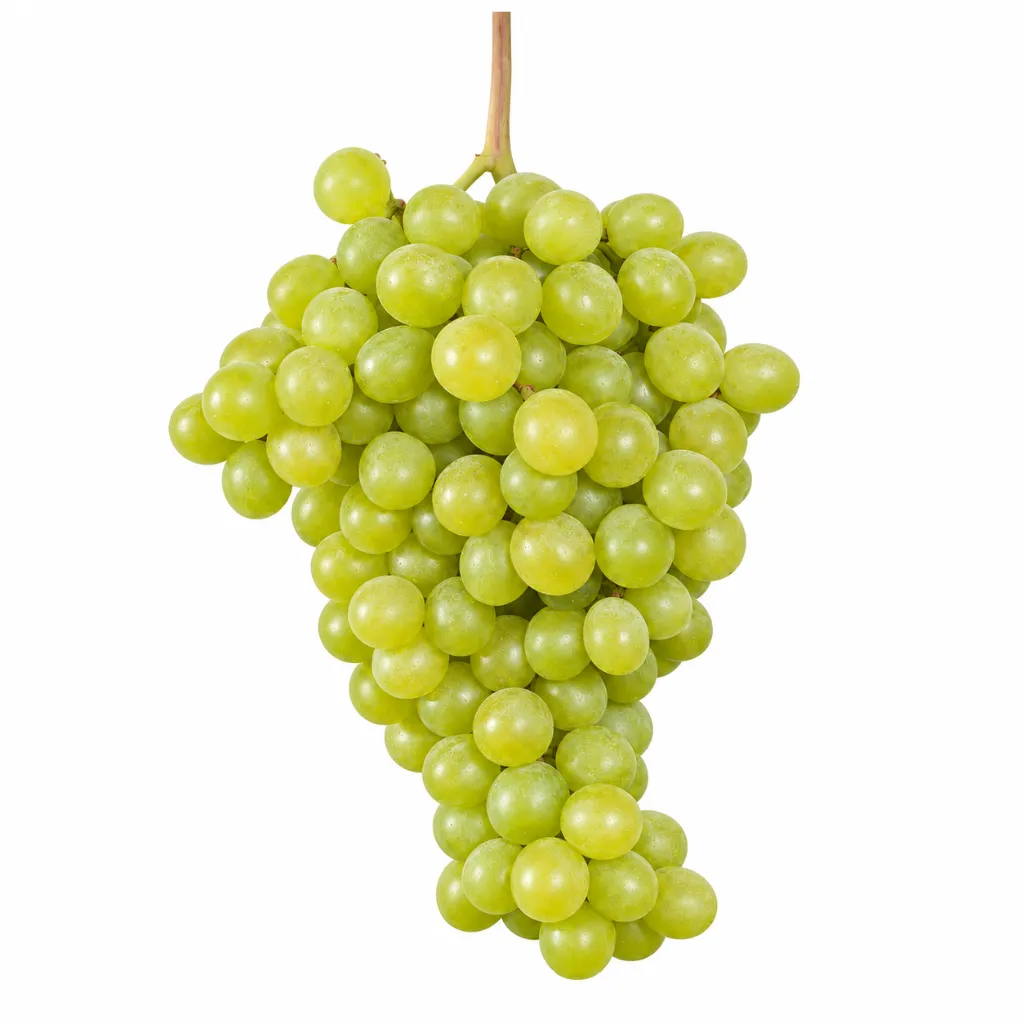
Clusters of green grapes composed of large, oval to elongated-elliptical berries with smooth surfaces and an appealing appearance. Skin coloration ranges from bright green to yellowish green or pale creamy green, depending on maturity, sunlight exposure and growing conditions.
The flesh is translucent green to pale greenish white, compact, firm, fleshy and exceptionally crisp, with abundant juiciness. The skin is edible, and the berries are seedless, although occasional small, naturally occurring seed traces may be present.
Its flavor is characterized by pronounced sweetness, mild acidity and a clean, refreshing profile, without the strong musky notes associated with Muscat-type grapes. As a varietal reference, soluble solids levels may reach approximately 18–21 °Brix, although actual sugar content depends on maturity, harvest conditions and agricultural practices and is not a guaranteed specification for the individual lot.
The berry surface may display a fine layer of natural waxy bloom, a protective coating that helps maintain fruit integrity.
Suggested Uses
Ideal for fresh consumption, snacks, lunch boxes, fruit salads, bowls, yogurt, granola, fruit platters, buffets and gourmet presentations. Its large berry size and crisp texture make Stella Bella an excellent choice for direct consumption and premium fruit service.
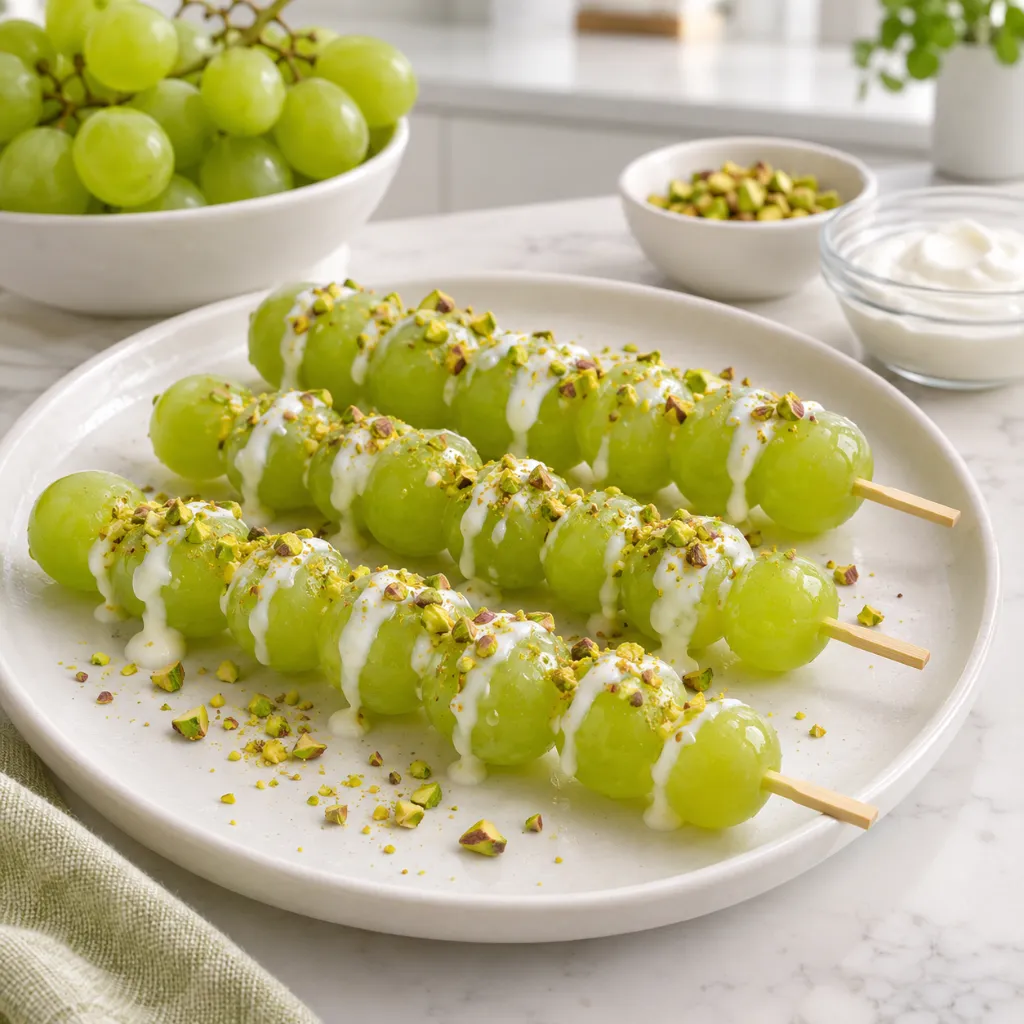
In contemporary cuisine, it pairs especially well with fresh cheeses, brie, camembert, goat cheese, pecans, almonds, pistachios, honey and aromatic herbs. It can also be incorporated into leafy green salads, chilled dishes, canapés and fine-dining garnishes.
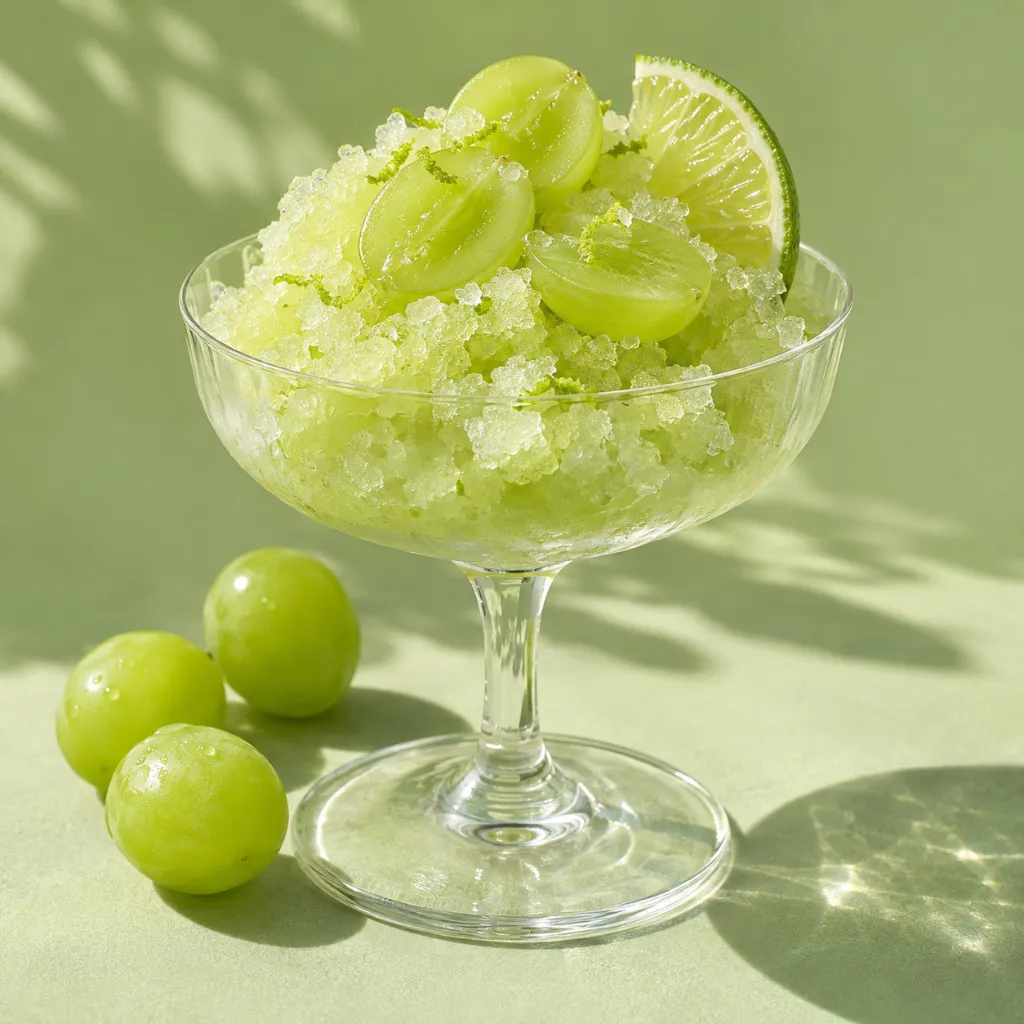
Additional culinary applications include fruit skewers, tartlets, chilled desserts, smoothies and refreshing beverages. Its natural sweetness also complements savory dishes featuring poultry, pork and fish, contributing contrast, juiciness and freshness.
Thanks to its firm flesh and edible skin, Stella Bella is particularly suitable for presentations requiring the berries to retain their shape.
Format
Bulk (BLK) per kilogram. Fresh Stella Bella grapes, Rio Blanco® brand, originating from Chile.
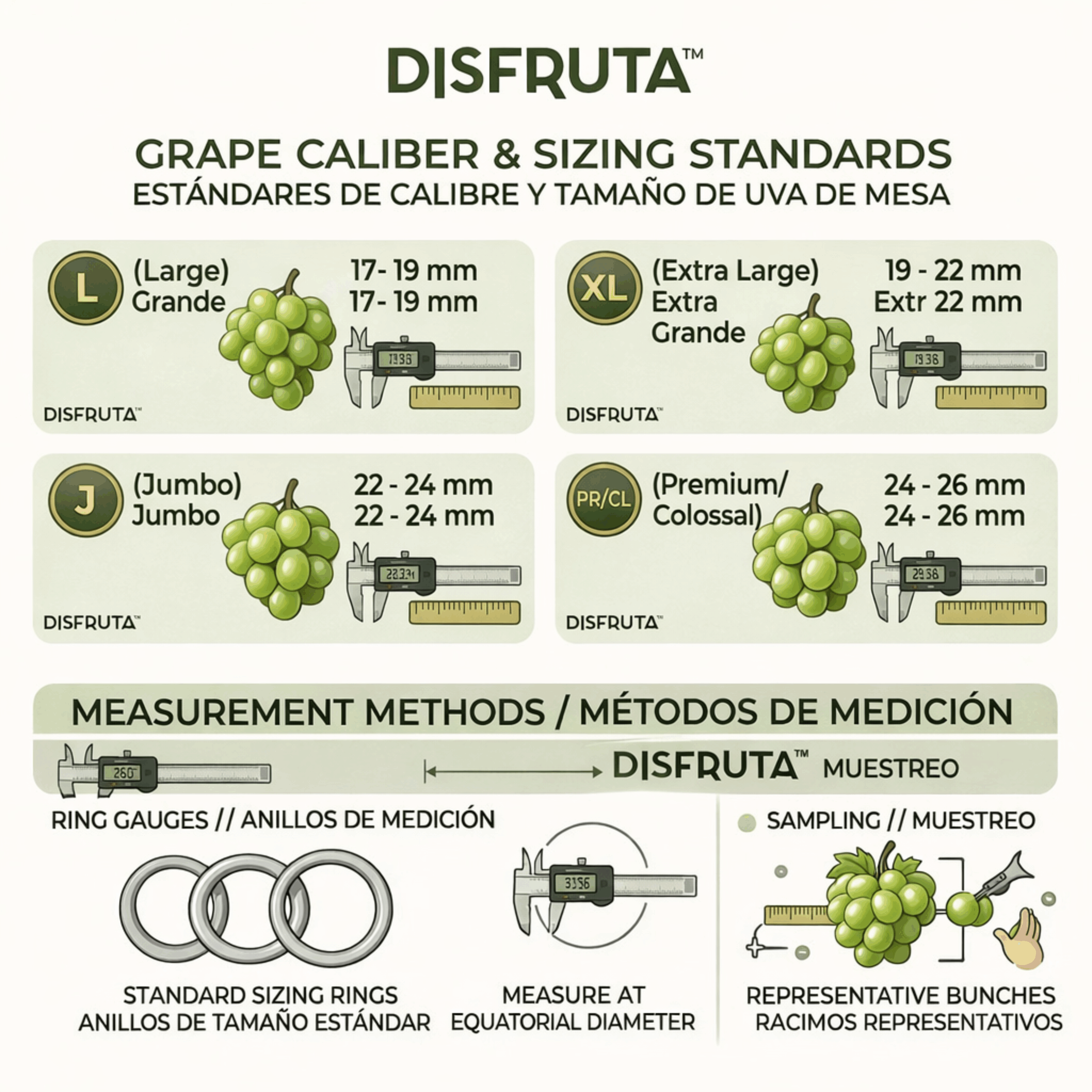
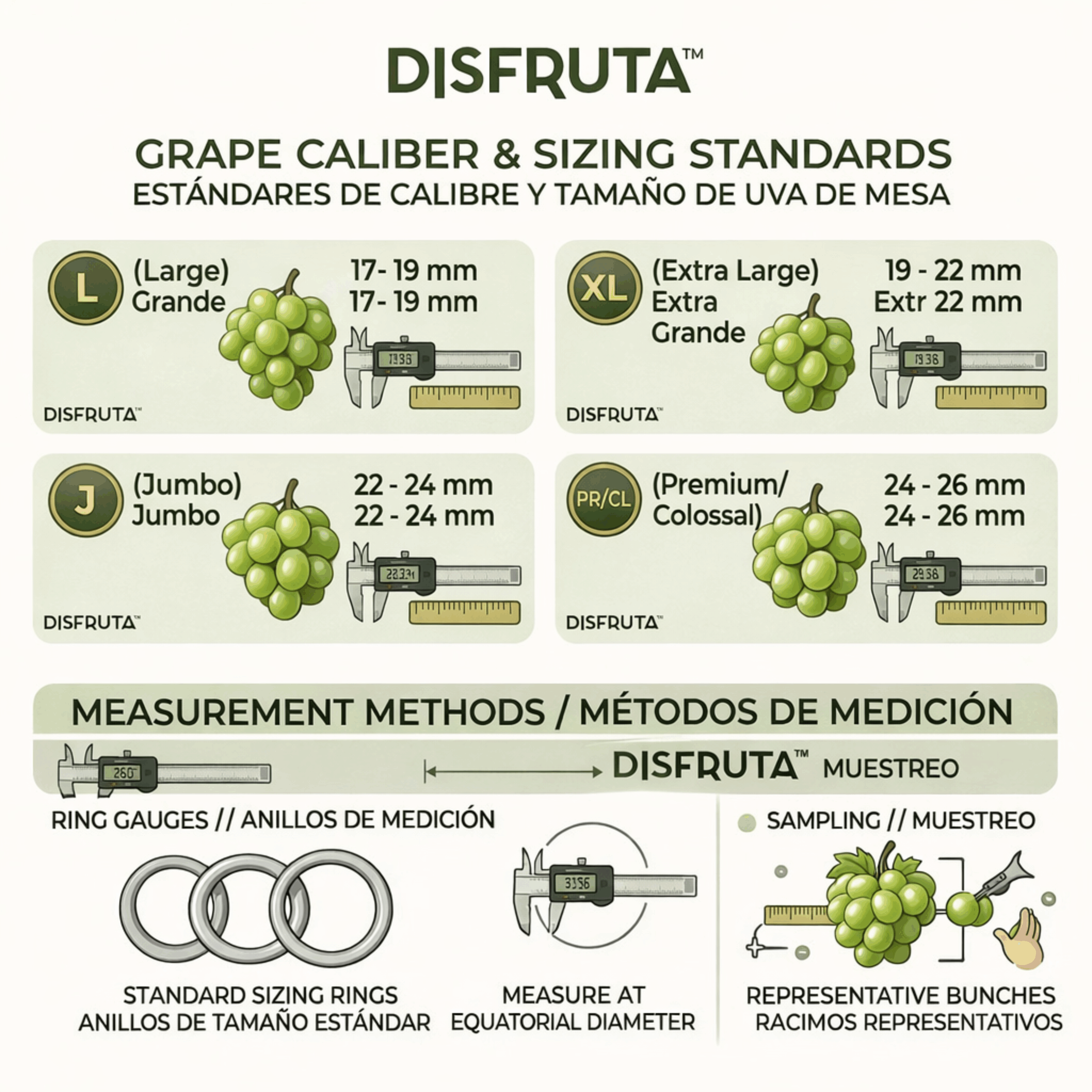
Size #J (Jumbo): commercial designation associated with a selection of large berries. The corresponding minimum diameter, size range and tolerances should follow the packer's specifications, since the term Jumbo does not independently establish a universally standardized berry diameter.
Fruit is sold by weight, without a fixed number of clusters or berries per sales unit. Cluster size, individual cluster weight and berry arrangement may vary according to the natural characteristics of the lot.
Storage and Handling
For commercial storage, maintain preferably at approximately -1 to 0 °C (30–32 °F) and 90–95% relative humidity, preserving a continuous cold chain from reception through distribution and retail display.
These conditions help maintain berry firmness, juiciness and crisp texture, as well as the freshness of stems and cluster rachises. Avoid prolonged heat exposure, moisture loss, condensation and temperature fluctuations.
Table grapes are non-climacteric fruits, meaning they do not develop a significant increase in sweetness after harvest. Their eating quality depends on appropriate harvest maturity and postharvest handling.
Stem dehydration, berry shatter and gray mold caused by Botrytis cinerea are important postharvest concerns that require refrigeration and careful handling.
For household consumption, keep refrigerated and wash only the portion intended for immediate consumption.
Quality and Selection Criteria
Select clusters with firm, plump, well-developed, relatively uniform berries and characteristic light-green coloration, free from cracking, bruising, decay, dehydration or visible damage.
The rachis should maintain a fresh appearance, preferably green and flexible, without excessive drying or advanced browning. Berries should remain well attached to their stems and retain their characteristic crispness and juiciness.
The presence of natural waxy bloom is a normal characteristic, although its appearance may vary with handling. Avoid clusters containing soft, watery, shriveled or fermented berries, excessive berry shatter or visible mold.
For #Jumbo selections, berry-size uniformity and the supplier's commercial tolerances should also be evaluated.
Season
Stella Bella grapes grown in Chile belong to Southern Hemisphere table grape production, with harvesting and exports generally concentrated between December and April, depending on growing region, seasonal weather conditions and cultivar-specific harvest schedules.
The precise Stella Bella harvest window may vary according to vineyard location and agricultural management. Commercial availability also depends on export programs and refrigerated storage conditions.
Chilean production complements North American green grape harvest seasons, extending the international availability of fresh grapes during Northern Hemisphere winter and spring.
Origin
Chile.
The table grape (Vitis vinifera) has an agricultural history spanning thousands of years, with major ancient domestication centers located in the Caucasus and Western Asia. From these regions, grape cultivation spread into the Mediterranean and eventually the Americas.
The commercial Stella Bella® cultivar has a much more recent history and is associated with the grape-breeding program of Sunview Vineyards in California's San Joaquin Valley, where it was selected for its large green berries, elongated shape, sweet flavor and exceptionally crisp texture. The cultivar is also identified in varietal records as SV 21-66-226.
Although its cultivar development is associated with California, Stella Bella has been incorporated into table grape cultivation and export programs in countries such as Chile, where production conditions support international supply during complementary growing seasons.
Its distinctive appeal lies in the combination of large berry size, seedlessness, pronounced natural sweetness and crunchy texture, reflecting the evolution of modern table grape breeding toward cultivars with increasingly differentiated eating quality.