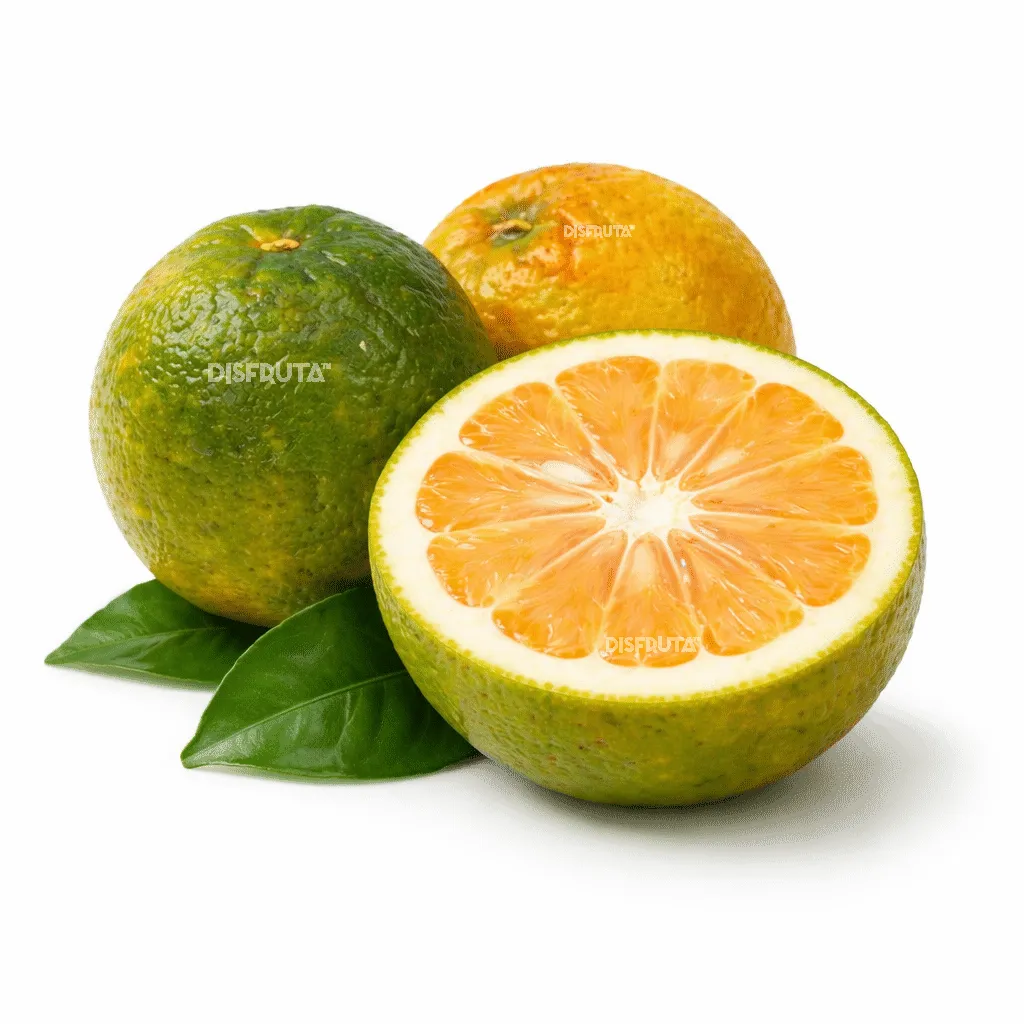
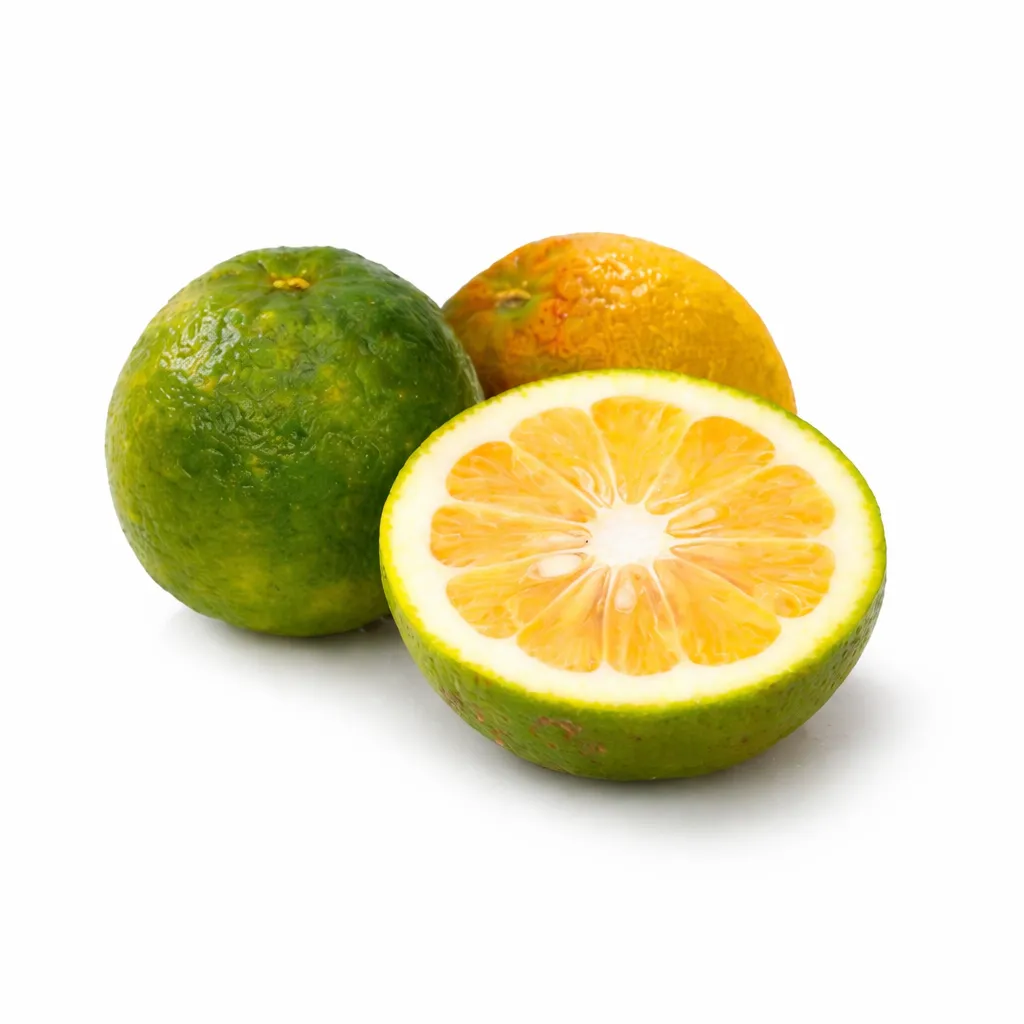
Bitter orange (Citrus × aurantium), a traditional citrus fruit characterized by its intensely acidic and bitter profile, with a high concentration of aromatic essential oils in the peel. It is not intended as a table fruit; its value lies in culinary, aromatic, and industrial uses.
Organoleptic properties
Highly acidic pulp with balanced bitter notes, deep and complex citrus aroma. Thick, rough peel rich in essential oils with visible pores. Fragrant juice, less aggressive than lemon but more aromatic.
Suggested uses
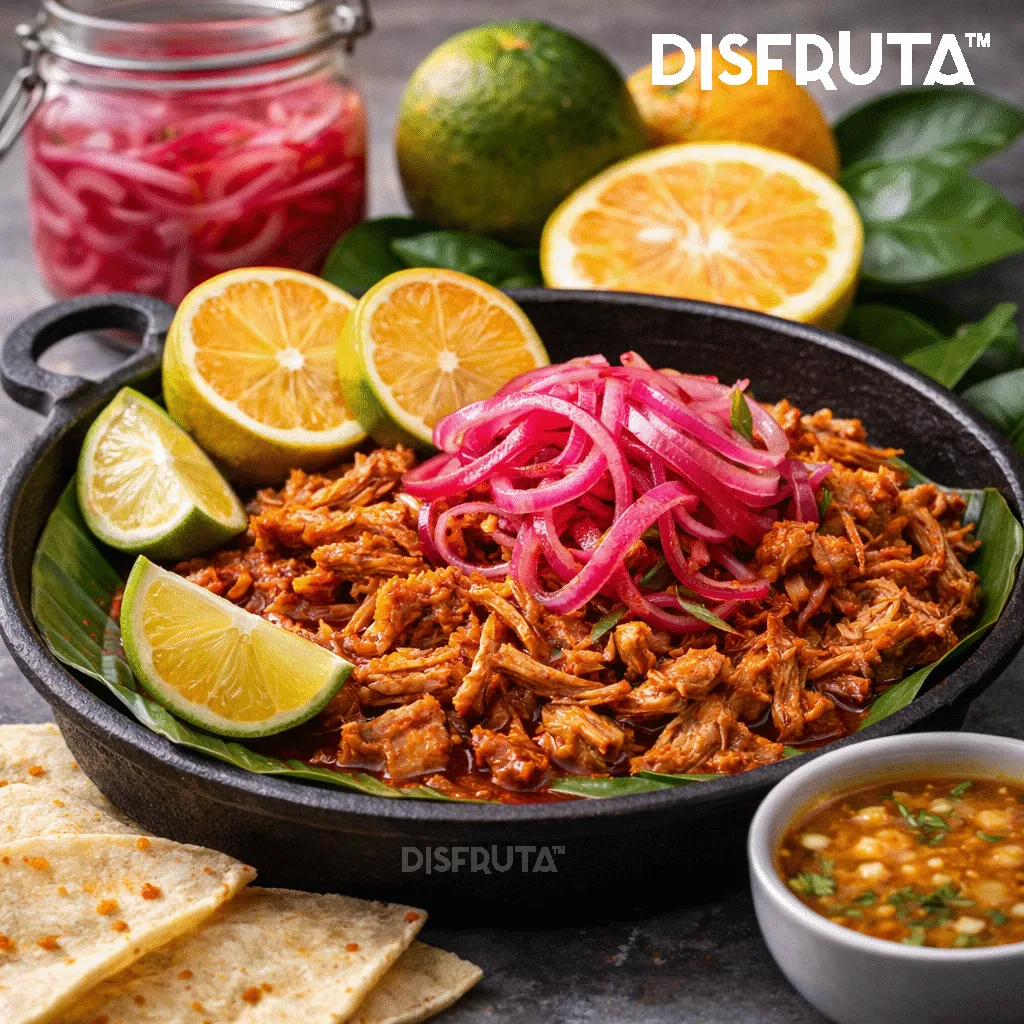
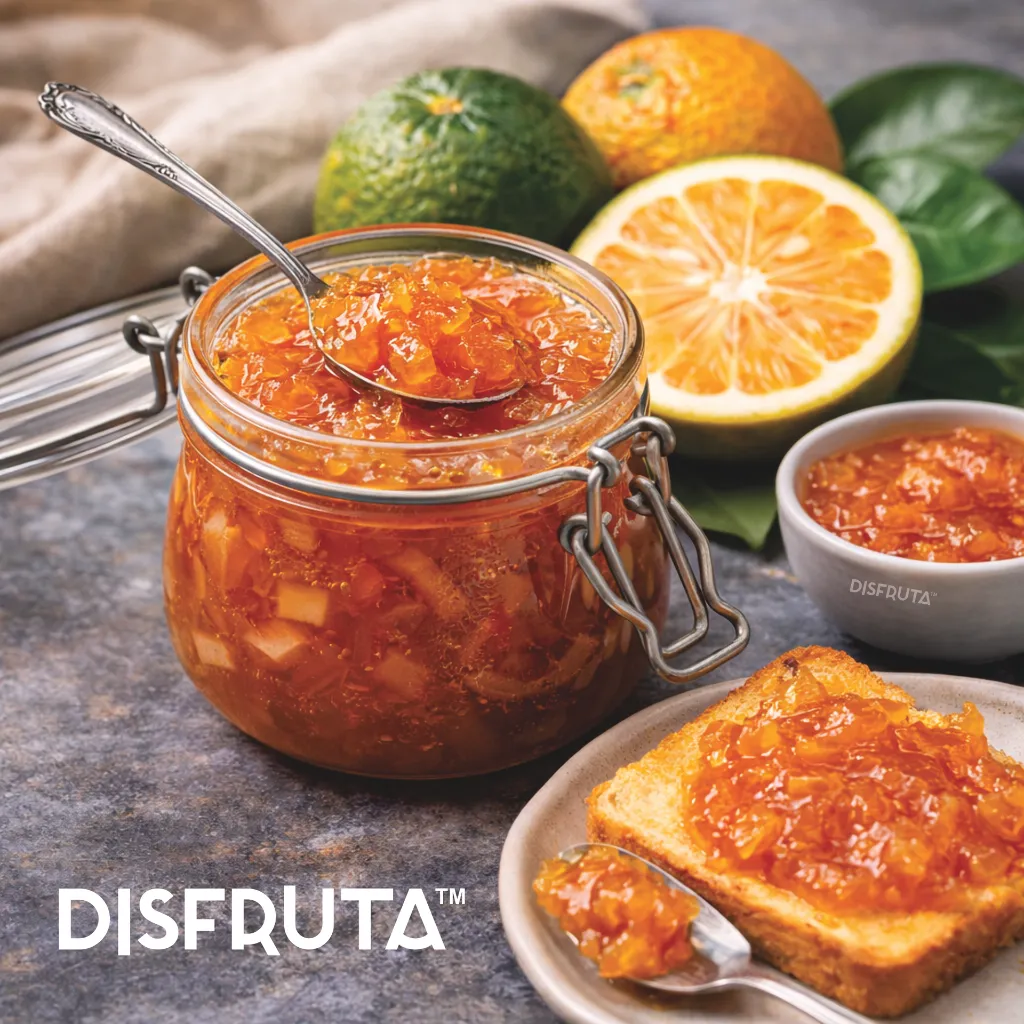
Essential ingredient in traditional and regional cuisine. Used to marinate meats, providing acidity and aroma without overpowering flavors. Key component in dishes such as cochinita pibil and escabeche-style preparations, as well as Caribbean citrus-based sauces. In Europe, it is preferred for bitter orange marmalade due to its natural pectin content. Also used in beverages, sauces, preserves, and artisanal applications.
Format
Bulk format (GRL). Medium to large fruit with thicker peel than sweet oranges. Marketed with green-yellow to deep orange coloration depending on maturity and intended use.
Storage and handling
Store in a cool, dry, and well-ventilated area. Recommended temperature between 8 and 12 °C. Avoid excessive humidity to preserve peel integrity and essential oils.
Freshness and selection criteria
Firm fruit, heavy for its size, with intact, porous, and aromatic peel. Free from bruises, mold, or excessive dehydration.
Origin
Guanajuato, Mexico.
Bitter orange trees are widely used as citrus rootstock due to their resistance to pests and adverse conditions, and as a primary source of essential oils for perfumery and traditional applications.