Bosc Pear Bosc pear (Pyrus communis) BX 40Lbs
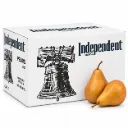
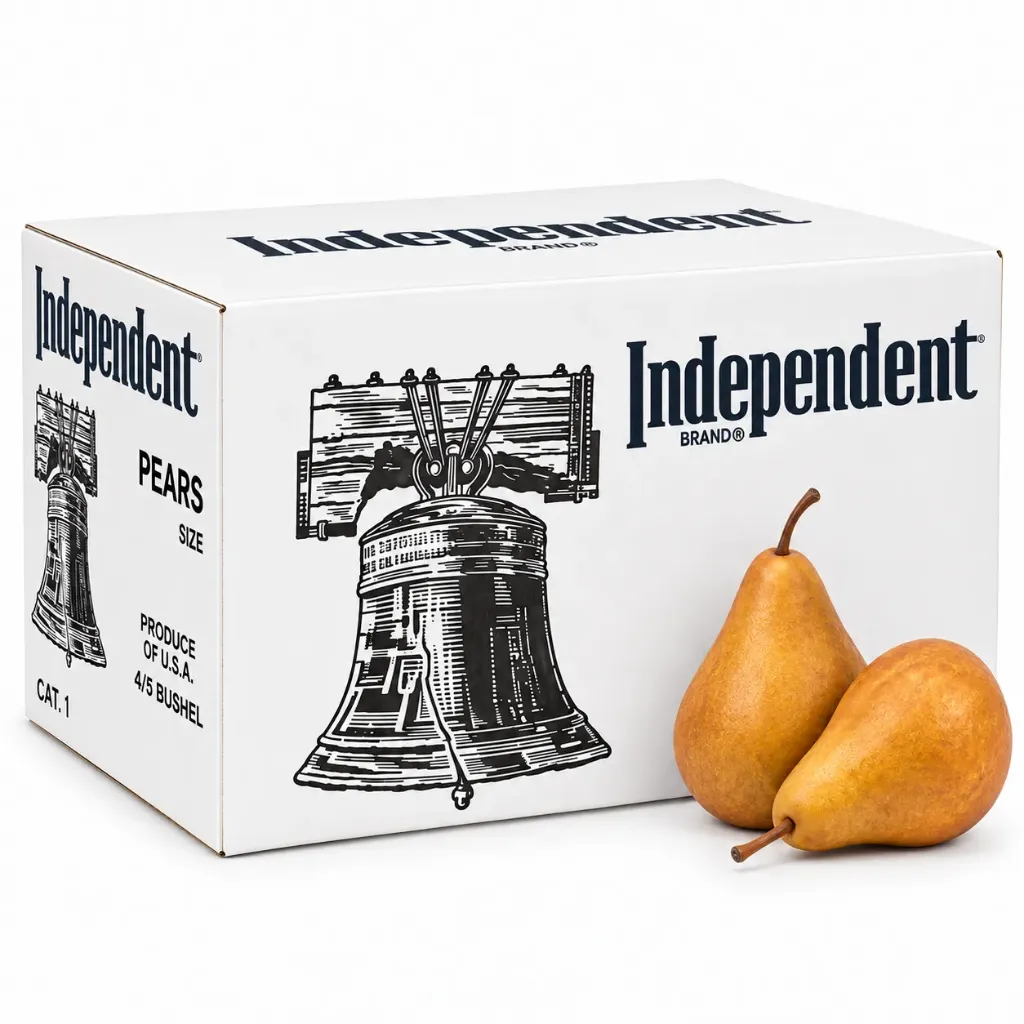
Size #100's, grown in Washington, United States, and produced by Washington Fruit Growers under the Independent® brand. This European pear variety is easily recognized by its elongated shape, slender neck and characteristic cinnamon-brown naturally russeted skin. It is valued for its firm, juicy flesh, sweet aromatic flavor and excellent culinary performance, particularly its ability to retain its shape during cooking.
Organoleptic Properties
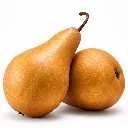
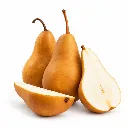
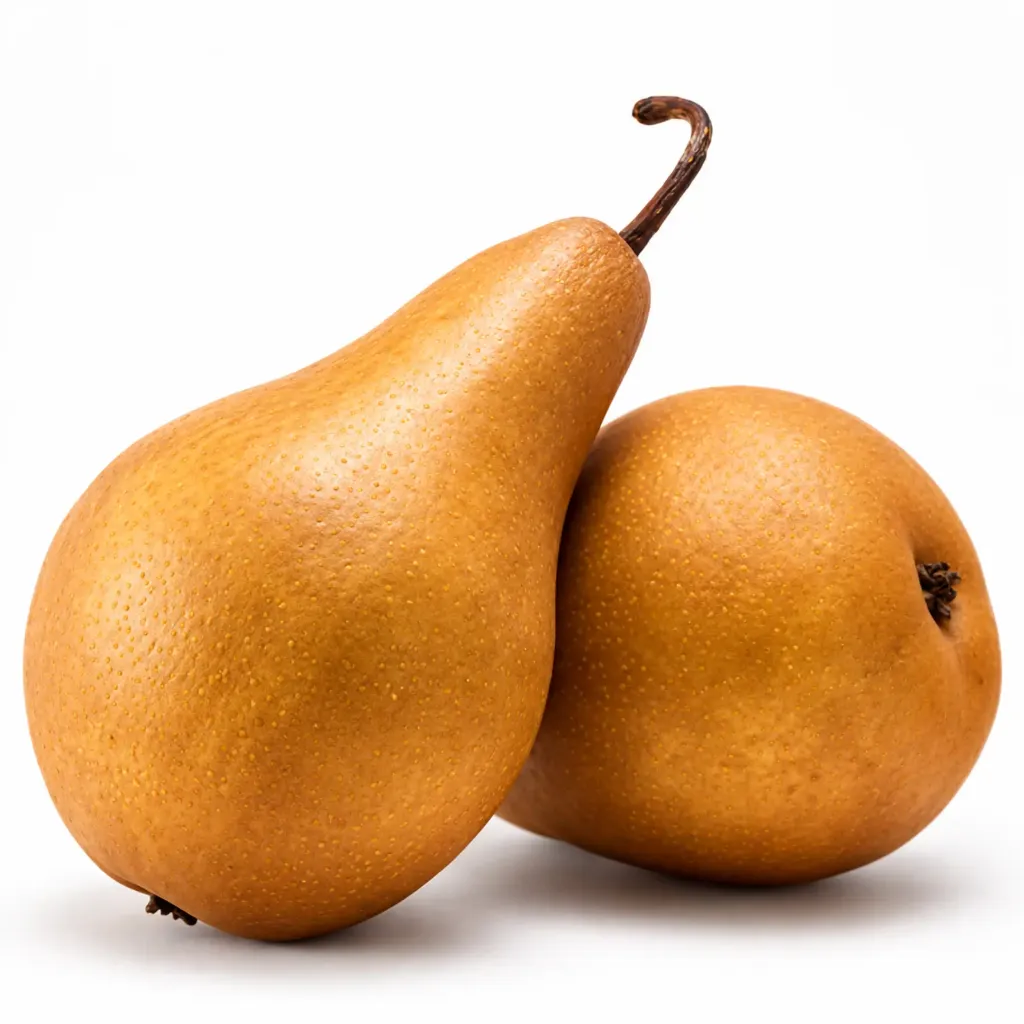
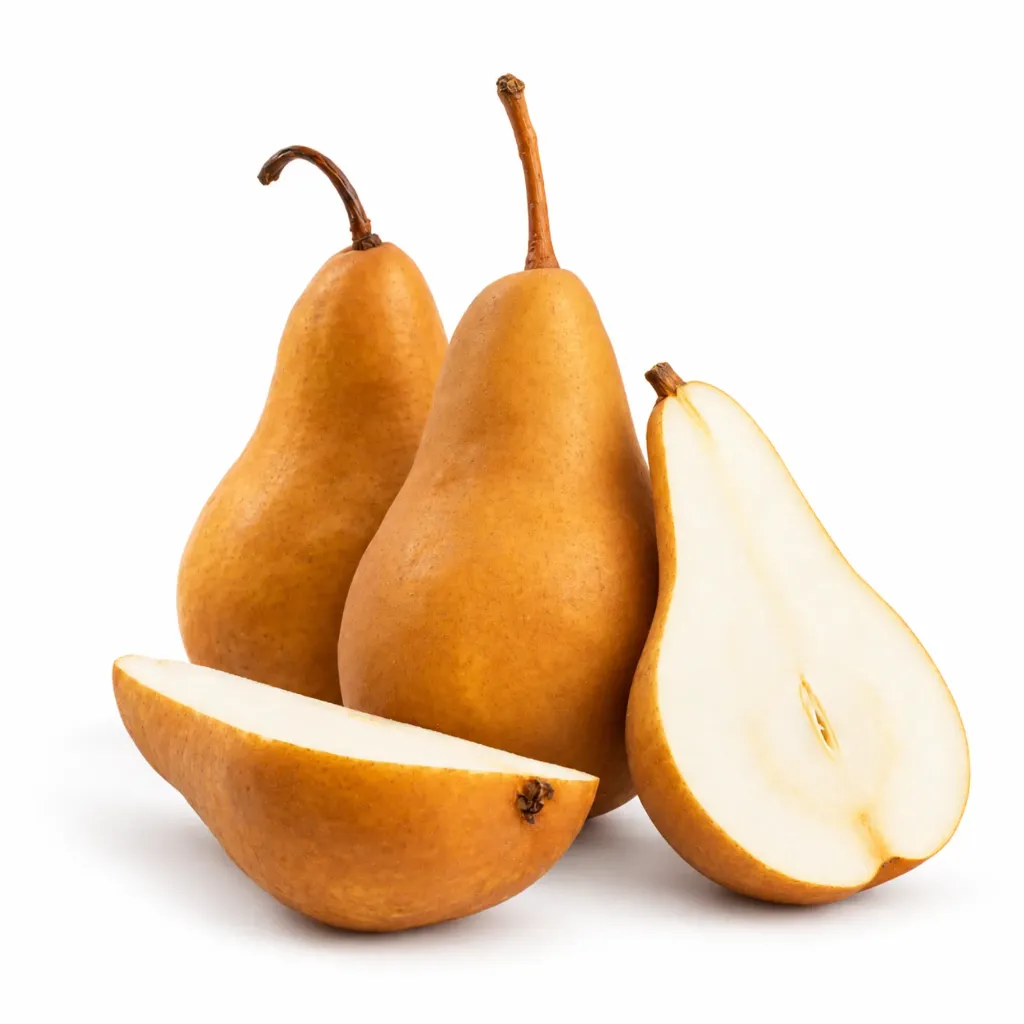
Elongated, pyriform fruit with a rounded base and long, tapering neck extending toward the stem. Its skin displays a characteristic golden-brown to cinnamon-brown coloration, generally covered with natural russeting that gives it a slightly rough, rustic appearance. Flesh is white to cream-colored, dense, fine-textured, firm and juicy. Flavor is sweet, aromatic and subtly spiced, with delicate honey and spice notes.
Suggested Uses
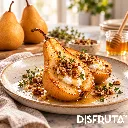
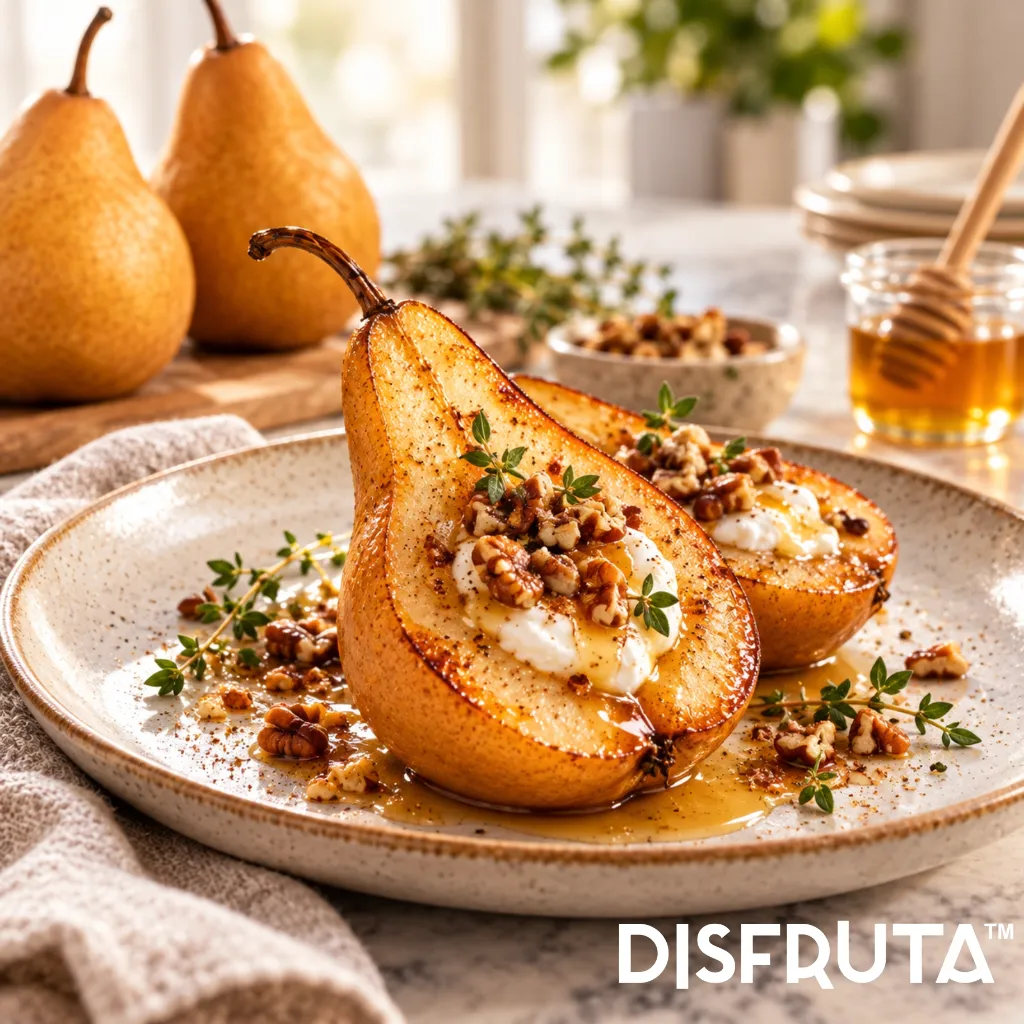
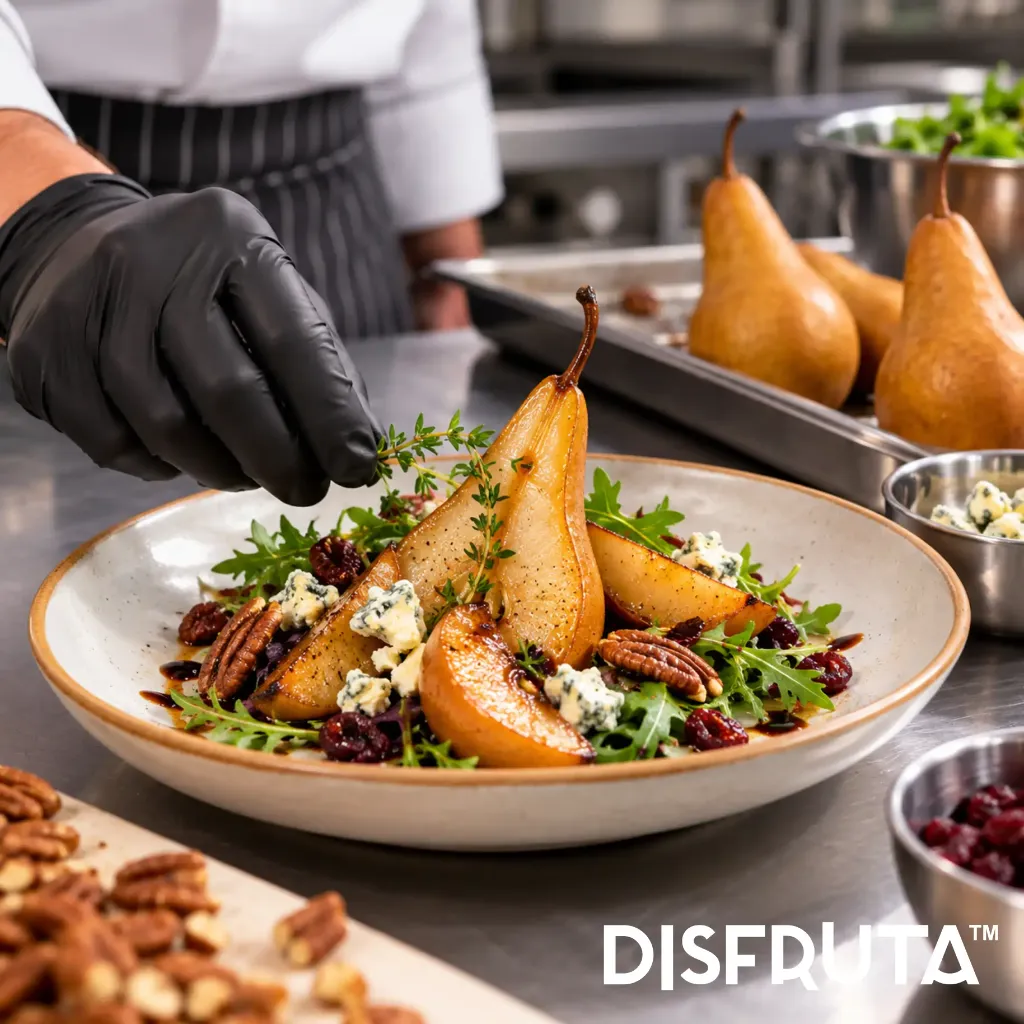
Excellent for fresh consumption, fruit and cheese boards, salads, yogurt, oatmeal and gourmet preparations. Because its firm flesh retains structure particularly well when heated, Bosc is especially suitable for baking, roasting, poaching and caramelizing, as well as tarts, pies, galettes, cakes, compotes and desserts. It pairs particularly well with honey, cinnamon, vanilla, nuts, cheese, chocolate and wine.
Format
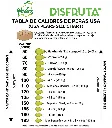
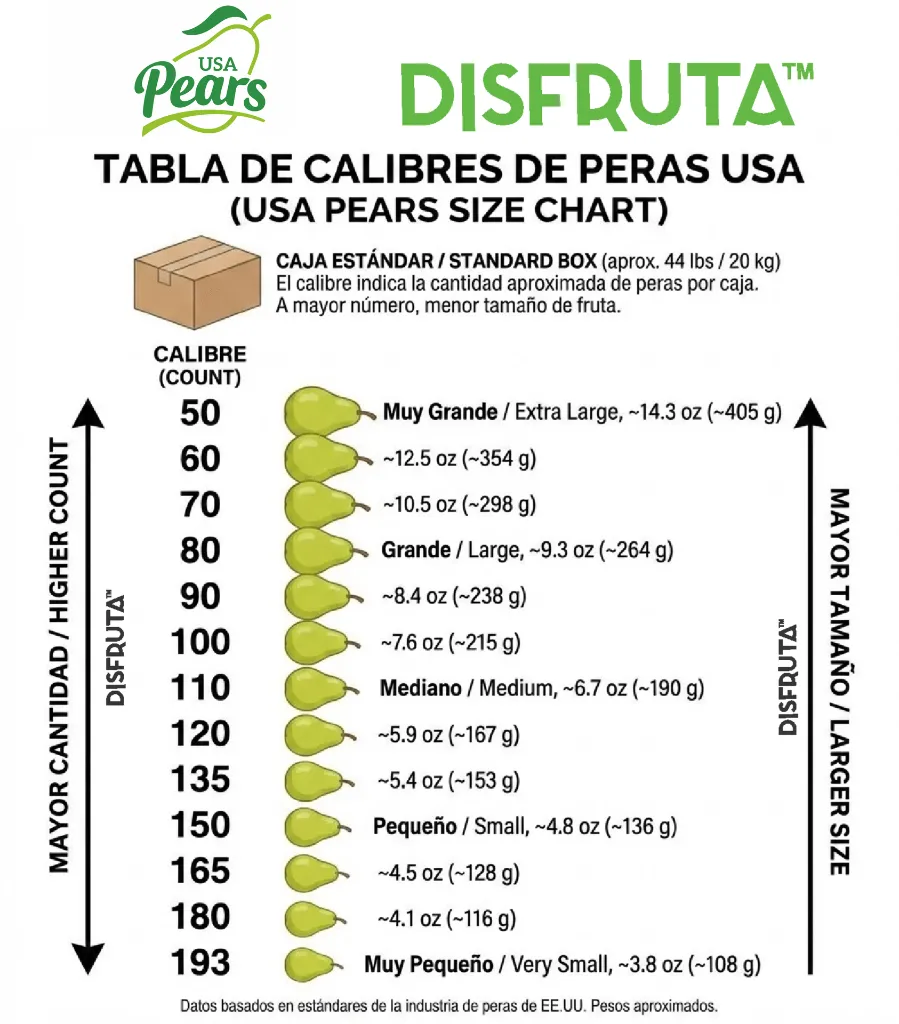
Carton (C-CTN) containing approximately 18 Kg (39.7 lb), size #100's, corresponding to approximately 100 pears per carton, subject to the packer's final configuration and net weight.
Storage and Handling
For commercial handling, store at approximately -1 to 0 °C (30–32 °F) and 90–95% relative humidity. Bosc is a climacteric fruit that continues to ripen after harvest. For consumption, fruit may be allowed to ripen at room temperature until the desired texture is reached and then refrigerated. Protect from impact and excessive pressure, particularly as the fruit softens.
Quality and Selection Criteria
Select whole, clean, well-developed fruit with reasonable uniformity within the commercial size and the variety's characteristic elongated shape. Skin should retain its characteristic cinnamon-brown russeting, which is a natural varietal feature and should not be mistaken for deterioration. Eating ripeness is best evaluated by checking for slight softness around the neck near the stem. Avoid fruit with excessively soft areas, deep bruising, open wounds, decay or severe dehydration.
Origin
Washington, USA.
Bosc, historically also known as Beurré Bosc, is a European pear (Pyrus communis) internationally recognized for its elongated silhouette and distinctive naturally russeted skin. Unlike pear varieties that undergo a pronounced color change as they ripen, Bosc largely retains its characteristic brown coloration, making neck texture a more useful indicator of eating ripeness than skin color. Washington's growing conditions favor firm, juicy and aromatic pears. For this presentation, the fruit is grown and produced by Washington Fruit Growers and marketed under the Independent® brand.
Conoce más: