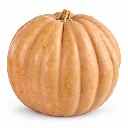
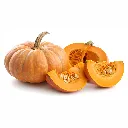
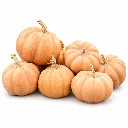
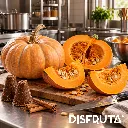
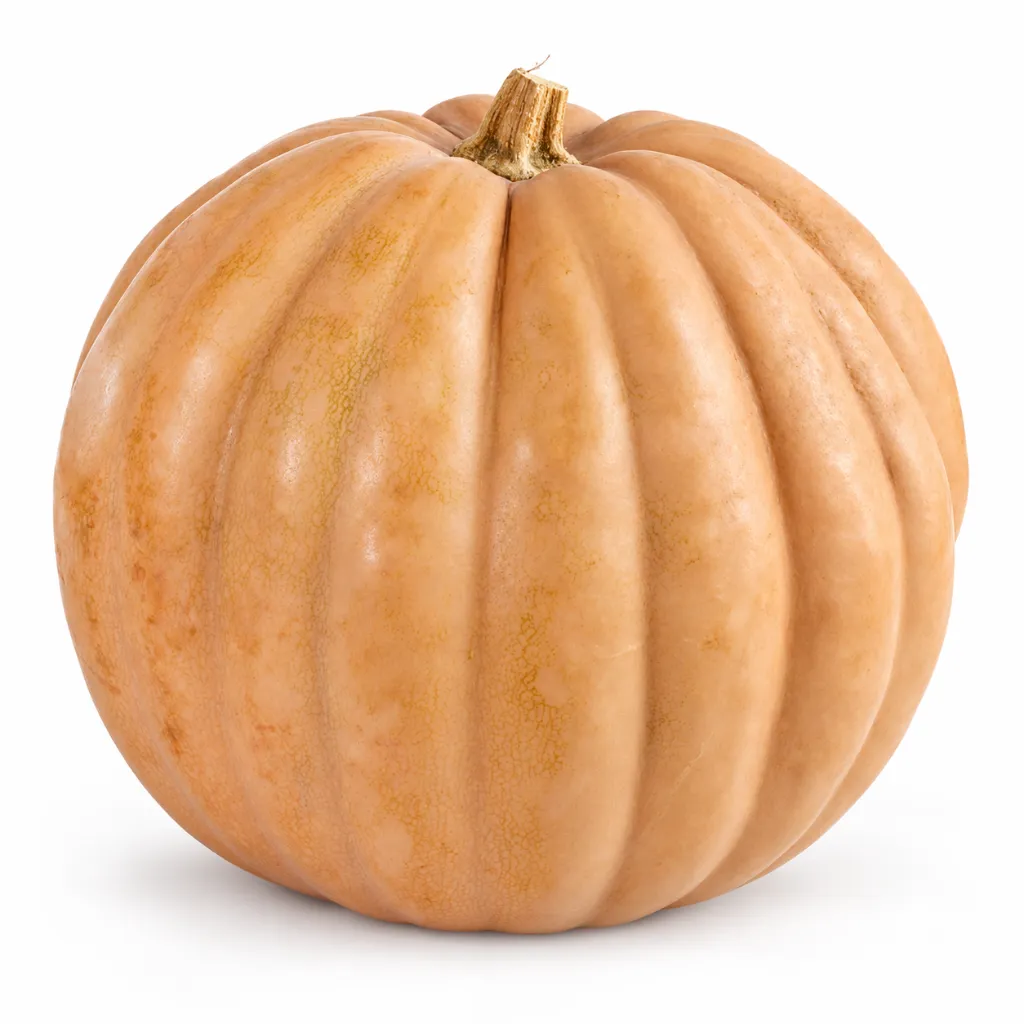
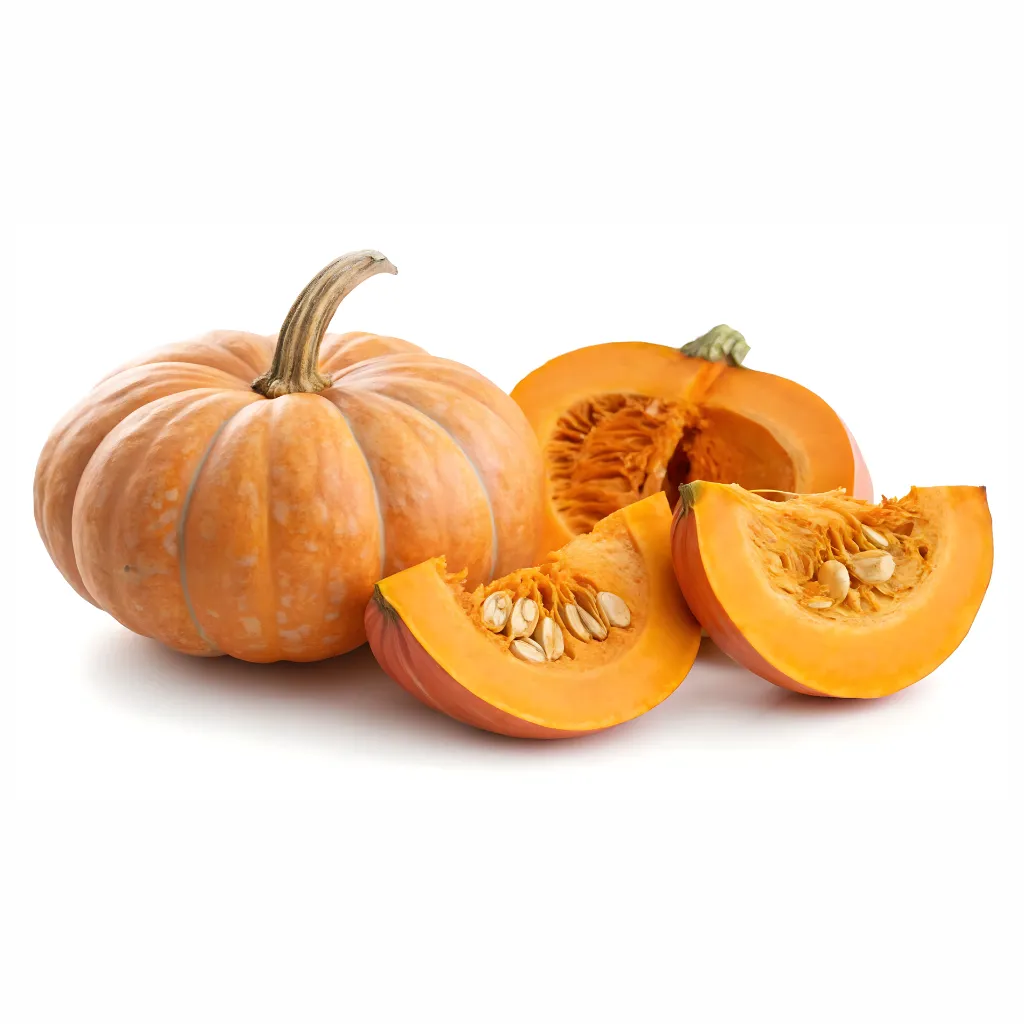
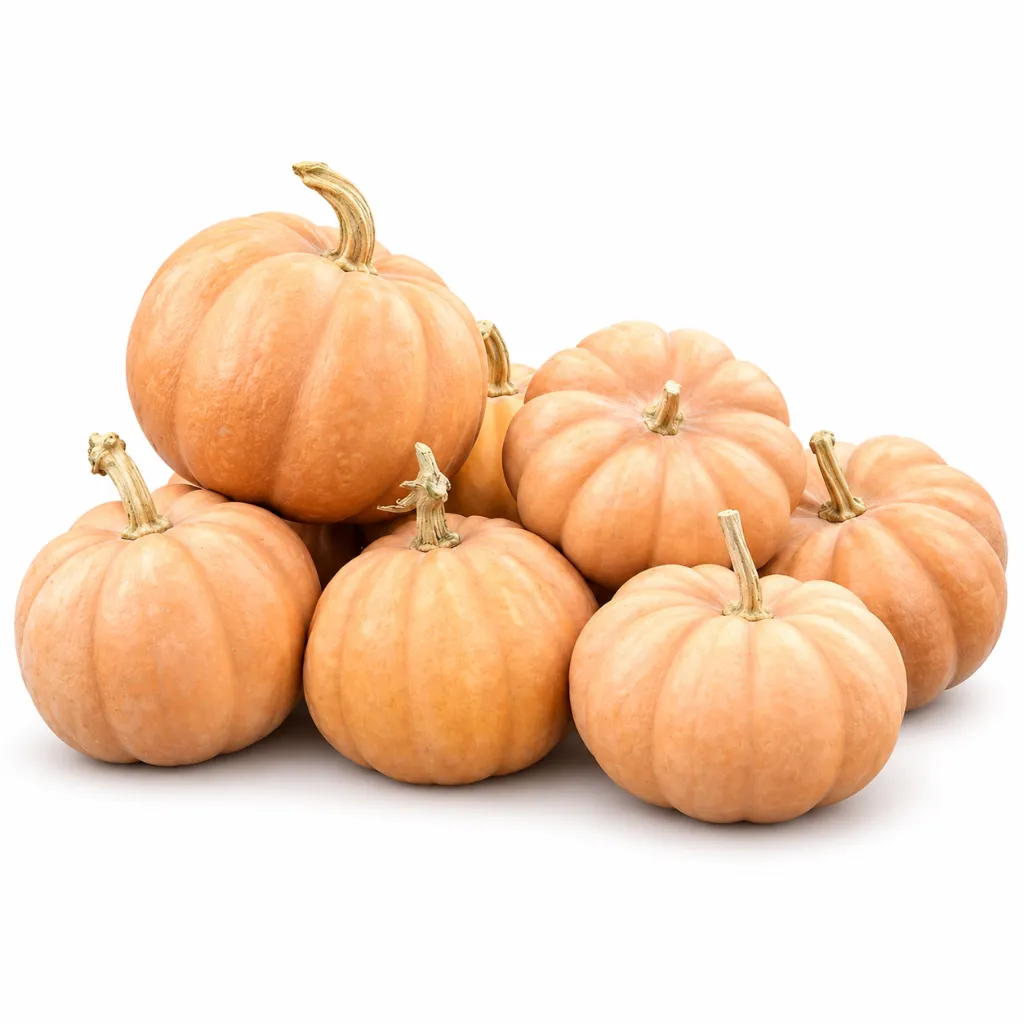
Castilla Pumpkin (Cucurbita moschata) grown in Guanajuato, Mexico. It is distinguished by its smooth, pale-colored rind, naturally ranging from beige and cream to a very subtle orange, creating a striking contrast with its intense, bright and vibrant orange flesh. This traditional Mexican pumpkin offers excellent culinary versatility and is valued for its thick, fleshy interior, smooth cooked texture and naturally sweet flavor.
Organoleptic Properties
Variable-sized fruit, generally round to slightly flattened, with a firm and predominantly smooth rind. Exterior coloration ranges from beige and cream to very pale orange, while cutting reveals remarkably intense, bright-orange flesh. The flesh is thick, firm and fleshy when fresh, developing a soft, creamy and slightly fibrous texture after cooking. Pleasant vegetal aroma with a naturally sweet, warm and subtly earthy flavor.
Suggested Uses
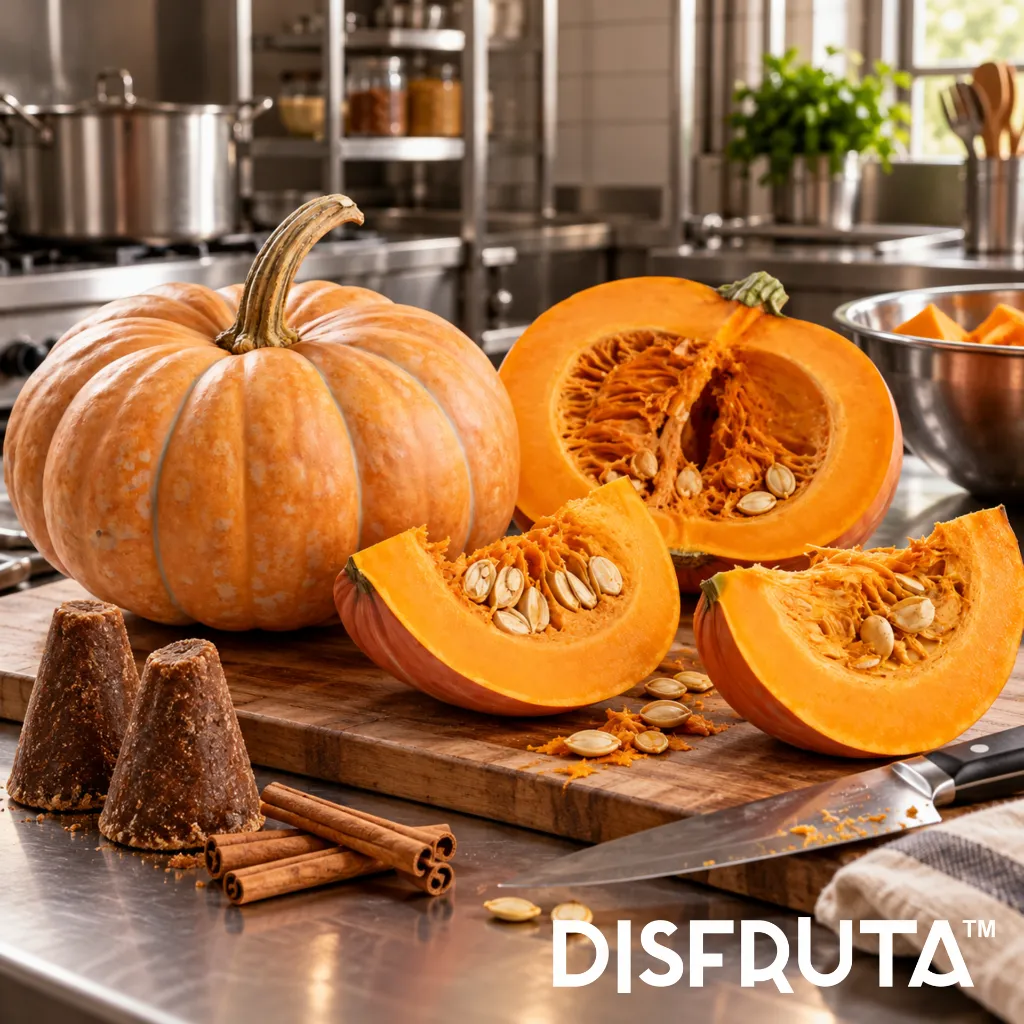
Particularly suitable for the traditional Mexican preparation known as calabaza en tacha, slowly cooked with piloncillo and spices, as well as soups, creamy preparations, purées, moles, stews, broths, fillings and side dishes. It can also be baked or roasted and incorporated into breads, tarts, cakes, pies, desserts and preserves. The seeds may be separated, cleaned and roasted for use as pepitas.
Format
Bulk (BLK) per kilogram. Whole fruit in variable sizes, selected for maturity, firmness, integrity and flesh quality.
Storage and Handling
Store whole fruit in a cool, dry and well-ventilated environment, protected from excessive moisture, condensation and direct sunlight. A mature, intact rind supports good storage potential. Avoid impact damage, wounds and excessively low storage temperatures. Once cut, refrigerate between 2 and 5 °C (36–41 °F) and keep properly covered to minimize dehydration and contamination.
Quality and Selection Criteria
Select mature fruit that feels heavy for its size, with a firm, well-developed and intact rind. Exterior coloration may naturally vary between beige, cream and pale orange without representing a quality defect. When cut, the flesh should display an intense, bright and uniform orange coloration with a firm, fleshy structure. Reject fruit showing soft areas, decay, mold, deep cracks, fermentation or significant mechanical damage.
Origin
Guanajuato, Mexico.
Castilla Pumpklin has a particularly important relationship with traditional Mexican cuisine and with fall and Día de Muertos celebrations, when it is commonly prepared as calabaza en tacha, slowly cooked with piloncillo and aromatic spices. Its relatively understated pale exterior contrasts dramatically with its deep-orange flesh, naturally rich in carotenoid pigments. Both the flesh and seeds can be utilized, with the latter forming part of Mexico's extensive culinary tradition of consuming roasted pepitas, making this pumpkin a particularly versatile seasonal ingredient.