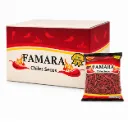
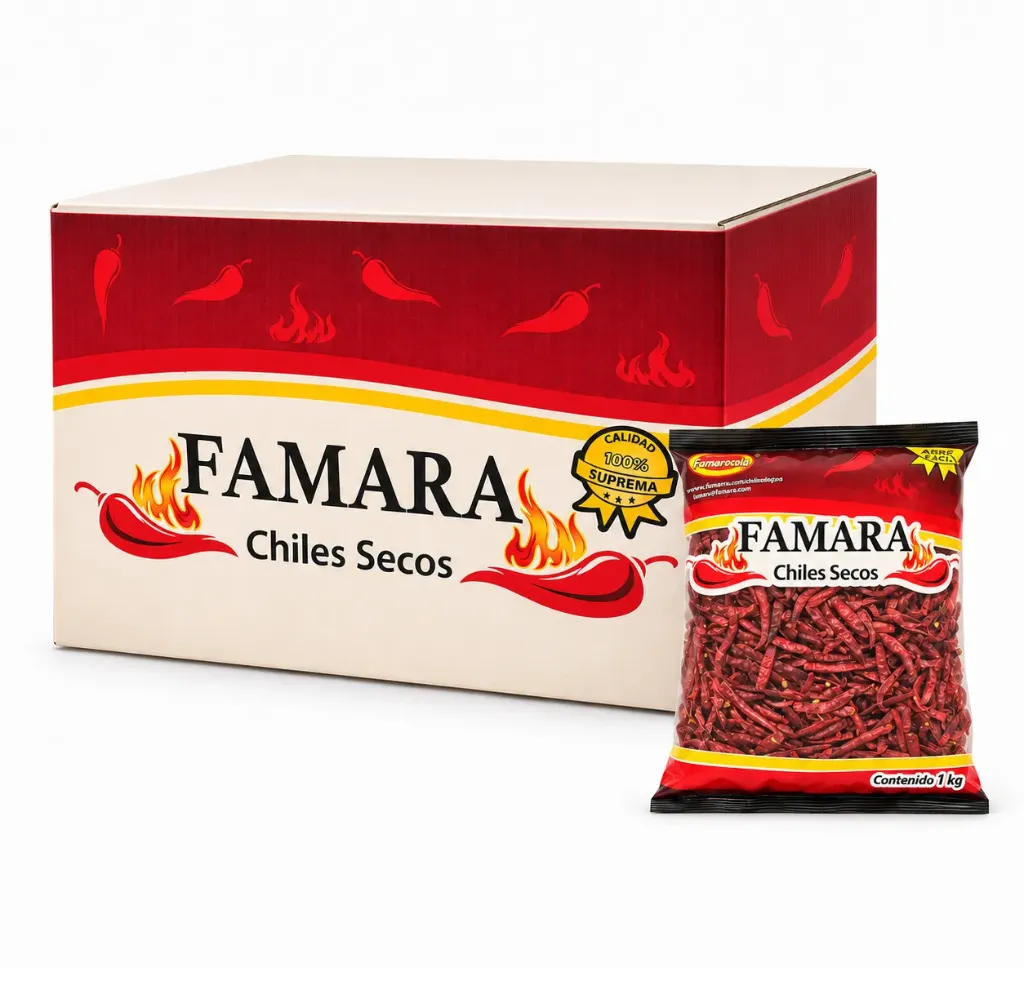
Chile de Árbol | S17 | Sin Cabo | C-CTN 10 ZippBag/1 Kg
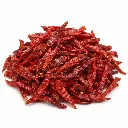
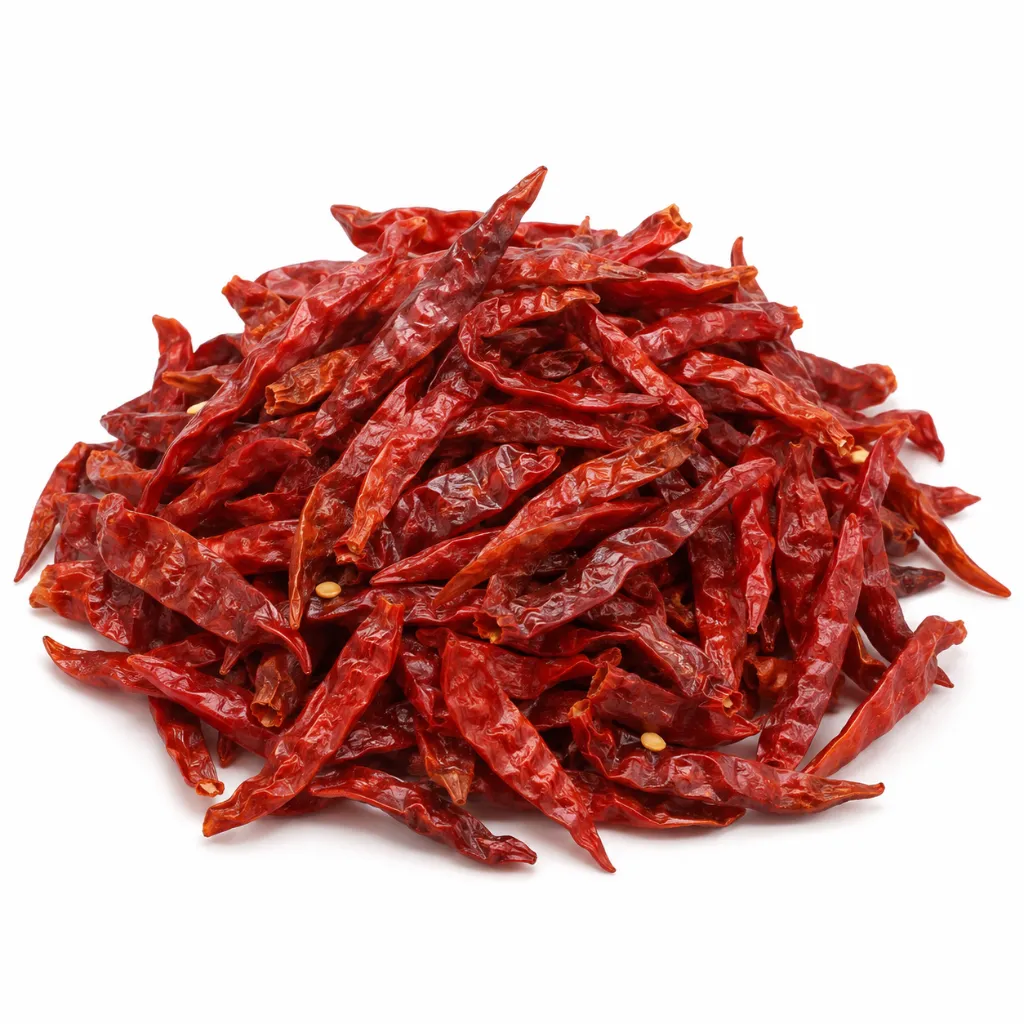
Dried Chile de Árbol (Capsicum annuum L.) is one of the most representative chile peppers in Mexican cuisine, recognized for its intense red coloration, slender elongated shape, distinctive spicy aroma and pronounced heat. Originating from Mexico and marketed under the FAMARA® brand, it is presented stemless, with the peduncle removed to facilitate culinary preparation and processing.
Its commercial presentation consists of a cardboard carton containing 10 resealable ZippBags of 1 Kg each, identified under the commercial designation S17. This format is particularly suitable for restaurants, industrial kitchens, sauce manufacturers, spice distributors and businesses specializing in Mexican ingredients.
The S17 designation is commercially used for certain stemless Chile de Árbol products. However, its exact meaning and grading specifications should be confirmed with the supplier, since it does not independently represent a universally standardized official size or pungency classification.
Organoleptic Properties
Slender, elongated and pointed dried chile peppers, generally straight or slightly curved, with relatively smooth or lightly wrinkled skin ranging from bright red to deep brick red. Dehydration concentrates characteristic aromatic compounds, producing a dry, firm and relatively brittle texture.
Its aroma is intense, vegetal, spicy and slightly earthy, with notes characteristic of mature, dehydrated chile peppers. Brief toasting develops deeper roasted aromas, although excessive heat may produce undesirable bitterness.
The flavor is characterized by direct, persistent and pronounced pungency, accompanied by subtle fruity and spicy undertones. As a general reference, Chile de Árbol may range from approximately 15,000 to 40,000 Scoville Heat Units (SHU), depending on growing origin, cultivation and production conditions. This range is indicative and does not represent a certified pungency analysis of the FAMARA® S17 lot.
Heat is primarily produced by capsaicinoids, which are concentrated especially in the pepper's internal placental tissues.
Suggested Uses
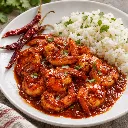
Ideal for preparing spicy red sauces, taquería-style salsa, salsa macha, rustic crushed salsas, adobos, marinades, moles, stews, broths and seasoned oils. Its distinctive heat profile adds intensity to traditional and contemporary Mexican recipes.
In Mexican cuisine, Chile de Árbol is particularly valued for hot sauces prepared with tomatoes or tomatillos, garlic and onions, as well as accompaniments for tacos, quesadillas, grilled meats, pozole and traditional street foods.
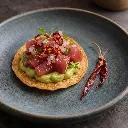
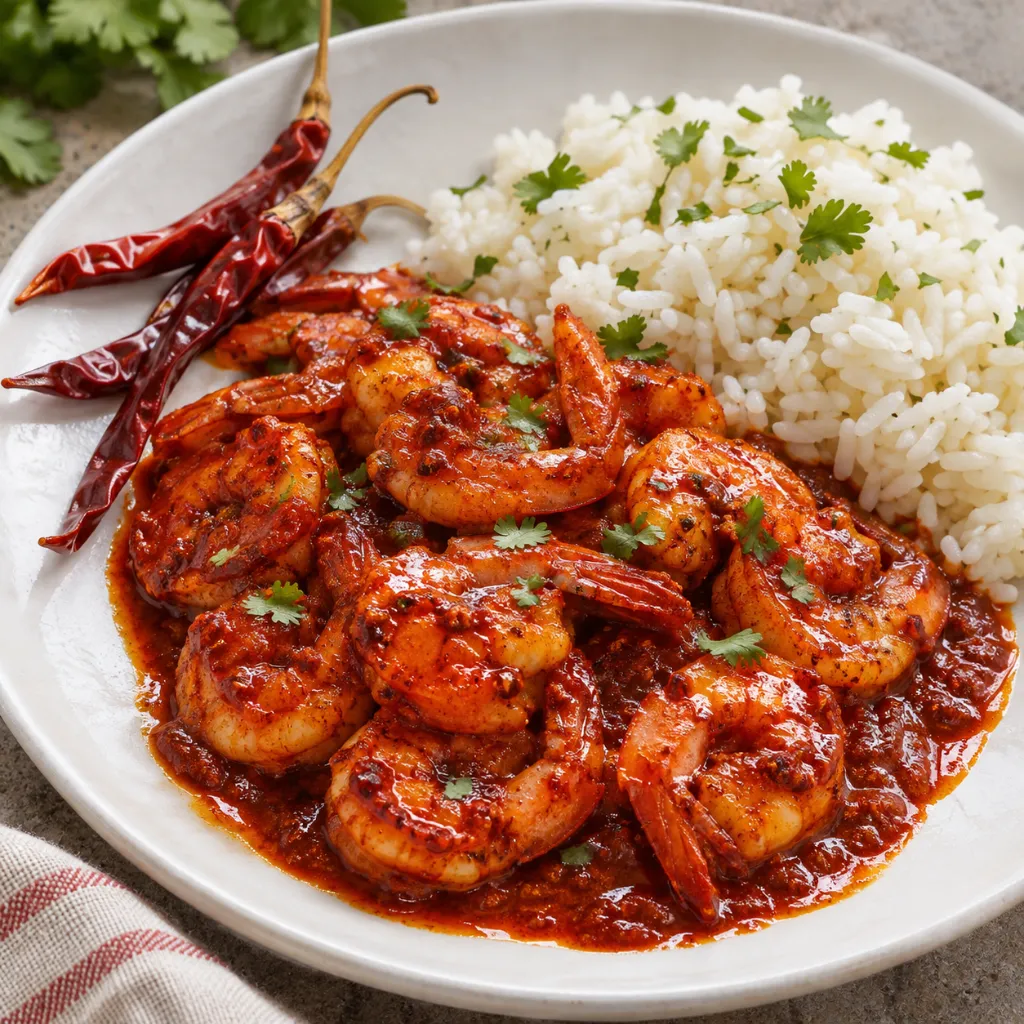
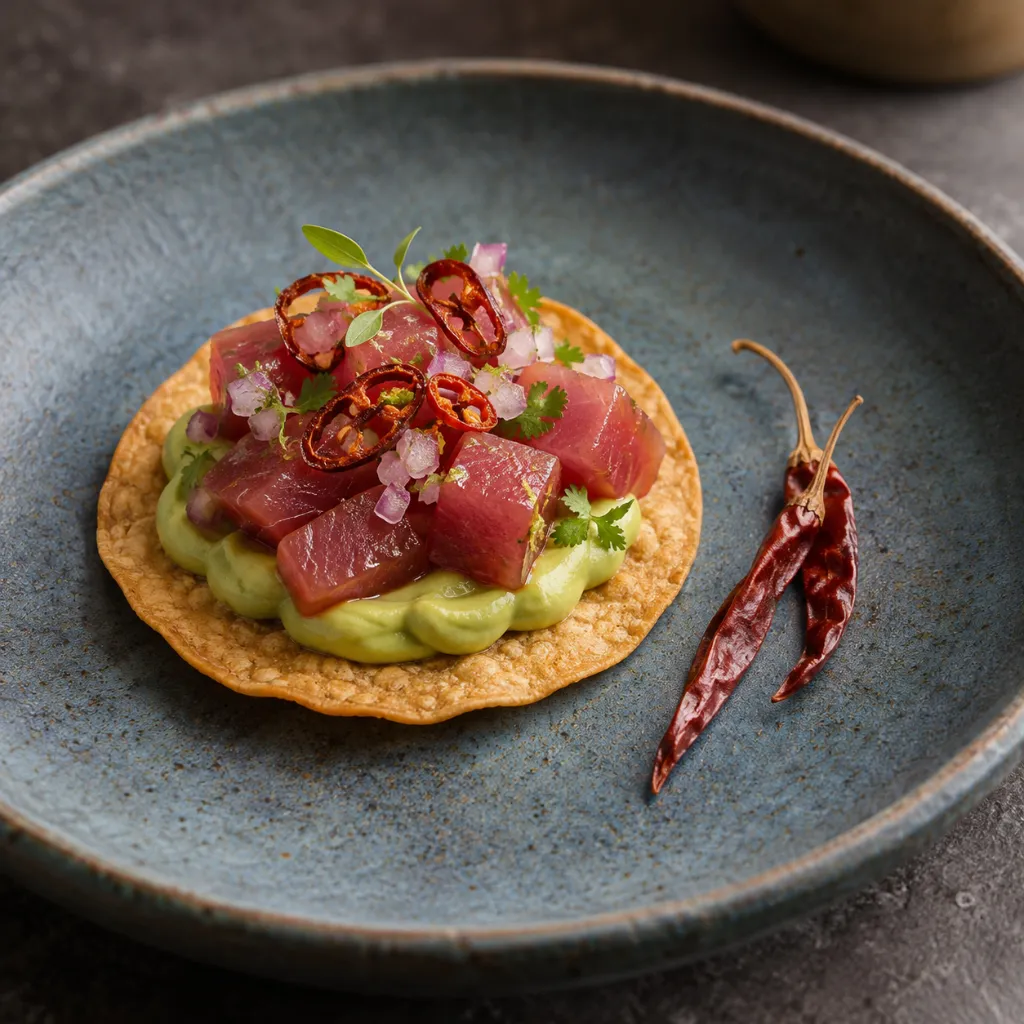
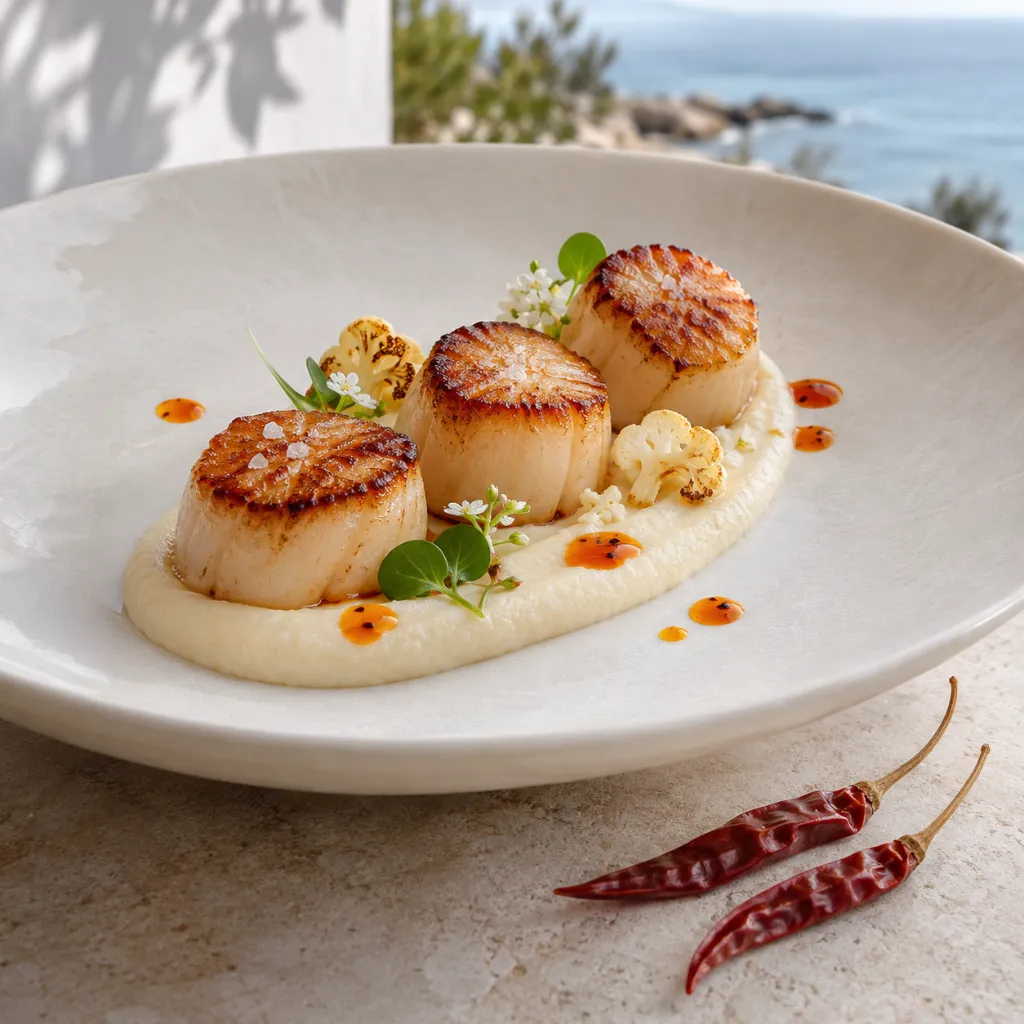
Professional culinary applications include chile-infused oils, spicy vinaigrettes, seasoned mayonnaise, flavored butters, dressings, spice blends and seafood preparations.
The peppers may be used whole, toasted, rehydrated, crushed or ground, depending on the recipe. Brief toasting over moderate heat enhances their aroma, provided burning is avoided. For smoother sauces, the peppers may be rehydrated in hot water before blending.
The stemless presentation reduces preparation time by eliminating the need to remove stems before cooking.
Format
Cardboard carton (C-CTN) containing 10 resealable ZippBags of 1 Kg each, equivalent to a nominal total net content of 10 Kg of dried Chile de Árbol, FAMARA® brand, originating from Mexico.
S17 selection: commercial designation used for this Chile de Árbol presentation. Specific requirements concerning pepper length, coloration, integrity and allowable tolerances should follow the supplier's technical specifications.
Stemless: dried chile peppers with their stems removed. This presentation facilitates direct culinary use and food processing, but does not necessarily mean the peppers have been deveined or that their seeds have been removed.
The resealable bags allow users to portion the product and securely close the package after opening, reducing exposure to air and moisture during regular use. Bags should be properly resealed after each use.
Storage and Handling
Store in a cool, dry, clean, dark and well-ventilated environment, preferably at moderate temperatures around 15–20 °C (59–68 °F) when facility conditions permit. Protect from direct sunlight, heat sources, condensation and excessive humidity.
Dried chile peppers may deteriorate through moisture absorption, color fading, aroma oxidation and mold development. Packaging should therefore remain properly closed and protected from cross-contamination and pests.
Appropriate dehydration, handling and storage conditions are essential for preserving the peppers' natural coloration, pungency and characteristic flavor.
After opening each ZippBag, remove only the quantity required and reseal carefully. For prolonged storage in hot or humid climates, refrigeration in an airtight container may be appropriate, provided condensation is prevented.
Quality and Selection Criteria
Select peppers with uniform red coloration, a clean appearance, dry texture and characteristic aroma, free from mold, visible moisture, insects, foreign materials or obvious deterioration.
The peppers should retain a reasonably intact structure, allowing for the natural variations associated with dehydration and the tolerances established by the supplier. Their skin may be slightly flexible or brittle according to moisture content, but should not feel wet or sticky.
For the stemless presentation, verify that peduncles have been removed according to the applicable commercial specifications. Seeds and internal membranes may remain inside the peppers.
Avoid peppers displaying musty, fermented or rancid odors, abnormal staining or excessive discoloration. The S17 designation should be assessed according to FAMARA® specifications rather than being assumed to guarantee a particular level of heat.
Season
Chile de Árbol is cultivated during different agricultural growing cycles throughout Mexico, depending on production region, water availability, temperature and crop management.
Harvesting generally takes place when peppers reach appropriate maturity and red coloration, after which they undergo natural dehydration or specialized mechanical drying.
Thanks to dehydration and suitable storage practices, dried Chile de Árbol may be commercially available throughout the year, even when fresh harvests are concentrated in particular growing seasons.
Actual supply depends on agricultural cycles, processing schedules and supplier inventory.
Origin
Mexico.
Chile peppers belong to the genus Capsicum, whose origins and domestication are deeply connected with the Americas. Mexico is one of the most important historical centers of chile pepper diversity, cultivation and culinary development, with peppers forming an essential part of local food traditions since pre-Hispanic times.
Chile de Árbol belongs to the species Capsicum annuum, which also includes remarkably different peppers such as jalapeño, serrano, poblano and bell peppers. Their differences in shape, coloration and pungency reflect a long history of agricultural domestication and selection.
One interesting fact is that Chile de Árbol does not necessarily derive its name from growing on a tree, but rather from characteristics of its plant and relatively woody stems. Unlike certain dried chile varieties prized primarily for sweetness or smoky flavor, Chile de Árbol stands out for its intense pungency and spicy aromatic character, making it especially valuable in Mexican sauces.
Its stemless presentation meets the efficiency requirements of professional kitchens, while individual 1 Kg packages facilitate portioning and inventory control.
This combination of Mexican culinary heritage, aromatic intensity, gastronomic versatility and convenient storage has established Chile de Árbol as an essential ingredient in traditional kitchens, restaurants and specialized food-processing operations.