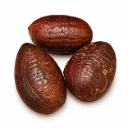
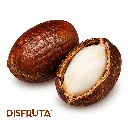
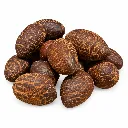
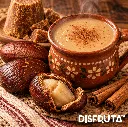
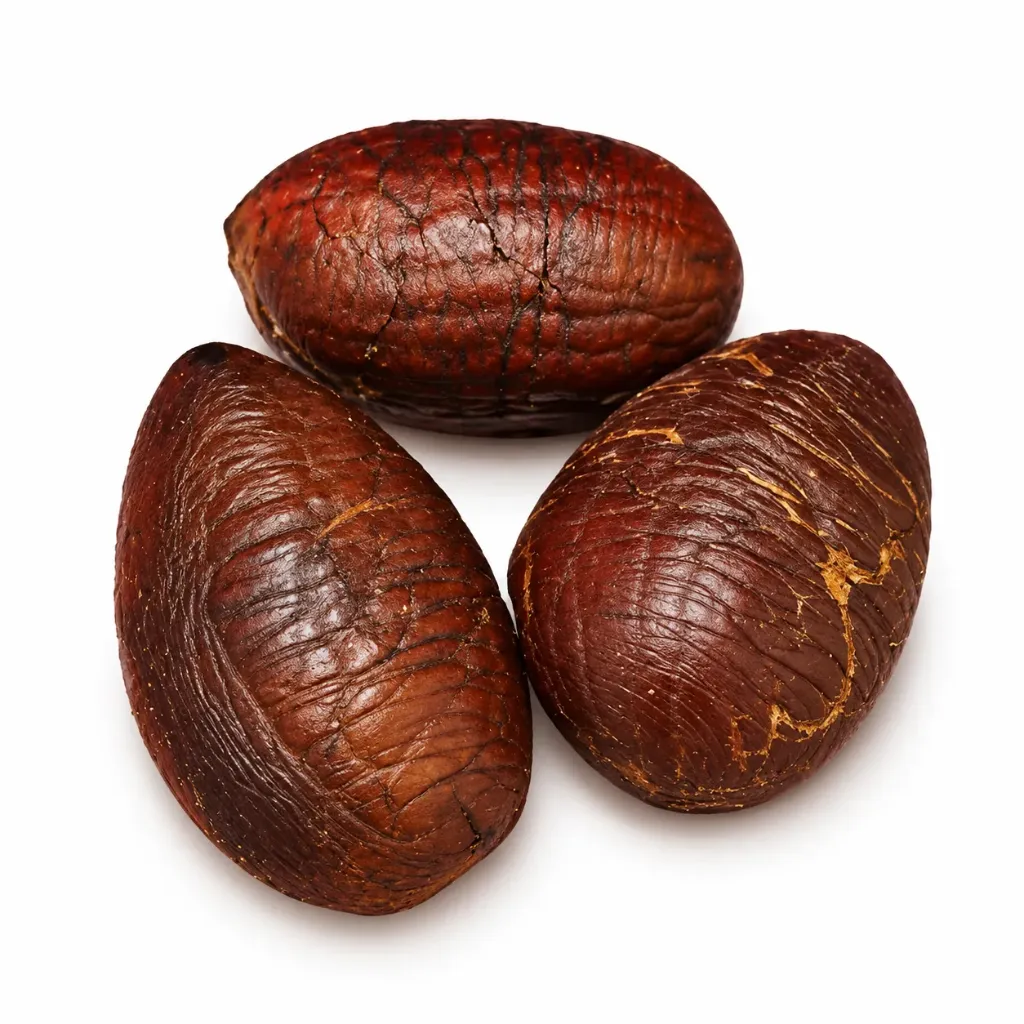
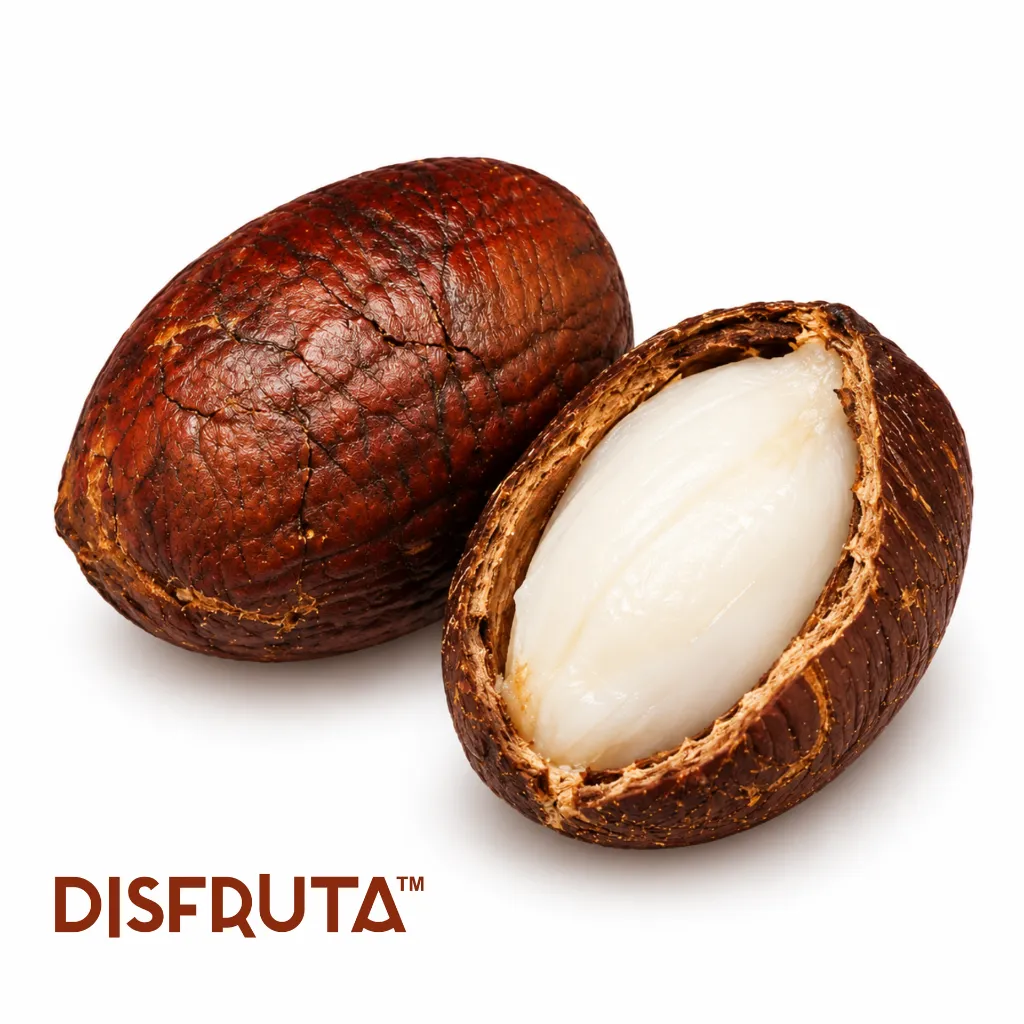
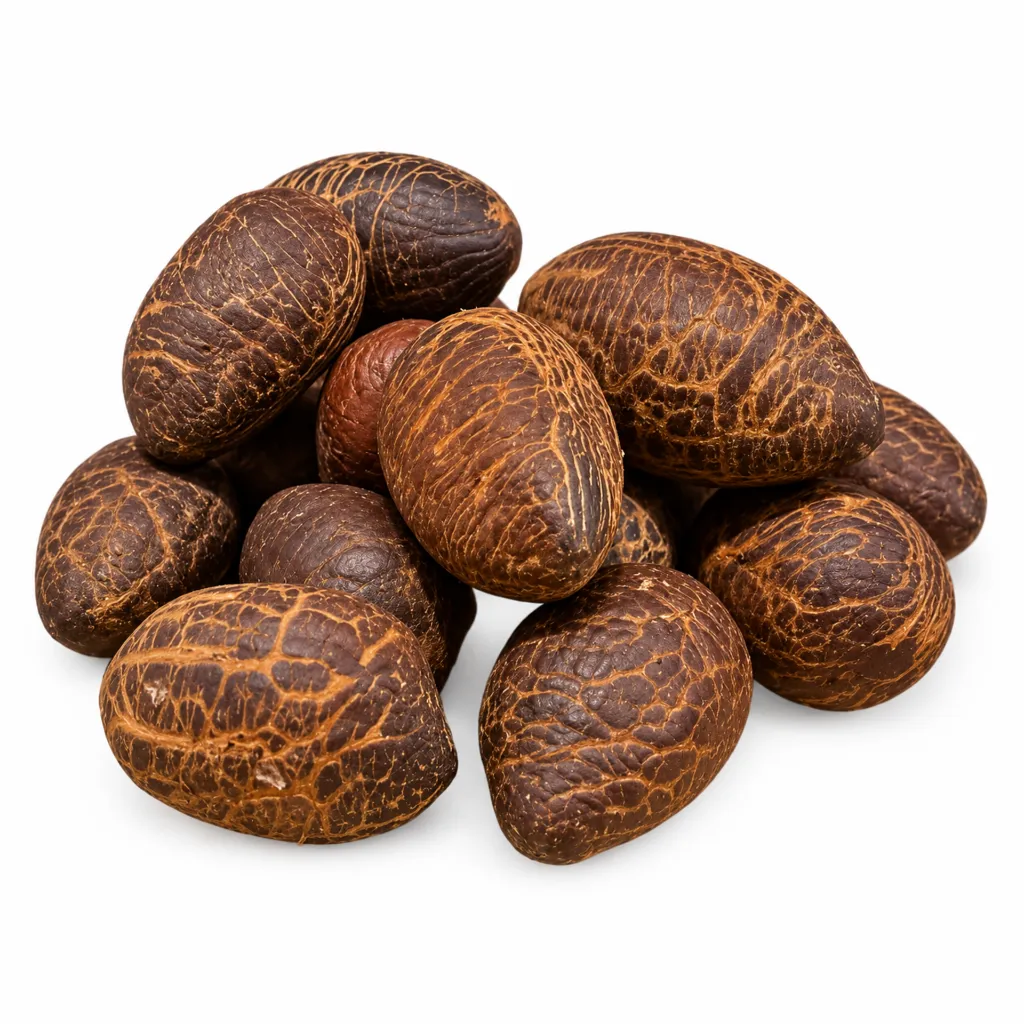
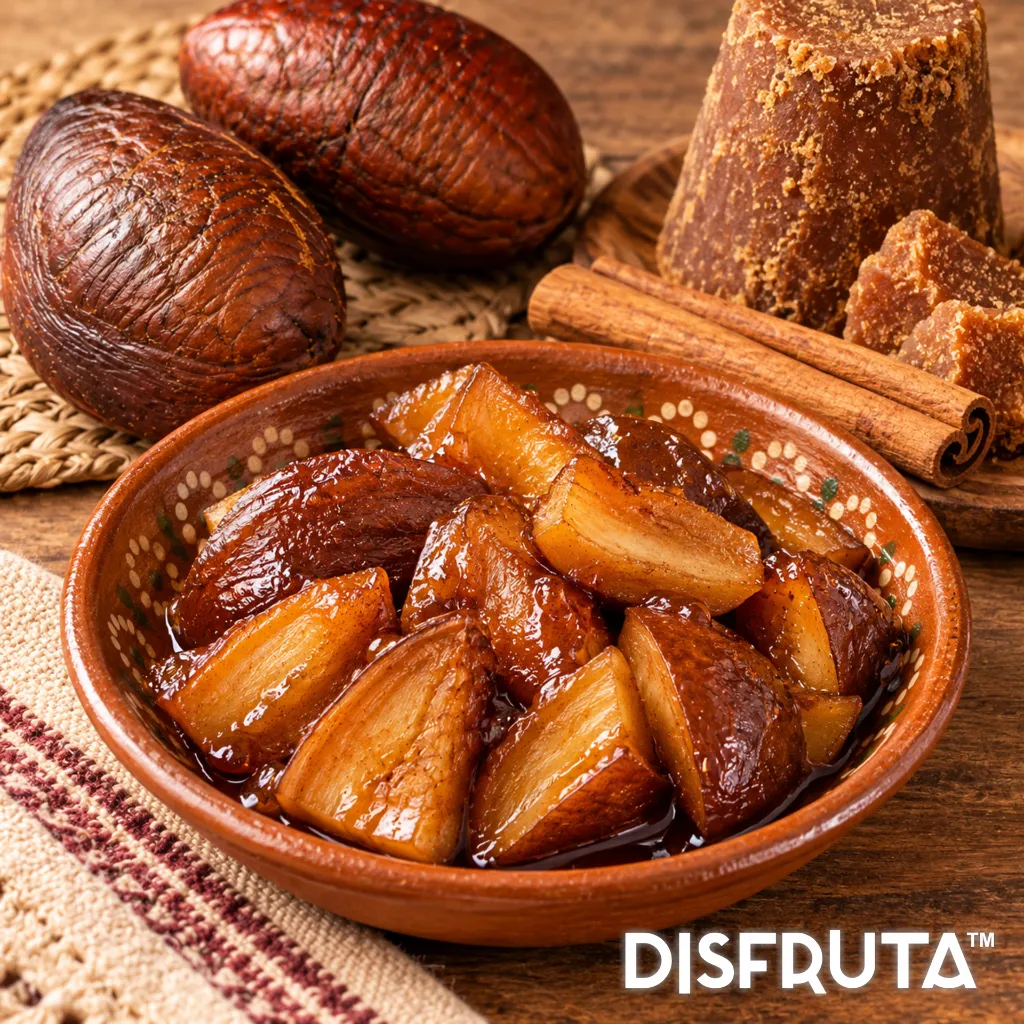
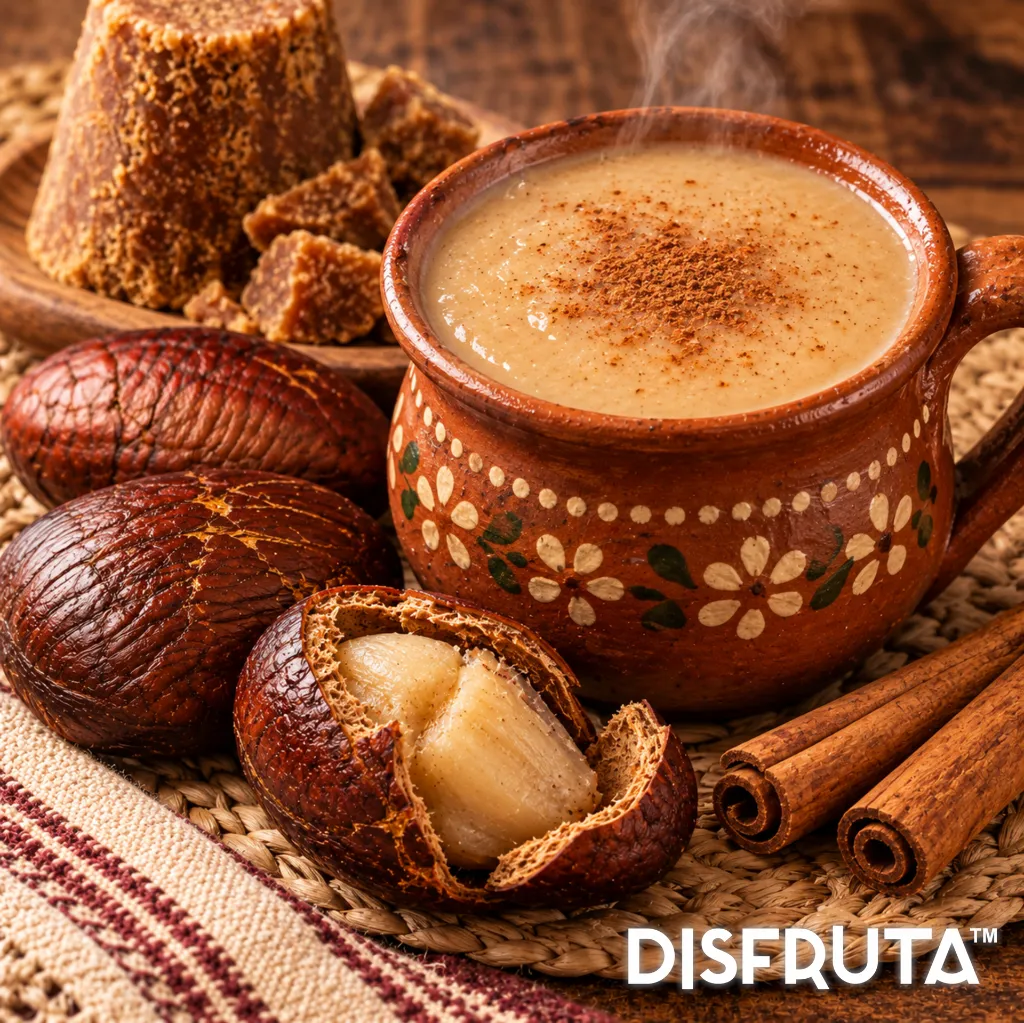
Cohune nut, locally known as Coco de Aceite, Coquito de Aceite or Corozo, is the fruit of Attalea cohune Mart., a palm belonging to the Arecaceae family and sourced from Guerrero, Mexico. The fruit contains a hard shell protecting an edible oil-rich seed or kernel, traditionally valued both as food and as a source of oil. Attalea cohune is an accepted botanical species native to southern Mexico and Central America, and Mexican botanical records confirm its presence in Guerrero. Plants of the World Online
Common Names
Coquito de Aceite, Coco de Aceite, Coyul, Guacoyul, Cocoyule, Cohune, Corozo o Coquito. En inglés se conoce principalmente como Cohune Nut o Cohune Palm Nut. El nombre botánico aceptado actualmente es Attalea cohune Mart.; Orbignya cohune es un sinónimo botánico histórico.
Organoleptic Properties
Rustic-looking fruit with a firm exterior surrounding a very hard, woody endocarp. Inside is an edible white-to-cream kernel with a firm, crisp texture when fresh. It offers a characteristic oily, mildly sweet and nutty flavor, which becomes more pronounced when roasted. Its naturally oil-rich composition develops an especially pleasant nutty aroma when heated or processed.
Suggested Uses
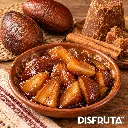
The kernel may be eaten directly or roasted and incorporated into traditional preparations, sweets, atoles and artisanal foods. One of its most characteristic applications is oil extraction, using the oil-rich kernel for food and other traditional purposes. Kew recognizes Attalea cohune as a palm with documented food use, together with several other traditional applications. Plants of the World Online
Format
Bulk (BLK) per kilogram. Whole fruits containing a hard endocarp and an internal edible seed / kernel. Natural variations in size, shape and coloration may occur.
Storage and Handling
Store whole fruits in a cool, dry and well-ventilated environment, protected from moisture, rain and prolonged exposure to heat. Once the kernel has been extracted, preferably keep it in an airtight container under cool conditions, as its naturally high oil content makes it susceptible to oxidation and rancidity. Refrigeration of cleaned kernels is advisable when extended storage is required.
Quality and Selection Criteria
Select mature, dry and well-developed fruits with a firm, intact endocarp, free from mold, insect perforations, abnormal moisture or fermentation. Once opened, the kernel should have a white-to-cream coloration, clean appearance, firm texture and characteristic fresh aroma, without staining, fungal growth or rancid odors. Natural variation in fruit size and appearance is acceptable for this traditionally harvested product.
Origin
Guerrero, Mexico.
Cohune Nut, or Coco de Aceite / Corozo, comes from Attalea cohune, a tropical palm naturally distributed from southern Mexico through Central America and into parts of Colombia. Kew records the English vernacular names cohune and cohune nut, while Mexican botanical records confirm the species in Guerrero and several other states of southern and western Mexico. I Plants of the World Online ts traditional importance centers on the oil-rich kernel contained inside the fruit, which is used as food and as a raw material for oil extraction. This characteristic is reflected directly in Mexican regional names such as “Coco de Aceite” and “Coquito de Aceite.”