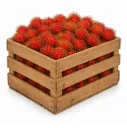
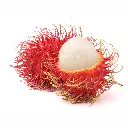
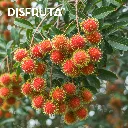
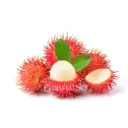
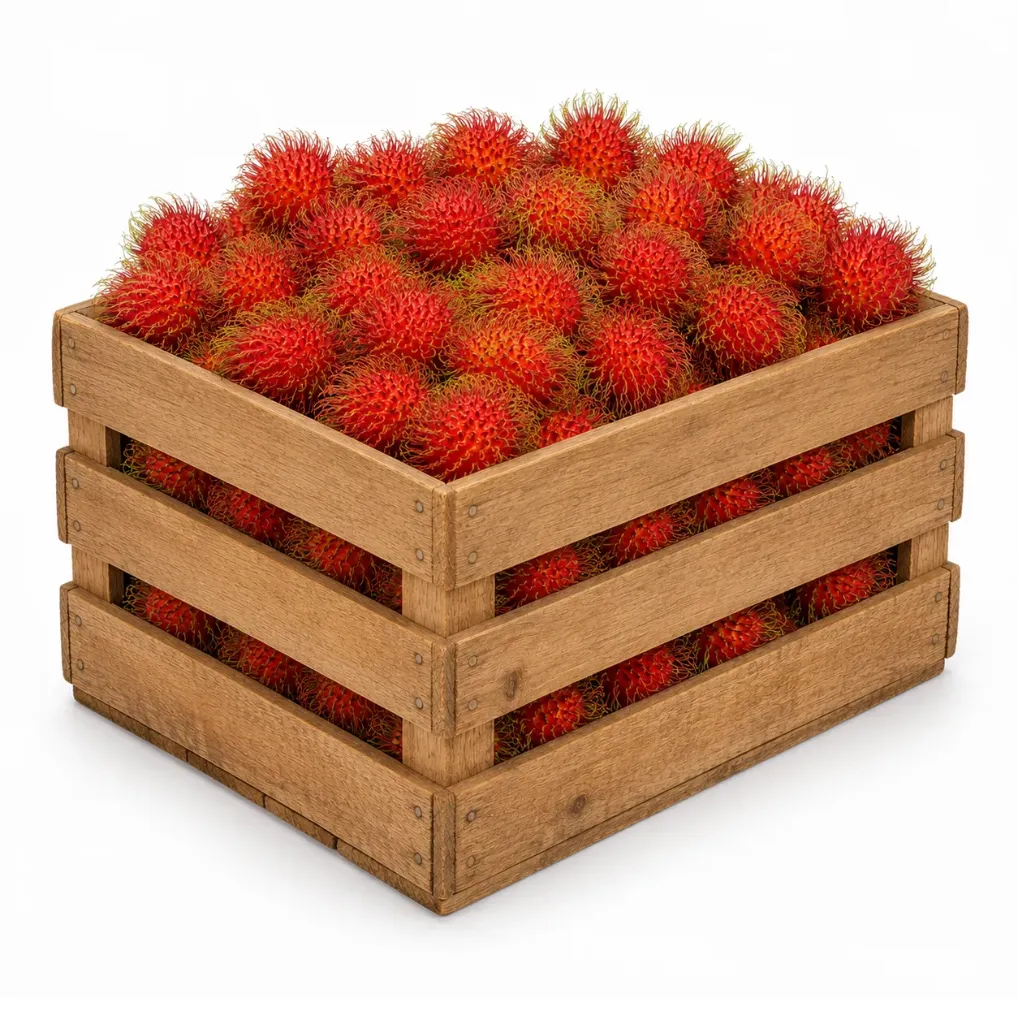
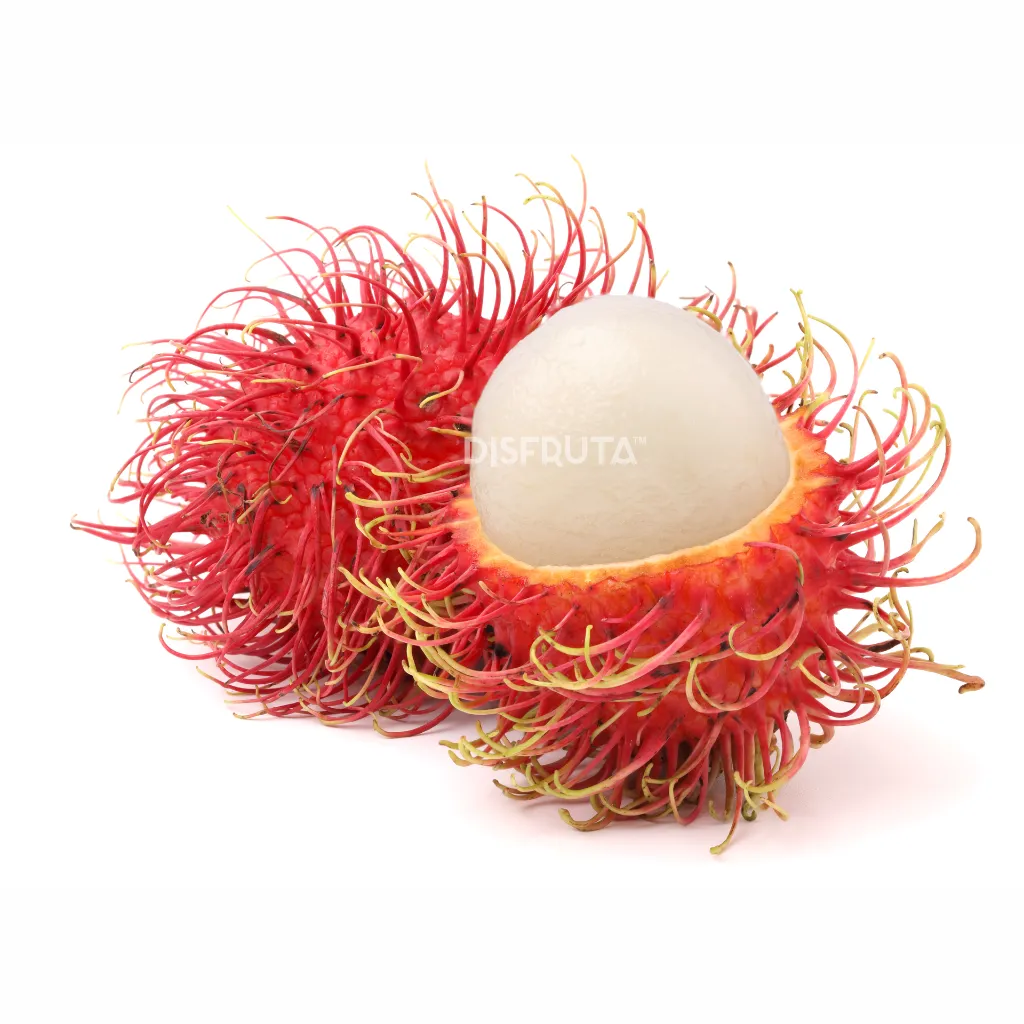
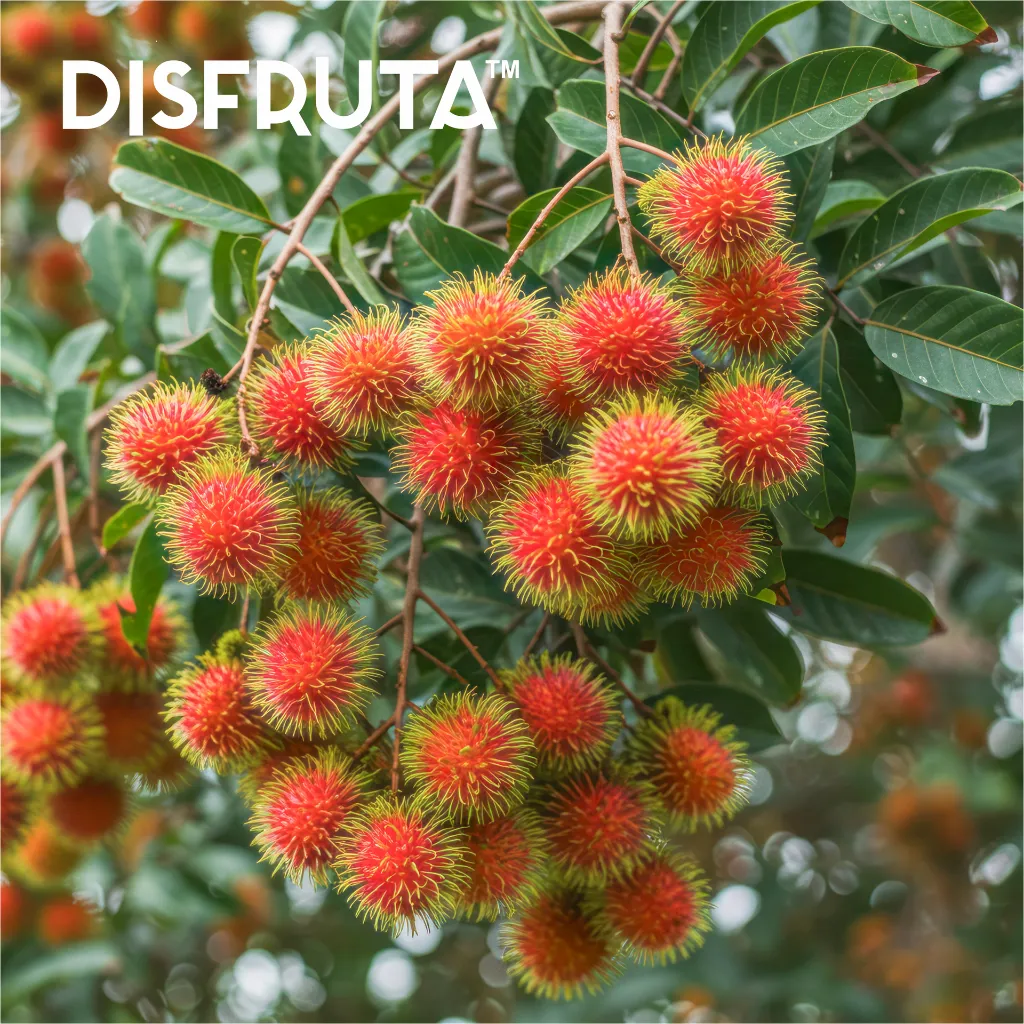
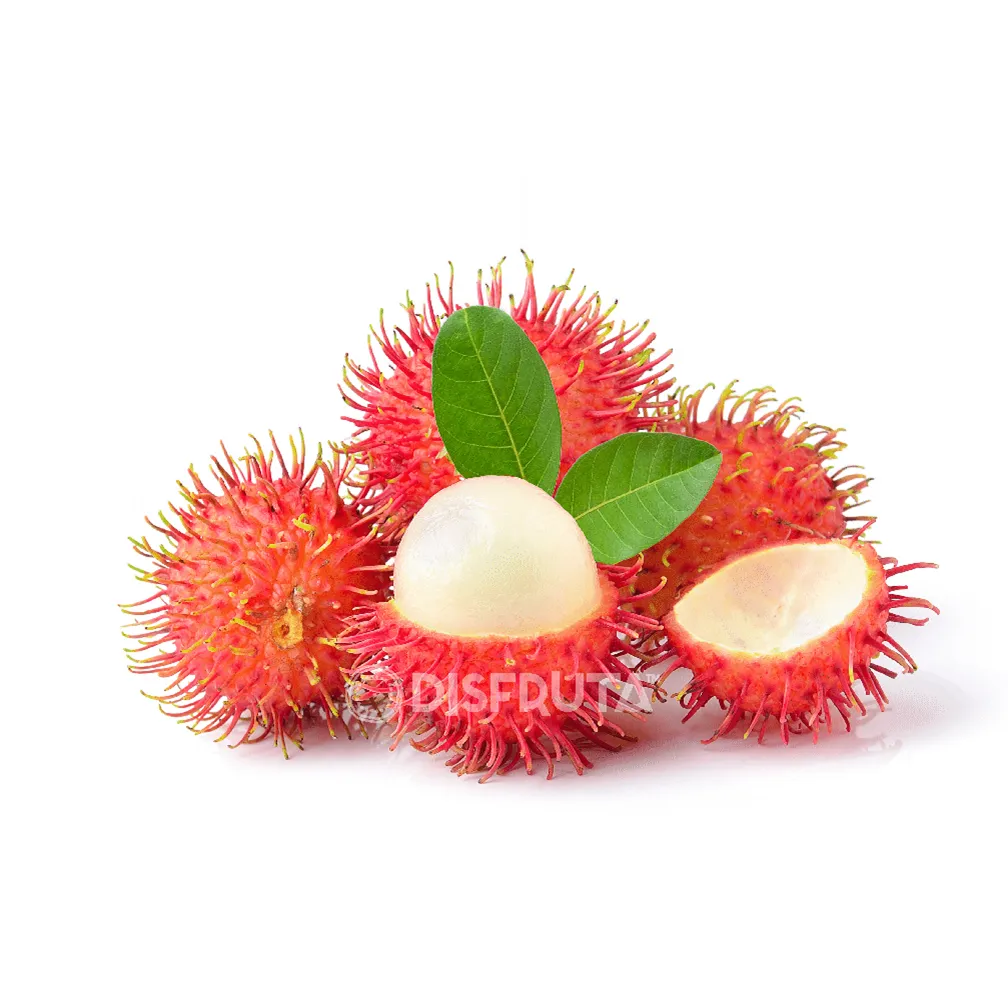
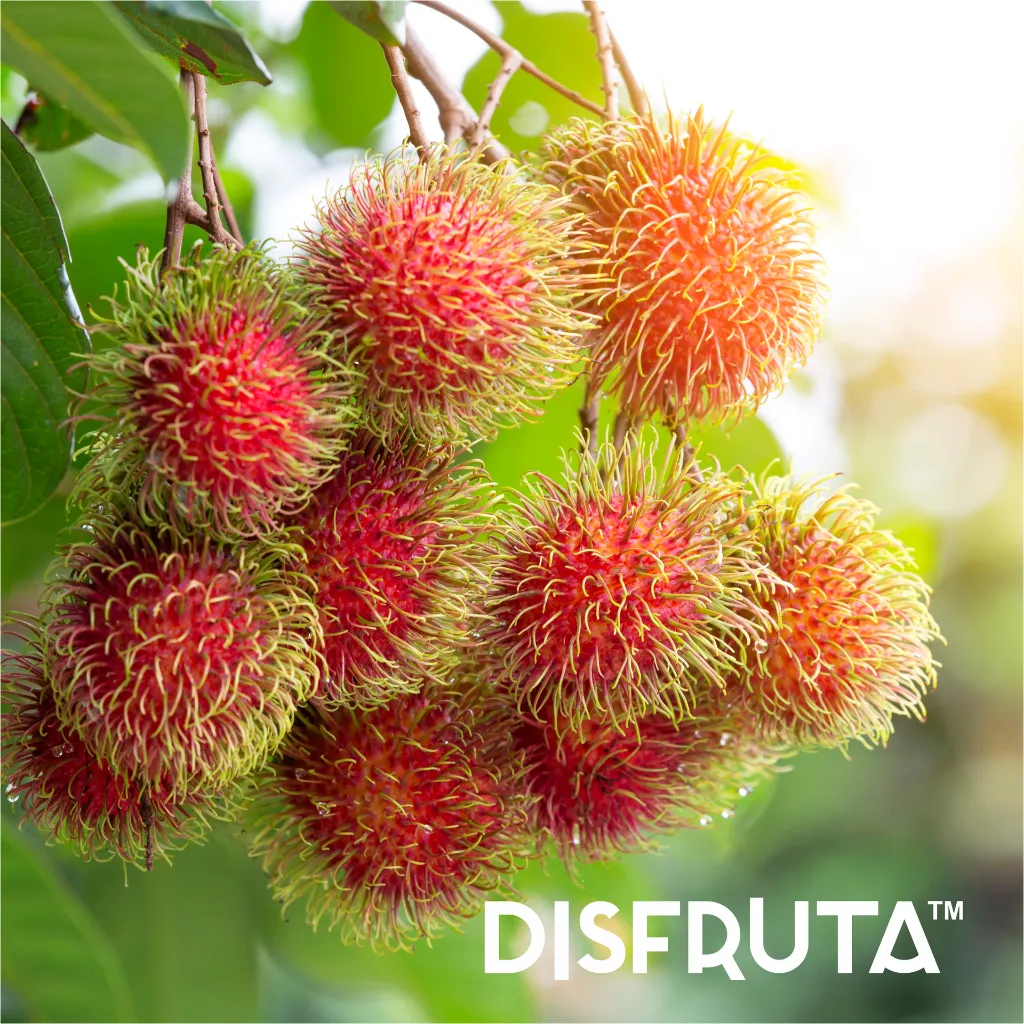
The red rambutan from Chiapas is a tropical fruit with red skin, soft hair-like spines, and white, juicy, translucent flesh. It is valued for its sweet, fresh, slightly acidic flavor, similar to lychee.
Organoleptic Properties
Red skin with soft filaments, translucent white flesh, juicy texture, and sweet flavor with light acidity. Fresh and delicate tropical aroma.
Suggested Uses
Ideal for fresh consumption, fruit shops, supermarkets, hotels, restaurants, fruit cocktails, desserts, beverages, plate decoration, and tropical fruit baskets.
Format
Wooden box (WDN-BX) of approximately 7 kg. Fresh product selected for commercial handling and distribution.
Storage and Handling
Keep refrigerated between 8 °C and 12 °C. Avoid direct sunlight, bruising, dehydration, and overly low temperatures that may affect skin appearance.
Quality and Selection Criteria
Choose fruits with intense red color, firm and fresh appearance, no excessive dark spots, mold, fermentation, leakage, or mechanical damage. Skin should maintain good appearance and flesh should be juicy.
Origin
Chiapas, Mexico.
History in Mexico
Rambutan is native to Southeast Asia, mainly the Malaysia and Indonesia region. In Mexico, its introduction dates back to the late 1950s and early 1960s; official sources place its arrival in Chiapas around 1960, particularly in the Soconusco region and INIFAP’s Rosario Izapa Experimental Field. During its first decades, it remained an exotic fruit in family orchards, especially in areas such as Cacahoatán and Tuxtla Chico, before becoming established as a commercial crop in Chiapas.