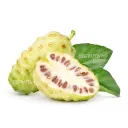
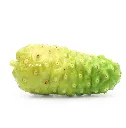
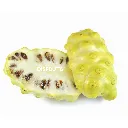
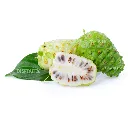
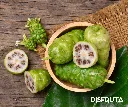
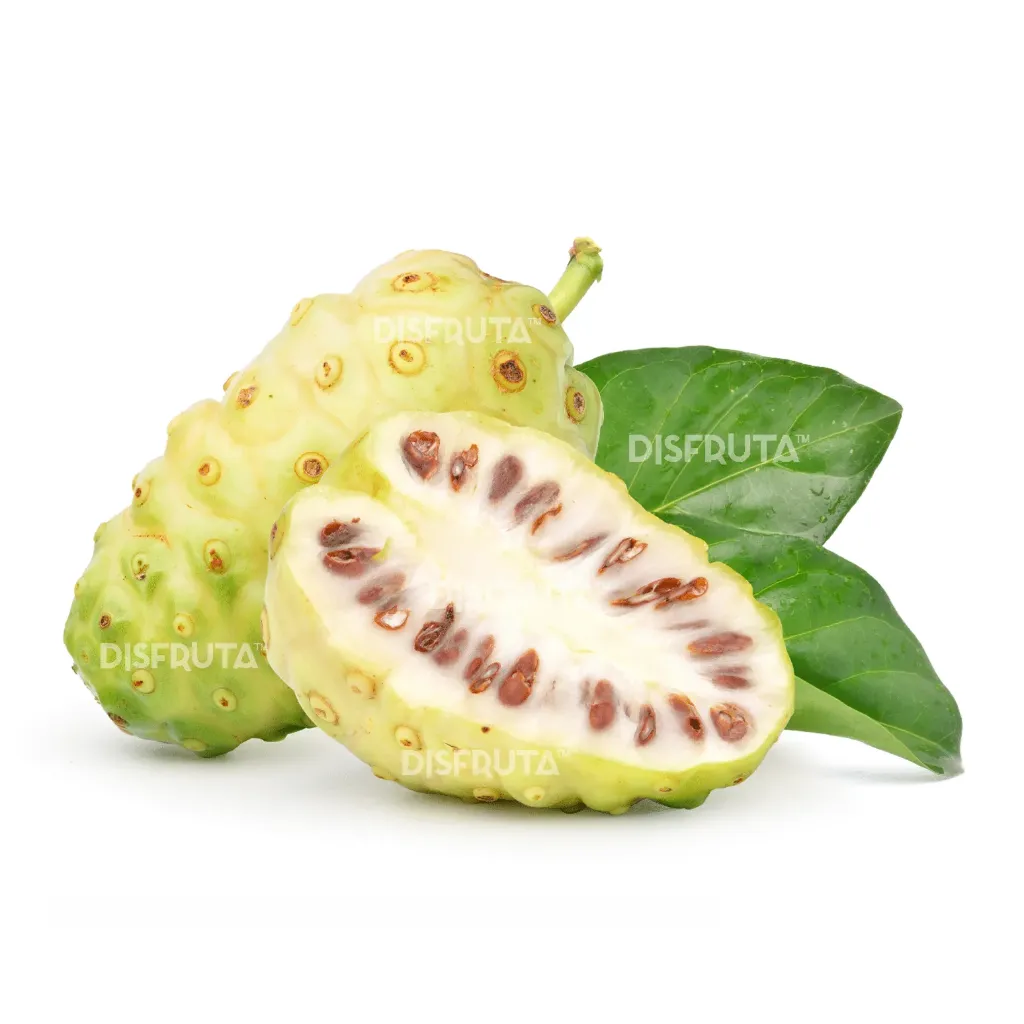
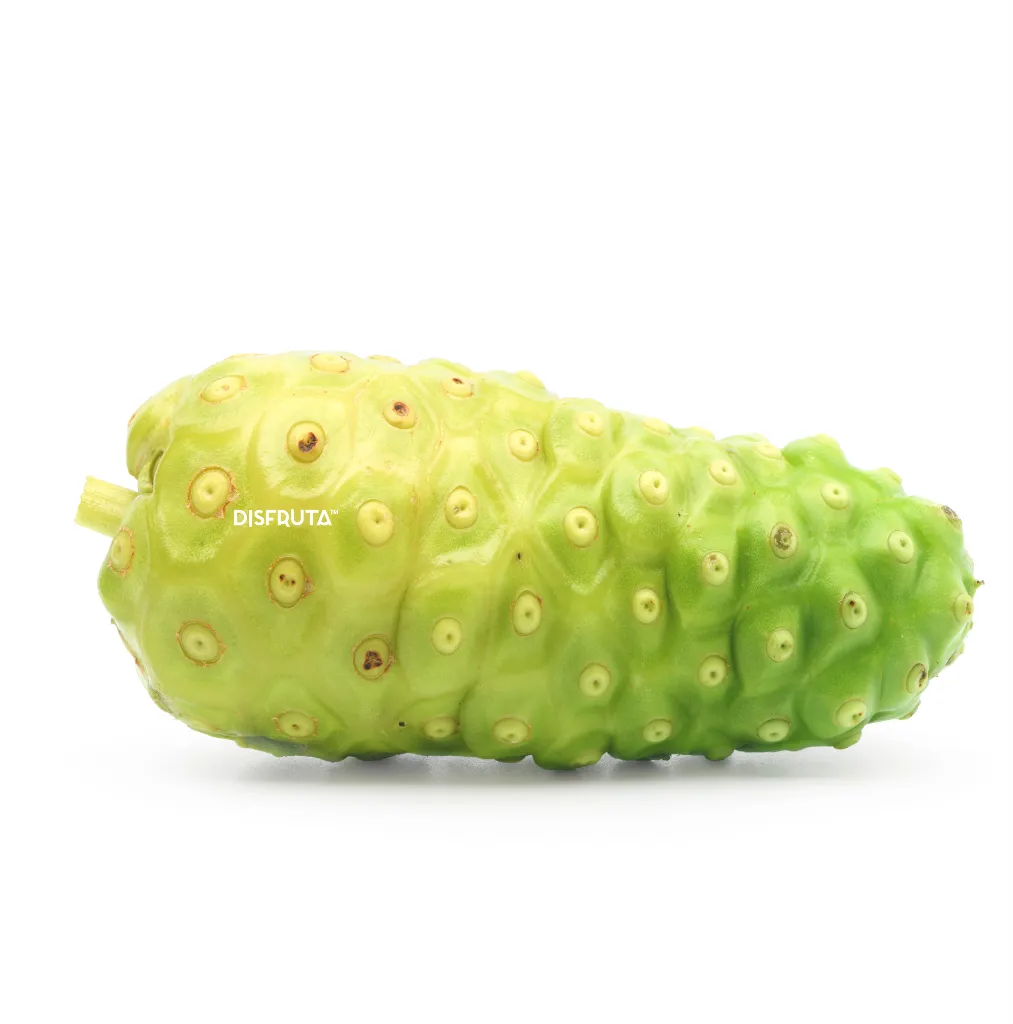
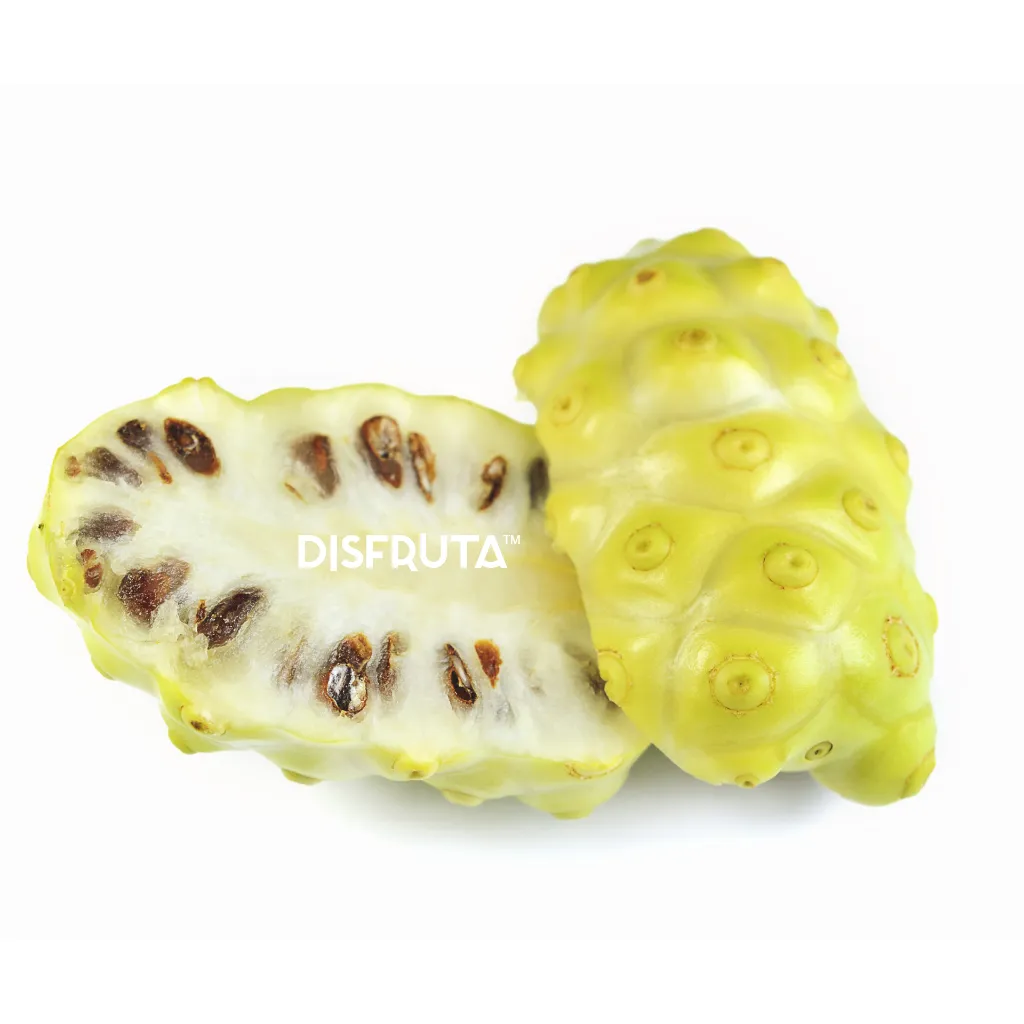
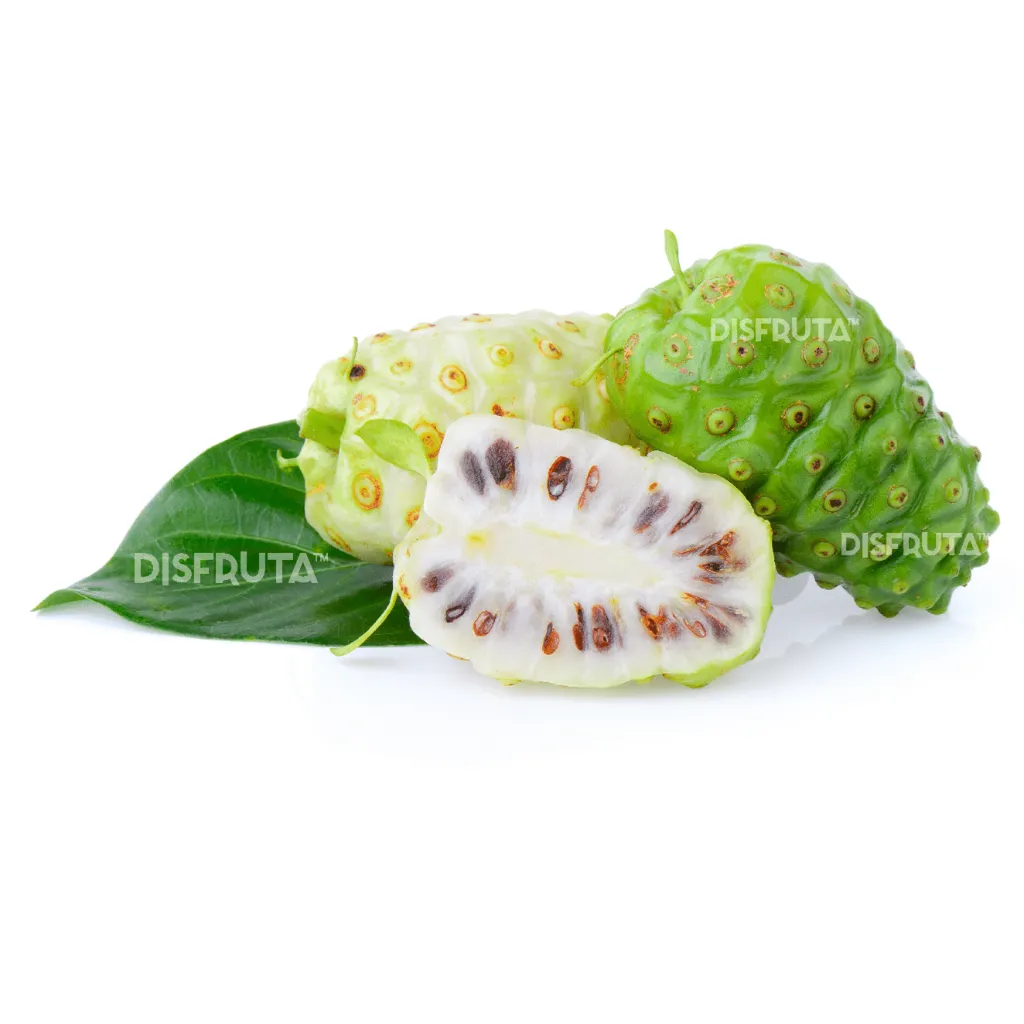
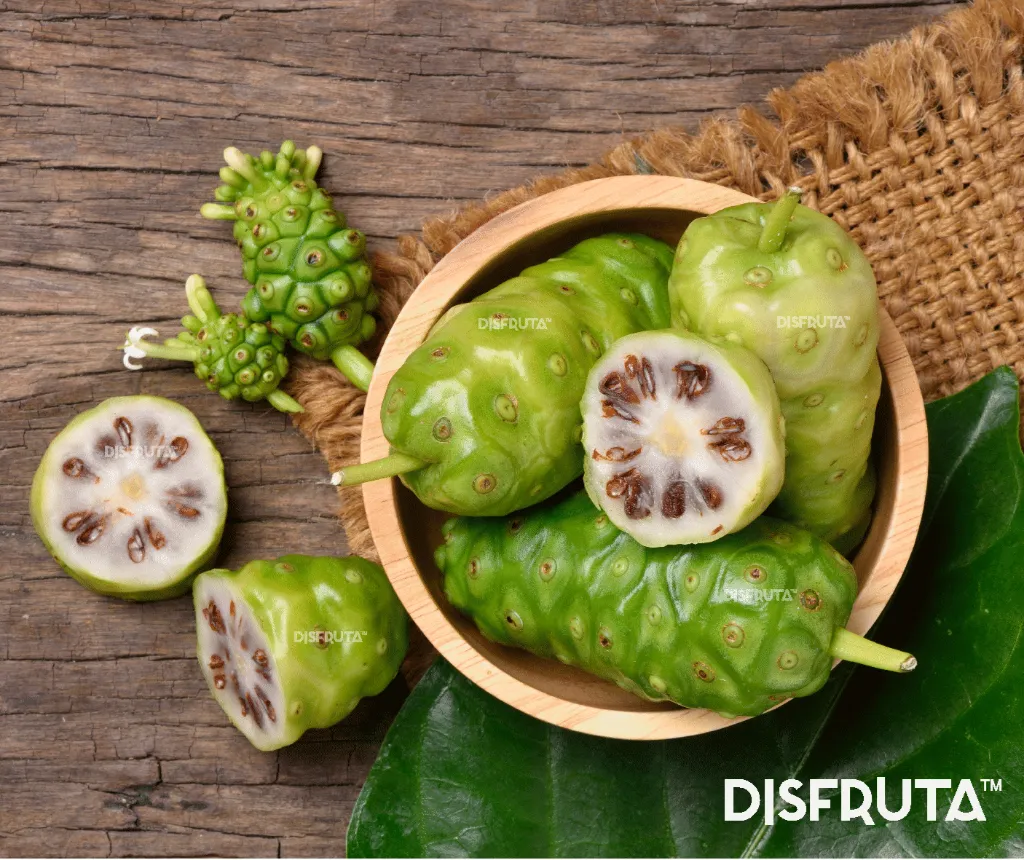
Noni (Morinda citrifolia) grown in Nayarit, carefully selected at optimum maturity and commercial quality. Commonly referred to as Indian Mulberry, and in some regions of Mexico as "Tuna de la India," this tropical fruit is widely used in the production of juices, extracts and traditional functional concentrates. Due to its rapid ripening process, noni is highly perishable and requires careful postharvest handling and prompt processing.
Organoleptic Properties
Oval to slightly irregular fruit. Skin changes from light green to creamy white or translucent yellowish-white as it ripens. Soft, watery and translucent flesh. Very intense, penetrating aroma, commonly described as fetid or resembling aged cheese, resulting from naturally occurring volatile compounds formed during ripening. Bitter, acidic and slightly astringent flavor with a persistent herbal finish.
Suggested Uses
Primarily used for producing functional juices, concentrates, extracts, dietary supplements and traditional herbal preparations. It is also used as a raw material for nutraceutical beverages and natural health products. Fresh consumption is uncommon due to its strong aroma and distinctive flavor.
Format
Bulk (BLK) per kilogram. Fruit selected for maturity, integrity and commercial quality.
Storage and Handling
Because of its high respiration rate, store between 10 and 13 °C for short periods and process as soon as possible after harvest. Avoid bruising and prolonged exposure to high temperatures, as these significantly accelerate ripening and deterioration.
Freshness Criteria
Whole fruits free from mechanical damage, excessive fermentation, mold or decay. Color should correspond to the expected stage of ripeness while maintaining sufficient firmness for handling and processing.
Origin
Nayarit, Mexico.
Noni (Morinda citrifolia) has been used for centuries in the traditional medicine of Polynesia, Southeast Asia and tropical America. It is a natural source of vitamin C, phenolic compounds, iridoids and other antioxidant phytochemicals that have been widely studied for their potential biological activity. In the food industry, it is primarily processed into juices, extracts and functional concentrates. While its constituents have been extensively researched, any potential health benefits remain under scientific investigation and should not be interpreted as established therapeutic claims.