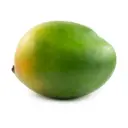
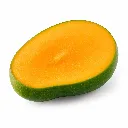
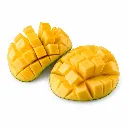
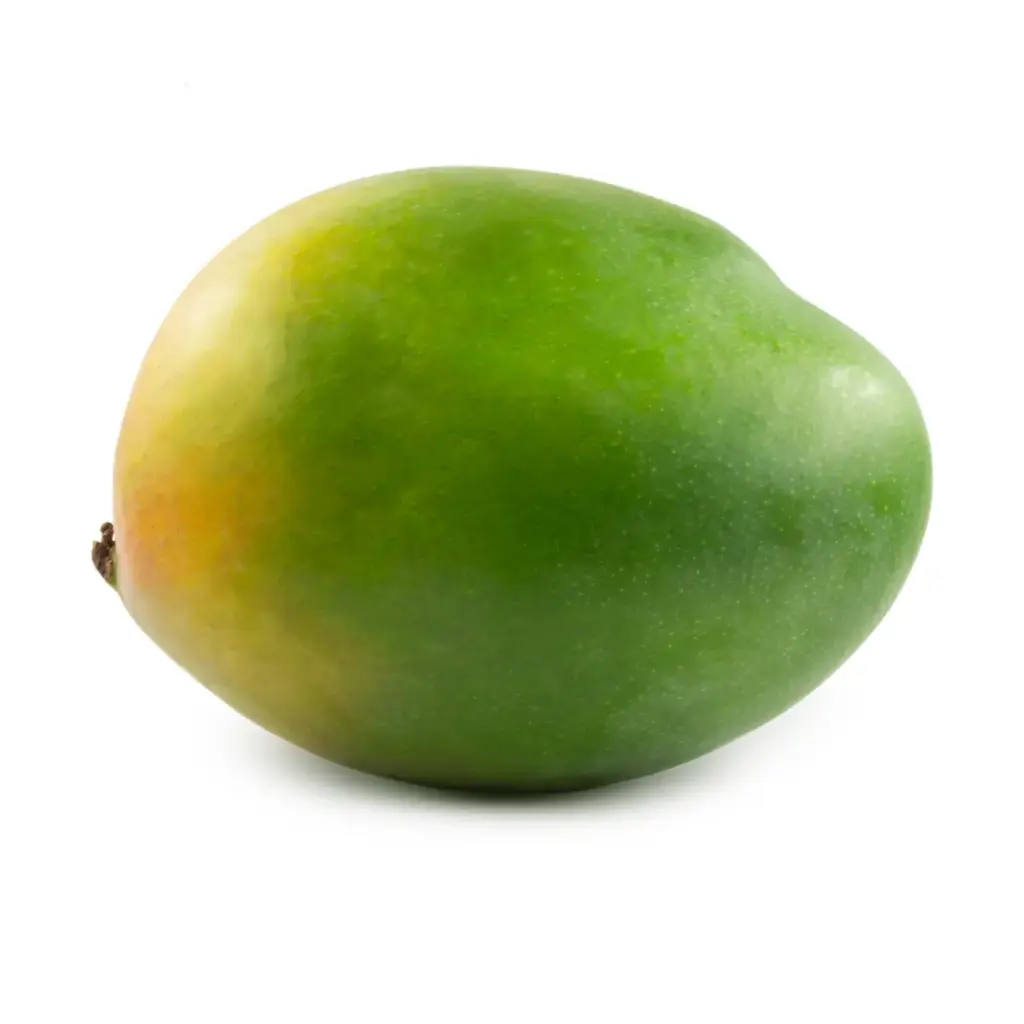
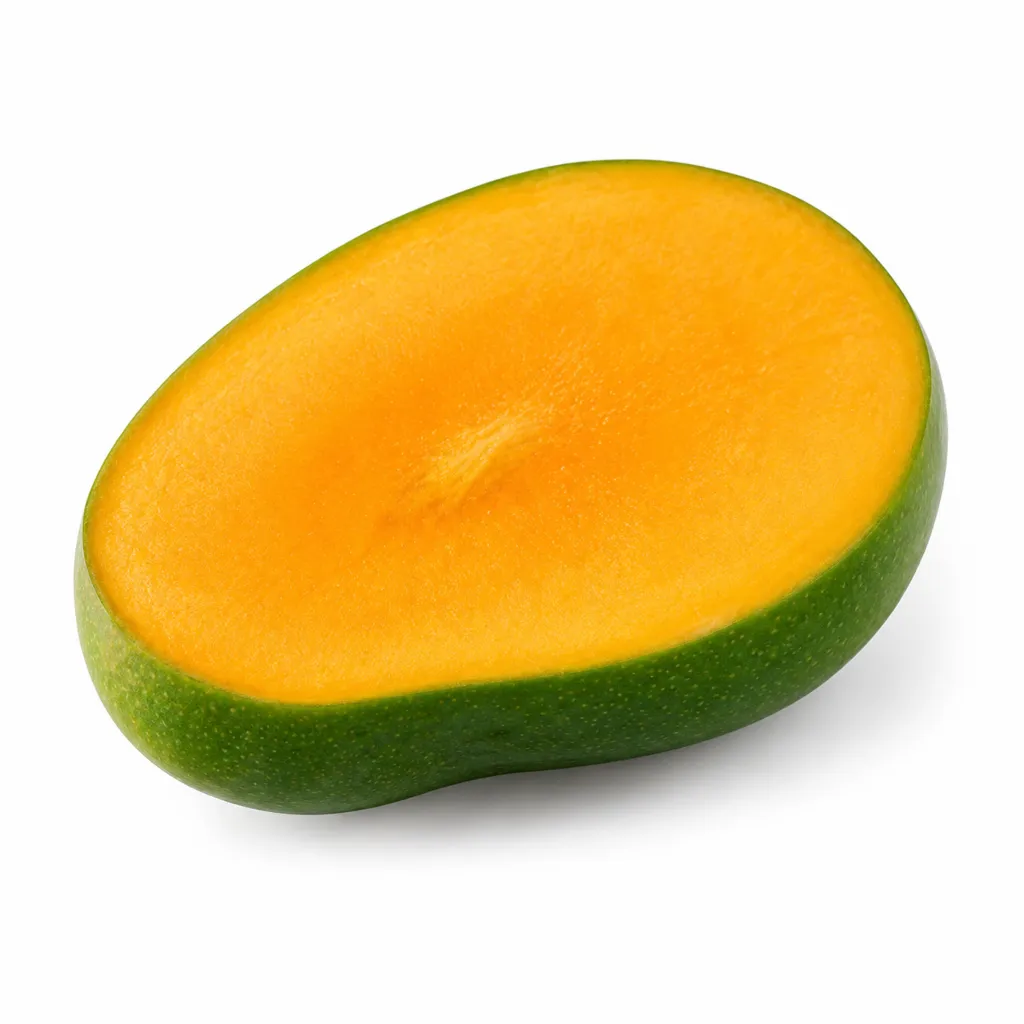
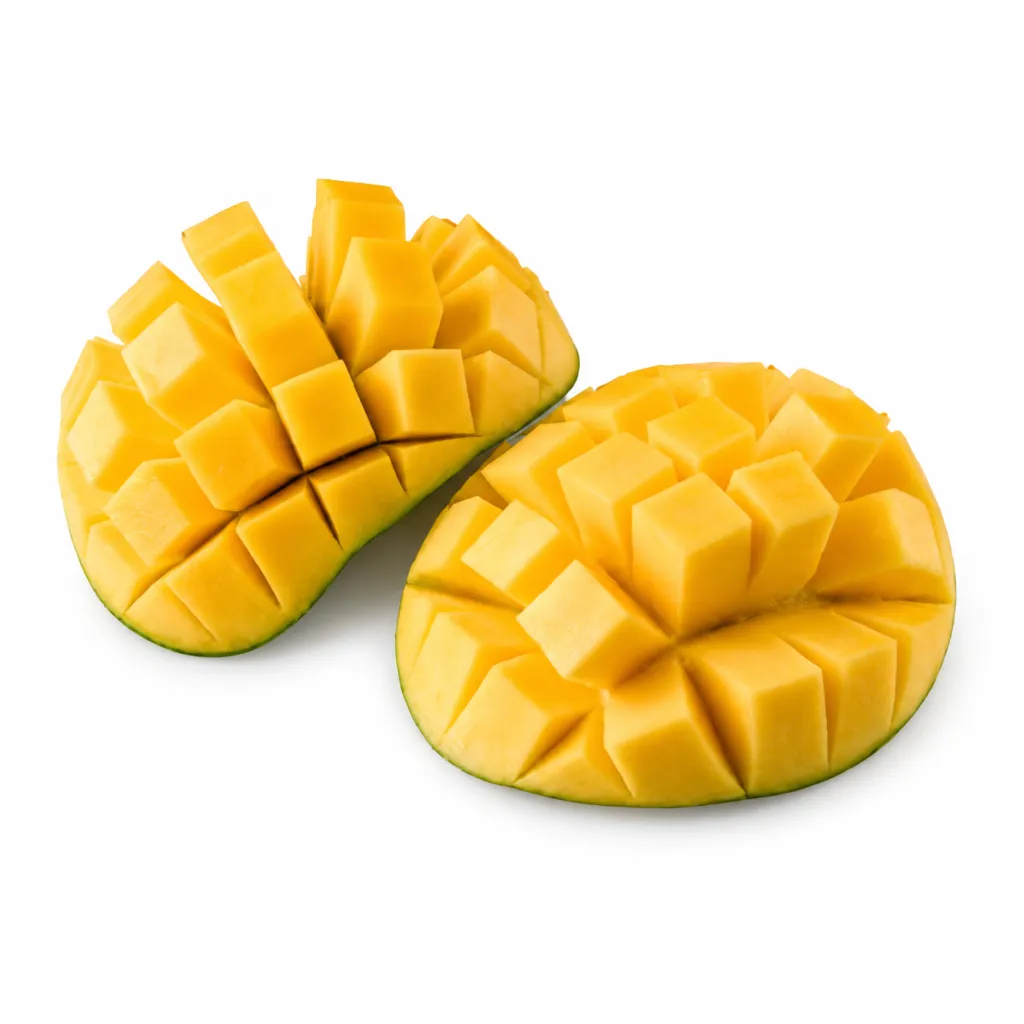
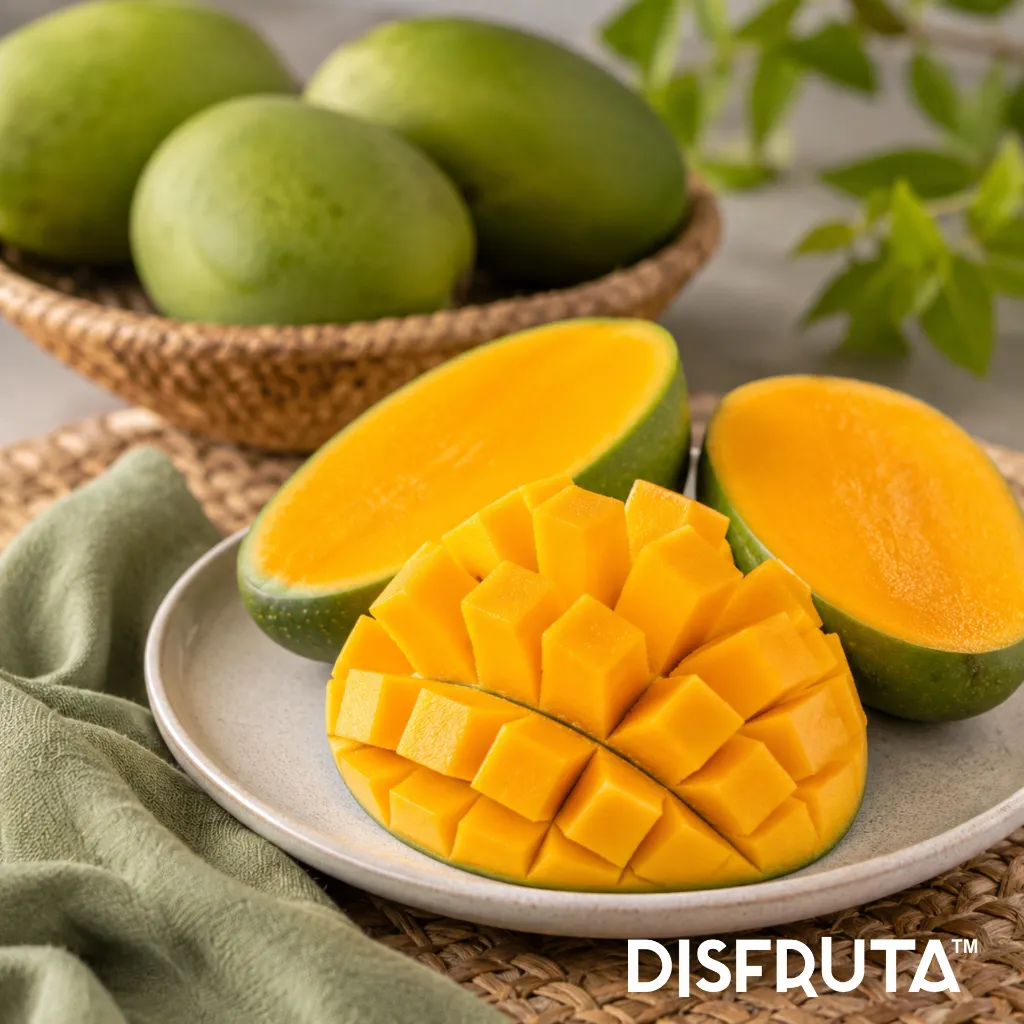
Keitt mango grown in Jalisco, Mexico. A late-season variety recognized for producing large, fleshy and highly juicy fruit with yellow to yellow-orange flesh, a relatively small seed and low fiber content. One of the most important characteristics of Keitt is that its skin generally remains green even when the fruit reaches eating ripeness, meaning external color should not be used as the sole indicator of maturity.
Organoleptic Properties
Large, oval to slightly elongated fruit. Predominantly green skin that may develop subtle yellow-green tones and occasionally a pink or reddish blush on sun-exposed areas. Yellow to yellow-orange flesh with a firm, highly juicy and low-fiber texture. Mild tropical aroma. Sweet, fresh flavor with gentle acidity and delicate citrus and tropical notes.
Suggested Uses
Ideal for fresh consumption, slices, cubes, fruit salads, smoothies, juices, fresh beverages, sauces, ceviche, desserts, ice cream, sorbets, bakery, chutneys and foodservice applications. Its firm, low-fiber flesh provides excellent cutting performance and high usable yield for fresh-cut preparations.
Format
Bulk (BLK) per kilogram. Fruit selected for size, firmness, integrity, maturity and commercial quality.
Storage and Handling
Store firm fruit between 10 and 13 °C, avoiding excessively low temperatures that may cause chilling injury. To complete ripening, temporarily hold at room temperature. Once ripe, refrigerate to slow further ripening and consume promptly.
Quality and Selection Criteria
Select firm fruit that feels heavy for its size, with intact skin and free from significant bruising, decay, wounds or dehydration. With Keitt, green skin does not necessarily indicate an unripe mango. Eating maturity should be evaluated primarily through slight softening, aroma development and internal flesh characteristics rather than waiting for the exterior to turn yellow or red.
Origin
Jalisco, Mexico.
Keitt originated in Florida, United States, from a seed planted by J. N. Keitt during the 1930s. It is distinguished as a late-season cultivar producing large fruit with excellent flesh yield. Unlike varieties such as Ataulfo, Kent or Haden, Keitt does not necessarily undergo a dramatic skin-color change as it ripens: the peel may remain predominantly green even when the flesh is fully ripe, sweet and ready to eat. For this reason, firmness and internal maturity are considerably more reliable selection indicators than external skin color.