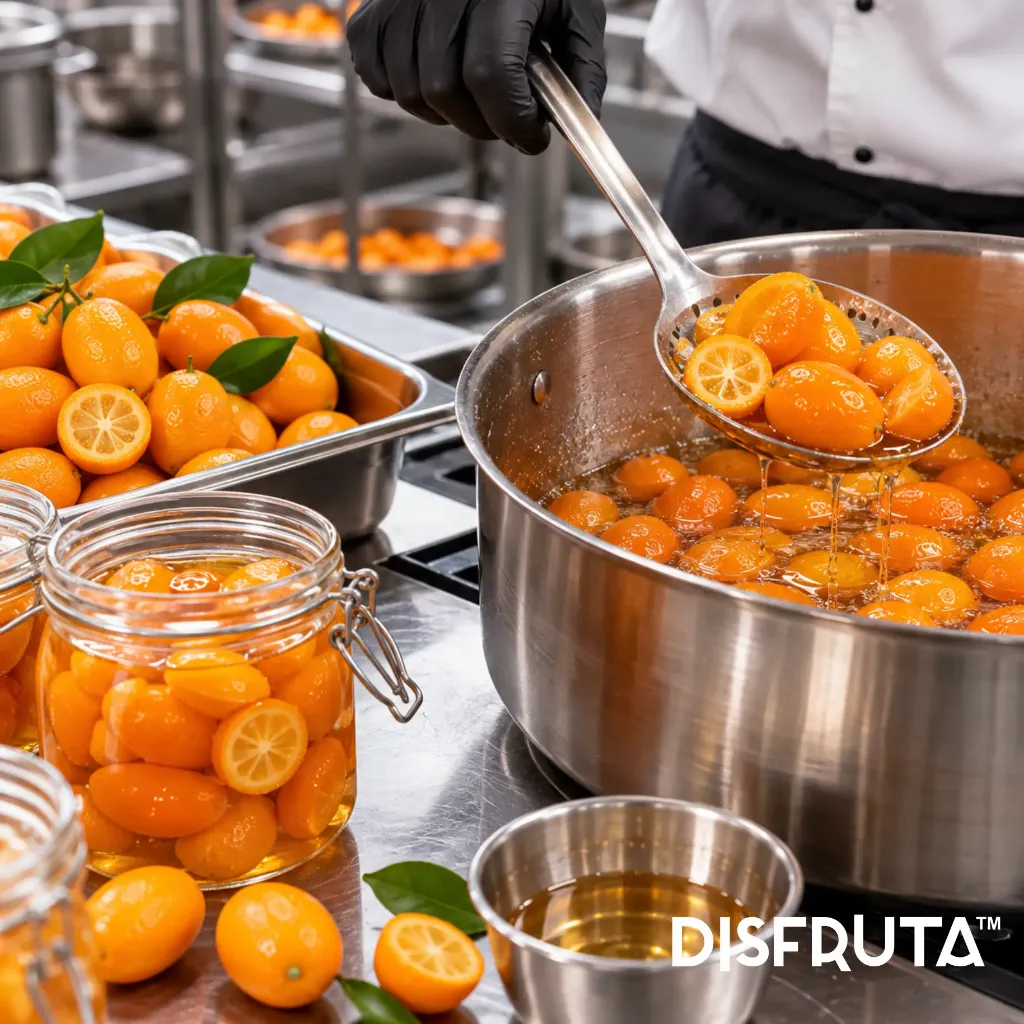
Kumquat Nagami (Citrus japonica)
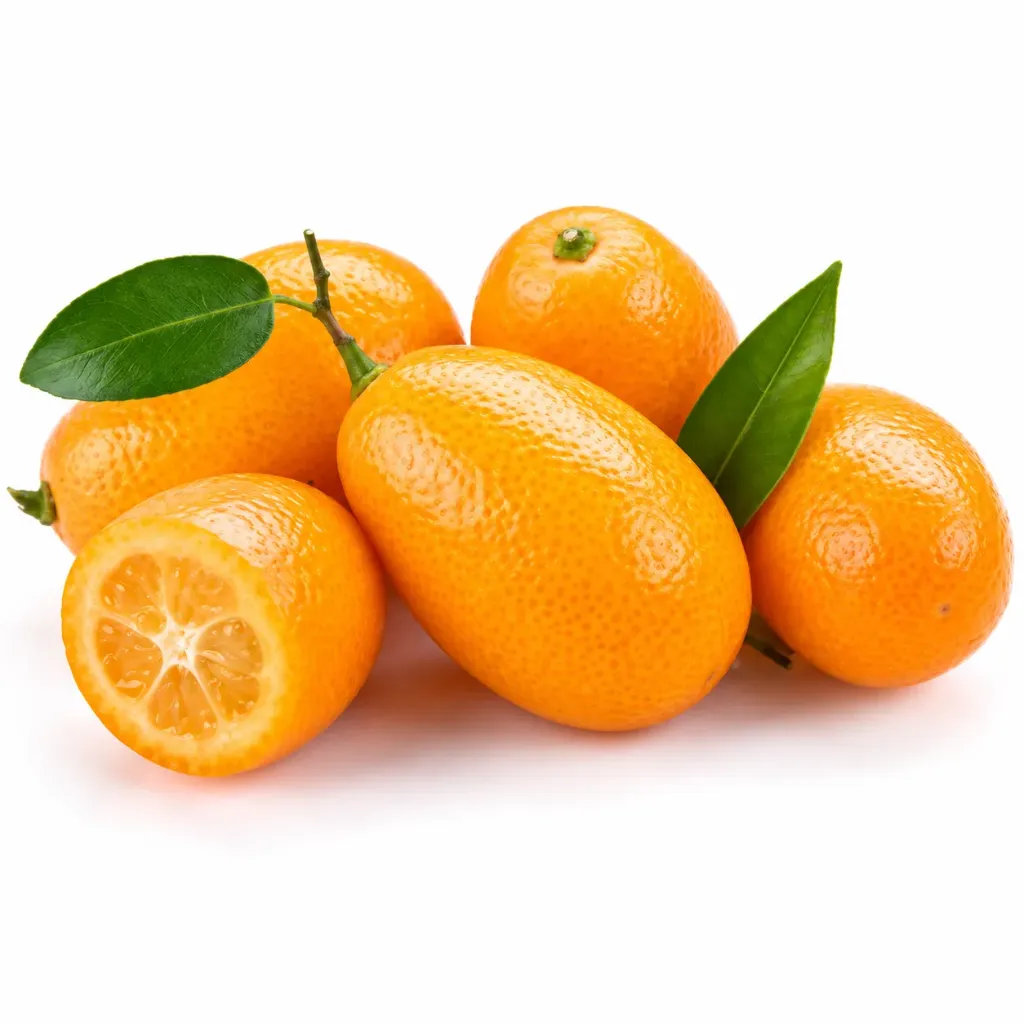
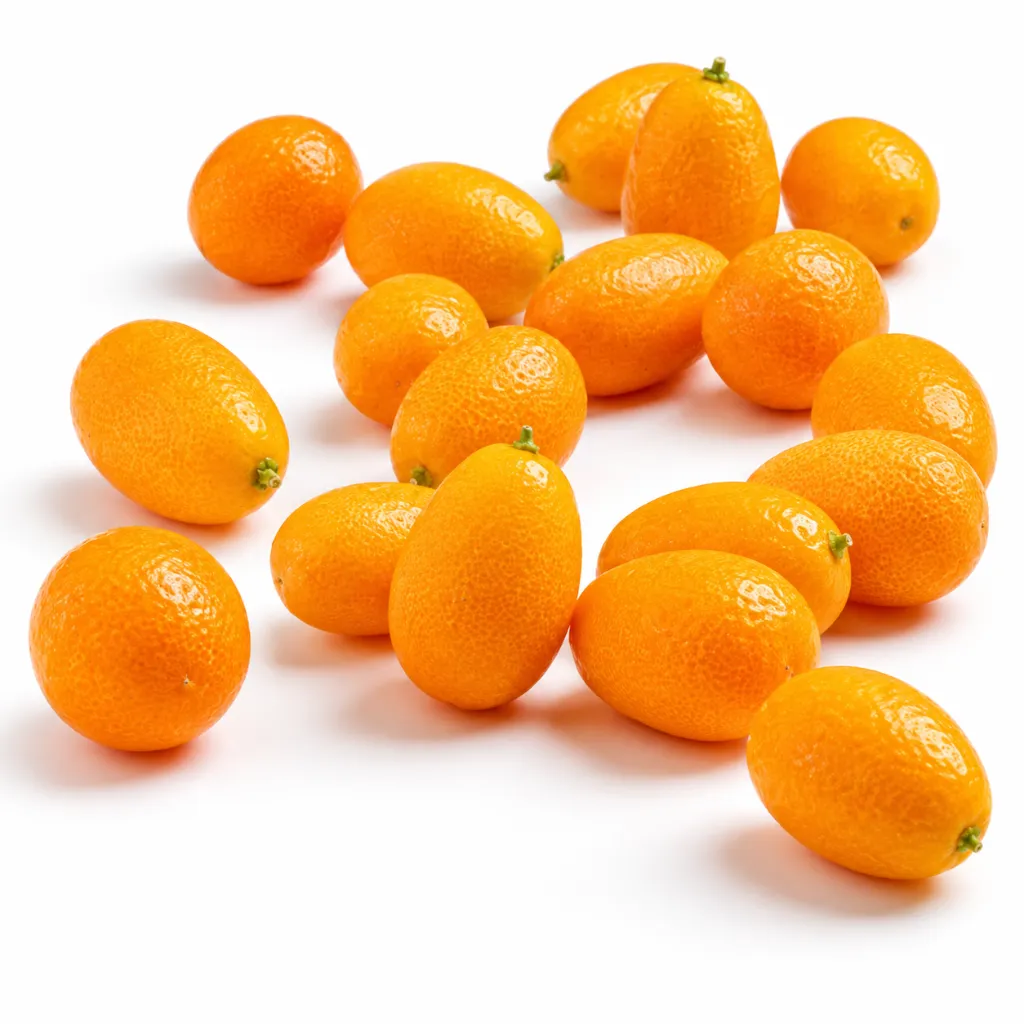
Nagami kumquat (Citrus japonica, traditionally Fortunella margarita), grown in Morelos, Mexico. This small citrus fruit is characterized by its oval to elongated shape, thin bright-orange peel and distinctive flavor contrast: in Nagami, sweetness is concentrated primarily in the peel, while the pulp is noticeably more tart. For this reason, the whole fruit can be eaten and is particularly valued for syrup-preserved preparations, confectionery and desserts.
Organoleptic Properties
Small, oval to oblong fruit with smooth, thin, glossy skin that develops an orange coloration at maturity. The peel is aromatic, fragrant and sweet, while the flesh is juicy and distinctly tart, creating a characteristic sweet-tart balance when eaten together. Small seeds may be present. Naturally occurring essential oils in the peel provide an intense, fresh citrus aroma.
Suggested Uses
Ideal for eating whole with the peel, taking advantage of the contrast between its sweet skin and tart flesh. Particularly suitable for kumquats preserved in syrup, candied fruit, marmalades, preserves, compotes and desserts. It can also be incorporated into tarts, cakes, chocolates, ice cream, sauces, salads, gourmet boards and cocktails or used as an edible garnish. Cooking with sugar softens the acidity of the pulp while enhancing the aromatic qualities of the peel.
Format
Bulk (BLK) per kilogram. Whole fresh Nagami kumquat fruit.
Storage and Handling
Store preferably at approximately 5–10 °C (41–50 °F) under high relative humidity with adequate ventilation. Keep fruit dry and protected from impact, excessive pressure and condensation. It may be held in a cool environment for short periods, while refrigeration helps preserve firmness, juiciness and peel quality for longer storage.
Quality and Selection Criteria
Select whole, firm and well-developed fruit displaying the characteristic oval to elongated Nagami shape and smooth, aromatic orange skin. Fruit should feel firm and juicy, without excessively soft areas, severe dehydration, wounds, mold or decay. The peel should provide a pleasantly sweet and aromatic flavor, while the flesh should retain its characteristic citrus tartness.
Origin
Morelos, México.
It is important not to confuse Nagami kumquat with Meiwa kumquat. Nagami is characteristically oval or elongated and displays a pronounced contrast between its sweet peel and tart pulp, which explains its popularity for syrup-preserved fruit, candying, marmalades and desserts. Meiwa, by comparison, is generally rounder and has an overall sweeter flavor profile because both its peel and pulp contribute sweetness, with considerably milder acidity. These differences in fruit shape and sweetness distribution provide a practical way to distinguish the two kumquat types for commercial and culinary applications.