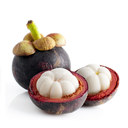
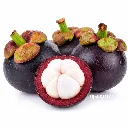
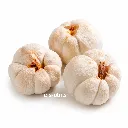
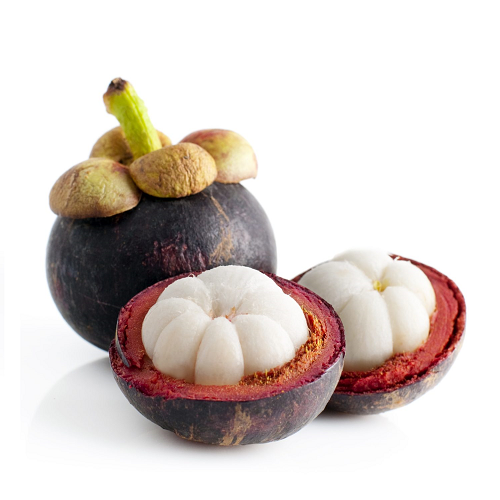
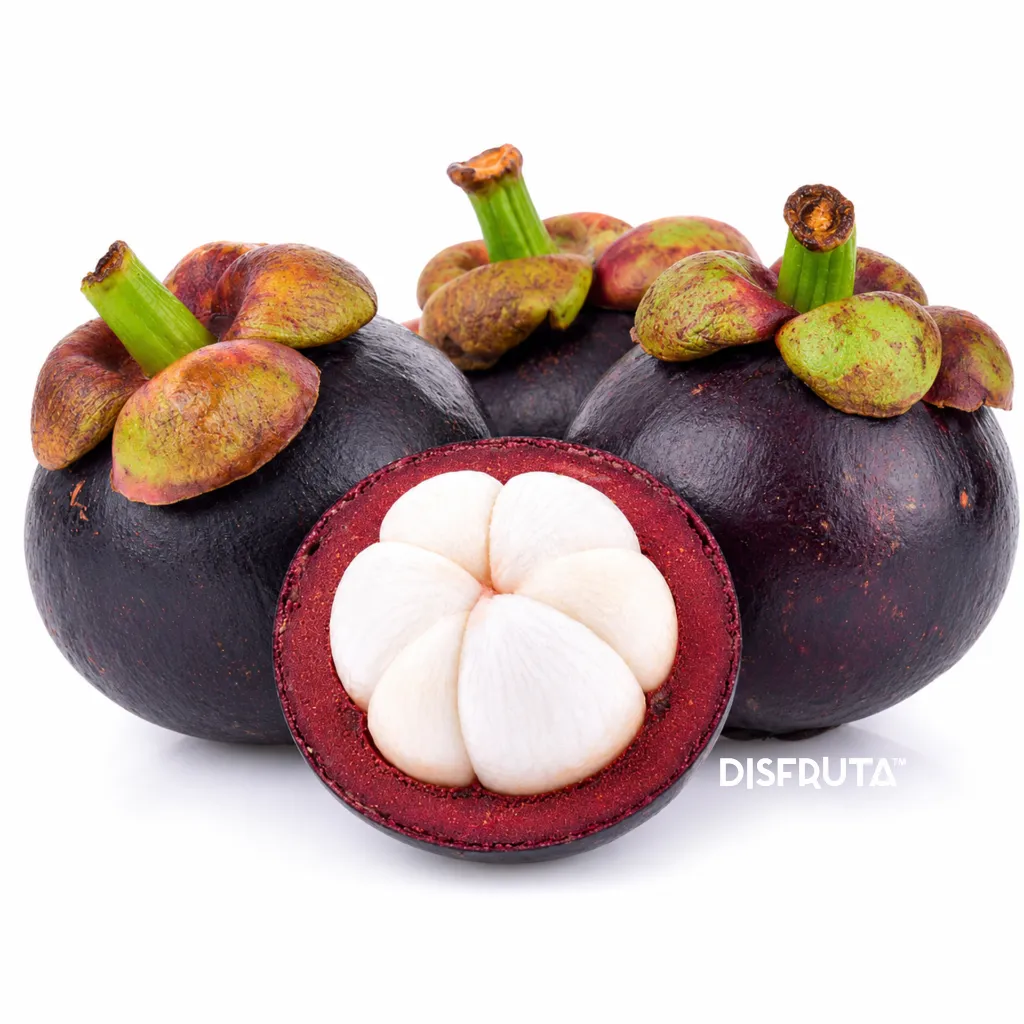
Purple mangosteen grown in Chiapas, Mexico, selected for its firm deep-purple rind, segmented white flesh and delicate sweet flavor with refreshing acidity. The principal commercial type produced in Mexico is Garcinia mangostana L., commonly known as purple mangosteen. It is generally not marketed under a distinct named cultivar because the species reproduces mainly through apomictic seeds and displays considerable genetic uniformity.
Organoleptic Properties
Round fruit with a thick, firm rind that develops from reddish purple to deep purple at maturity. Pearly white flesh with a soft, moist texture divided into individual segments. Delicate floral and tropical aroma. Sweet, refreshing flavor with mild acidity and subtle notes reminiscent of peach, lychee, pineapple, strawberry and citrus.
Suggested Uses
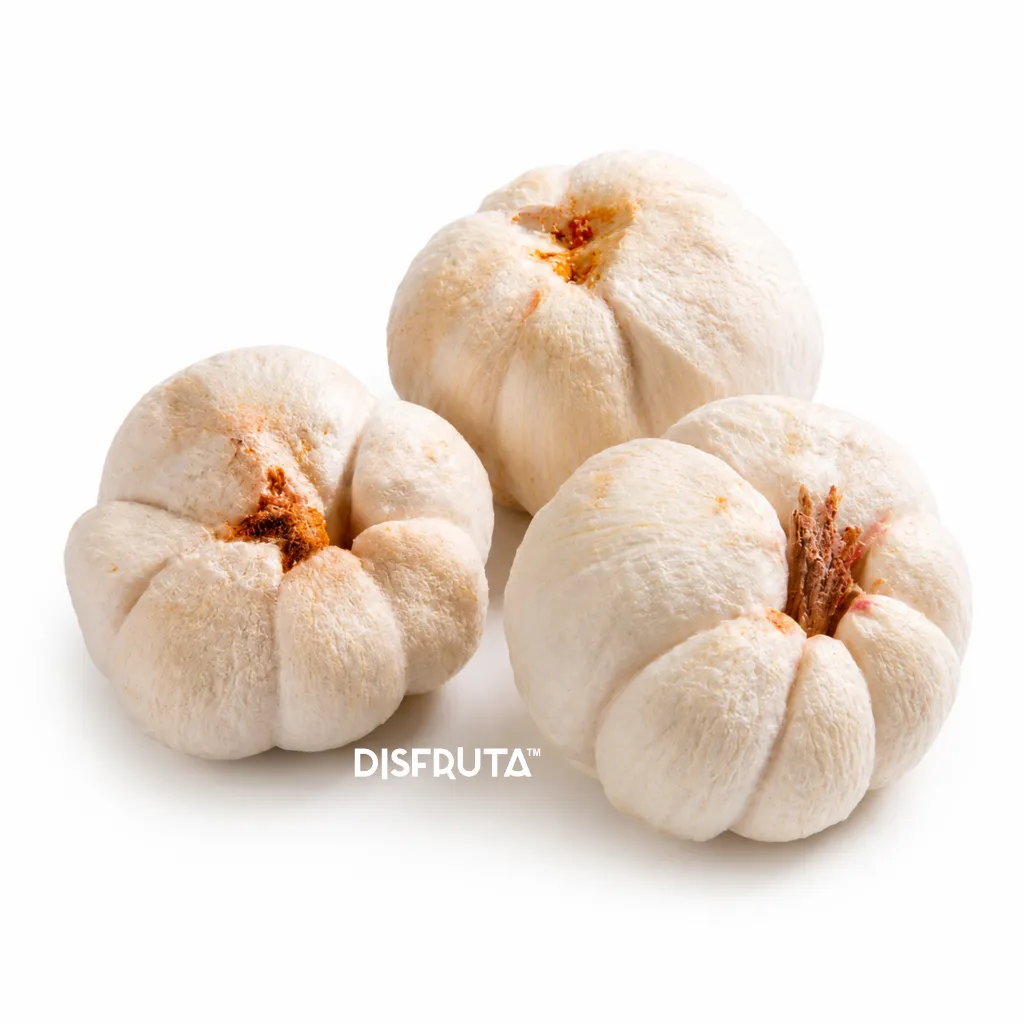
Ideal for fresh consumption, fruit salads, desserts, ice cream, sorbets, smoothies, beverages, cocktails, tropical sauces, bakery and gourmet cuisine. The clean rind may also be dried and used in small quantities for intensely flavored herbal infusions with earthy, astringent and mildly bitter notes. Mangosteen pericarp contains xanthones, tannins and other phenolic compounds investigated for antioxidant and anti-inflammatory activity, although much of the available evidence comes from laboratory and preclinical studies.
Format
Bulk (BLK) per kilogram. Fruit selected for maturity, firmness, rind integrity and premium commercial presentation.
Storage and Handling
Store between 10 and 13 °C with 85–90% relative humidity in a clean, well-ventilated environment. Avoid excessively low temperatures, impacts and heavy compression, as these conditions may harden or damage the rind and affect the flesh. Once opened, refrigerate and consume promptly.
Freshness Criteria
Firm fruit with slight flexibility under gentle pressure, intact reddish-purple to deep-purple rind and a well-attached green or greenish-brown calyx. Fruit must be free from cracks, mold, excess moisture, leakage and mechanical damage. Excessively hard, dry or rigid fruit may indicate internal deterioration.
Origin
Chiapas, Mexico.
Mangosteen is native to Southeast Asia, and its commercial cultivation in Mexico is concentrated mainly in the humid Soconusco region of Chiapas, where warm temperatures, abundant rainfall, and deep soils favor its growth. Cultivated in Tuxtla Chico, its harvest season begins between May and June and can extend until September.