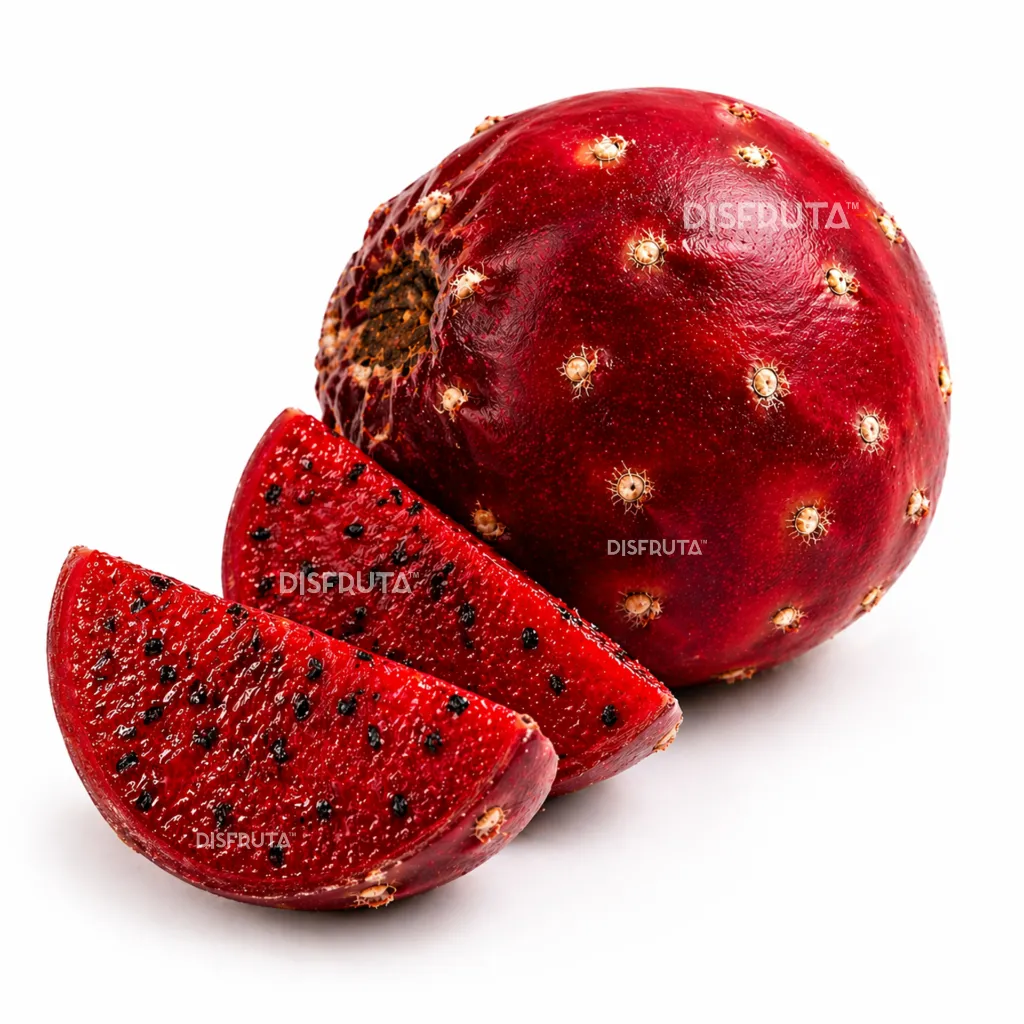
Red pitaya (Stenocereus queretaroensis), a wild fruit from columnar cactus, highly valued for its sweet, juicy pulp and strong seasonal character. It is an iconic product of arid regions in Mexico, appreciated in both traditional consumption and high-value culinary applications.
Organoleptic Properties
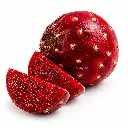
Red skin with spines, deep red pulp, soft and juicy texture, fresh aroma with subtle floral notes and a pronounced sweet flavor with a refreshing finish.
Suggested Uses
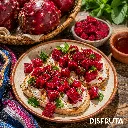
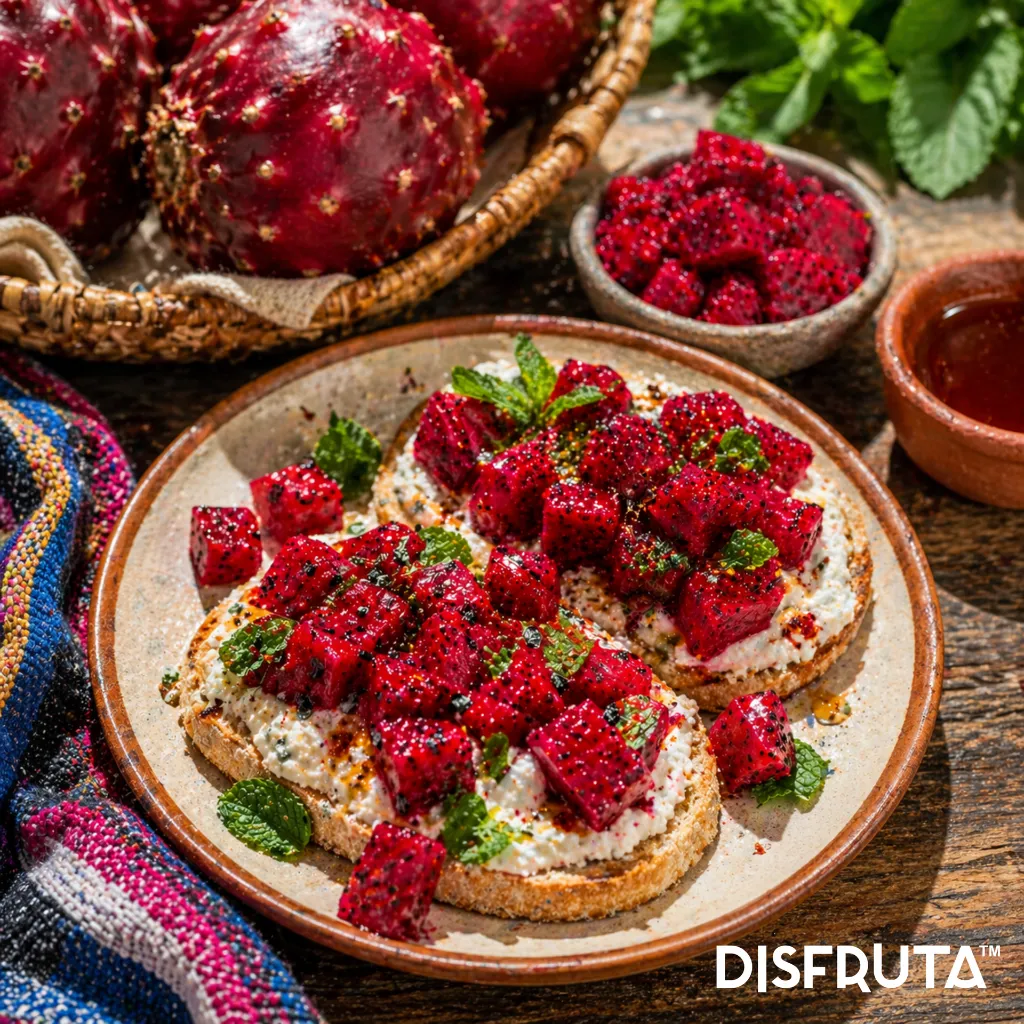
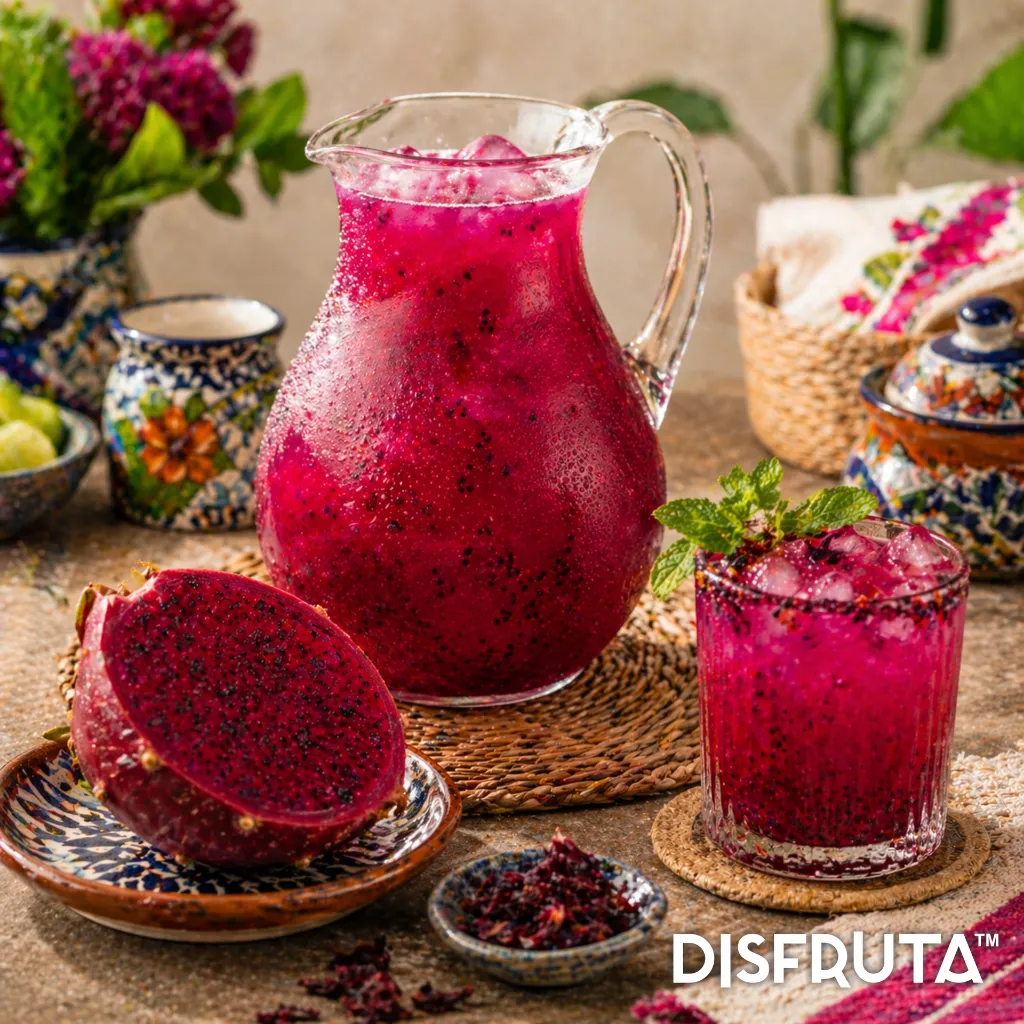
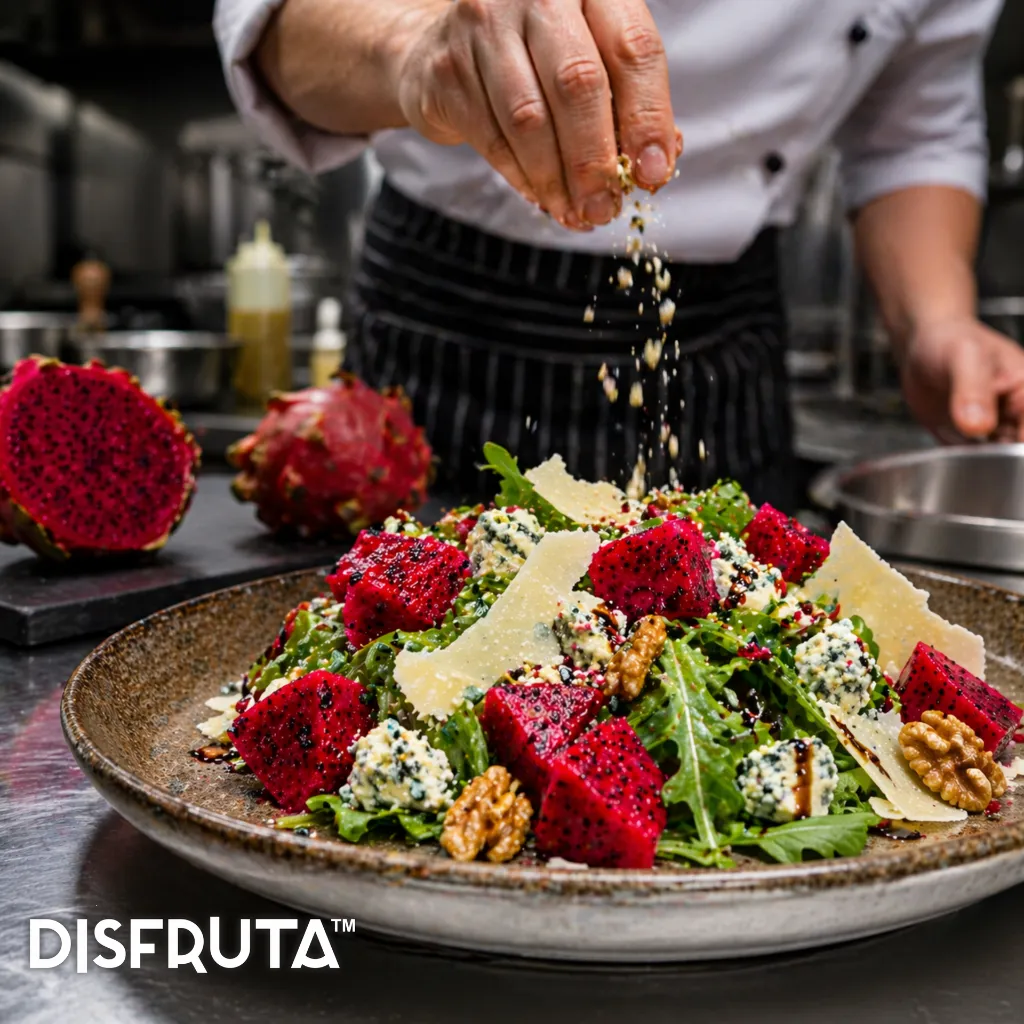
Ideal for fresh consumption, traditional beverages, sorbets, popsicles, desserts, Mexican cuisine and seasonal gourmet applications.
Format: Bulk (BLK) Kilogram
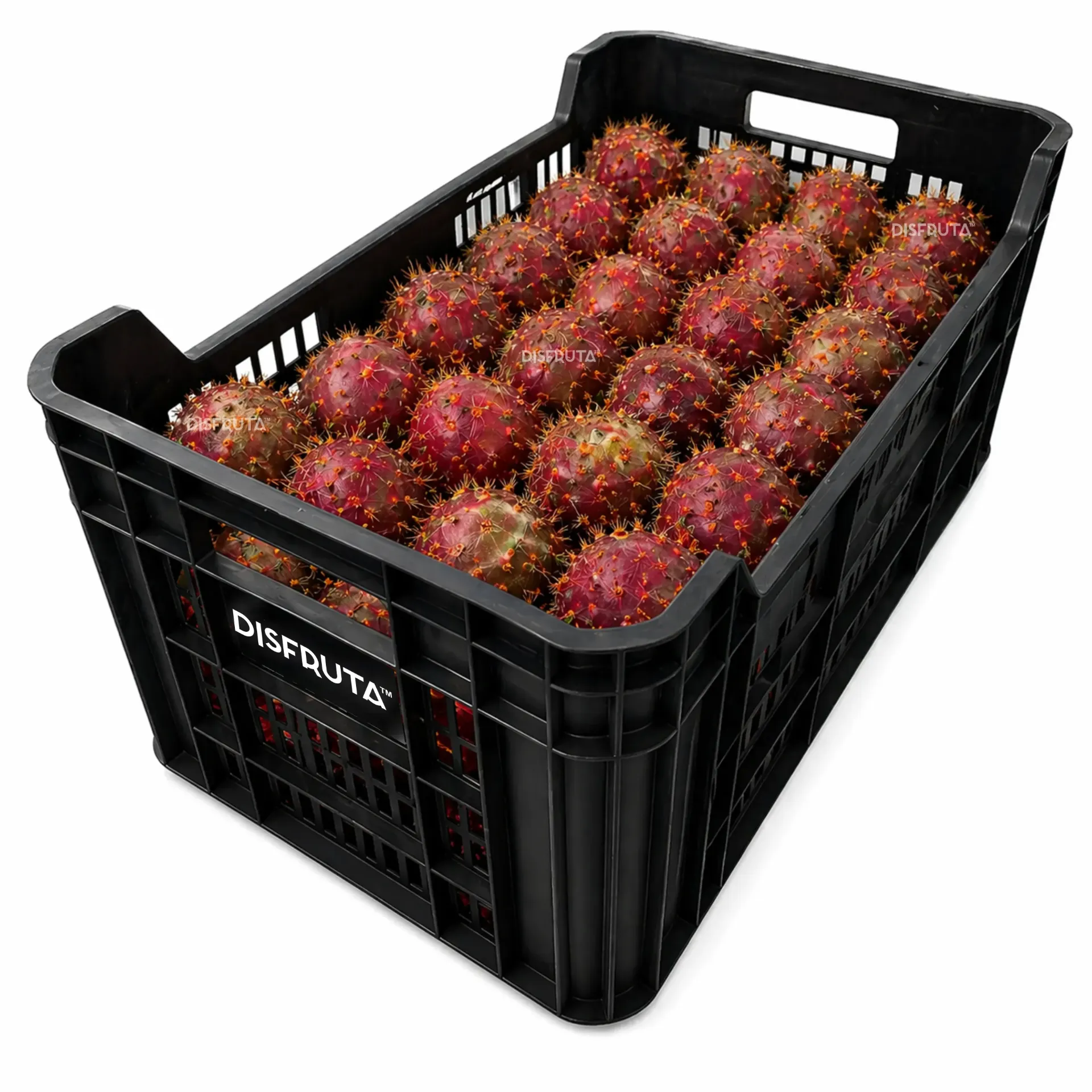
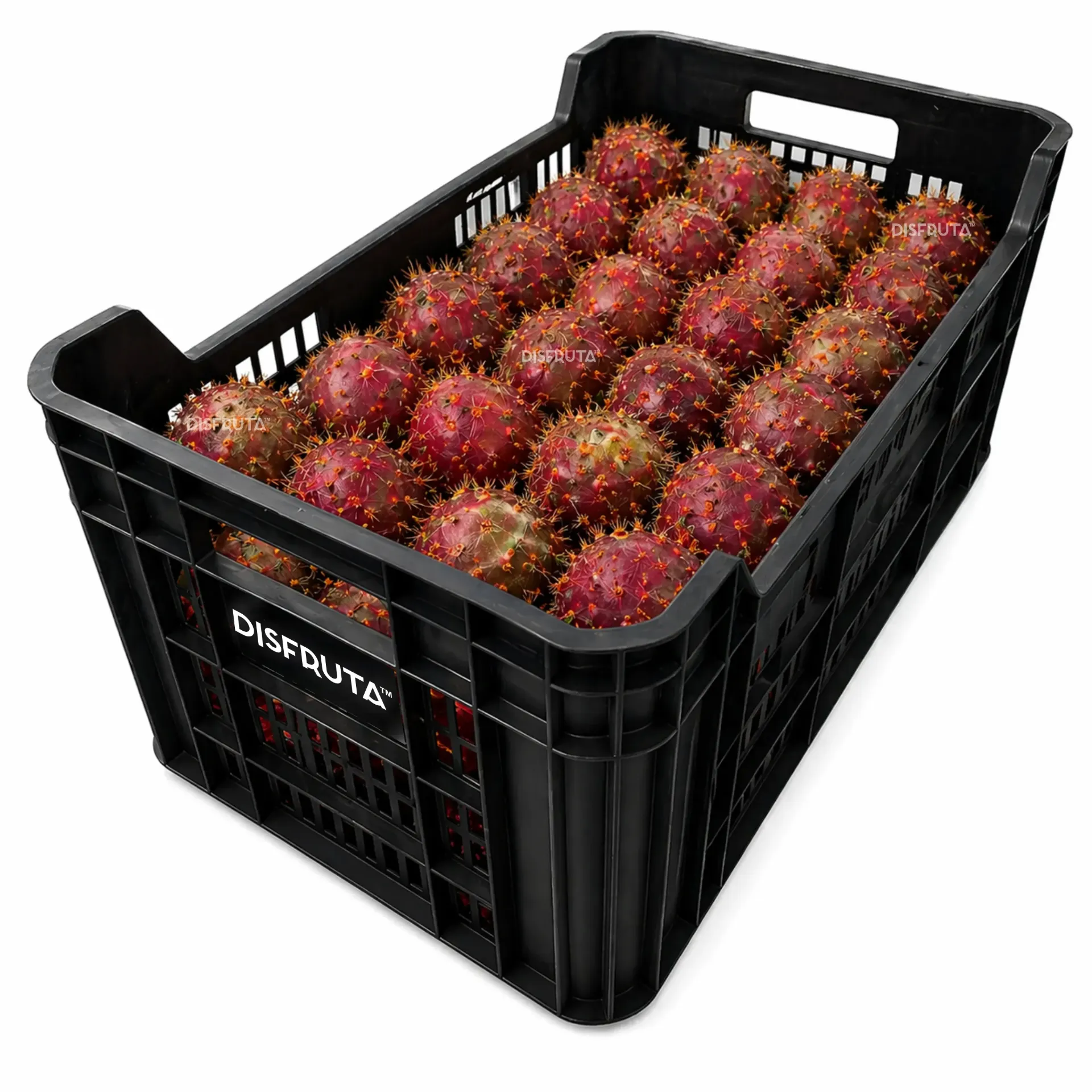
Plastic crate (PLS-CRT) ±25 kg.
Storage and Handling
Store under light refrigeration (46–54 °F / 8–12 °C) and handle carefully. Keeping the spines intact during storage and transport is recommended to protect the fruit.
Quality & Selection Criteria
Fruits selected for intense color, optimal maturity, proper firmness and minimal mechanical damage. Spines are intentionally retained as a natural protective barrier to preserve integrity and freshness.
Origin
Mexico. Sourced from arid regions of Jalisco, Guanajuato and Querétaro, red pitaya is a wild-harvested fruit from large columnar cacti. Its harvesting is a delicate artisanal process performed using long poles due to the plant’s height and spines. Unlike pitahaya (dragon fruit), this species is native to desert ecosystems and stands out for its resilience, producing its best fruit during the driest season thanks to its highly efficient water use. During commercialization, spines are intentionally kept as they act as a natural barrier that protects the fruit’s skin, reducing dehydration and handling damage, thus extending shelf life. These attributes position it as a unique, highly seasonal product with strong cultural and gastronomic value.