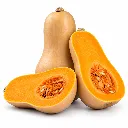
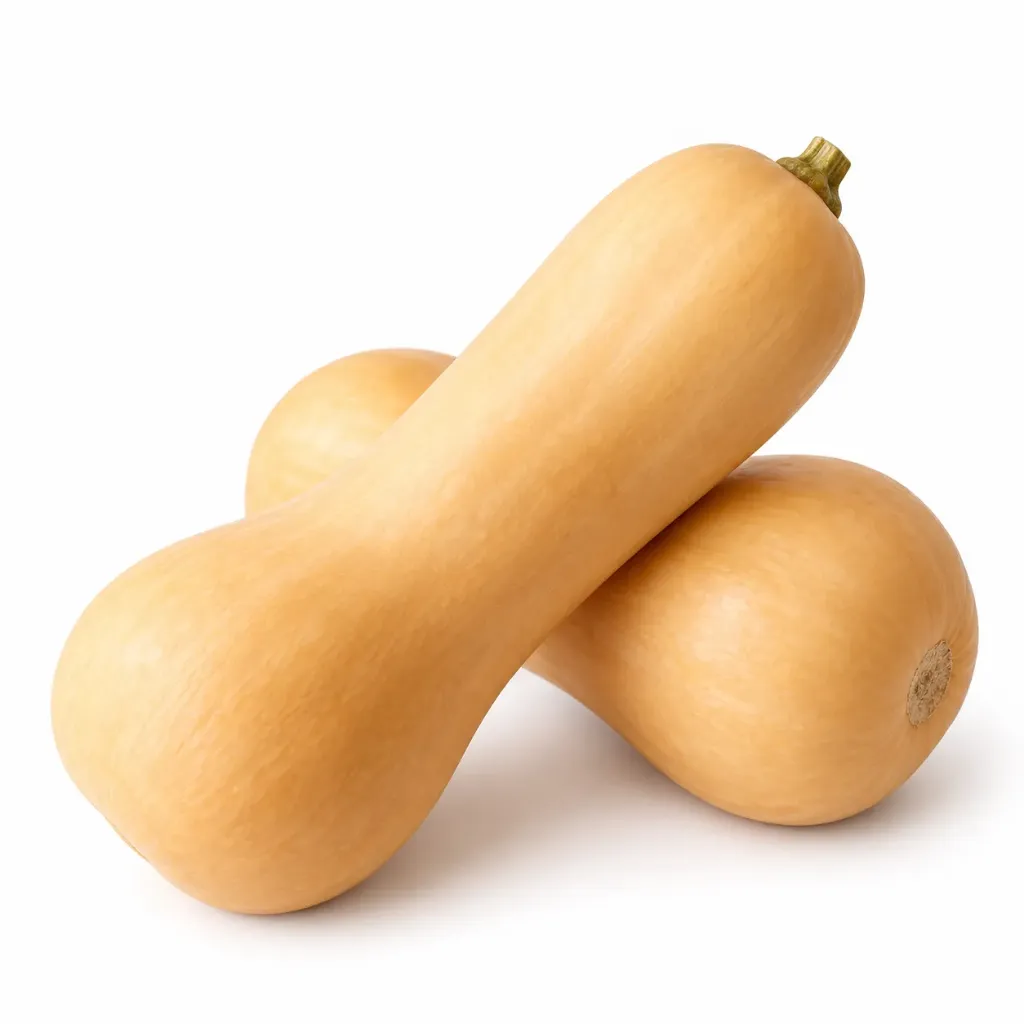
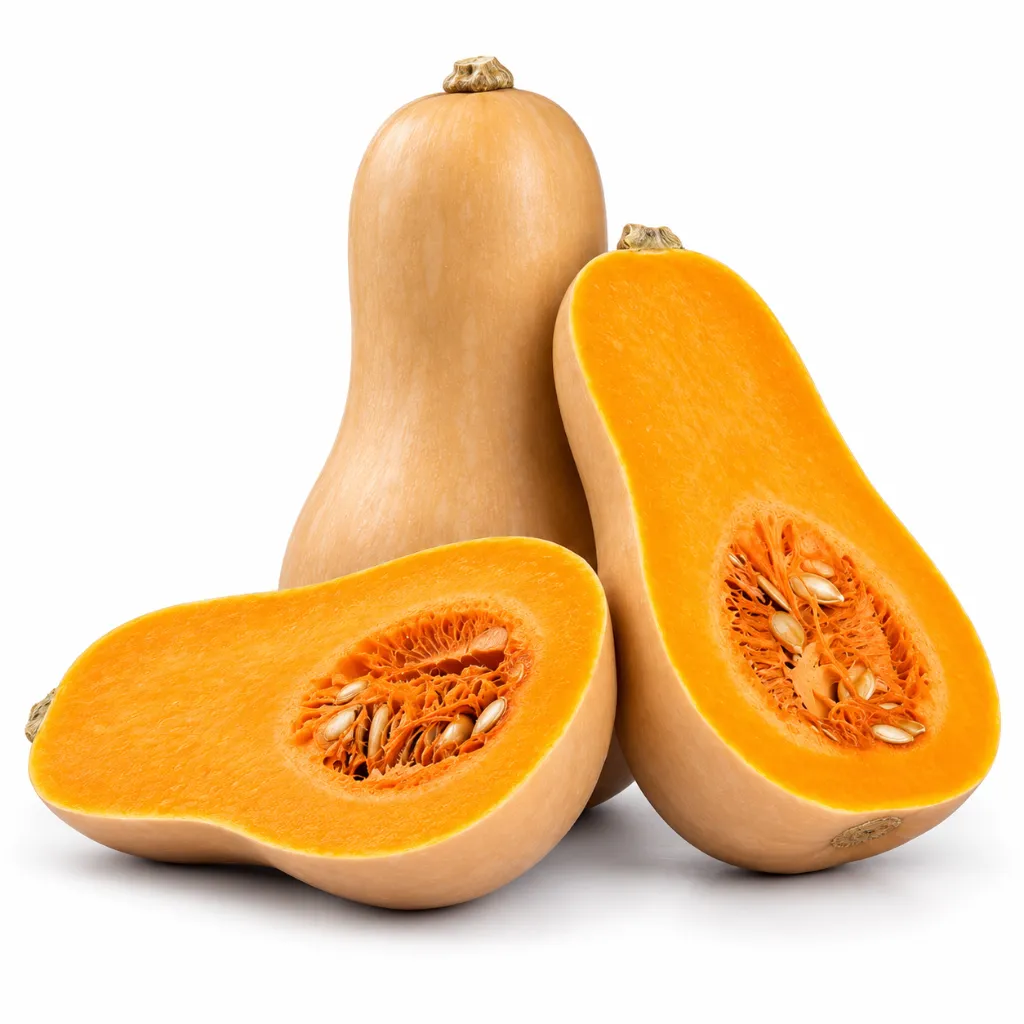
Butternut squash (Cucurbita moschata), grown in California, United States. One of the most recognizable winter squashes, it is distinguished by its characteristic elongated pear shape, smooth beige-to-cream skin and deep-orange flesh. It is particularly valued for its fine, creamy cooked texture and naturally sweet flavor with delicate nutty and buttery notes.
Organoleptic Properties
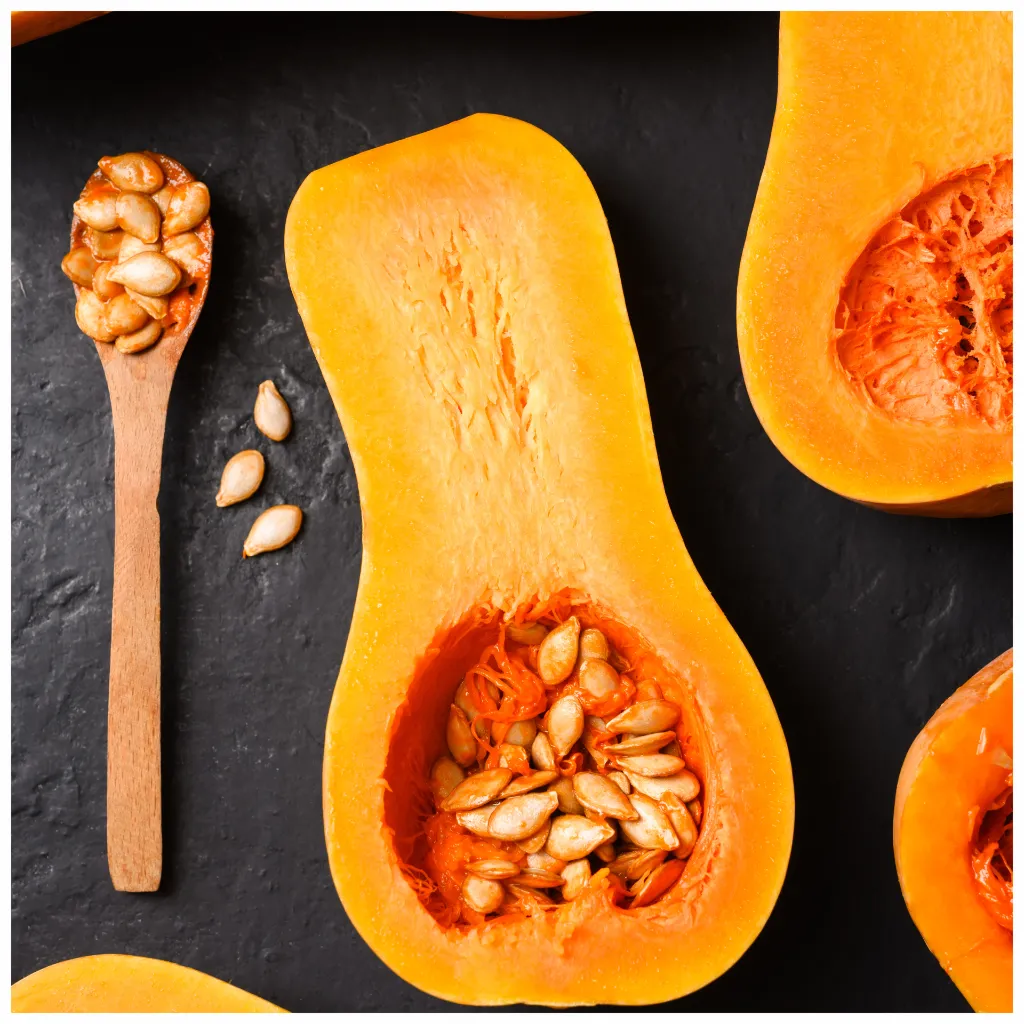
Elongated, pear-shaped fruit with a cylindrical neck and bulbous base containing the seed cavity. The skin is smooth, firm and beige to cream, while the flesh is thick, dense and bright orange. Firm when raw, it develops a soft, creamy and velvety texture when roasted or cooked. Naturally sweet and delicate flavor with nutty, buttery and subtly earthy notes.
Suggested Uses
Excellent for roasting, baking, grilling, sautéing and steaming, as well as soups, creamy preparations, purées, risottos, pasta, ravioli, gnocchi, curries, stews and side dishes. Its natural sweetness also makes it suitable for breads, pies, cakes and desserts. Because the elongated neck consists almost entirely of solid flesh with virtually no seed cavity, it is particularly convenient for producing uniform cubes, slices and portions.
Format
Bulk (BLK) per kilogram. Whole fruit.
Storage and Handling
Store whole squash in a cool, dry and well-ventilated environment, ideally around 10–15 °C (50–59 °F), avoiding excessive humidity, condensation and excessively low temperatures. Refrigeration is generally unnecessary while the fruit remains whole and sound. Once cut, refrigerate at 2–5 °C (36–41 °F) and keep properly covered.
Quality and Selection Criteria
Select firm fruit that feels heavy for its size, with uniform beige, matte, hard and well-developed skin. The stem, when present, should be dry and firmly attached. Avoid fruit with soft areas, deep cracks, wounds, mold or decay. When cut, the flesh should be dense, fleshy and deep orange, without watery, translucent or deteriorated areas.
Origin
California.
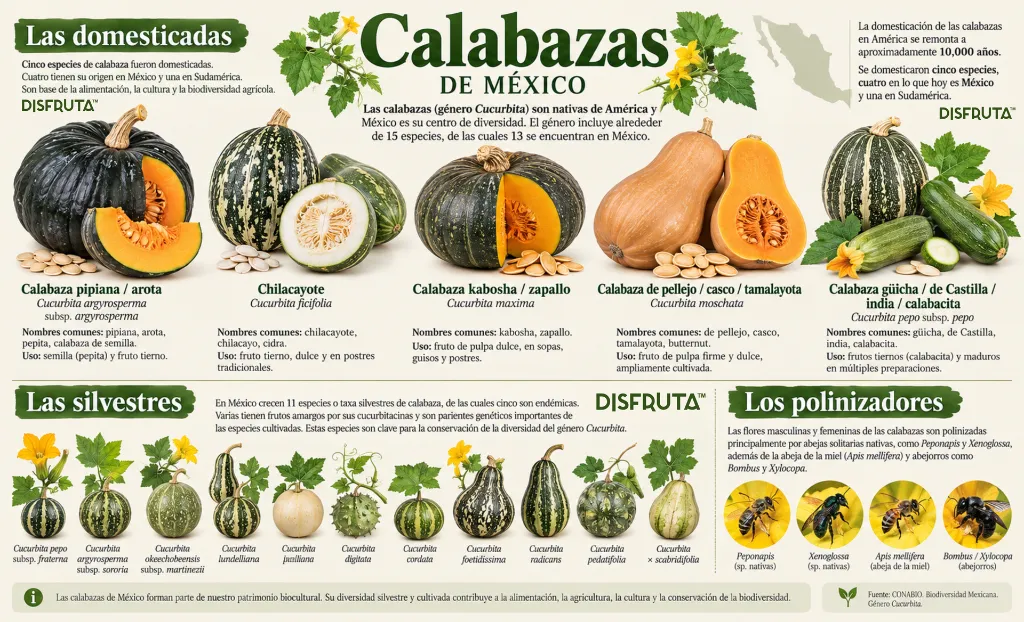
Butternut squash belongs to Cucurbita moschata and has become one of the most widely recognized winter squashes due to its combination of abundant flesh, relatively small seed cavity, naturally sweet flavor and good storage potential. Its distinctive shape also provides a culinary advantage: most of the elongated neck consists entirely of solid flesh, resulting in high usable yield and making uniform cutting particularly easy. Its characteristic orange interior is naturally produced by carotenoid pigments, including beta-carotene.