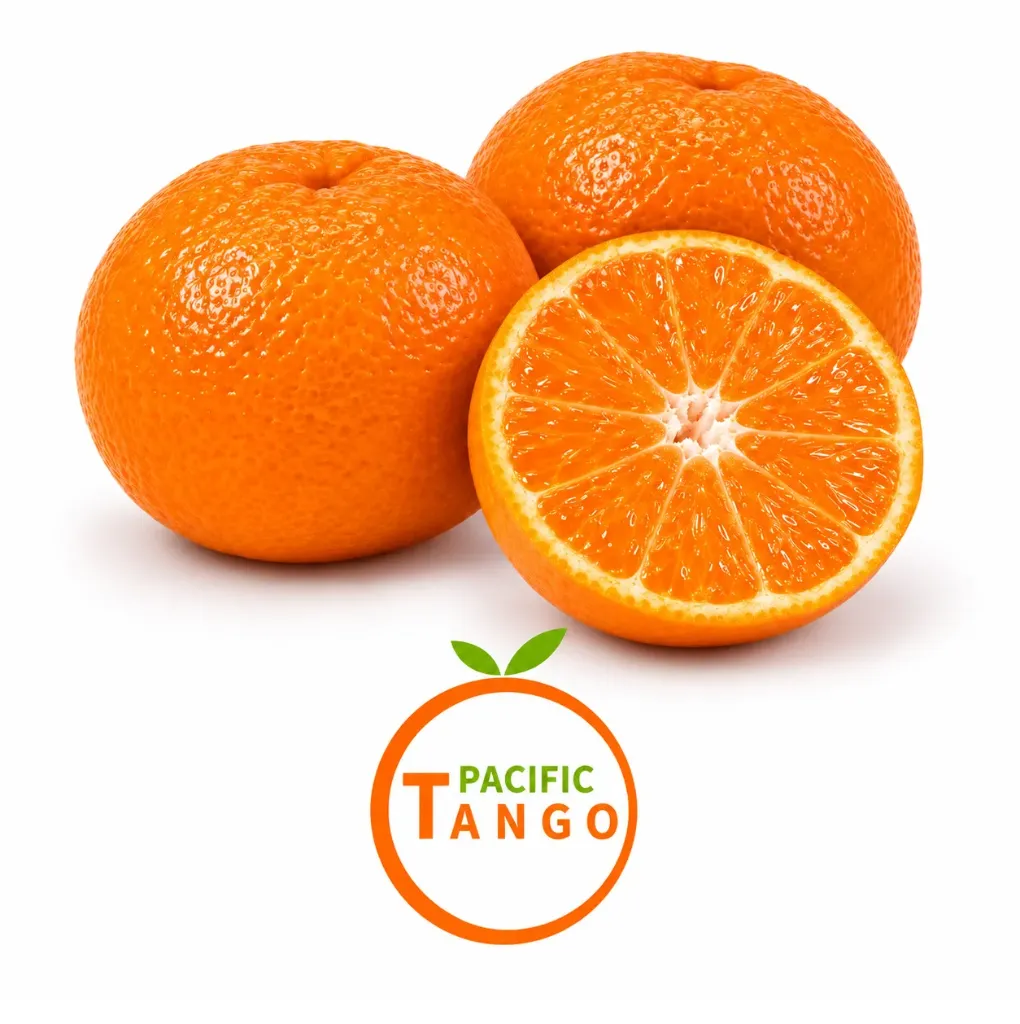
Tango Mandarin | C #5B | Pacific Tango® | Chile | C-CTN ±10 Kg
Tango mandarins (Citrus reticulata Blanco) are a premium citrus variety recognized for their deep-orange skin, exceptionally juicy flesh, naturally sweet flavor with balanced acidity and virtually seedless interior. Grown in Chile and marketed under the Pacific Tango® brand, they stand out for their easy-peeling rind, refreshing aroma and excellent eating quality. Their approximately 10 Kg cardboard carton, featuring commercial size #5B, is ideal for supermarkets, fresh produce retailers, restaurants, hotels and foodservice establishments.
Organoleptic Properties
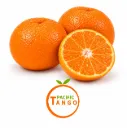
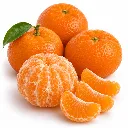
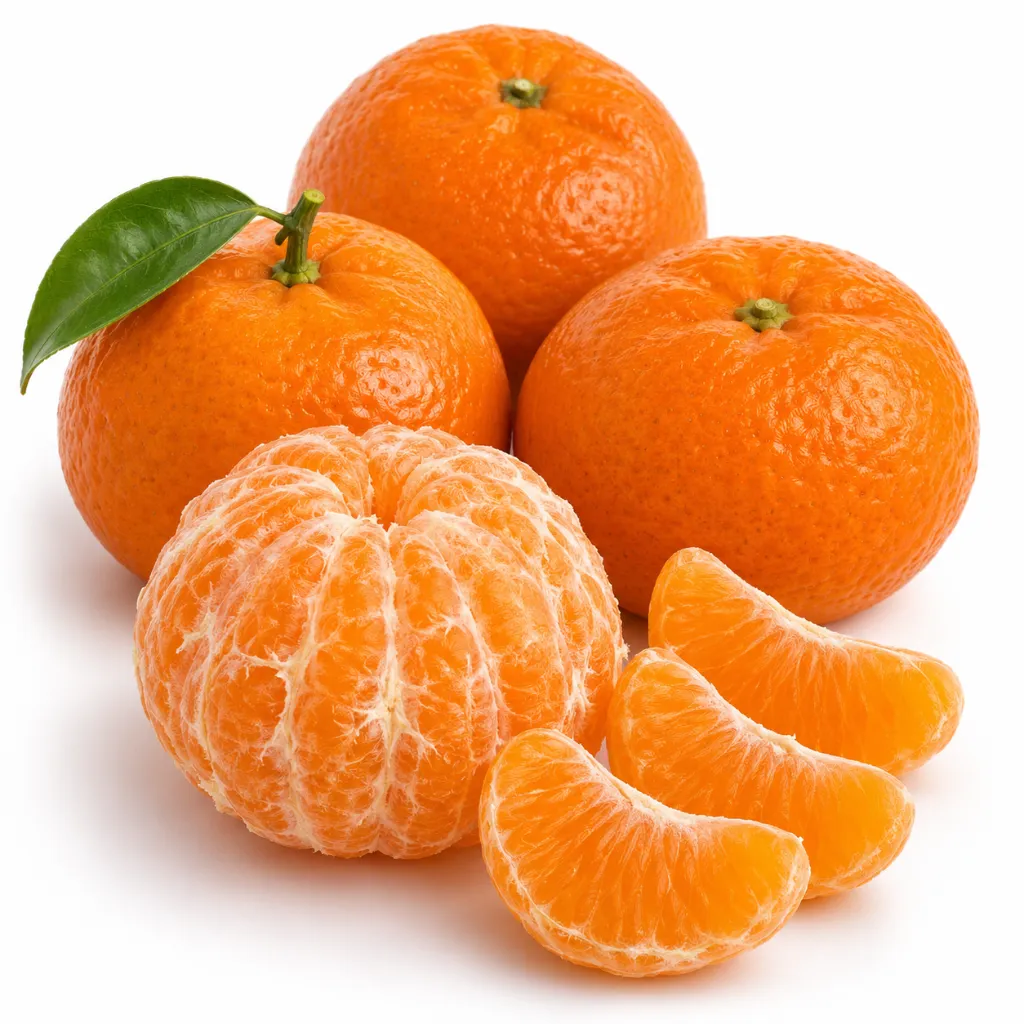
Round to slightly flattened fruit with relatively thin, smooth skin ranging from bright orange to reddish orange. The flesh features tender, deep-orange segments with abundant juice and a delicate texture, surrounded by relatively thin membranes. Its flavor is sweet, refreshing and aromatic, with balanced citrus acidity and subtle floral notes. Tango is particularly appreciated for its extremely low seed content, even under cross-pollination conditions.
Suggested Uses
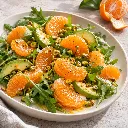
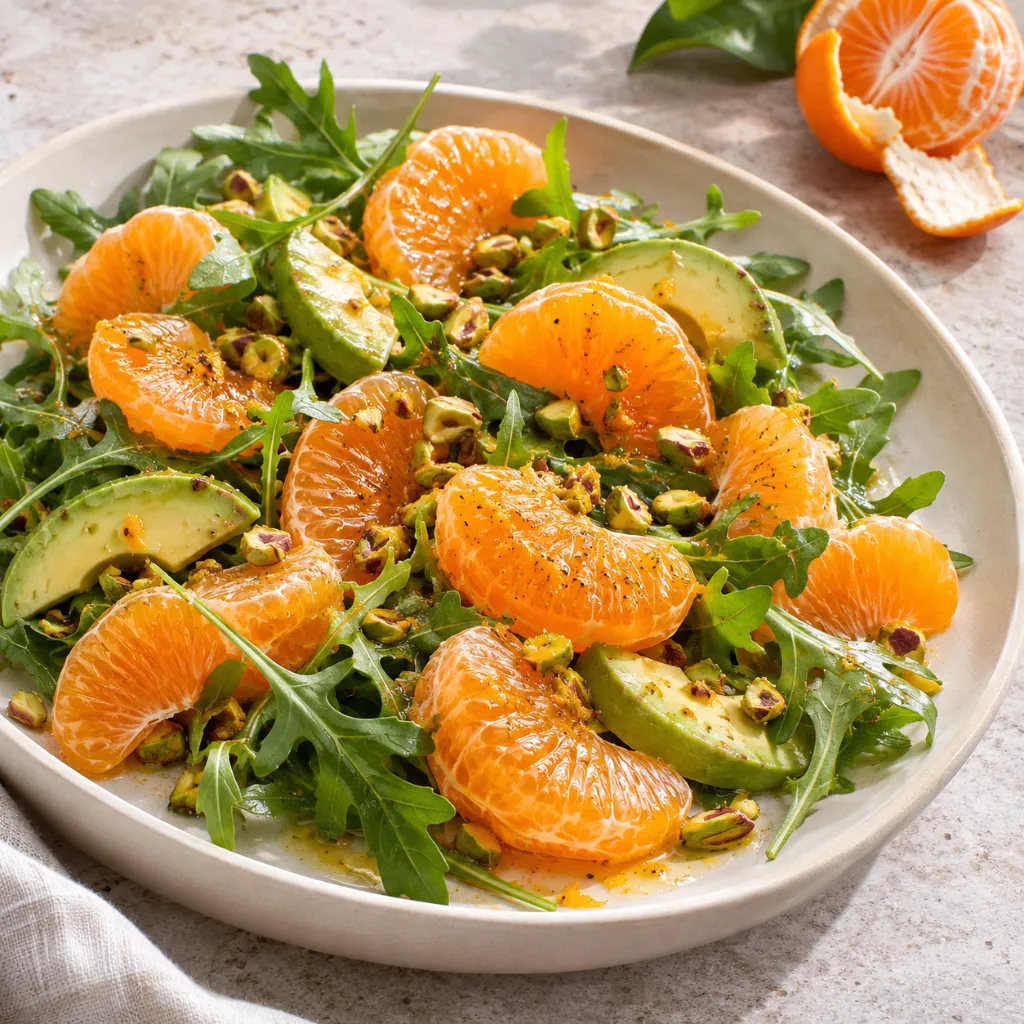
Ideal for fresh consumption, snacks, fruit salads, bowls, yogurt, breakfasts, buffets and fresh fruit bars. In baking and pastry applications, Tango mandarins are suitable for tarts, mousses, sorbets, ice cream, marmalades and citrus desserts. Their juice adds refreshing sweetness to vinaigrettes, dressings, marinades and light sauces. In contemporary cuisine, they pair beautifully with goat cheese, burrata, avocado, fennel, almonds, pistachios, honey, mint and ginger, as well as fish, seafood and poultry.
Format
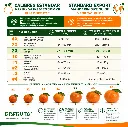
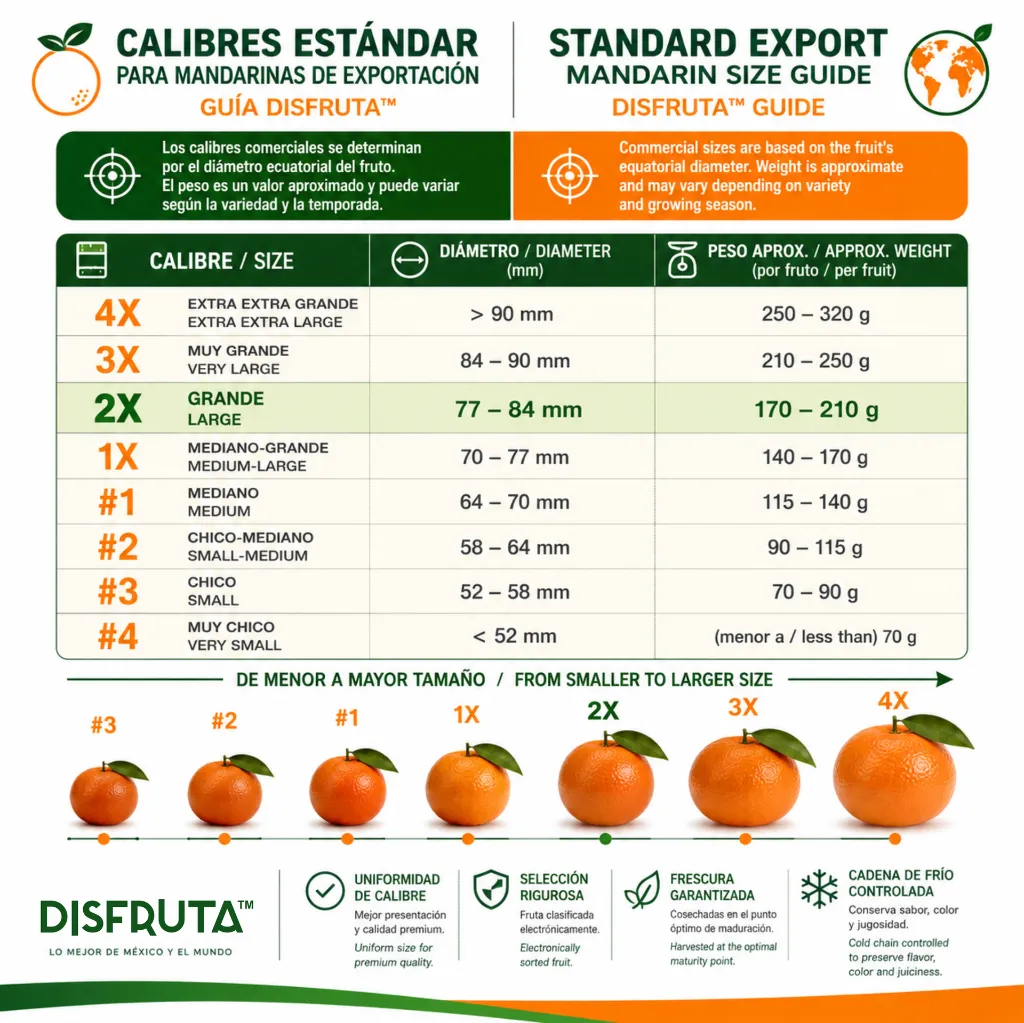
Cardboard carton (C-CTN) containing approximately 10 Kg of fresh Tango mandarins, Pacific Tango® brand, originating from Chile. Size C #5B: commercial sizing designation used for fruit selection and presentation. The carton facilitates transportation, storage and retail display while helping maintain fruit integrity and attractive appearance.
Storage and Handling
Maintain preferably at 4–7 °C (39–45 °F) and approximately 90–95% relative humidity, preserving a consistent cold chain. Avoid impacts, excessive compression, condensation and prolonged exposure to heat. Excessively low temperatures may cause chilling injury, while surface moisture encourages fungal development. Mandarins are non-climacteric fruits, making appropriate harvest maturity essential for optimal eating quality. For household consumption, refrigerate and wash before peeling.
Quality and Selection Criteria
Select mandarins that are firm, heavy for their size, intact-skinned and attractively orange, without mold, decay, severe bruising or dehydration. The flesh should retain juicy segments, a fresh citrus aroma and naturally sweet flavor balanced by pleasant acidity. The #5B size selection provides a consistent commercial presentation, emphasizing uniformity and attractive rind condition.
Season
In Chile, Tango is considered a mid- to late-season mandarin variety, generally harvested during July and August, within the Southern Hemisphere citrus season. Chilean production helps supply international markets during the off-season of Northern Hemisphere citrus-growing regions.
Origin
Chile.
The mandarin belongs to the botanical genus Citrus, whose origins are associated with East and Southeast Asia, where mandarins have been cultivated for centuries. The Tango variety was developed by researchers Mikeal Roose and Timothy Williams at the University of California, Riverside, using induced mutation selection from the W. Murcott (Afourer) mandarin. It was first commercially introduced in 2006.
An interesting fact is that Tango is not a genetically engineered or transgenic variety. Its development preserved W. Murcott's desirable flavor and juiciness while substantially reducing seed formation.
Its combination of easy-peeling skin, naturally sweet flavor and abundant juiciness has encouraged international expansion. Today, Chile is among the producing regions supplying this popular mandarin to Northern Hemisphere markets.