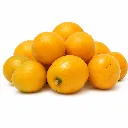
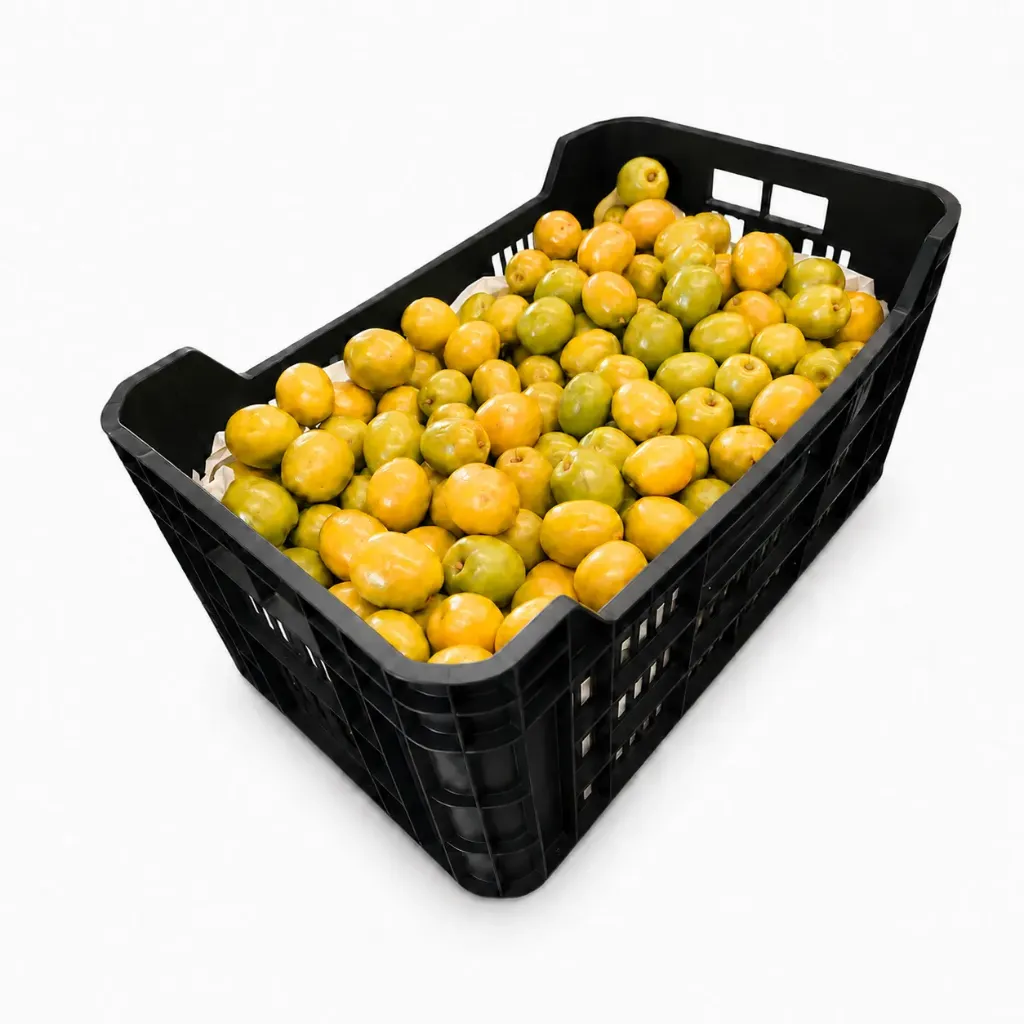
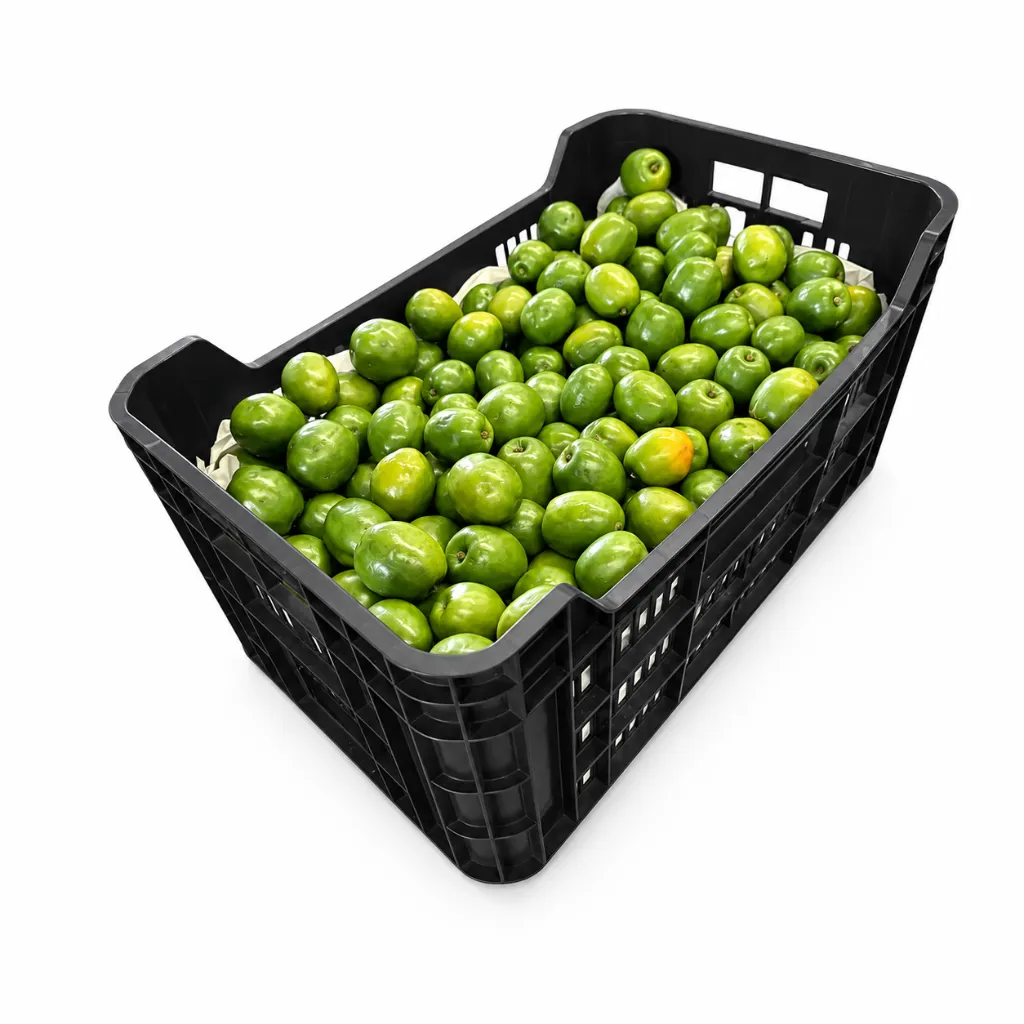
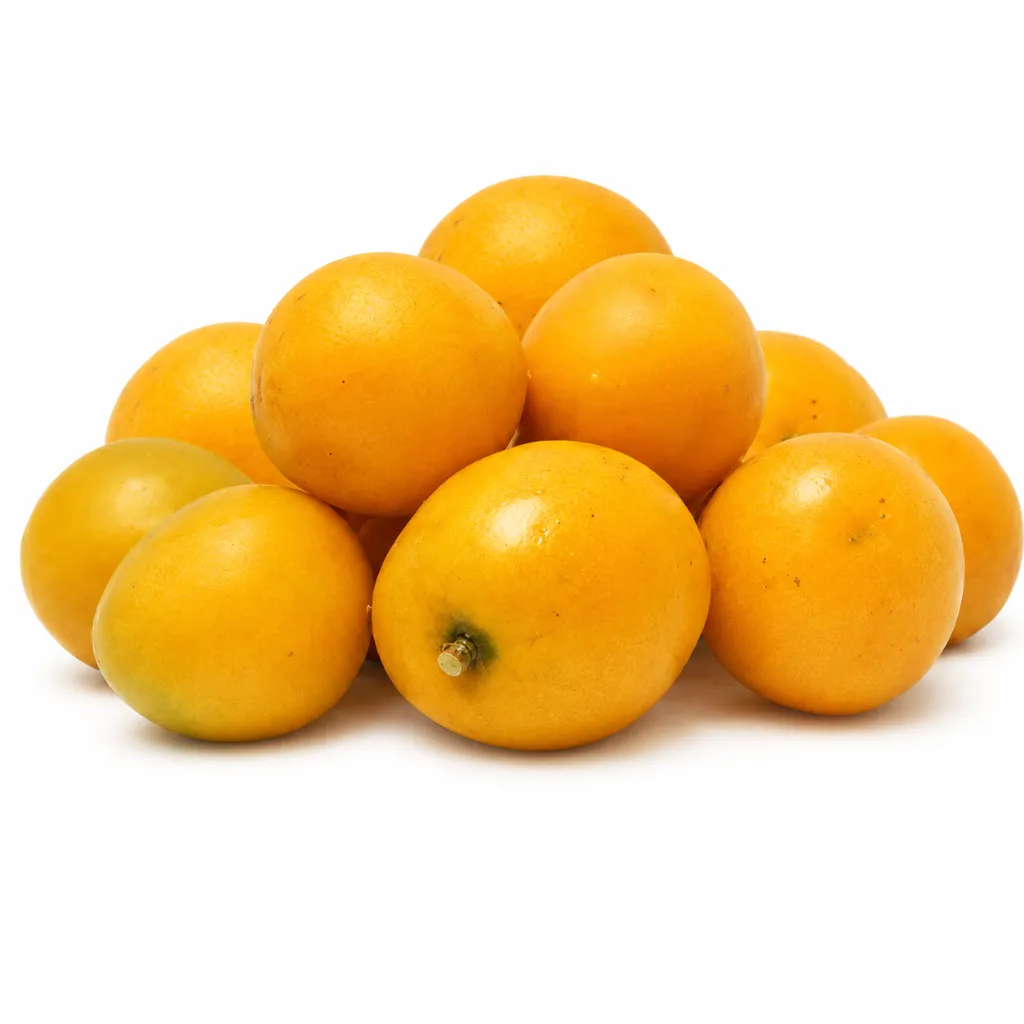
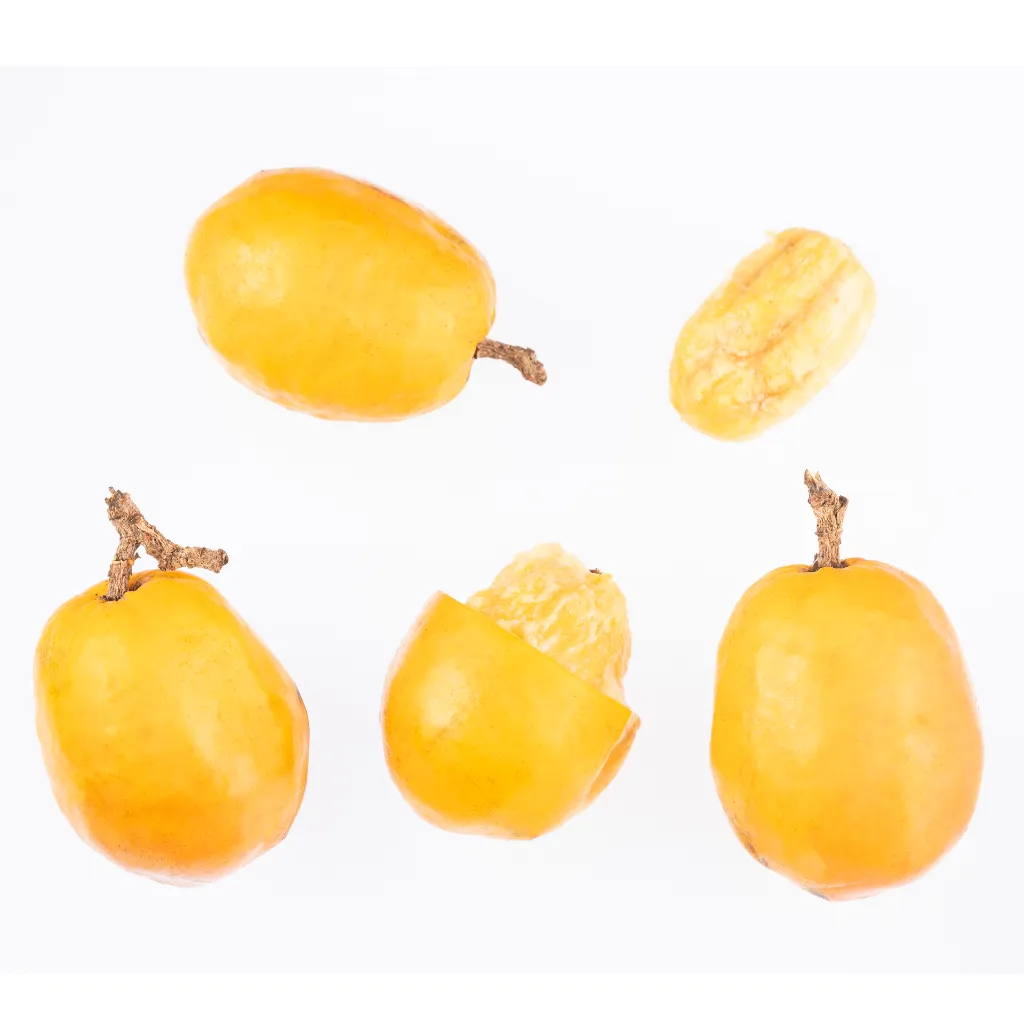
Yellow Mansa Plum grown in Jalisco, belonging to the species Spondias purpurea L., selected for its intense tropical flavor, exceptional juiciness and traditional importance within Mexican fruit production. A short-season fruit highly appreciated for its sweet-tart profile and strong connection to regional cuisine.
Organoleptic Properties
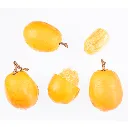
Bright yellow to yellow-orange skin at maturity. Light yellow to golden flesh. Soft, highly juicy texture with slight fibrousness near the pit. Fresh fruity aroma with subtle resinous notes. Sweet, tart and tropical flavor with refreshing characteristics. Large oval fibrous pit with a moderate amount of highly juicy flesh.
Suggested Uses
Ideal for fresh consumption, fruit beverages, frozen desserts, preserves, sauces, traditional sweets and preparations with chili, lime or salt. Also suitable for artisanal fermented products, vinegars and seasonal culinary applications.
Format
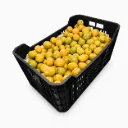
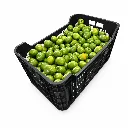
Plastic crate with a packing weight of ±18 Kg, fruit selected for uniformity, in a green tone to maximize post-harvest lifespan.
Storage and Handling
Store between 8 and 12 °C with adequate ventilation. Due to its high juice content and short postharvest life, avoid excessive pressure, impacts and prolonged heat exposure. Fruit continues ripening after harvest.
Freshness Criteria
Firm fruits, smooth glossy skin, uniform yellow color, characteristic fresh aroma and free from fermentation, mechanical damage or dehydration.
Origin
Jalisco, Mexico.
Yellow Mansa Plum belongs to the Spondias group of native Mesoamerican fruits cultivated since pre-Hispanic times. Also known regionally as yellow jocote, Mexican plum or "ciruela de huesito," it is prized for its exceptional juiciness, distinctive tropical flavor and cultural importance. Its harvest season is typically concentrated between May and June, making it one of the most anticipated seasonal fruits from the warm regions of western Mexico.